Korean tofu soup — 순두부찌개 (sundubu-jjigae) and its cousins — is the single most common weeknight dinner in Korean households, yet it’s the dish most home cooks outside Korea get fundamentally wrong. The problem isn’t your ingredients. It’s your sequence. When my Korean mother-in-law watched me dump tofu into cold water and turn on the stove, she didn’t say a word — she just quietly moved the pot off the burner and started over from scratch.
Korean soup recipes with tofu fall into 5 main types, each built on a different broth base:
- 순두부찌개 (sundubu-jjigae) — spicy soft tofu stew with seafood or pork base
- 된장찌개 (doenjang-jjigae) — fermented soybean paste stew with firm tofu cubes
- 김치찌개 (kimchi-jjigae) — aged kimchi stew with tofu slabs and pork belly
- 콩나물국 (kongnamulguk) — soybean sprout soup with silken tofu
- 미역국 (miyeokguk) — seaweed soup, sometimes finished with soft tofu
If your versions of any of these taste flat, watery, or nothing like what you had at that Korean restaurant — keep reading. The fixes take less than 5 minutes of changed habit, not 5 hours of extra work.
Why Your Korean Tofu Soup Tastes Nothing Like Seoul
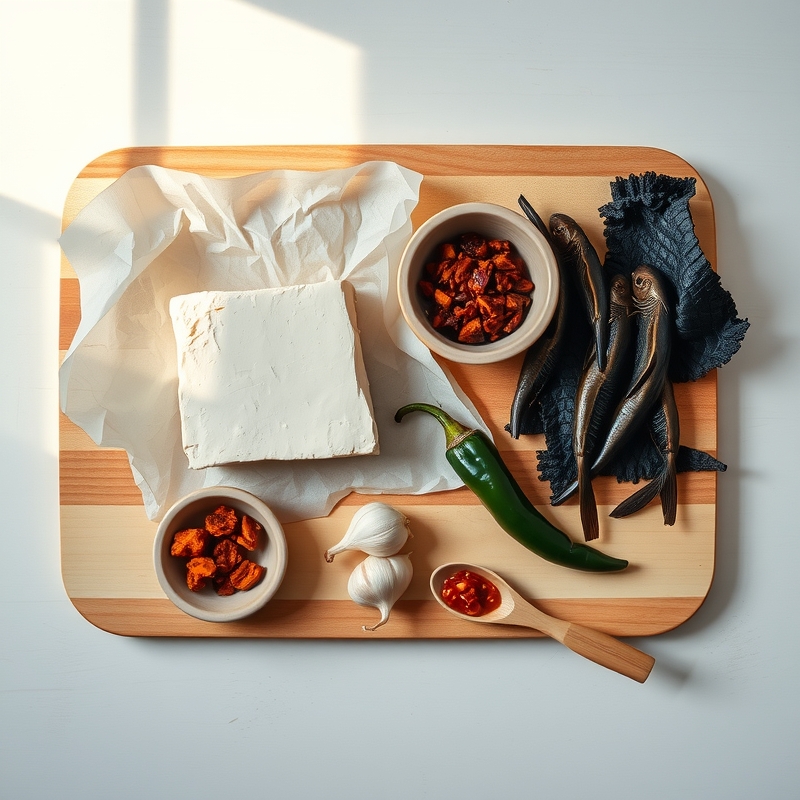
The single biggest reason homemade Korean tofu soup disappoints is that Western cooking instinct tells you to build flavor gradually — Korean soup logic works in the opposite direction. You build an intensely flavored base first, then add tofu at the very end so it absorbs that concentrated broth without falling apart.
Most food blogs get this wrong. They list ingredients, tell you to combine everything in a pot, and simmer. That produces a technically correct but emotionally empty bowl. Here’s what’s actually going wrong.
Mistake #1: Starting With Water Instead of Stock
Korean home cooks almost never start a tofu soup with plain water. The base is either anchovy-kelp stock (멸치다시마육수), dried shrimp stock, or the liquid from rehydrated dried mushrooms. This takes 10 minutes of passive simmering and creates a foundation that plain water can never recover from. Without it, you’re asking tofu — which is essentially flavorless on its own — to absorb nothing.
If you’re short on time, even a quick 7-minute steep of dried anchovies and a strip of dashima kelp in hot water will outperform plain water by a wide margin.
Mistake #2: Adding Tofu Too Early
Tofu should enter the pot in the final 3-5 minutes of cooking — not at the beginning. When tofu simmers too long, it becomes rubbery, develops a grainy texture, and squeezes out its moisture instead of absorbing the broth. Korean grandmothers treat tofu like a finishing ingredient, not a building block. The pot should already be bubbling aggressively before the tofu goes in.
Mistake #3: Skipping the 볶기 (Stir-Fry Base)
This is the step most English-language recipes leave out entirely. Before any liquid touches the pot, Korean cooks do a quick 볶기 (bokki) — a 2-3 minute stir-fry of garlic, gochugaru (Korean chili flakes), and aromatics in sesame oil. This blooms the chili flakes, releases garlic oils, and creates a flavor layer that simmering alone cannot produce. Skip this and your soup will taste one-dimensional no matter how long you cook it.
Mistake #4: Using the Wrong Tofu Texture
Korean markets sell at least 4 grades of tofu firmness, and they’re not interchangeable. Sundubu-jjigae requires uncurdled, custard-soft tofu (순두부) — not the silken tofu in the blue box at Whole Foods. Doenjang-jjigae needs medium-firm cubes that hold their shape. Using firm tofu in a soft tofu stew is like using cheddar in a mozzarella recipe. The texture is the experience.
Mistake #5: Forgetting the Finish
Korean tofu soup gets a final hit of flavor right after the heat is off — a cracked egg stirred in, a drizzle of toasted sesame oil, a scattering of chopped scallions. This isn’t garnish. It’s a structural flavor layer that ties the broth to the tofu. Most Western recipes stop one step too early.
Signs Your Korean Tofu Soup Needs a Reset
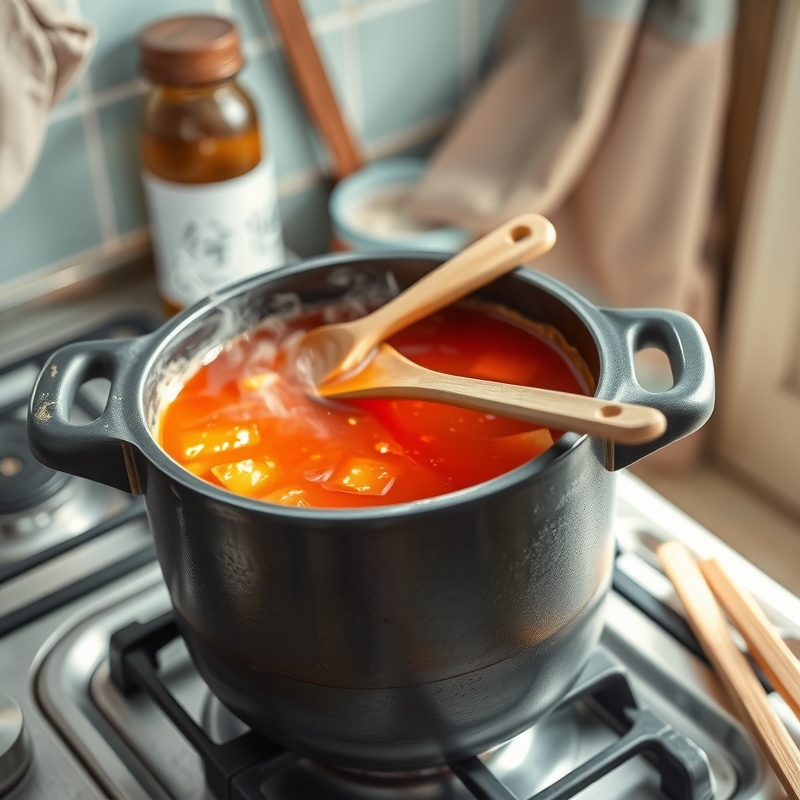
Not sure if your method is the problem? Run through this quick checklist. If you check even two of these, the fixes above will change your results immediately.
- Your soup tastes “fine” but never makes you want a second bowl
- The broth is thin and pale, not rich and slightly opaque
- Your tofu is rubbery, crumbly, or bland in the center
- The soup tastes the same whether you use tofu, chicken, or nothing at all
- You’ve never stir-fried your aromatics before adding liquid
- You add all ingredients at the same time and just simmer
- Your family reaches for the soy sauce bottle at the table (meaning the broth isn’t seasoned enough)
If that last one stung — you’re not alone. That’s the most common sign. A properly made Korean tofu soup needs nothing added at the table.
5 Korean Soup Recipes With Tofu That Actually Work
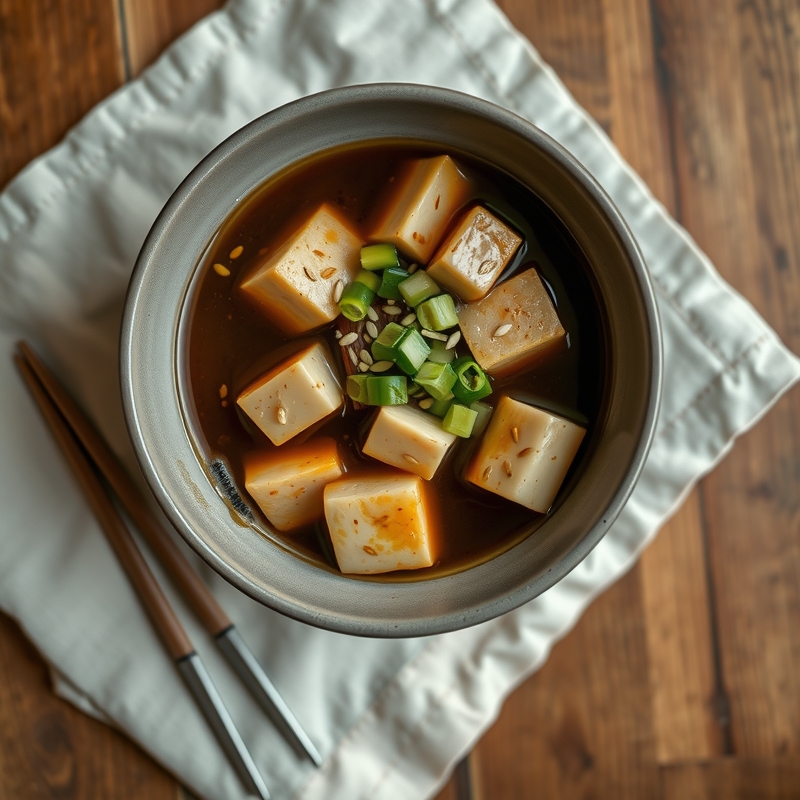
These aren’t aspirational chef recipes — they’re the exact soups Korean working mothers make on a Tuesday night when everyone’s hungry and no one has time. Each one follows the broth-first, tofu-last principle that fixes all five mistakes above.
1. Classic 순두부찌개 (Sundubu-Jjigae) — Spicy Soft Tofu Stew
Heat sesame oil in a stone pot or heavy saucepan. Stir-fry 1 tablespoon gochugaru with minced garlic for 90 seconds. Add 2 cups anchovy-kelp stock, 1 tablespoon soy sauce, and a handful of chopped kimchi. Boil hard for 5 minutes. Slide in one tube of soft tofu (순두부), breaking it gently with a spoon. Cook 3 minutes. Crack an egg on top, cover, and turn off heat. The residual heat cooks the egg perfectly.
2. 된장찌개 (Doenjang-Jjigae) — Fermented Soybean Paste Stew
This is the soup Koreans describe as “the taste of home.” Dissolve 2 tablespoons of doenjang (된장, Korean fermented soybean paste) into simmering anchovy stock. Add diced zucchini, onion, and a minced Korean green chili. Simmer 8 minutes. Add medium-firm tofu cut into generous cubes in the final 4 minutes. The doenjang does all the heavy lifting — don’t add extra salt.
3. 김치찌개 (Kimchi-Jjigae) With Tofu — Aged Kimchi Stew
The secret here is using kimchi that’s been fermenting for at least 3-4 weeks — the sour, funky stuff at the back of your fridge, not the fresh batch. Stir-fry chopped aged kimchi with a little pork belly (or skip the pork for vegetarian) for 3 minutes. Add stock, simmer 10 minutes, then add thick tofu slabs. The combination of fermented kimchi acid and pork fat makes a broth that’s almost impossible to get wrong.
4. 콩나물 두부국 (Kongnamul Dubu-Guk) — Soybean Sprout and Tofu Soup
This is the hangover cure, the cold-weather comfort, the “I have nothing in the fridge” save. Boil soybean sprouts in anchovy stock for 7 minutes with the lid ON (opening it makes the sprouts taste raw and beany). Add soft tofu, a beaten egg, chopped scallions, and a teaspoon of 국간장 (gukganjang, Korean soup soy sauce) — which is saltier and more fermented than regular soy sauce. Total time: under 15 minutes.
5. 버섯 두부 된장국 (Mushroom Tofu Doenjang-Guk) — Light Miso-Style Soup
For nights when you want something gentle, not fiery. Simmer sliced shiitake and enoki mushrooms in kelp stock for 5 minutes. Stir in 1 tablespoon doenjang. Add cubed silken tofu. Finish with a whisper of sesame oil. This is what Korean women often eat when they want something warm and light after a long day — under 150 calories per generous bowl, and it takes exactly 12 minutes.
Why Korean Mothers Build 국물 First — And Why It Changes Everything
In Korean cooking, the word 국물 (gungmul) means “broth” — but it carries the weight of an entire cooking philosophy. A Korean meal is evaluated by its 국물 before anything else. “국물이 시원하다” (“the broth is refreshing”) is one of the highest compliments in Korean food culture, and it has nothing to do with temperature — it means the broth is clean, deep, and satisfying in a way that hits somewhere between your tongue and your chest.
This isn’t poetic exaggeration. Walk into any Korean 시장 (sijang, traditional market) — Gwangjang Market in Seoul, Jagalchi in Busan — and the soup vendors have been simmering their stock pots since 4 AM. The tofu, vegetables, and rice are afterthoughts. The broth is the meal. Everything else is a vehicle for it.
This is fundamentally different from Western soup logic, where protein or vegetables are the star and broth is just the medium they sit in. When you internalize this one shift — broth first, everything else second — every Korean soup you make will taste closer to what you’ve been chasing.
Korean households also keep a rotation of base stocks ready. Most Korean mothers have a container of dried anchovies (멸치) and dried kelp (다시마) in the pantry at all times. Making stock isn’t a special-occasion project — it’s a 10-minute habit, like boiling water for tea. Soy protein in tofu provides all nine essential amino acids, making these soups a complete protein source that research has consistently confirmed rivals animal protein for nutritional quality.
| Feature | 순두부찌개 (Sundubu) | 된장찌개 (Doenjang) ⭐ | 김치찌개 (Kimchi) |
|---|---|---|---|
| Prep + Cook Time | 18-20 minutes | 15-18 minutes | 20-25 minutes |
| Spice Level | Medium-high | Mild | Medium |
| Key Flavor | Chili + seafood | Deep umami + earthy | Sour + savory |
| Best Tofu Type | Uncurdled soft (순두부) | Medium-firm cubes | Firm slabs |
| Pantry Ingredients | 5-6 | 4-5 | 5-7 |
| Beginner Friendly | Moderate | Very easy | Easy (if kimchi is aged) |
| Feeds Family of 4 | Around $6-8 | Around $4-6 | Around $5-8 |
| Best For | Weekend comfort meal | Weeknight default ⭐ | Using up old kimchi |
Doenjang-jjigae is the sweet spot for most beginners — fewest ingredients, most forgiving technique, deepest flavor payoff. It’s also the soup Korean children grow up eating almost daily, which tells you everything about its staying power.
Korean Stone Pot (뚝배기, Ttukbaegi)
Korean tofu soups are meant to arrive at the table still bubbling — that’s not drama, it’s function. A stone pot holds heat so the soup stays at temperature through the entire meal, and the egg you crack on top keeps cooking at the table. Once you cook sundubu-jjigae in one of these, a regular saucepan will never feel right again.
(paid link)
Check Availability & Reviews →
Korean Gochugaru (고추가루, Red Pepper Flakes)
Regular crushed red pepper from the spice aisle is not the same thing. Korean gochugaru is sun-dried, slightly sweet, and smoky — it dissolves into broth instead of sitting on top like Italian chili flakes. This is the single ingredient swap that makes sundubu-jjigae taste Korean instead of generically spicy.
(paid link)
See Why Reviewers Love This →
Frequently Asked Questions
What happens if I use regular silken tofu instead of Korean soft tofu (순두부)?
It will work, but the texture will be noticeably different. Korean 순두부 is uncurdled and almost custard-like — it melts into the broth slightly, creating a creamy quality. Boxed silken tofu holds its shape more rigidly. If you can’t find 순두부 at a Korean grocery store, silken tofu is an acceptable substitute, just handle it gently.
Can I make Korean tofu soup vegetarian?
Absolutely. Replace the anchovy-kelp stock with a mushroom-kelp stock — steep dried shiitake mushrooms and dashima kelp in water for 15 minutes. Skip the pork in kimchi-jjigae. The doenjang and kimchi carry enough fermented depth that you won’t miss the seafood base as much as you’d expect.
Why does my tofu soup taste bland even though I followed the recipe?
The most common reason is underseasoning the broth before the tofu goes in. Korean cooks taste and adjust the broth when it’s at full boil — before adding tofu. If the broth tastes slightly too salty on its own, it’s actually perfect, because the tofu will absorb salt and dilute the overall flavor. Season broth bold, then add tofu.
How long does Korean tofu soup last in the fridge?
The broth keeps well for 2-3 days refrigerated. However, tofu texture degrades after one night — it becomes spongy and loses its silken quality. The Korean workaround is to store broth and tofu separately, then add fresh tofu when you reheat.
What’s the difference between 찌개 (jjigae) and 국 (guk)?
찌개 is a thick, intensely flavored stew served as a shared main dish. 국 is a lighter, brothier soup served individually as a side. Both use tofu, but jjigae has less liquid and bolder seasoning. Think of it this way: 국 accompanies your rice, while 찌개 is the reason you made rice.
Key Takeaways
- Build the broth first, add tofu last (final 3-5 minutes) — this single change fixes most bland Korean tofu soups immediately.
- The 볶기 (stir-fry base) step is non-negotiable — blooming gochugaru and garlic in oil before adding liquid creates a flavor depth that simmering alone cannot replicate.
- Korean soup philosophy puts 국물 (broth) at the center of the meal, not the protein — shift your thinking from “tofu soup” to “broth with tofu” and everything clicks.
- 된장찌개 is the most forgiving Korean tofu soup for beginners — fewer ingredients, milder flavor, and the fermented paste does most of the seasoning work for you.
- Use aged kimchi (3-4 weeks fermented) for kimchi-jjigae — fresh kimchi makes a flat, one-note stew. The sour, funky stuff at the back of your fridge is exactly what you want.
- Store broth and tofu separately for leftovers — tofu texture breaks down overnight, but the broth only gets better the next day.
Tonight, try this one thing: before you make any Korean soup, simmer 6-8 dried anchovies and a palm-sized piece of dried kelp in 3 cups of water for 10 minutes, then strain. Use that as your base instead of plain water. That 10 minutes will change everything about what comes out of your pot.
This article contains affiliate links. If you purchase through these links, we may earn a small commission at no extra cost to you. We only recommend products we genuinely believe in.
You Might Also Like
- 9 Korean Dramas on Netflix 2026 That Hit Harder After 40
- 5 Korean Homemade Skincare Recipes After 40 (Skip the Rest)
- Korean vs American Sunscreen for Acne: What Fails After 40