Korean households follow a structured cleaning routine divided into daily, weekly, and seasonal tasks — a system that keeps living spaces consistently clean without exhausting weekend marathon sessions. Rather than relying on a single deep-clean day, Korean families distribute small, focused cleaning habits across every day of the week, ensuring that dirt and clutter never accumulate beyond a manageable level. This approach isn’t just cultural tradition; it’s a practical philosophy rooted in the Korean concept of jeongdon (정돈), meaning “to put things in proper order.” If you’ve ever wondered how Korean homes look perpetually tidy in vlogs and home tours, this routine is the answer.
Why the Korean Cleaning Routine Works Better Than a Weekly Deep Clean
Most Western cleaning advice centers on one big weekend session: vacuum the whole house, scrub bathrooms, mop floors, do all the laundry. The Korean approach flips this on its head. By completing 15–20 minutes of targeted cleaning every single day, Korean households prevent buildup rather than react to it. This philosophy aligns with the broader Korean cultural emphasis on consistency and maintenance — the same mindset behind Korea’s renowned skincare routines.
There are several reasons this distributed system is so effective:
- Smaller tasks feel less overwhelming, which means they actually get done. A 10-minute bathroom wipe-down after a shower is psychologically easier than a 90-minute Saturday scrub session.
- Hygiene stays consistently high. In Korea, where ondol (underfloor heating) means people sit, eat, and sleep on the floor, daily floor cleaning isn’t optional — it’s essential for health and comfort.
- It reduces the need for harsh chemicals. When you clean surfaces daily, mild, eco-friendly products are more than sufficient. Heavy-duty degreasers and bleach become occasional tools rather than weekly necessities.
- The home is always guest-ready. Korean culture places high value on hospitality. Unexpected visitors are common, and maintaining a consistently clean home is considered a basic social courtesy.
Understanding the cultural context makes the routine feel less like a chore list and more like a way of living. In Korean households, cleaning is not punishment or drudgery — it’s woven into daily life the same way cooking and eating are. Parents teach children cleaning habits from a young age, and even Korean schools require students to clean their own classrooms daily, reinforcing the idea that maintaining your environment is a personal responsibility.
The Complete Korean House Cleaning Routine: Daily, Weekly & Seasonal Breakdown
Here is the full Korean house cleaning routine broken into three tiers. The daily tasks take approximately 15–20 minutes total, the weekly tasks take about 1–2 hours spread across the week, and seasonal cleaning (called daecheongso, 대청소) happens 2–4 times per year.
Daily Cleaning Tasks (15–20 Minutes)
Korean daily cleaning is built around the concept of “clean as you go.” These are not scheduled blocks of time — they’re micro-habits attached to existing routines.
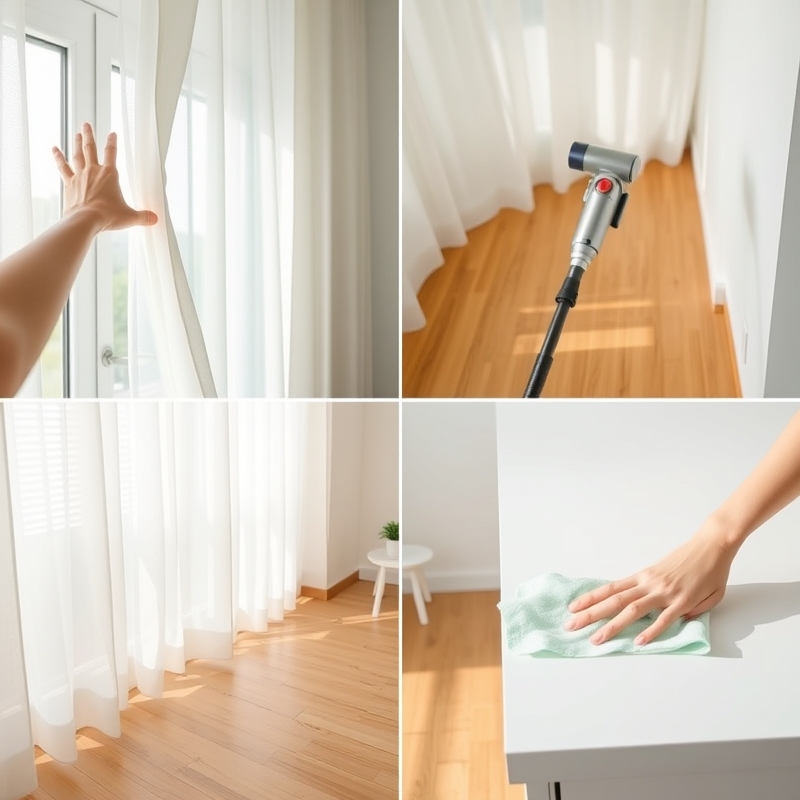
- Morning ventilation (환기, hwangi): Open all windows for 10–15 minutes every morning, even in winter. Koreans believe stale indoor air contributes to dust buildup and affects mood. This is practiced in nearly every Korean household and is one of the most distinctive elements of the routine.
- Quick floor sweep or vacuum: Because Koreans remove shoes at the door and spend significant time on the floor (eating at low tables, sleeping on floor mattresses called yo), floors are swept or vacuumed daily. Many households use a cordless stick vacuum or a traditional mildae (밀대) — a flat microfiber mop.
- Kitchen wipe-down after every meal: Stovetop, counters, and sink are wiped immediately after cooking. Korean cooking often involves stir-frying and fermentation, which can create strong odors and grease splatter, so this habit is non-negotiable.
- Bathroom squeegee after the last shower: Using a squeegee on tiles, glass, and the floor after showering prevents water stains and mold. Many Korean bathrooms are “wet bathrooms” (the entire room is the shower area), making this step especially important.
- Dishes washed immediately: Leaving dishes in the sink overnight is culturally uncommon in Korean households. Dishes are washed right after meals.
- Laundry (one load per day): Rather than letting laundry pile up, most Korean families run one small load daily. Korean washing machines typically have a quick-wash cycle of 30–40 minutes, making this practical even on busy mornings.
- Evening declutter (5 minutes): Before bed, items are returned to their designated places. This is the jeongdon principle in action — everything has a home, and it goes back there every night.
Weekly Cleaning Tasks (1–2 Hours Total, Spread Across the Week)
Korean households typically assign one specific weekly task to each day rather than doing everything on Saturday. Here’s a common distribution:
- Monday — Wet-mop all floors: After the daily sweep, a thorough wet mop with diluted floor cleaner. Many Koreans use a steam mop or a traditional damp mildae with a microfiber pad.
- Tuesday — Deep bathroom clean: Scrub toilet, clean drain, wipe mirrors, and apply mold-prevention spray. Korean bathroom cleaning often involves a product called gokpang jegeo-je (곰팡이 제거제), a dedicated mold remover spray.
- Wednesday — Kitchen deep clean: Clean inside the microwave, wipe down the refrigerator exterior, and degrease the range hood filter. Koreans often soak the range hood filter in baking soda solution.
- Thursday — Dusting and surface wiping: Shelves, electronics, windowsills, and light fixtures. Microfiber cloths are preferred over feather dusters.
- Friday — Laundry catch-up and linen change: Wash bed linens, towels, and any remaining laundry. Korean households change bed linens every 7–10 days on average.
- Saturday — Organize and declutter one zone: Rotate through closets, pantry, shoe storage, and other areas, tackling one per week.
- Sunday — Rest or light maintenance only.
Seasonal Cleaning — Daecheongso (대청소)
Daecheongso literally translates to “big cleaning” and is performed 2–4 times per year, typically at the change of seasons. The most significant daecheongso happens before Lunar New Year (Seollal) and before Chuseok (Korean Thanksgiving). Many families also do a spring and fall session.
Seasonal cleaning tasks include:
- Washing all curtains, blankets, and heavy textiles
- Moving furniture to clean behind and underneath
- Deep-cleaning the washing machine drum (using a dedicated washing machine cleaner tablet, widely available in Korean stores)
- Cleaning the inside of the refrigerator completely
- Wiping all windows inside and out
- Rotating seasonal wardrobes — storing winter clothes in vacuum-seal bags during spring, and vice versa
- Inspecting and cleaning the ondol (floor heating) vents or air conditioning filters
- Disposing of expired food, old cosmetics, and unused household items
Daecheongso is often a family affair. It’s common for all household members — including children — to participate. In Korean apartment complexes, you’ll sometimes see entire buildings airing out bedding and mattresses on the same weekend, creating a collective atmosphere of renewal.
Korean Cleaning Routine vs. Western Cleaning Routine: A Detailed Comparison
To make the differences clearer, here’s a side-by-side comparison of the Korean distributed cleaning routine versus the more common Western weekly deep-clean approach:
| Criteria | Korean Cleaning Routine | Western Weekly Deep Clean |
|---|---|---|
| Daily time commitment | 15–20 minutes | 5–10 minutes (minimal daily upkeep) |
| Weekly time commitment | ~2 hours (spread across 6 days) | ~3–4 hours (concentrated on 1–2 days) |
| Total weekly time | Approximately 3.5–4 hours | Approximately 3.5–5 hours |
| Consistency of cleanliness | High — home is always clean | Fluctuates — cleanest right after deep clean |
| Need for harsh chemicals | Low — mild products suffice for daily maintenance | Higher — buildup requires stronger cleaners |
| Psychological burden | Low — small tasks feel manageable | Higher — weekend cleaning can feel exhausting |
| Guest-readiness | Always ready | Depends on timing |
| Best for | Families, small apartments, people who dislike marathon cleaning | People who prefer batching tasks, larger homes with dedicated cleaning time |
| Cultural integration | Cleaning is a daily lifestyle habit | Cleaning is a scheduled chore |
The total time investment is surprisingly similar — the Korean method doesn’t require more time overall; it simply distributes the effort differently. The key advantage is psychological: you never face a mountain of accumulated mess, and your home never reaches the “I can’t invite anyone over right now” stage.
That said, the Korean routine does have a learning curve. If you’re used to doing nothing during the week and blitzing on Saturday, switching to daily micro-cleaning requires building new habits. The first 2–3 weeks may feel like you’re cleaning more, not less. Stick with it — most people find the routine becomes automatic within a month.
Essential Korean Cleaning Products and Tools
Korean households tend to favor a few specific products and tools that support their daily cleaning habits. You don’t need to buy Korean brands specifically — but understanding what tools the routine is built around will help you replicate it effectively.
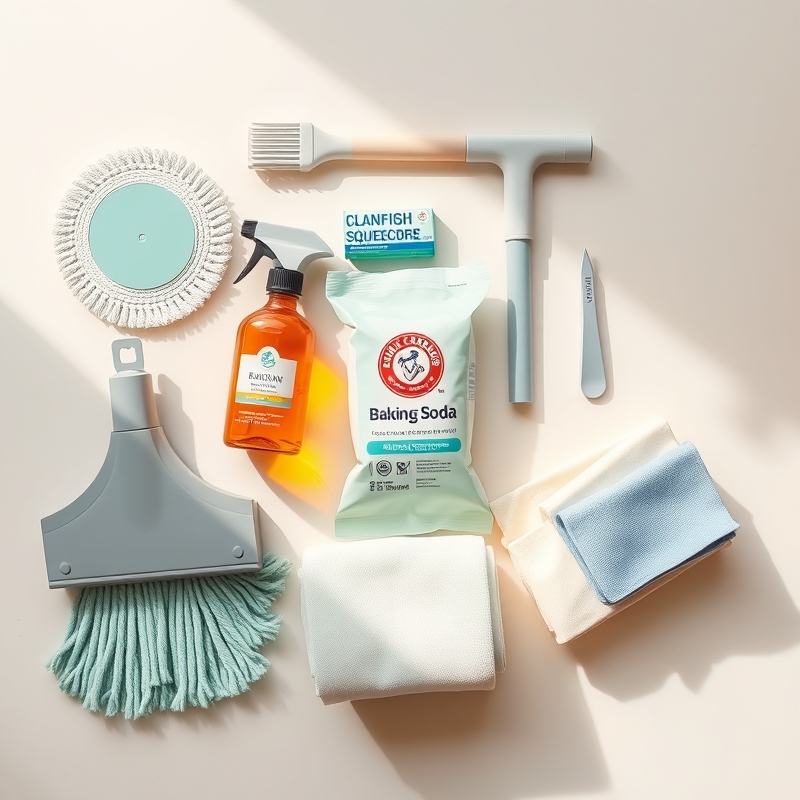
- Mildae (밀대) flat mop: A lightweight microfiber flat mop used for both dry sweeping and wet mopping. This is arguably the single most important cleaning tool in Korean homes. It’s fast, quiet, and effective on the hard floors (wood, vinyl, or heated stone) found in nearly all Korean apartments.
- Cordless stick vacuum: LG and Samsung models are especially popular in Korea. They’re used for quick daily passes and are light enough to use one-handed.
- Bathroom squeegee: A small handheld squeegee kept in the shower area for post-shower wipe-downs.
- Baking soda (베이킹소다) and citric acid (구연산): These two ingredients form the backbone of Korean eco-cleaning. Baking soda for degreasing and deodorizing; citric acid for descaling and water stain removal. Many Korean cleaning influencers mix their own sprays using these bases.
- Percarbonate of soda (과탄산소다): Also called sodium percarbonate — a powerful oxygen-based bleaching agent used for washing machine drum cleaning, whitening laundry, and deep-cleaning grout. This is one of the most recommended cleaning agents in Korean home care communities.
- Mold remover spray (곰팡이 제거제): A dedicated spray for bathroom and window frame mold. Korean wet bathrooms are prone to mold, so this product is a staple.
- Microfiber cloths (multiple colors): Koreans typically use color-coded microfiber cloths — one color for the kitchen, another for bathrooms, another for general surfaces — to prevent cross-contamination.
Tips for Adapting the Korean Cleaning Routine to Your Home
You don’t need to live in a Korean apartment or follow the routine to the letter. Here are practical ways to adapt the system to any home, anywhere in the world:
- Start with just three daily habits: Morning ventilation, post-cooking kitchen wipe-down, and a 5-minute evening declutter. These three alone will dramatically change how clean your home feels.
- Adopt the “one task per day” weekly schedule: Instead of a Saturday cleaning marathon, assign Monday through Saturday each a single focus task. Write it on a sticky note on your fridge until it becomes habit.
- Invest in a good flat mop: If you have hard floors, a microfiber flat mop will change your life. It takes under 5 minutes to mop a small apartment and requires no bucket.
- Embrace the shoe-free home: This is foundational to the Korean routine. Removing shoes at the door reduces the amount of dirt, bacteria, and allergens tracked onto floors by up to 90%, according to environmental studies. It instantly reduces your floor-cleaning burden.
- Don’t skip ventilation: Even 5 minutes of fresh air circulation in the morning reduces indoor dust and humidity. If you live in a polluted area, ventilate during low-traffic hours (early morning) and use an air purifier afterward.
- Schedule your daecheongso: Put it on your calendar — at least twice a year. Treat it as an event, not an emergency response to accumulated mess. Play music, involve family members, and reward yourselves afterward (Korean families often order delivery food after daecheongso).
Frequently Asked Questions
How long does the Korean house cleaning routine take per day?
The daily portion of the Korean house cleaning routine takes approximately 15–20 minutes. This includes quick tasks like floor sweeping, kitchen wipe-downs, bathroom squeegeeing, and a short evening declutter. These tasks are not done in a single block — they’re distributed throughout the day and attached to existing habits (e.g., wiping the kitchen right after cooking). Most people find that after 2–3 weeks of practice, the daily routine feels almost automatic and doesn’t register as “cleaning time” at all.
Do Korean families really clean every single day?
Yes, daily cleaning is genuinely standard in most Korean households. This is partly cultural — Korean homes traditionally feature floor-based living (sitting, eating, and sleeping on the floor), so daily floor cleaning is a hygiene necessity, not a preference. It’s also reinforced from childhood; Korean students clean their own school classrooms daily, building the habit early. That said, the daily tasks are intentionally small and quick — they’re closer to “tidying” and “maintenance” than what most people picture when they hear the word “cleaning.” Nobody is scrubbing grout every day.
Can this routine work in a larger Western-style home with carpet?
Absolutely, though you’ll need to make some adjustments. For carpeted homes, replace the daily sweep/mop step with a quick vacuum of high-traffic areas only (hallways, living room, kitchen entry). You don’t need to vacuum the entire house daily — just the zones that collect the most dirt. The rest of the routine (ventilation, kitchen maintenance, bathroom care, evening declutter) translates perfectly regardless of home size or flooring type. For larger homes, you may want to extend the weekly rotation — for example, assigning each bathroom its own day rather than cleaning all bathrooms on a single day.
The Korean house cleaning routine is not about cleaning more — it’s about cleaning smarter by distributing effort consistently across every day. By adopting even a few elements of this system — daily ventilation, the “one task per day” weekly schedule, and seasonal daecheongso — you can maintain a cleaner, calmer home with less total effort and zero weekend burnout.