Last spring, a friend visiting Seoul asked me why every single person on the subway seemed to be squeezing a little jelly pouch. She thought it was a juice trend. It wasn’t — it was konjac-based diet jelly, the low-calorie snack that’s replaced chips and cookies in Korean convenience stores almost overnight. But here’s the problem: there are now so many types that even Koreans get confused about which one to pick.
Walk into any Korean convenience store today and you’ll count at least five different formats of diet jelly — pouches, cups, sticks, bars, and drinkable bottles. They range from 6 calories to over 80 calories per serving, and the texture difference between them is enormous. Some taste like a refreshing fruit drink. Others feel like chewing rubber. Choosing the wrong one first is the fastest way to swear off Korean diet jelly forever.
This guide compares the five main types side by side — calories, texture, fullness factor, price, and convenience — so you buy the right one on your first try.
What Korean Diet Jelly Actually Is (Before You Compare)
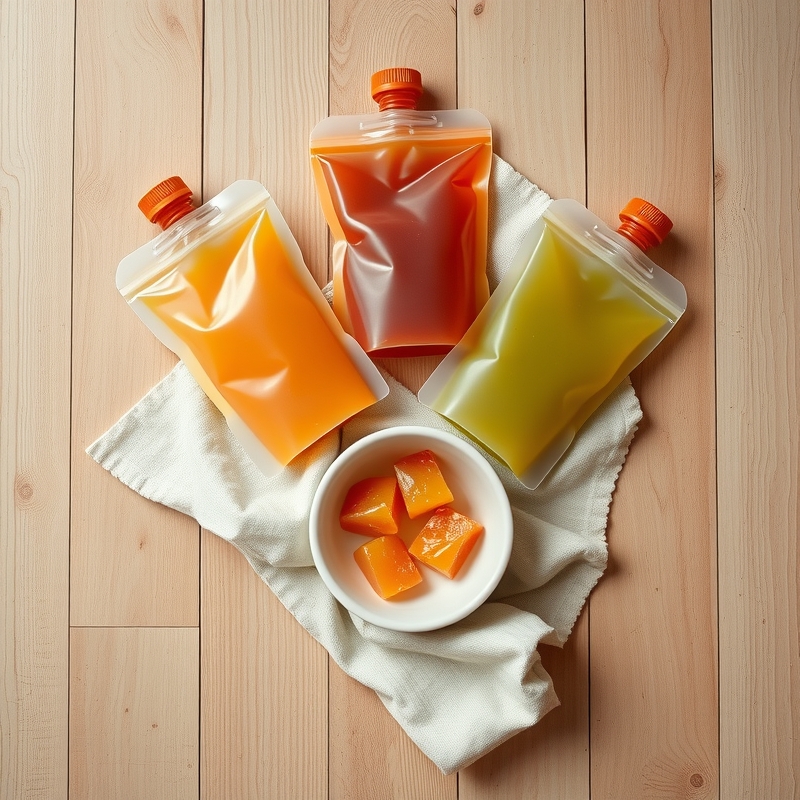
Korean diet jelly is made primarily from konjac (곤약), a root vegetable that’s almost entirely water-soluble fiber called glucomannan. This fiber absorbs water and expands in your stomach, which is why a tiny 150ml pouch can genuinely take the edge off hunger between meals.
Konjac has been used in East Asian cooking for centuries — in Japan as konnyaku, in Korea as 곤약. But the modern “diet jelly” format took off in Korea around 2019-2020 when brands started packaging it in fruit-flavored squeeze pouches that looked and tasted nothing like the bland, gray konjac blocks your Korean grandmother might remember.
Why Korea Specifically Went Crazy for It
Korea’s convenience store culture is uniquely aggressive. Chains like CU, GS25, and 7-Eleven compete fiercely on snack innovation, launching hundreds of new products monthly. When konjac jelly pouches started selling out, every brand rushed to create their own format — which is exactly why there are now five distinct types fighting for your attention.
The result is genuinely great for consumers but overwhelming if you’re browsing the Korean snack aisle on Amazon or walking into an H-Mart for the first time. Not all formats deliver the same experience.
The Korean Tradition Behind This Trend
Long before convenience stores stocked diet jelly, Korean households had built habits around low-calorie, high-satiety foods that doubled as digestion aids. 보리차 (roasted barley tea) replaced sugary drinks at meals. 동치미 (radish water kimchi) filled the stomach before rice. 매실차 (green plum tea) settled digestion after heavy meals. None of these were “diet foods” in the Western sense — they were how Korean kitchens balanced rich, fermented main dishes with lighter palate cleansers.
Konjac diet jelly fits squarely into that pattern. It is not a weight-loss drug or a Western-style meal replacement — it is a portable, modern version of what your Korean grandmother might have offered when you said you were hungry but did not really need a meal. Understanding this lineage matters because it changes how you should use diet jelly: as a small, mindful habit between meals, not as a magic cure-all.
What TikTok Got Wrong About “Korean Ozempic”
Walk through TikTok and you will find creators calling cutting jelly “Korean Ozempic” — implying it triggers GLP-1 hormones the way semaglutide does. It does not. Konjac glucomannan, the active fiber in most Korean diet jelly, works mechanically: it absorbs water in the stomach, expands several times its volume, and slows gastric emptying. That can reduce hunger and steady blood sugar, but it is not a hormone medication, and the effects are smaller in magnitude.
According to the NIH Office of Dietary Supplements, glucomannan studies show modest, short-term weight-loss effects — typically under 2 kg over several weeks — not the dramatic results Ozempic users report. More importantly, Korean women generally do not use diet jelly the way TikTok suggests. It is a snack swap, not a fasting tool. If you treat it as a magic carb-blocker (as the Kylie Jenner posts implied), you will be disappointed.
Korean Diet Jelly Types Compared: Calories and Ingredients
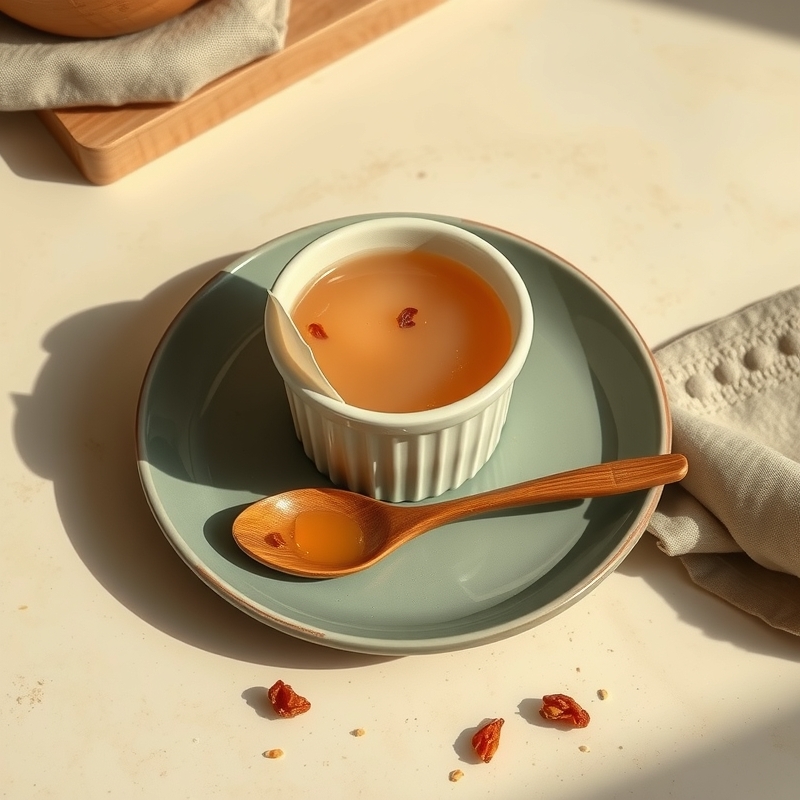
The calorie difference between Korean diet jelly formats ranges from as low as 6 calories per pouch to over 80 calories per cup — a gap large enough to matter if you’re snacking daily. Most people assume “diet jelly = low calorie” across the board, but that’s not true once you look at cups and bars.
The 5 Main Formats
- Squeeze Pouch (파우치형) — The most popular format. You squeeze it directly into your mouth. Brands: CJ Petitzel, Rawel, Dr. Liv. Typically 150ml.
- Stick Tube (스틱형) — Thinner, longer tubes you tear open and squeeze. More portable than pouches. Often sold in multipacks.
- Cup Type (컵형) — Larger portions served in plastic cups with a peel-off lid. Eaten with a spoon. Closer to a dessert.
- Drinkable Bottle (음료형) — Liquid jelly in a bottle, meant to be sipped. Thinner consistency, less chew.
- Bar/Chew Type (바형) — Firmer, more solid. Feels like a gummy candy. Highest calorie count of the five.
| Format | Typical Calories | Main Ingredient | Added Sugar | Serving Size |
|---|---|---|---|---|
| Squeeze Pouch | 6–15 kcal | Konjac + fruit juice | None or minimal | 130–150ml |
| Stick Tube | 10–20 kcal | Konjac + fruit concentrate | None or minimal | 100–120ml |
| Cup Type | 40–80 kcal | Konjac + agar + sugar | Often yes | 200–230ml |
| Drinkable Bottle | 15–35 kcal | Konjac + water + flavoring | Varies | 200–300ml |
| Bar/Chew Type | 50–85 kcal | Konjac + gelatin + sweetener | Usually yes | 40–50g |
Winner: Squeeze Pouch. At 6–15 calories with zero or minimal added sugar, it’s the format that earns the “diet” label most honestly. Cup types and bars often sneak in enough sugar to rival a small candy bar.
Taste and Texture: Which Korean Diet Jelly Keeps You Full
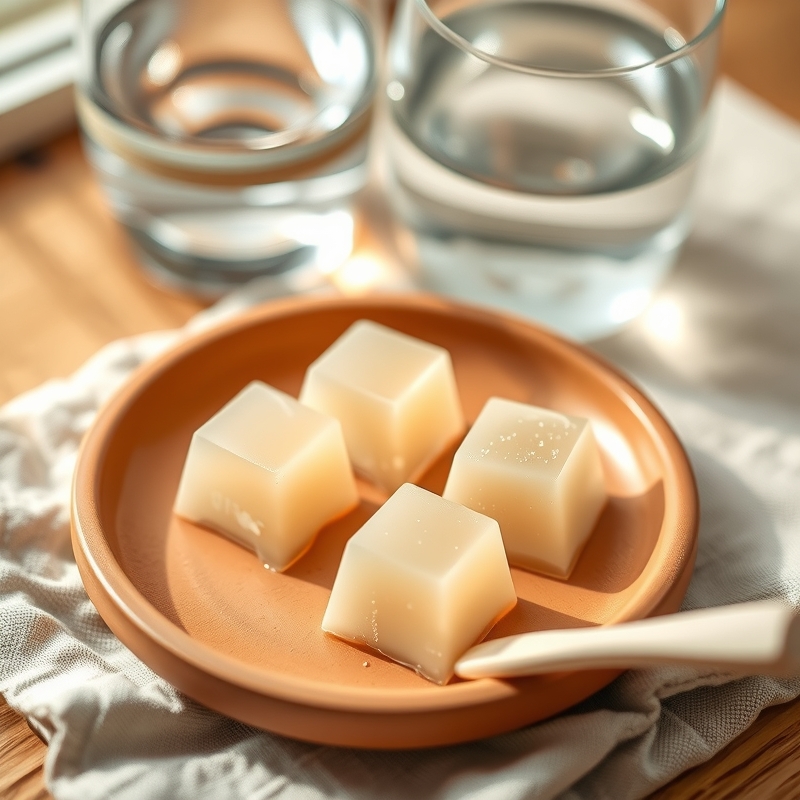
The format you enjoy eating matters more than the calorie count — because a diet snack you hate is a diet snack you replace with chips by day three. This is where Korean diet jelly types diverge dramatically.
Texture Breakdown
- Squeeze Pouch: Soft, slippery jelly pieces suspended in fruit-flavored liquid. Satisfying to squeeze and chew lightly. The closest comparison is a drinkable fruit snack with bits.
- Stick Tube: Similar to pouch but slightly firmer jelly, less liquid. More concentrated chew. Good if you find pouches too watery.
- Cup Type: Spoonable, pudding-like. Feels more like eating a dessert. The most “substantial” eating experience, but also the highest calorie.
- Drinkable Bottle: Thin, almost like flavored water with a slight viscosity. Minimal chew. Least satisfying texture for most people.
- Bar/Chew Type: Dense, gummy-bear-like chew. Takes longest to eat. Feels least like “jelly” and most like candy.
| Dimension | Squeeze Pouch | Cup Type | Bar/Chew Type |
|---|---|---|---|
| Chew Satisfaction | Medium | Low (spoonable) | High |
| Fullness Duration | 45–60 min | 30–45 min | 60–90 min |
| Flavor Intensity | Medium-high | High | Medium |
| Aftertaste | Clean | Sometimes sweet | Sometimes artificial |
| Repeat Enjoyment | High | Medium | Low-medium |
Here’s what most people outside Korea don’t realize: the squeeze pouch format dominates in Korea not because of marketing, but because the “squeeze and chew” action itself is satisfying. It tricks your brain into thinking you ate more than you did. Nutritionists widely agree that the physical act of chewing contributes to satiety signals — and pouches hit that sweet spot between drinking and eating.
The bar type keeps you full longest because it’s denser, but many people find the texture too gummy after the first few tries. Cup types taste the best but don’t last — they go down fast, like pudding, and leave you wanting more.
Price and Availability: Korean Diet Jelly Costs Compared
In Korea, a single konjac jelly pouch costs around 1,500–2,500 won (roughly $1–2 USD), making it one of the cheapest diet snacks available. But prices shift significantly once you’re buying internationally — and the format you choose affects the per-serving cost more than the brand does.
| Format | Price in Korea (per unit) | Approx. International Price | Best Value Buy |
|---|---|---|---|
| Squeeze Pouch | ~1,500–2,500 won | ~$1.50–2.50 per pouch | Multipacks of 10+ |
| Stick Tube | ~1,000–1,800 won | ~$1–2 per stick | Variety packs |
| Cup Type | ~2,000–3,500 won | ~$2.50–4 per cup | 3-pack bundles |
| Drinkable Bottle | ~1,800–2,500 won | ~$2–3 per bottle | 6-pack cases |
| Bar/Chew Type | ~1,500–2,500 won | ~$2–3.50 per bar | Box sets |
Winner: Stick Tubes offer the lowest per-unit cost, especially in multipacks. But squeeze pouches win on cost-per-calorie-of-satisfaction — you get the most “snacking experience” per dollar because the squeeze format stretches the eating time.
Where to Buy Outside Korea
- Amazon: Widest selection internationally. Look for Rawel and CJ Petitzel multipacks.
- H-Mart / Korean grocery stores: Usually cheaper than Amazon, but selection varies by location.
- Online Korean grocery retailers: Sites like Weee! and Yamibuy carry rotating selections.
One thing to watch: without reading Korean labels, it’s easy to accidentally buy a cup-type “dessert jelly” thinking it’s diet jelly. Look for 곤약 (konjac) on the ingredient list and check that the calorie count is under 20 per serving. If it says 한천 (agar) as the first ingredient and the calories are above 50, it’s a dessert, not a diet snack.
Rawel Konjac Jelly Pouch (Variety Pack)
The brand that started the Korean konjac jelly craze. Each pouch is around 6–10 calories with zero added sugar — the same ones Korean office workers keep in their desk drawers for afternoon cravings.
CJ Petitzel Konjac Jelly
Made by CJ CheilJedang — one of Korea’s largest food conglomerates. Slightly more fruit-juice-forward flavor than Rawel, with a smoother jelly texture that fans describe as closer to real fruit.
The Verdict: Which Korean Diet Jelly Format Wins
For most people trying Korean diet jelly for the first time, the squeeze pouch format is the clear winner. Here’s why it beats the other four formats across the board:
| Criteria | Winner | Why |
|---|---|---|
| Lowest Calories | Squeeze Pouch | 6–15 kcal, lowest of all formats |
| Best Taste | Cup Type | Most dessert-like, richest flavor |
| Longest Fullness | Bar/Chew Type | Dense, takes longest to eat |
| Most Portable | Stick Tube | Thinnest, fits in any bag |
| Best for Daily Use | Squeeze Pouch | Low cal + satisfying + convenient |
| Best Value (intl.) | Squeeze Pouch | Widely available in multipacks on Amazon |
| Least Recommended | Drinkable Bottle | Too thin, feels like flavored water |
The squeeze pouch wins not because it’s perfect at any single thing, but because it has no major weakness. Cup types taste better but cost more and carry more calories. Bars keep you fuller but the gummy texture gets old. Stick tubes are cheaper but harder to find internationally. And drinkable bottles — honestly, skip those entirely. They’re just overpriced flavored water with a konjac label.
If you’ve tried pouches and want to level up, cup types make a great evening dessert replacement — just know they’re not truly “diet” at 60-80 calories with added sugar.
Dr. Liv Konjac Jelly Sticks
The stick format that Korean fitness influencers keep in their gym bags. Firmer chew than pouches, slightly more satisfying texture, and each stick is individually wrapped for grab-and-go snacking.
Frequently Asked Questions
Is Korean diet jelly actually effective for weight loss?
Korean diet jelly is a useful snack replacement, not a weight-loss solution on its own. The glucomannan fiber in konjac absorbs water and expands in your stomach, which can help reduce snacking between meals. But eating konjac jelly while maintaining the same overall diet won’t produce results. Think of it as a tool — replacing a 300-calorie afternoon snack with a 10-calorie jelly pouch adds up over weeks.
What happens if I eat too much konjac jelly in one day?
Eating more than 3-4 pouches daily can cause bloating, gas, or digestive discomfort. Glucomannan is a soluble fiber, and like any fiber, too much too fast overwhelms your digestive system. Start with one pouch per day for the first week. Also, always drink water with konjac products — the fiber needs liquid to move through your system properly.
Are Korean diet jellies safe for children?
Small, firm pieces of konjac jelly can be a choking hazard for young children. Several countries including Australia and the EU have restricted certain konjac jelly formats for this reason. The squeeze pouch format is generally safer because the jelly comes out in soft, small pieces, but parents should supervise children and avoid giving cup-type or bar-type konjac jellies to kids under 5.
What’s the difference between Korean konjac jelly and Japanese konnyaku jelly?
Korean diet jellies tend to be softer, fruitier, and lower in calories than traditional Japanese konnyaku jellies. Japanese konnyaku is often sold as a plain, firm block used in cooking (like oden or stir-fries), while Korean brands reformulated konjac into sweet, fruit-flavored snack formats designed for on-the-go eating. The base ingredient — konjac root — is the same, but the product experience is completely different.
Can I bring Korean diet jelly on a plane?
Yes, sealed konjac jelly pouches are allowed in checked luggage without restrictions. For carry-on bags, individual pouches under 100ml typically pass TSA liquid rules, but larger pouches or bottles may be flagged. If you’re stocking up in Korea, pack them in your checked suitcase to avoid hassle.
Key Takeaways
- Korean diet jelly is made from konjac (glucomannan fiber) and comes in 5 distinct formats — pouch, stick, cup, drinkable, and bar — with calorie ranges from 6 to over 80 per serving.
- Squeeze pouches are the best starting point for first-timers: lowest calories (6–15 kcal), no added sugar, satisfying squeeze-and-chew texture, and widest international availability.
- Cup-type jellies are NOT true diet snacks — most contain added sugar and 40-80 calories, making them closer to a low-calorie dessert than a diet tool.
- Skip drinkable bottle formats entirely — they’re essentially flavored water with a konjac marketing label and provide the least satiety of all five types.
- Look for 곤약 (konjac) on the label and verify under-20-calorie counts to avoid accidentally buying a dessert jelly marketed as diet food.
- Limit intake to 3-4 pouches daily and drink water alongside them — glucomannan fiber needs liquid to digest properly and prevent bloating.
Grab a single variety pack of konjac jelly pouches — peach or apple flavor if you want the most popular Korean choices — and replace your afternoon snack with one for a week. That’s the honest test of whether this format works for your routine.
This article contains affiliate links. If you purchase through these links, we may earn a small commission at no extra cost to you. We only recommend products we genuinely believe in.