Quick Answer: Korean spring cooking revolves around 봄나물 (bom-namul) — wild spring greens that appear for just a few weeks each year, and Koreans build entire meals around them. Here’s what you need to know:
- Spring greens season in Korea runs roughly mid-March through early May
- Most of these recipes take under 20 minutes and use 5 ingredients or fewer
- The 7 dishes below are what Korean families actually cook at home — not restaurant showpieces
- Several key ingredients (doenjang, gochugaru, sesame oil) are reused across all 7 recipes
- You can find most spring greens frozen or dried at Korean grocery stores year-round
In a small kitchen in Jongno, a grandmother spreads newspaper across her floor every March and sorts through bundles of wild greens her neighbor brought from the countryside. She’s not following a recipe — she’s doing what Korean households have done every spring for centuries. These 7 Korean spring recipes are the dishes that actually appear on Korean dinner tables when the weather turns warm — and most of them are simpler than anything you’ve seen on Instagram.
What Makes Korean Spring Cooking Different
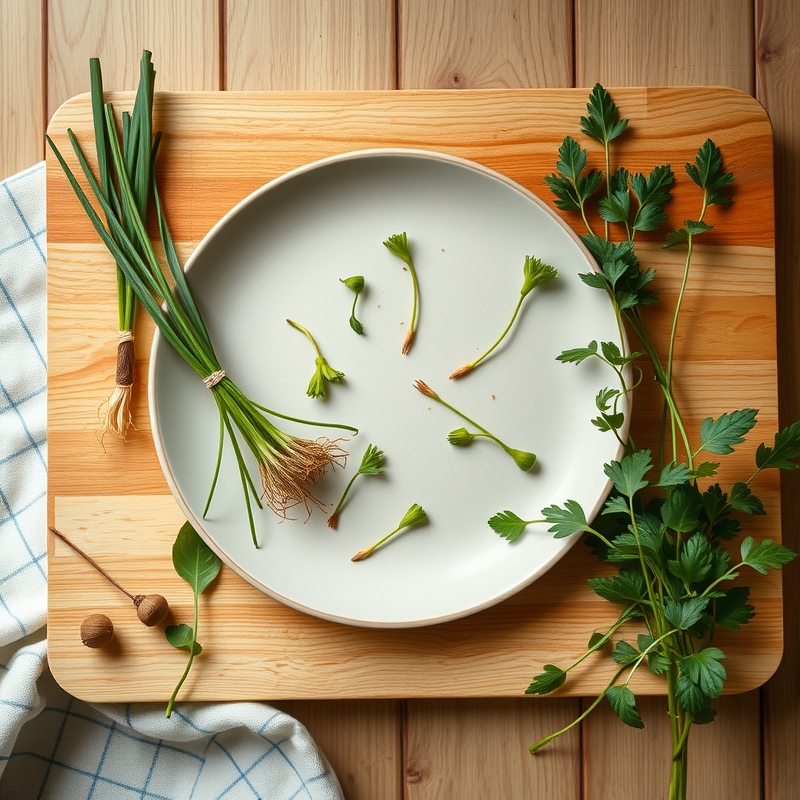
Korean cuisine follows 절기 (jeolgi), a system of 24 seasonal divisions rooted in the lunar calendar, and spring cooking is arguably the most anticipated shift of the year. While Western seasonal cooking tends to mean “lighter salads,” Korean spring cooking centers on 봄나물 (bom-namul, spring wild greens) — ingredients like shepherd’s purse, mugwort, and wild chives that grow in fields and mountainsides for just a few fleeting weeks.
This isn’t trendy foraging culture. Korean families have gathered and cooked with namul (wild and cultivated greens) for centuries, and the practice is deeply tied to 정 (jeong) — the warm sense of community and emotional connection that defines Korean relationships. A neighbor dropping off a bag of freshly picked 냉이 (naengi) is a small act of jeong. Cooking it into soup that evening is how you honor it.
What makes this tradition nutritionally interesting: many Korean spring greens are dense in vitamins and minerals after a long winter. Research on mugwort (Artemisia princeps) — one of the most popular spring ingredients — has explored its antioxidant and anti-inflammatory properties. Korean grandmothers didn’t need a study to know this. They’d say 봄나물 “cleans out the winter” from your body.
Without understanding this seasonal rhythm, Korean spring recipes just look like random vegetable dishes. With it, you’ll see why each one exists — and why Koreans get genuinely excited when these ingredients appear at the market.
Quick-Pick Summary: All 7 Korean Spring Recipes at a Glance
| Recipe | Difficulty | Time | Key Ingredient | Best For |
|---|---|---|---|---|
| 냉이된장국 (Naengi Soup) | Easy | 15 min | Shepherd’s purse | Weeknight dinner |
| 달래무침 (Wild Chive Salad) | Very Easy | 10 min | Wild chives | Quick side dish |
| 봄동겉절이 (Spring Kimchi) | Easy | 15 min | Spring cabbage | Instant kimchi craving |
| 쑥떡 (Mugwort Rice Cakes) | Medium | 40 min | Mugwort | Snack or dessert |
| 미나리무침 (Water Parsley Salad) | Very Easy | 10 min | Water parsley | Fresh banchan |
| 두릅튀김 (Angelica Shoot Tempura) | Medium | 25 min | Angelica shoots | Special occasion |
| 봄나물비빔밥 (Spring Bibimbap) | Easy-Medium | 30 min | Mixed spring greens | Complete meal |
1. 냉이된장국 (Naengi Doenjang-guk) — Shepherd’s Purse Soybean Paste Soup
If there’s one dish that signals spring has arrived in a Korean household, it’s naengi doenjang-guk. Shepherd’s purse has a distinct earthy, slightly peppery flavor that hits differently than any green you’ve tried in Western cooking. Most food blogs skip this entirely — but ask any Korean what they crave when March comes, and this soup comes up before anything else.
The technique is forgiving. You’re essentially making a simple doenjang soup (which you may already know from Korean restaurants) and adding cleaned naengi in the last few minutes so it wilts but keeps its bite.
- Bring 3 cups of anchovy or kelp broth to a boil
- Dissolve 1.5 tablespoons of doenjang (Korean soybean paste) into the broth
- Add diced tofu and sliced zucchini, simmer 5 minutes
- Add a generous handful of cleaned naengi, cook 2-3 minutes
- Finish with minced garlic and a pinch of gochugaru (Korean red pepper flakes) if you like warmth
The key most people get wrong: don’t overcook the naengi. It should still have texture. Overcooked shepherd’s purse turns bitter and mushy — and you lose the whole point of the dish.
Sempio Doenjang (Korean Soybean Paste)
This is the foundation paste for naengi soup and half the recipes on this list. Sempio’s version is what you’d actually find in most Korean kitchens — fermented, deep, and nothing like Japanese miso.
(paid link) Check Availability & Reviews →
2. 달래무침 (Dallae-muchim) — Wild Chive Salad
This 10-minute side dish is the Korean spring recipe with the highest effort-to-reward ratio. 달래 (dallae, Korean wild chives) are thinner and more delicate than regular chives, with a sharper, almost garlicky kick. Koreans pair this banchan with rich, heavy dishes because it cuts through fat like nothing else.
The dressing is dead simple:
- 1 tablespoon gochugaru
- 1 tablespoon soy sauce
- 1 teaspoon sesame oil
- 1 teaspoon vinegar (rice or apple cider)
- A pinch of sugar and toasted sesame seeds
Toss the wild chives — cut into 2-inch lengths — with the dressing and serve immediately. This banchan doesn’t store well. Make it right before eating. The moment you dress it, the clock starts — after 30 minutes, the chives go limp and the sauce gets watery. That’s not a flaw; it’s why Koreans treat it as something special. You make it, you eat it, it’s gone until next spring.
3. 봄동겉절이 (Bomdong Geotjeori) — Spring Cabbage Quick Kimchi
Unlike regular kimchi that ferments for days, geotjeori is made and eaten within minutes — and spring cabbage makes the best version of the year. 봄동 (bomdong) is a squat, open-leafed cabbage that only shows up from late winter through spring. Its leaves are sweeter, more tender, and less watery than regular napa cabbage.
Most food blogs treat all kimchi the same. Here’s what they’re missing: geotjeori uses the same base ingredients as regular kimchi but skips fermentation entirely. The result is bright, crunchy, and fresh instead of funky and sour.
- Tear bomdong leaves into bite-sized pieces (don’t cut — tearing preserves texture)
- Toss with 2 tablespoons gochugaru, 1 tablespoon fish sauce, 1 teaspoon sugar, minced garlic, and sliced scallions
- Add a splash of sesame oil and toss with your hands
- Serve immediately alongside hot rice
The contrast of warm rice and cold, crunchy geotjeori is one of those simple pleasures that doesn’t translate into photos but makes you close your eyes when you eat it.
4. 쑥떡 (Ssuk-tteok) — Mugwort Rice Cakes
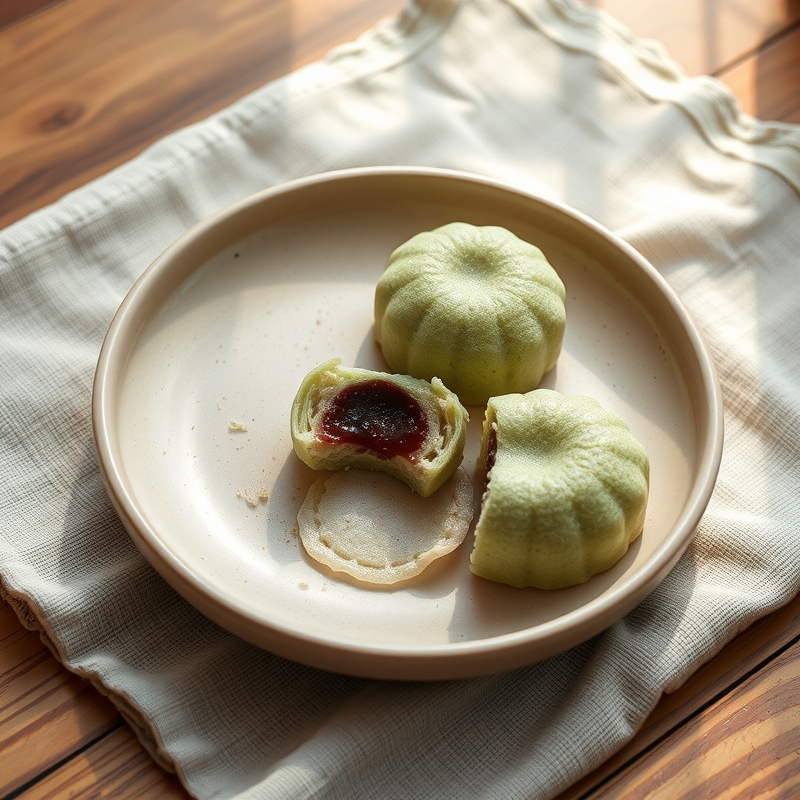
Mugwort rice cakes are Korea’s original “green” dessert — and they’ve been around for centuries before matcha became a trend. 쑥 (ssuk, mugwort) grows wild all over Korea in spring, and its deep herbal flavor is completely different from the grassy sweetness of matcha. Walk past any traditional market in April and you’ll spot these — jade-green rounds filled with sweet red bean paste.
This is the most involved recipe on the list, but still manageable:
- Blanch fresh mugwort leaves in boiling water for 30 seconds, then shock in ice water
- Blend the mugwort into a paste with a splash of water
- Mix 2 cups of glutinous rice flour (찹쌀가루) with the mugwort paste and enough warm water to form a smooth dough
- Flatten small portions, fill with sweetened red bean paste (팥소), and seal into rounds
- Steam for 15-20 minutes on parchment-lined steamer
If you can’t find fresh mugwort, dried mugwort powder works — use about 2 tablespoons per 2 cups of rice flour. The color will be slightly less vivid, but the flavor holds up well.
5. 미나리무침 (Minari-muchim) — Water Parsley Salad
미나리 (minari) went global after the 2020 Oscar-winning film, but most people still don’t know how to actually cook with it. In Korea, it’s been a beloved spring ingredient long before Hollywood discovered it. Water parsley has a clean, celery-like crunch with a mild peppery finish — nothing like regular parsley.
The classic preparation is a simple blanched salad:
- Blanch minari stems in boiling water for exactly 30 seconds (not longer)
- Immediately transfer to ice water to stop cooking
- Cut into 2-inch pieces and squeeze out excess water
- Dress with soy sauce, sesame oil, minced garlic, sesame seeds, and a touch of gochugaru
Without the ice bath, minari turns olive-drab and loses its snap. That 30-second blanch is the entire technique — it’s the difference between a vibrant, crunchy banchan and a sad pile of overcooked stems. Korean cooks sometimes add this to kimchi jjigae in the last minute of cooking for a fresh spring accent.
6. 두릅튀김 (Durub Twigim) — Angelica Tree Shoot Tempura
두릅 (durub) is the Korean spring ingredient that even most Korean food enthusiasts outside Korea have never tried. These tender shoots from the angelica tree have a slightly bitter, almost nutty flavor that’s considered a delicacy. In Korean markets, durub commands premium prices — around ₩15,000-20,000 per small bundle (roughly $11-15) — because the harvest window is tiny.
Tempura is the most popular preparation, and for good reason: the light, crispy batter contrasts perfectly with the soft, fragrant shoot inside.
- Trim the woody base of each shoot and peel any tough outer layers
- Make a light batter: ½ cup flour, ½ cup ice-cold sparkling water, a pinch of salt
- Dip each shoot in batter and fry in 170°C (340°F) oil for about 2 minutes
- Drain on a wire rack (not paper towels — they trap steam and kill crispness)
- Serve with a dipping salt: mix fine sea salt with a pinch of ground black pepper
The secret Korean cooks know: keep the batter cold and lumpy. Overmixed, room-temperature batter creates a thick, bready coat. You want it barely combined, with visible flour streaks. If you’ve made Japanese tempura before, the same rules apply — but durub’s flavor is entirely its own.
7. 봄나물비빔밥 (Bom-namul Bibimbap) — Spring Greens Bibimbap
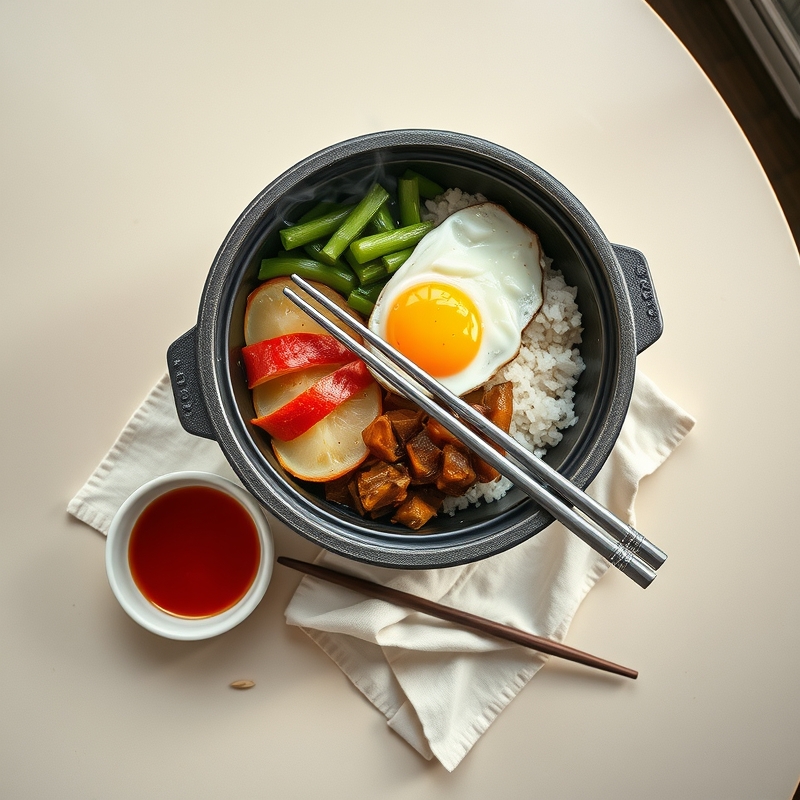
Spring bibimbap isn’t regular bibimbap with a seasonal label — it’s a fundamentally different dish that uses the season’s bounty as the main event. Instead of the usual spinach-carrot-zucchini combination, you load the bowl with three to five different spring namul, each prepared separately. The result is a bowl where every bite tastes slightly different.
Here’s how Korean home cooks build it:
- Cook short-grain rice (ideally in a stone pot, 돌솥, for crispy bottom)
- Prepare 3-5 spring namul separately: blanched minari, seasoned dallae, sautéed naengi, blanched ssuk tips, and seasoned gosari (fernbrake) if available
- Arrange each namul in its own section over the hot rice
- Top with 1 tablespoon of gochujang and 1 teaspoon of sesame oil
- Add a fried egg on top and mix everything together before eating
Instead of a 45-minute bibimbap production, this version takes about 30 minutes if you prep the namul while the rice cooks. The real trick: season each green differently so you get contrast in every bite. One with soy and sesame, another with just salt and garlic, a third with gochugaru heat. That layering is what separates a good bibimbap from a great one.
CJ Haechandle Gochujang (Korean Red Pepper Paste)
Gochujang is the soul of bibimbap — this CJ version is what most Korean households actually stock. It has that perfect balance of heat, sweetness, and fermented depth that makes spring bibimbap come alive.
(paid link) See Why Reviewers Love This →
Korean Spring Recipes Comparison: Which One Should You Try First?
| Feature | 달래무침 (Wild Chive Salad) | 봄나물비빔밥 (Spring Bibimbap) | 두릅튀김 (Angelica Tempura) |
|---|---|---|---|
| Total Time | 10 minutes | 30 minutes | 25 minutes |
| Ingredient Count | 6 | 10-12 | 5 |
| Skill Level | Absolute beginner | Comfortable home cook | Intermediate (frying) |
| Serves As | Side dish only | Complete meal | Appetizer or snack |
| Ingredient Availability (Outside Korea) | Moderate (Asian grocery) | Good (substitutes work) | Hard to find |
| Reheats Well? | No — eat immediately | Yes — next-day leftovers are great | No — batter goes soggy |
| Wow Factor | Subtle, elegant | Visually stunning, crowd-pleaser | Unique, conversation starter |
| Approximate Cost | Around $3-5 | Around $8-12 | Around $12-18 |
The spring bibimbap is the clear winner for most home cooks — it’s a full meal, impressive-looking, forgiving with substitutions, and the leftovers hold up. The wild chive salad is the lowest-effort starting point if you want to dip your toe in. Angelica tempura is for when you find the ingredient and want to treat yourself.
Frequently Asked Questions
What happens if I can’t find Korean spring greens at my local store?
Frozen and dried versions of naengi, ssuk, and minari are available at most Korean grocery stores year-round. Frozen namul works well in soups and bibimbap. For salads like dallae-muchim, regular chives are a reasonable substitute — the flavor will be milder, but the technique is identical. H Mart and other Korean supermarkets typically stock frozen spring greens in the banchan ingredients section.
Can I make Korean spring recipes without fish sauce or anchovy broth?
Yes — many Korean spring dishes are naturally vegetarian or easily adapted. For doenjang soup, use kelp (다시마) and dried shiitake broth instead of anchovy. For dressings that call for fish sauce, substitute with soy sauce plus a tiny pinch of sugar. The flavor profile shifts slightly, but the dishes still work beautifully.
How do Koreans store leftover spring greens?
Most Korean spring greens keep for 2-3 days wrapped in damp paper towels inside a sealed container in the refrigerator. However, dressed namul (like dallae-muchim) should be eaten immediately. Blanched and undressed greens store better — prepare them ahead, keep them plain in the fridge, and dress right before serving. You can also blanch and freeze spring greens for up to 3 months.
What’s the difference between regular bibimbap and spring bibimbap?
Spring bibimbap (봄나물비빔밥) uses seasonal wild greens as the primary toppings instead of the standard year-round vegetables. Regular bibimbap typically features spinach, bean sprouts, carrots, and zucchini. Spring bibimbap showcases naengi, dallae, minari, ssuk, and other foraged or seasonal greens — each with a distinct flavor that you can’t get any other time of year.
Are Korean spring greens safe to forage myself?
Only if you can confidently identify the plant — several edible Korean spring greens have toxic look-alikes. 미나리 (minari) in particular can be confused with poisonous hemlock water dropwort. Korean foragers learn identification from family members over years. If you’re new to foraging, buy from a trusted market instead. The identification differences between minari and its toxic relatives are subtle enough that even experienced foragers exercise caution.
Key Takeaways
- Korean spring cooking follows 절기 (jeolgi), a centuries-old seasonal calendar — these recipes aren’t trends, they’re traditions that Korean families repeat every year
- 봄나물 (bom-namul, spring wild greens) are available for only a few weeks each spring in Korea, which is why these dishes feel special and seasonal
- Most Korean spring recipes take under 20 minutes and use pantry staples you likely already have if you cook Korean food (doenjang, gochugaru, sesame oil, soy sauce)
- Geotjeori (quick kimchi) is not the same as fermented kimchi — it’s a fresh, instant preparation that showcases spring cabbage’s natural sweetness
- Spring bibimbap is the single best entry point for trying multiple spring greens in one meal — and it works with whatever seasonal greens you can find
- Frozen and dried spring greens from Korean grocery stores are a legitimate year-round alternative when fresh options aren’t available
Tonight, pick up a bundle of minari or wild chives from your nearest Korean grocery store. Blanch them for 30 seconds, toss with sesame oil and soy sauce, and serve alongside whatever you’re already cooking — that one banchan will change how you think about spring vegetables.
This article contains affiliate links. If you purchase through these links, we may earn a small commission at no extra cost to you. We only recommend products we genuinely believe in.