In Korea, vegetarian soup isn’t a compromise — it’s a centuries-old tradition rooted in Buddhist temple kitchens that predates most Western plant-based trends by about 1,700 years. The secret? Korean cooks build deep, savory flavor from fermented pastes, dried seaweed, and mushroom stocks — not by imitating meat, but by making vegetables the entire point. These 7 Korean soup recipes vegetarian cooks rely on aren’t “adapted” versions of meat dishes. They’re the originals.
Most Korean vegetarian soup recipes floating around English-language food blogs are afterthoughts — a beef-based recipe with the beef swapped out. That approach misses what makes Korean soups genuinely satisfying without meat: layers of umami from doenjang (fermented soybean paste), dashima (dried kelp), and dried shiitake mushrooms. Once you learn this base, you can make dozens of Korean soups without ever reaching for a bouillon cube.
Why Korean Vegetarian Soups Taste Better Than You’d Expect
Korean temple cuisine — 사찰음식 (sachal eumsik) — is one of the world’s oldest and most refined plant-based culinary traditions. For over a thousand years, Buddhist monks in Korean mountain temples have cooked without meat, garlic, green onions, or chives (the five pungent vegetables, 오신채/osinchae). Instead, they developed techniques for extracting maximum flavor from seasonal vegetables, wild herbs, and fermented ingredients.
This isn’t niche history. In 2009, Korean temple food was featured at the Smithsonian Institution’s food culture exhibition, and the Korean government’s temple food promotion program has since trained chefs worldwide. The late Venerable Seonjae, a Buddhist nun, earned a Michelin star at her temple food restaurant in Seoul — cooking entirely without meat or the five pungent roots.
But you don’t need to be a monk to benefit. Everyday Korean home cooking already leans heavily on plant-based soups. In most Korean households, soups like 콩나물국 (kongnamul-guk, soybean sprout soup) or 된장찌개 (doenjang-jjigae, fermented soybean paste stew) show up multiple times a week — and many versions are naturally vegetarian. If you’ve been eating Korean breakfast soup or simple rice-and-soup meals, you’ve likely already had a vegetarian Korean soup without realizing it.
Before You Start: The Korean Vegetarian Soup Pantry
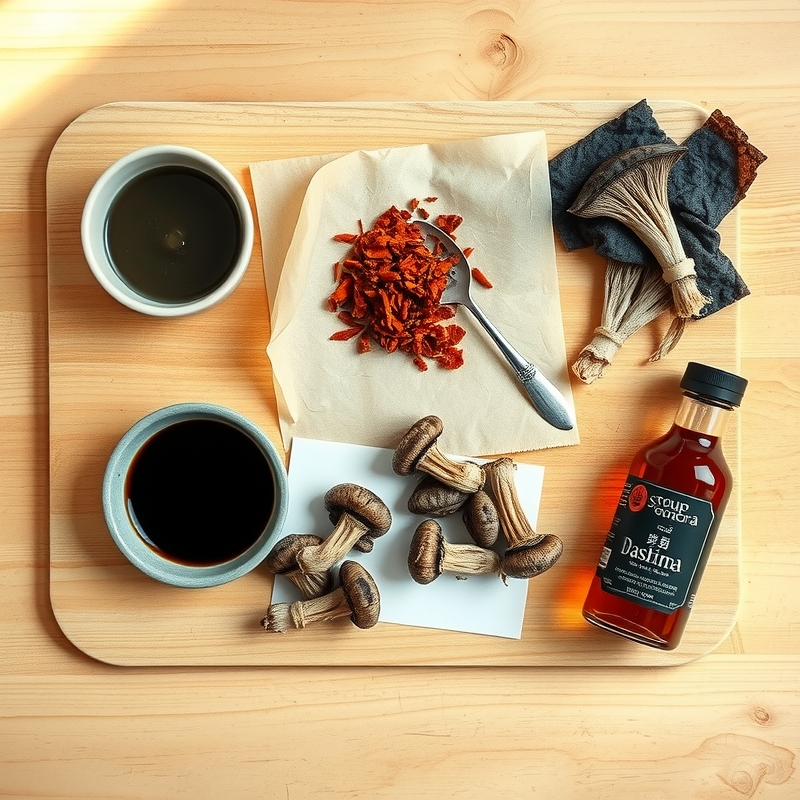
Without these five ingredients, your Korean vegetarian soups will taste flat — with them, you won’t miss meat at all. Stock your pantry once, and you’ll be able to make every recipe in this guide plus dozens more easy Korean soup recipes for months.
The Non-Negotiable Five
- 된장 (doenjang, fermented soybean paste) — The backbone of Korean flavor. Unlike Japanese miso, doenjang is chunkier, funkier, and more aggressive. It’s fermented for months to years. Research published in the National Library of Medicine has documented antioxidant and anti-inflammatory compounds in traditional Korean fermented soybean paste.
- 국간장 (guk-ganjang, soup soy sauce) — This is NOT regular soy sauce. Soup soy sauce is lighter in color but saltier, and it seasons soups without turning the broth dark. Most Korean grandmothers would side-eye you for using regular soy sauce in a clear soup.
- 다시마 (dashima, dried kelp) — A 6-inch square simmered in water for 20 minutes gives you a savory, mineral-rich stock. Remove it before it gets slimy. This is non-negotiable for vegetarian Korean cooking.
- 건표고버섯 (dried shiitake mushrooms) — Soak in cold water overnight, and you get both rehydrated mushrooms AND a deeply flavorful stock. Double purpose, zero waste.
- 고추가루 (gochugaru, Korean red pepper flakes) — Not the same as crushed red pepper. Gochugaru is smoky, slightly sweet, and not just about heat. It gives jjigae that signature ruddy color.
Building Your Base Stock (채수/chaesu)
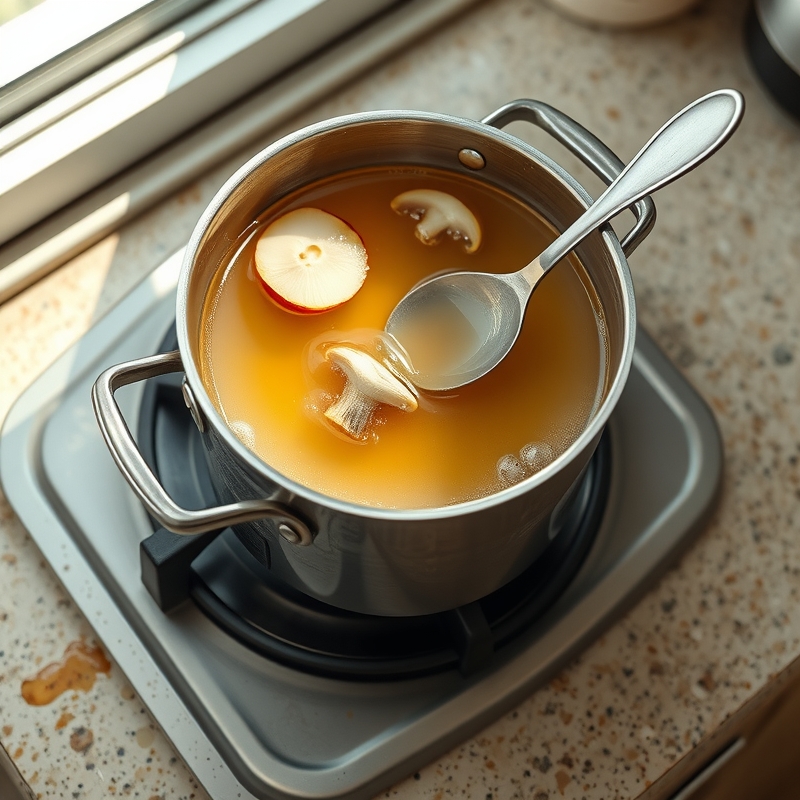
Every Korean vegetarian soup starts with 채수 (chaesu) — vegetable stock. Here’s the version most Korean home cooks use:
- 6 cups water
- 1 piece dashima (about 4×4 inches)
- 4-5 dried shiitake mushrooms
- 1 medium onion, halved
- 4-5 dried anchovies replaced with 1 tablespoon dried soybean sprouts (for strict vegetarian)
- Optional: 1 dried jujube, a few peppercorns
Bring everything to a gentle boil, reduce heat, simmer 20 minutes, strain. This stock keeps in the fridge for up to 5 days. Make a big batch on Sunday — you’ll use it all week.
7 Korean Soup Recipes Vegetarian Cooks Should Master
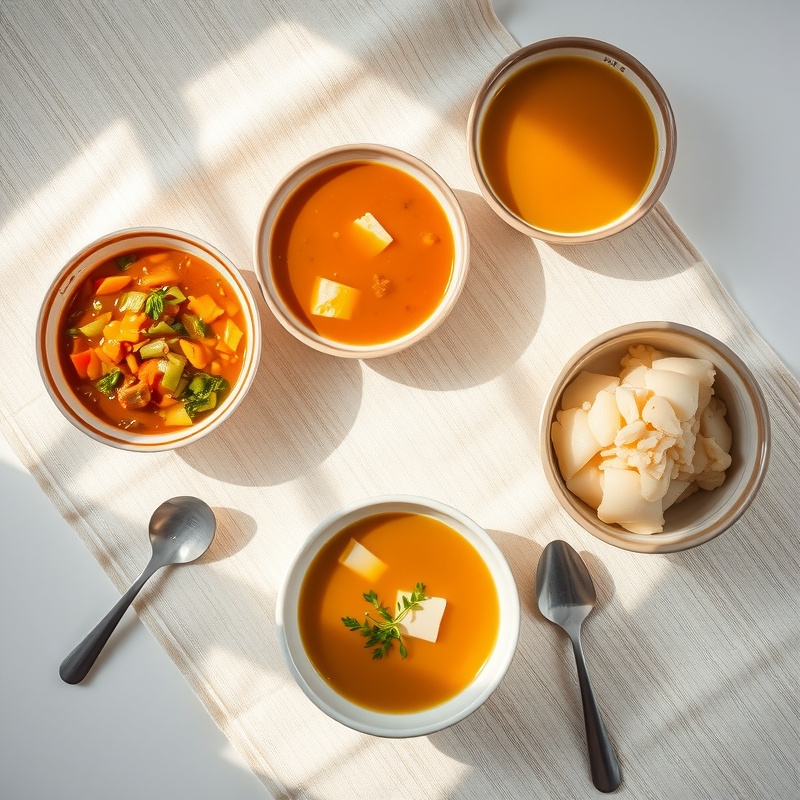
1. 된장찌개 (Doenjang-Jjigae) — Fermented Soybean Paste Stew
If you master one Korean vegetarian soup, make it this one. Doenjang-jjigae is what most Koreans eat several times a week — it’s comfort food at its most fundamental. Without the anchovy stock, the vegetarian version relies entirely on dashima-mushroom stock, and honestly? Many Koreans prefer it this way.
- 2 tablespoons doenjang
- 1 small zucchini, diced
- 1 small potato, diced
- ½ block firm tofu, cubed
- 2 green chili peppers, sliced
- 1 green onion, chopped
- 2.5 cups chaesu (vegetable stock)
Dissolve doenjang into simmering stock. Add potato first (it takes longest), then zucchini and tofu. Simmer 12-15 minutes until potato is tender. Add peppers and green onion in the last minute. Serve bubbling in an earthenware pot (뚝배기/ttukbaegi) with rice on the side.
2. 콩나물국 (Kongnamul-Guk) — Soybean Sprout Soup
This is the soup Korean families make when someone has a cold, a hangover, or just needs something warm in 15 minutes flat. It’s almost absurdly simple, but that simplicity is the point. The soybean sprouts release their own mild, nutty broth as they cook.
- 200g soybean sprouts (not mung bean — these have yellow heads)
- 3 cups water or chaesu
- 1 teaspoon soup soy sauce (guk-ganjang)
- 1 teaspoon minced garlic
- Salt to taste
- Chopped green onion, sesame seeds for garnish
Critical rule: do NOT open the lid while this cooks. Soybean sprouts release an enzyme that creates an off-smell if exposed to air during cooking. Add sprouts to cold water, cover, bring to a boil, and simmer 10 minutes with the lid sealed. Season, garnish, done. Koreans learn this rule from their mothers, and breaking it is a minor kitchen sin.
3. 순두부찌개 (Sundubu-Jjigae) — Soft Tofu Stew
Most sundubu-jjigae at Korean restaurants comes with seafood or pork, so many people don’t realize the vegetarian version is arguably the original temple-style preparation. The silky, custard-like tofu and the spicy broth do all the heavy lifting.
- 1 tube/package soft (uncurdled) tofu — around 300g
- 1 tablespoon gochugaru
- 1 teaspoon sesame oil
- ½ small onion, diced
- 1 small zucchini, sliced
- 2 shiitake mushrooms, sliced
- 2 cups chaesu
- 1 teaspoon soup soy sauce
Sauté onion in sesame oil, add gochugaru and stir 30 seconds (don’t burn it). Pour in stock, add vegetables, simmer 8 minutes. Gently slide in soft tofu — don’t stir too much or it breaks apart. Simmer 5 more minutes. Some people crack an egg on top at the end, but for a vegan version, skip it — the tofu is already rich enough.
4. 미역국 (Miyeok-Guk) — Seaweed Soup
Koreans eat this soup on birthdays — every single birthday, every year, for their entire life. It’s also the soup new mothers eat for weeks postpartum because seaweed is rich in iodine and minerals. The National Institutes of Health notes that seaweed is one of the most concentrated natural food sources of iodine, a nutrient essential for thyroid function.
- 15g dried miyeok (wakame seaweed), soaked and cut into pieces
- 1 tablespoon sesame oil
- 1 tablespoon soup soy sauce
- 4 cups chaesu
- 1 teaspoon minced garlic
- Salt to taste
Sauté soaked seaweed in sesame oil for 2-3 minutes — this step is what separates good miyeok-guk from bland ones. Add stock, soy sauce, and garlic. Simmer 20 minutes until the seaweed is silky and the broth is slightly viscous. The traditional beef version is more common, but sesame oil gives the vegetarian version a toasty depth that honestly stands on its own.
5. 호박죽 (Hobak-Juk) — Sweet Pumpkin Porridge
This golden, velvety porridge is naturally vegan — no adaptation needed. It’s served in Korean restaurants as a starter course and in homes when someone needs gentle, easy-to-digest food. The sweetness comes entirely from the pumpkin itself.
- 300g kabocha or butternut squash, peeled and cubed
- 3 cups water
- 2 tablespoons sweet rice flour (찹쌀가루) mixed with 3 tablespoons water
- 1 tablespoon sugar (optional — taste first)
- Pinch of salt
- Small rice cake balls (새알심/saealshim) for garnish — optional
Boil squash until completely soft, about 20 minutes. Blend until smooth (or mash for a chunkier texture). Return to pot, stir in the rice flour slurry, and cook while stirring for 5 minutes until thickened. The porridge should coat the back of a spoon. Add salt and sugar only after tasting — good kabocha squash is sweet enough on its own.
6. 버섯전골 (Beoseot-Jeongol) — Mushroom Hot Pot
This is the soup you make when you want to impress someone without telling them it’s vegetarian. Jeongol is a communal hot pot — traditionally cooked at the table — and the mushroom version is so savory that meat-eaters rarely notice anything is missing.
- Mixed mushrooms: king oyster, enoki, shiitake, beech (about 300g total)
- ½ block firm tofu, sliced
- 1 small zucchini, sliced
- 1 carrot, sliced thin
- 2 green onions, cut into 3-inch pieces
- 4 cups chaesu
- 1 tablespoon soy sauce
- 1 tablespoon minced garlic
Arrange everything in a wide, shallow pot in sections — Koreans are visual about their jeongol, and presentation matters. Pour stock around the edges, bring to a gentle boil. The mushrooms release liquid as they cook, making the broth richer by the minute. This feeds 2-3 people and takes about 20 minutes from start to table.
7. 감자국 (Gamja-Guk) — Potato Soup
The most underrated soup in Korean home cooking. Gamja-guk is what Korean moms make on nights when the fridge is nearly empty — and somehow it still tastes deeply comforting. It’s mild, clean, and perfect alongside spicier side dishes.
- 2 medium potatoes, cubed
- ½ small onion, sliced
- 1 green onion, chopped
- 3 cups chaesu
- 1 teaspoon soup soy sauce
- 1 teaspoon minced garlic
- Salt and pepper to taste
Bring stock to a boil, add potatoes and onion. Simmer until potatoes are just tender, about 12 minutes — don’t overcook or they’ll disintegrate. Season with soup soy sauce and garlic, add green onion at the end. Some cooks add a beaten egg for richness, but the pure potato version is the one Korean grandmothers default to. It’s humble, and that’s the point.
Korean Vegetarian Soup Recipes Compared: Which One to Make First
| Soup | Prep + Cook Time | Difficulty | Flavor Profile | Best For |
|---|---|---|---|---|
| 된장찌개 (Doenjang-Jjigae) | 25 minutes | Easy | Deep, funky, savory | Everyday comfort meal |
| 콩나물국 (Kongnamul-Guk) | 15 minutes | Beginner | Light, nutty, clean | Quick weeknight dinner |
| 순두부찌개 (Sundubu-Jjigae) | 25 minutes | Easy | Spicy, silky, bold | When you want heat |
| 미역국 (Miyeok-Guk) | 30 minutes | Easy | Mild, mineral, toasty | Birthdays, postpartum, restorative |
| 호박죽 (Hobak-Juk) | 35 minutes | Beginner | Sweet, velvety, gentle | Breakfast, gentle meals, dessert |
| 버섯전골 (Beoseot-Jeongol) | 30 minutes | Medium | Rich, earthy, complex | Impressing dinner guests |
| 감자국 (Gamja-Guk) | 20 minutes | Beginner | Mild, starchy, clean | When the fridge is almost empty |
Start with 콩나물국 if you’re brand new — it takes 15 minutes, requires almost no technique, and teaches you the light, clean broth style that defines Korean home cooking. Graduate to 된장찌개 once you’ve got doenjang in your pantry — it’s the most versatile soup here and the one you’ll make most often.
Korean Pantry Essentials for Vegetarian Soups
You don’t need a Korean grocery store for most of these — but the right brands make a genuine difference. Here are the staples Korean home cooks actually use.
Sempio Doenjang (Fermented Soybean Paste) — the standard paste in most Korean kitchens, around $7-10 for a tub that lasts months
Sempio Doenjang — Korean Fermented Soybean Paste
This is the umami base of nearly every soup in this guide. One spoonful dissolved into hot stock transforms plain water into something that tastes like it simmered for hours.
(paid link) Check Availability & Reviews →
CJ Haechandle Gochugaru — the exact brand most Korean households use, under $10
CJ Haechandle Gochugaru — Korean Red Pepper Flakes
Regular crushed red pepper won’t give you the smoky sweetness that makes jjigae taste authentically Korean. This is the difference between “close enough” and “that’s it.”
(paid link) See Why Reviewers Love This →
Ottogi Dried Kelp (Dashima) — one bag makes 20+ batches of stock for under $8
Ottogi Dried Kelp — Dashima for Korean Stock
This single ingredient replaces chicken and beef broth in every Korean vegetarian recipe. Twenty minutes of simmering gives you a clean, mineral-rich base that makes everything else taste better.
(paid link) View Current Price →
Frequently Asked Questions
What happens if I use regular soy sauce instead of Korean soup soy sauce (국간장)?
Your soup broth will turn dark brown and taste heavier than intended. Korean soup soy sauce is lighter in color and saltier by volume, so it seasons clear broths without changing their appearance. If you can’t find guk-ganjang, use a small amount of regular soy sauce diluted with a pinch of salt — but the results won’t be identical.
Are Korean soups vegan-friendly or just vegetarian?
All 7 recipes in this guide can be made fully vegan. The only non-vegan addition in some variations is a cracked egg on top of sundubu-jjigae — simply skip it. However, watch your kimchi if you’re adding it as a side: most store-bought kimchi contains fish sauce or fermented shrimp (젓갈/jeotgal). Look for labels that specifically say 채식 (chaeshik, vegetarian) or make your own without seafood ingredients.
Can I make Korean vegetarian soup without a Korean grocery store?
Yes — doenjang and gochugaru are available on Amazon, and most Asian grocery stores carry dashima and dried shiitake. The only ingredient that truly requires a Korean store is guk-ganjang (soup soy sauce), and even that can be ordered online. Soybean sprouts are increasingly available at regular supermarkets like Whole Foods and H Mart.
What’s the difference between Korean jjigae and guk?
국 (guk) is a lighter, brothier soup meant to be eaten with rice; 찌개 (jjigae) is thicker, more intensely flavored, and served bubbling in a stone pot. Think of guk as everyday hydration alongside your meal, while jjigae is the star dish. Both are served at nearly every Korean meal, but jjigae uses more paste, more ingredients, and simmers longer.
How do I store leftover Korean soup?
Most Korean soups keep in the fridge for 3-4 days and actually taste better the next day as the flavors meld together. Doenjang-jjigae and sundubu-jjigae in particular develop deeper flavor overnight. Store in airtight containers, reheat on the stove (not the microwave — it heats unevenly and can make tofu rubbery). The one exception is kongnamul-guk: soybean sprouts get soggy after a day, so eat that one fresh.
Key Takeaways
- Korean vegetarian soup recipes aren’t adaptations — many are the original versions, rooted in a 1,700-year Buddhist temple food tradition that predates modern plant-based trends.
- Five pantry staples (doenjang, guk-ganjang, dashima, dried shiitake, gochugaru) are all you need to make dozens of authentic Korean vegetarian soups at home.
- The dashima-mushroom stock (채수/chaesu) is the foundation — learn it once and every soup in this guide becomes a 15-30 minute meal.
- 콩나물국 takes just 15 minutes and is the perfect beginner recipe — but don’t lift the lid while it simmers, or you’ll regret it.
- Most Korean soups taste better the next day, making them ideal for meal prep. Cook a big pot on Sunday and eat all week with fresh rice.
- Watch your kimchi for hidden seafood ingredients — most commercial kimchi contains fish sauce or fermented shrimp. Look for 채식 (chaeshik) on the label.
Tonight, try the simplest recipe here: boil 200g of soybean sprouts in 3 cups of water with the lid sealed for 10 minutes, season with a teaspoon of soup soy sauce, and eat it with a bowl of hot rice. That’s a real Korean dinner — and it took you less time than ordering delivery.
This article contains affiliate links. If you purchase through these links, we may earn a small commission at no extra cost to you. We only recommend products we genuinely believe in.
You Might Also Like
- Learn Korean for Beginners: 5 Mistakes That Waste Months
- 7 Korean Glass Skin Products That Actually Work
- Korean High-Protein Meal Prep: 3 Surprising Methods Compared