Quick Answer: Most body care routines fail because they moisturize damaged skin barrier instead of fixing it first. Korean body care tips focus on exfoliation timing, water temperature, and layered hydration — in that order. Here’s what you need to know:
- Koreans exfoliate the body before moisturizing — not after, not randomly
- Hot showers strip more moisture than skipping lotion entirely
- Body lotion applied to damp skin absorbs significantly better than on dry skin
- The 때밀이 (ttaemiri) exfoliating mitt is a $2 tool that outperforms most body scrubs
- A 3-step Korean body routine takes under 7 minutes
A friend visiting Seoul went to a 찜질방 (jjimjilbang, Korean bathhouse) for the first time. She came out stunned — not by the saunas, but by how soft her skin felt for three full days afterward without applying a single product. She’d been spending $40 a month on body lotions. The Korean women around her had spent $2 on an exfoliating mitt and warm water.
That’s the gap this article closes. You’re probably doing 3-4 things that silently wreck your body’s skin, and 5 Korean body care tips can fix all of them — starting tonight.
Signs Your Body Care Routine Is Failing You
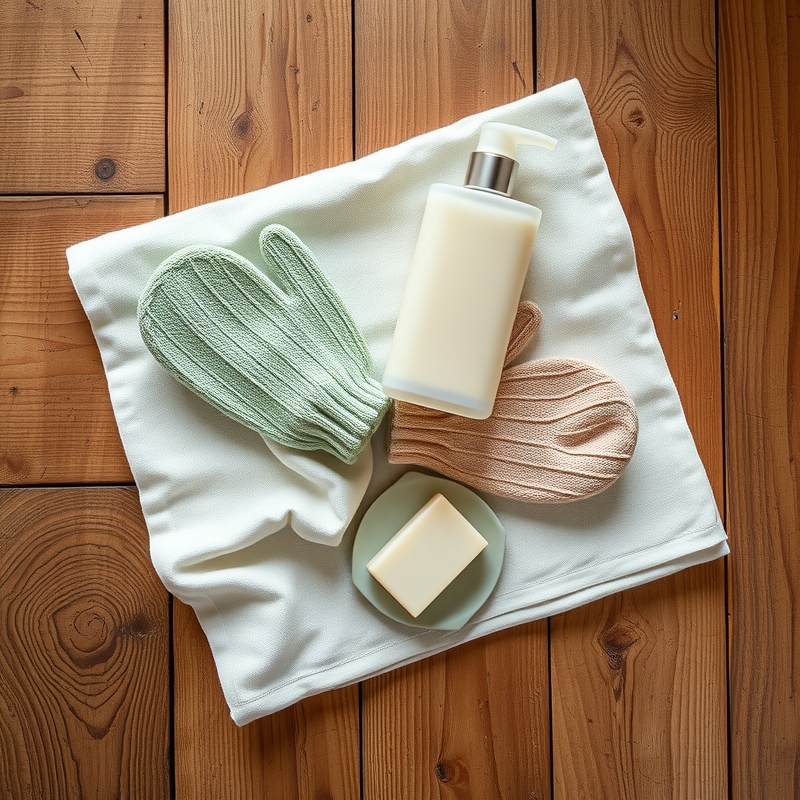
If your skin feels tight within 30 minutes of showering, your routine is actively damaging your skin barrier. Most people blame dry skin on genetics or weather. The real problem is almost always the routine itself.
Here’s a quick self-check. If you recognize three or more of these, keep reading:
- Your legs look ashy or flaky even after applying lotion
- Your upper arms have small rough bumps (keratosis pilaris) that won’t go away
- Body lotion sits on top of your skin instead of sinking in
- You feel itchy after hot showers, especially in winter
- Your elbows, knees, or heels are perpetually rough
- You’ve tried “moisturizing” body washes and noticed zero difference
- Your skin looks dull from the neck down compared to your face
If that list felt personal, you’re not alone. The issue isn’t that you’re lazy with body care. It’s that Western body care routines skip the foundational step that Korean routines are built on: proper exfoliation before hydration.
The American Academy of Dermatology recommends moisturizing immediately after bathing — but rarely addresses why many people’s skin still feels rough even when they do. The answer lies in what happens before that moisturizer goes on.
5 Korean Body Care Mistakes Wrecking Your Skin
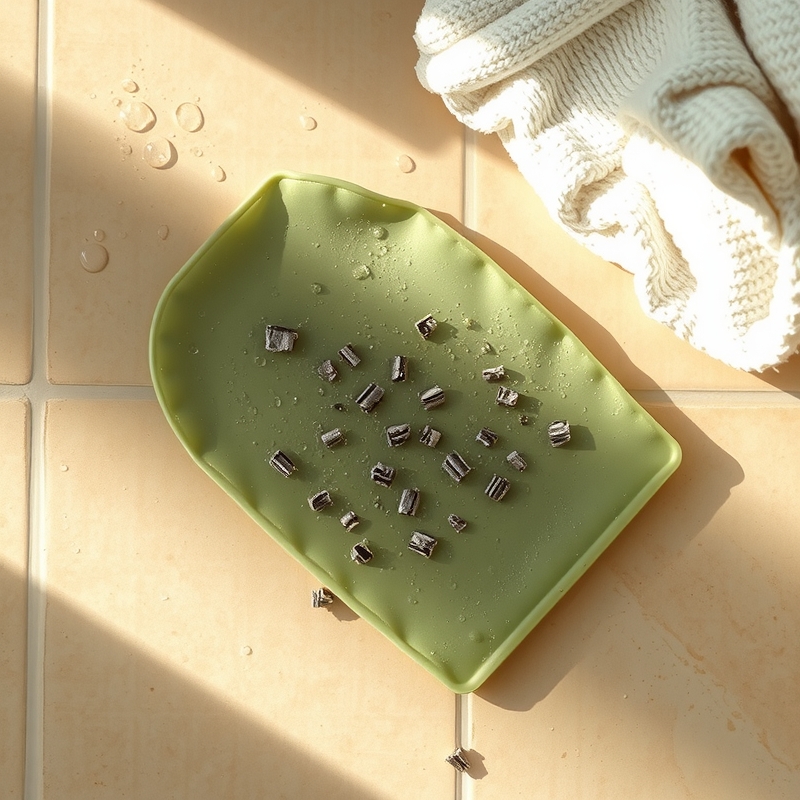
The biggest mistake isn’t what you’re skipping — it’s what you’re doing in the wrong order. Korean body care philosophy treats the body with the same precision as the face. Most Western routines treat everything below the chin as an afterthought.
Mistake 1: Showering Too Hot
That steaming-hot shower you love? It strips your skin’s natural oils faster than any harsh soap. Korean bathhouse culture uses warm — not hot — water for cleansing, saving heat only for brief soaking. The difference between 38°C and 42°C water is the difference between softening dead skin and stripping your lipid barrier.
Without that lipid layer, every product you apply afterward is just sitting on damaged skin. You’re essentially moisturizing a wall instead of a sponge.
Mistake 2: Using Body Wash Like Face Cleanser
Most people lather body wash head to toe every single shower. Korean body care takes a different approach: full-body wash only 2-3 times per week, with daily focus only on areas that actually need it (underarms, feet, groin). The rest of your skin doesn’t need daily stripping.
Over-cleansing is the silent destroyer of body skin. Your forearms and shins aren’t producing significant oil or odor. Soaping them daily is solving a problem that doesn’t exist.
Mistake 3: Skipping Exfoliation Entirely
Here’s where the gap widens. Korean body care considers exfoliation non-negotiable — not optional, not “when I remember.” Dead skin cells accumulate on the body even faster than on the face because body skin is thicker. When you skip exfoliation, you’re moisturizing on top of a layer of dead cells. That’s why your lotion doesn’t absorb.
Mistake 4: Exfoliating With Sugar Scrubs
Sugar and salt scrubs feel satisfying but they create micro-tears and dissolve before they do meaningful work. The Korean alternative — a viscose exfoliating mitt used on soaked, warm skin — physically rolls away dead skin in visible strips without tearing live skin underneath. It’s not glamorous. It is dramatically more effective.
Mistake 5: Applying Lotion on Dry Skin
This is the most common Korean body care tip that people outside Korea overlook. Moisturizer goes on within 3 minutes of stepping out of the shower, while skin is still damp. Damp skin acts like a sponge — the water on your skin helps the moisturizer spread thinner and absorb deeper. Research on skin barrier function and ceramide-based moisturizers consistently shows that occluding damp skin locks in significantly more hydration than applying product to dry skin.
Korean women pat — not rub — lotion onto damp skin. Rubbing creates friction. Patting presses product into the surface without disrupting the moisture layer.
목욕 Culture: Where Korean Body Care Tips Actually Come From
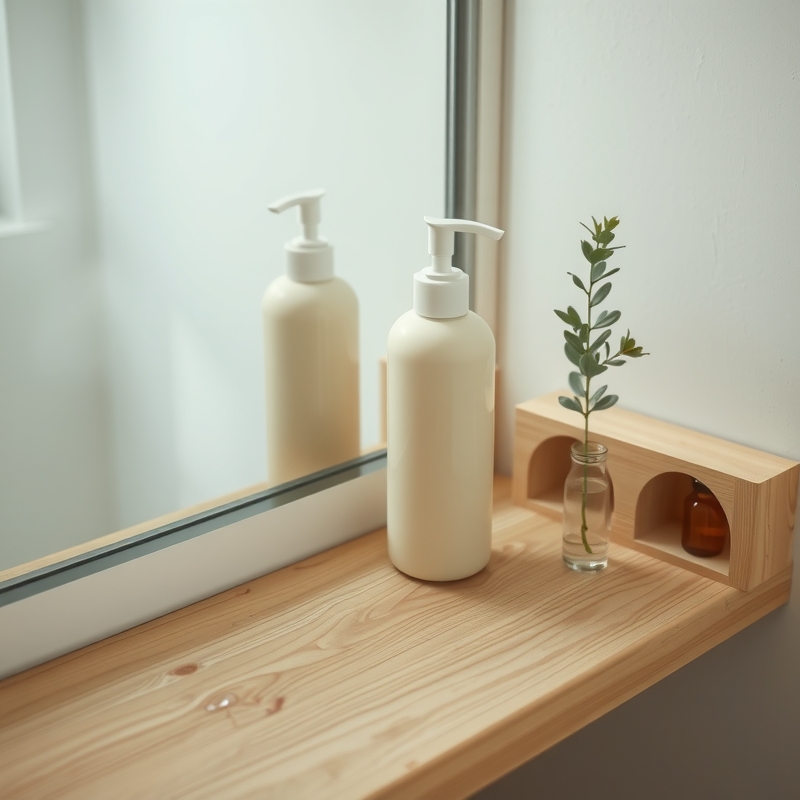
Korean body care isn’t a trend — it’s a bathhouse tradition called 목욕 (mogyok) that predates modern skincare by centuries. To understand why these tips work, you need to understand where they were born.
Every Korean neighborhood has a 목욕탕 (mogyoktang), a public bathhouse. Families go weekly. Grandmothers bring their grandchildren. It’s not a spa day — it’s routine hygiene, like going to the dentist.
Inside, the ritual follows a specific sequence that hasn’t changed in generations:
- Soak in warm water for 15-20 minutes to soften the skin
- 때밀이 (ttaemiri) — scrub the entire body with a coarse viscose mitt until dead skin rolls off in gray strips (Koreans call these rolls 때, meaning “grime”)
- Rinse thoroughly with warm water
- Moisturize immediately while the skin is still wet
The 때밀이 mitt — a thin, rough washcloth usually green or pink — costs about 1,000-2,000 won (around $1-2). Walk into any Korean convenience store, supermarket, or 다이소 (Daiso) and you’ll find stacks of them. No Korean household is without one.
This isn’t some wellness influencer’s invention. Korean dermatologists generally recommend this exfoliation method for body skin because the viscose material provides consistent, controlled friction without the unpredictable abrasion of chemical-laden scrubs. The key is that skin must be thoroughly soaked first — at least 10 minutes in warm water. Dry-scrubbing with a 때밀이 does nothing except irritate.
There’s a reason Korean women are known for having smooth, even-toned body skin. It’s not expensive products. It’s this $2 mitt, warm water, and a routine that treats body skin as seriously as face skin.
The Korean Body Care Routine You Can Start Tonight
You don’t need a bathhouse. You need a mitt, a moisturizer, and 7 minutes. Here’s the adapted Korean body care routine for a home shower — no 찜질방 required.
Step 1: Warm Shower Soak (3-5 minutes)
Let warm (not hot) water run over your body. If you have a bathtub, a 10-minute soak is even better. The goal is softening the outer layer of dead skin so the mitt can work. Skip this step and you’ll just be rubbing raw skin painfully.
Step 2: 때밀이 Exfoliation (2-3 minutes, 1-2x per week)
Wet the mitt, wring it out so it’s damp but not dripping. Using medium pressure — firm enough to feel friction, gentle enough that it doesn’t hurt — scrub in long strokes along your arms, legs, and torso. You’ll see gray rolls of dead skin appear. That’s normal. That’s the point.
Skip sensitive areas (face, neck, chest if you’re prone to irritation). Focus on upper arms, thighs, calves, and the back of your shoulders — areas where dead skin accumulates fastest.
Step 3: Gentle Cleanse (1 minute)
After exfoliating, use a mild body wash only on areas that need it. A formula with ceramides or low pH works best because it cleans without stripping the freshly revealed skin. Lather with your hands, not the mitt — the mitt’s job is done.
Step 4: Damp-Skin Moisturizing (1 minute)
Step out, pat once with a towel so you’re damp but not dripping. Immediately apply a ceramide or shea-based body lotion. Pat it on, don’t rub. Your newly exfoliated skin will absorb it like it never has before. The difference after the first time is genuinely startling.
On Non-Exfoliation Days
Skip the mitt. Shower in warm water, cleanse only where needed, and moisturize on damp skin. The exfoliation makes every subsequent moisturizing session more effective for days afterward.
Korean Body Care Methods Compared
| Feature | Sugar/Salt Scrub | 때밀이 (Korean Mitt) | Chemical Body Exfoliant (AHA/BHA) |
|---|---|---|---|
| Cost | $12-25 per jar | $1-3 per mitt (lasts months) | $15-30 per bottle |
| Exfoliation type | Physical + dissolves quickly | Physical, consistent friction | Chemical (acid-based) |
| Effective on body skin | Mild — dissolves before deep work | High — removes visible dead skin | Moderate — body skin is thicker than face |
| Risk of irritation | Medium (micro-tears, fragrance) | Low (when skin is pre-soaked) | Medium (sun sensitivity, stinging) |
| Frequency | 2-3x per week | 1-2x per week | 2-3x per week |
| Visible dead skin removal | No | Yes — rolls off visibly | No (dissolves chemically) |
| Requires pre-soaking | No | Yes (10+ minutes ideal) | No |
| Best for | Light maintenance | Deep exfoliation, rough/bumpy skin | Sensitive skin, KP treatment |
Notice the middle option: the Korean mitt costs the least, removes the most dead skin, and carries the lowest irritation risk when used properly. Most food blogs and beauty sites push expensive scrubs because they’re more “photogenic.” The mitt is what actually works.
Korean Exfoliating Mitt (Italy Towel)
This is the exact viscose mitt used in every Korean bathhouse — the same one Korean grandmothers have sworn by for decades. After one use on properly soaked skin, the difference in smoothness is immediate and lasts days.
Illiyoon Ceramide Ato Concentrate Cream
The body moisturizer you’ll find in most Korean households — ceramide-rich, fragrance-free, and designed for post-bath damp-skin application. One tube lasts weeks and absorbs without any greasy residue, which is why it’s a staple, not a trend.
COSRX AHA/BHA Clarifying Treatment Toner
For the days between mitt exfoliation — a gentle chemical exfoliant you can swipe on bumpy upper arms or rough patches. Korean skincare layers physical and chemical exfoliation on different days for smoother results without over-stripping.
Frequently Asked Questions
What happens if I use a Korean exfoliating mitt on dry skin?
It will irritate your skin and won’t remove dead cells effectively. The mitt requires thoroughly soaked, warm skin to work — at least 10 minutes of soaking. On dry skin, the friction just causes redness without rolling away the dead layer. Always soak first.
How often should I follow Korean body care tips for best results?
Full exfoliation 1-2 times per week, with the damp-skin moisturizing step every single shower. Over-exfoliating (daily mitt use) can damage healthy skin. The moisturizing step, however, should be non-negotiable after every wash. Most people see noticeably softer skin within the first week.
Can Korean body care help with keratosis pilaris (bumpy arms)?
Yes — regular gentle exfoliation with a Korean mitt is one of the most effective approaches for KP. Those small bumps on upper arms are caused by keratin buildup clogging hair follicles. The mitt physically clears that buildup. Pair it with a ceramide moisturizer on damp skin afterward, and most people see significant improvement within 3-4 weeks of consistent use.
Is the Korean exfoliating mitt safe for sensitive skin?
Yes, with lighter pressure and proper soaking. The mitt itself isn’t harsh — the technique matters. Use gentle, long strokes instead of scrubbing hard. If you have eczema or active inflammation, skip the mitt on those areas entirely and focus only on unaffected skin. Korean dermatologists generally advise starting once a week and adjusting based on how your skin responds.
Why do Koreans not use body wash every day?
Because daily full-body soaping strips the skin’s natural moisture barrier faster than any moisturizer can repair it. Korean body care philosophy focuses on preserving the skin’s own protective layer. Daily soap is reserved for areas that produce odor or oil. The rest of the body is rinsed with water only, which maintains the lipid barrier that keeps skin hydrated between showers.
Key Takeaways
- The Korean 때밀이 (exfoliating mitt) removes more dead skin than any sugar scrub — and costs under $3, lasting for months of weekly use
- Hot showers are the #1 hidden cause of dry body skin — switch to warm water and your moisturizer will finally start working
- Apply body lotion within 3 minutes on damp skin — this single change absorbs more hydration than doubling the amount of product on dry skin
- Full-body soap every day damages your skin barrier — Korean body care limits soap to areas that actually need daily cleansing
- Exfoliate first, then moisturize — reversing this order or skipping exfoliation means you’re moisturizing dead skin, not living skin
- Korean body care is a $5 routine, not a $50 one — a mitt and a ceramide lotion is all you need to match what Korean bathhouses have done for generations
Tonight, soak in a warm shower for 10 minutes longer than usual, then try applying your regular body lotion while your skin is still damp. Just that one change. You’ll feel the difference by morning — and you’ll understand why Korean women have been doing this their entire lives.
This article contains affiliate links. If you purchase through these links, we may earn a small commission at no extra cost to you. We only recommend products we genuinely believe in.