My mother kept a small ceramic bowl on the bathroom shelf that smelled like breakfast. Growing up in Seoul, I didn’t think anything of it — every Korean mother I knew had some version of this bowl, usually filled with leftover rice water or a paste made from whatever was already in the kitchen. It wasn’t until my late 30s, when the department-store serums started sitting on top of my skin instead of sinking in, that I finally asked her what was in it. She looked at me like I’d asked why water is wet. “뜨물 (ttimul),” she said — the milky water from rinsing rice. “I’ve been telling you since you were fifteen.” She had. I just wasn’t listening, because I was too busy believing that expensive meant effective. Now, in my 40s, I understand what Korean mothers have known all along: the most effective Korean homemade skincare recipes use 3-5 kitchen ingredients that work WITH aging skin, not against it — and they cost almost nothing.
The Bathroom Shelf That Smelled Like a Kitchen
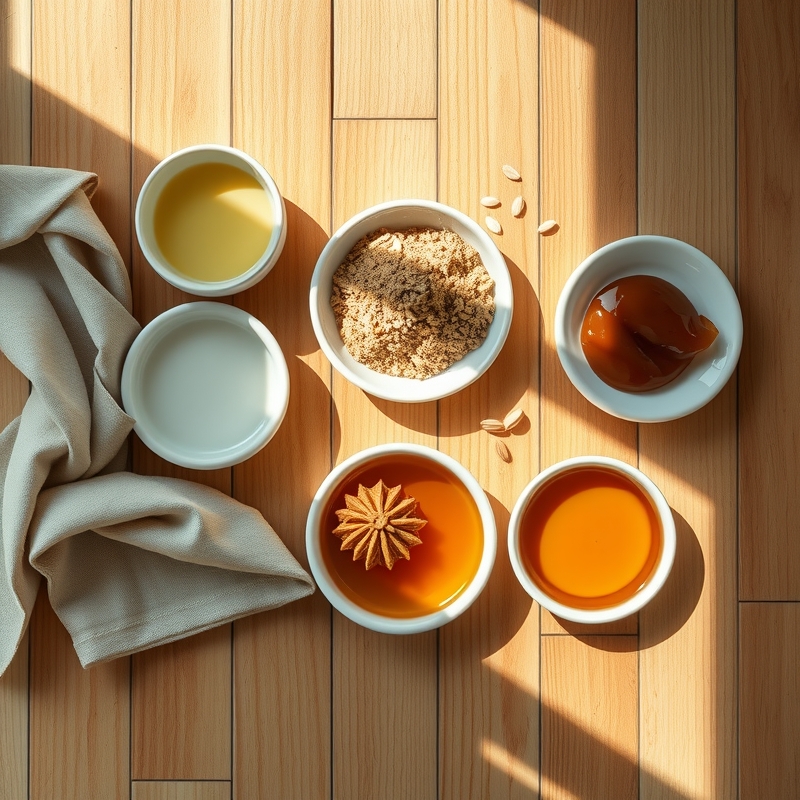
In Korea, the line between kitchen and vanity has never been as sharp as it is in the West. The tradition of 한방 (hanbang) — Korean herbal medicine — treats skin as an extension of internal health, not a separate project. What you eat and what you put on your face come from the same philosophy, often the same pantry. This isn’t some trendy “clean beauty” rebranding. Korean grandmothers were using fermented soybean paste on inflamed skin and sesame oil as a cleanser decades before anyone coined the term “K-beauty.”
The concept is called 약식동원 (yaksik-dongwon), which roughly translates to “food and medicine share the same origin.” It’s a principle from traditional Korean medicine that has shaped how Korean women approach skincare for centuries. When my mother’s generation says “put some 꿀 (kkul, honey) on that,” they’re not being folksy — they’re drawing on a system where the kitchen IS the first pharmacy.
This matters more after 40 because your skin’s ability to absorb synthetic actives decreases as the lipid barrier thins. According to dermatological research on age-related skin barrier changes, the stratum corneum loses moisture-retention capacity with each decade. Korean homemade skincare recipes work around this limitation — they use naturally bioavailable ingredients that don’t need to fight through a compromised barrier. Your 25-year-old skin could handle anything. Your 45-year-old skin is smarter and pickier. Feed it what it actually recognizes.
5 Korean Homemade Skincare Recipes Your 40s Skin Will Actually Absorb
These aren’t Pinterest crafts — they’re simplified versions of what Korean mothers and aunts have actually used. I’ve narrowed it down to five because most of the “50 DIY K-beauty masks!” articles floating around are filler. These five target the specific concerns that show up after 40: dullness, loss of elasticity, dryness that moisturizer can’t fix, uneven texture, and that tired look that has nothing to do with sleep.
1. 쌀뜨물 (Ssaltteumul) — Rice Water Brightening Toner
This is the one Korean grandmothers would be shocked to learn is now a “trend.” Every Korean household produces rice water daily — it’s simply the water left after rinsing raw rice. Rice water contains ferulic acid, allantoin, and amino acids that support cell turnover, which is exactly what slows down in your 40s. Research indexed on PubMed regarding fermented rice water suggests that fermentation increases its antioxidant potency.
- Rinse 1 cup of uncooked white rice with water, swirl gently for 30 seconds, and drain
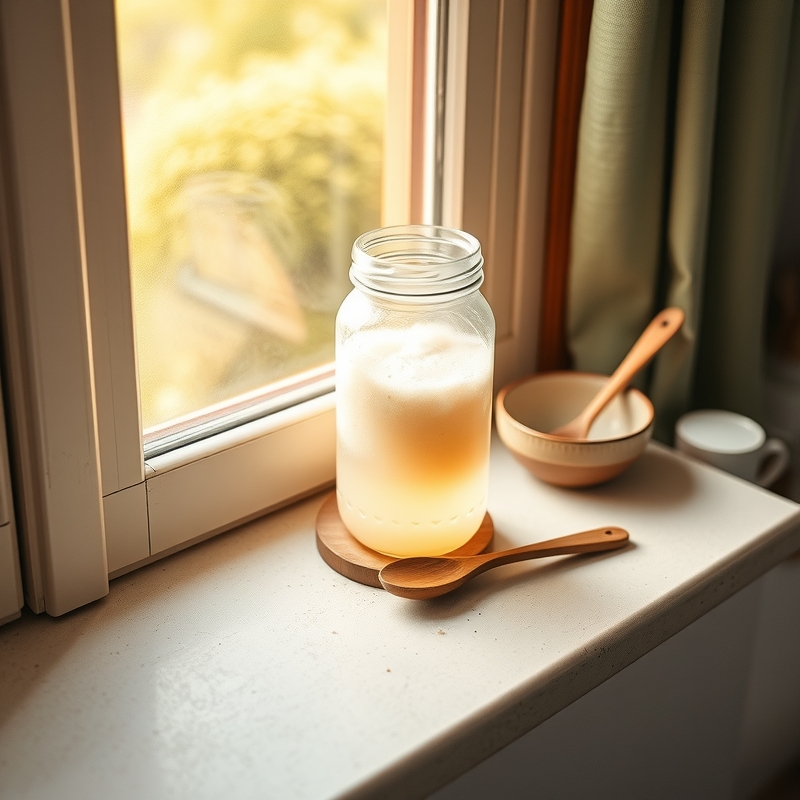
- Add 2 cups of fresh water, swirl again for 2 minutes, and strain the milky water into a glass jar
- For extra potency, let it sit covered at room temperature for 12-24 hours (this is the fermentation step Korean grandmothers swear by — it will smell slightly sour, and that’s correct)
- Refrigerate and use within 5 days. Apply with a cotton pad after cleansing, before any serum
My mother uses this every single night. She’s 74 and her skin tone is more even than mine. I stopped arguing with the evidence.
2. 꿀 + 쌀겨 (Kkul + Ssal-gyeo) — Honey and Rice Bran Elasticity Mask
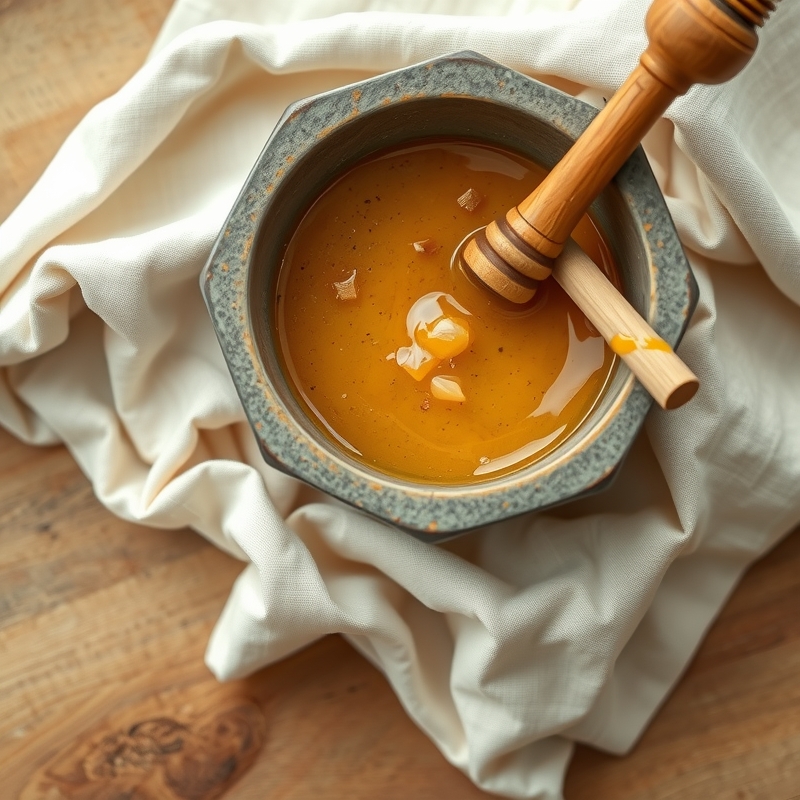
If you only try one recipe from this list, make it this one. Raw honey is a natural humectant that pulls moisture INTO skin — the opposite of what most masks do, which is sit on top and evaporate. Rice bran (the outer layer removed during milling) is rich in vitamin E, B vitamins, and squalene — a lipid your skin produces less of after 40. Together, they create a mask that genuinely plumps without any synthetic film.
- Mix 1 tablespoon raw honey (not the squeezable bear — actual raw honey) with 1 teaspoon rice bran powder
- Add 2-3 drops of sesame oil if your skin feels especially tight (Korean mothers add this in winter without being asked)
- Apply to clean skin, leave for 15-20 minutes, rinse with lukewarm water
- Use 2-3 times per week. You’ll notice a texture difference within 10 days
Korean Rice Bran Powder (for skincare masks)
Regular grocery store rice bran works, but finely milled Korean rice bran powder dissolves smoothly into honey without the gritty texture that scratches aging skin.
3. 녹차 (Nokcha) — Green Tea Calming Compress
Korean women in their 40s don’t exfoliate with harsh scrubs — they calm first, then let skin renew itself. Green tea contains EGCG (epigallocatechin gallate), one of the most studied polyphenol antioxidants for skin protection. This compress method is what Korean women use after a long day when their skin looks inflamed, blotchy, or reactive — all things that happen more frequently after 40.
- Brew 2 bags of green tea (Korean brands like Dongsuh or any quality loose-leaf) in 1 cup of hot water. Let cool to room temperature
- Soak a clean cotton cloth or gauze in the tea, wring lightly, and lay across your face for 10 minutes
- Follow with your rice water toner. That’s it — no rinsing needed
- Use after sun exposure, after a stressful day, or any time your skin looks angrier than you feel
4. 된장 (Doenjang) — Fermented Soybean Spot Treatment
This is the one that makes Western friends raise their eyebrows. Yes, Korean mothers put fermented soybean paste on their skin. 된장 (doenjang) contains isoflavones — plant-based compounds that mimic estrogen at the skin’s surface, which matters enormously when your estrogen levels start shifting in your 40s. It’s not glamorous. It smells like what it is. But Korean women have used it for hyperpigmentation and dark spots for generations, and the logic is sound.
- Use a tiny amount — less than a pea-sized dab of plain, unpasteurized doenjang (not the pre-seasoned kind with garlic and anchovy)
- Apply directly to dark spots or areas of uneven pigmentation. Leave for 10 minutes maximum — this is potent
- Rinse thoroughly with lukewarm water and follow with a hydrating step
- Patch test first on your inner wrist. Use once a week at most
I’ll be honest — I resisted this one for years because it felt too “old-fashioned Korean auntie.” Then I tried it on a stubborn sun spot that two different vitamin C serums couldn’t budge. Three weeks later, the spot had visibly faded. My mother just said, “이제야 (ije-ya)” — “finally.”
5. 참기름 (Chamgireum) — Sesame Oil Evening Cleanse
Before double cleansing was a K-beauty trend with a name, Korean mothers were using sesame oil to dissolve makeup. The concept is simple: oil dissolves oil. Sesame oil is especially effective because it has a smaller molecular structure than coconut or olive oil, so it penetrates pores without clogging them. It’s also naturally rich in sesamol, an antioxidant that protects against UV damage — useful for skin that’s accumulated decades of sun exposure.
- Warm 1 teaspoon of plain toasted sesame oil between your palms (Korean kitchen sesame oil works — you don’t need a special “beauty” version)
- Massage gently across dry face for 60 seconds, focusing on areas with makeup or sunscreen
- Wipe off with a warm, damp cloth — not a harsh scrub, just a soft washcloth
- Follow with your regular gentle cleanser if needed, then rice water toner
Korean Pure Sesame Oil (Cold-Pressed)
The same toasted sesame oil Korean mothers use for cooking doubles as a cleansing oil — cold-pressed versions retain more antioxidants for skin use.
Why Korean Homemade Skincare Recipes Work Differently After 40
The reason most DIY skincare advice fails women over 40 is that it was written for 25-year-old skin. Young skin has a thick, resilient barrier that can handle acids, retinoids, and aggressive actives. After 40, your barrier is thinner, your cell turnover is slower, and your skin produces less of its own protective lipids. Korean homemade skincare recipes sidestep this problem entirely — they use ingredients your skin already knows how to process.
| Feature | Store-Bought “Anti-Aging” Serum | Korean Homemade Recipes | Generic DIY Masks (Pinterest) |
|---|---|---|---|
| Cost per month | $40-120+ | Under $5 (pantry staples) | $10-20 (specialty ingredients) |
| Ingredient transparency | Complex INCI lists | 1-3 ingredients you can eat | Varies widely |
| Bioavailability after 40 | Decreases with barrier thinning | High — naturally compatible lipids | Unpredictable |
| Cultural track record | 10-20 years of clinical testing | Centuries of generational use | Blog-driven, no tradition |
| Prep time | 0 min (just apply) | 2-5 minutes | 15-30 minutes |
| Irritation risk for sensitive skin | Moderate-high (actives, fragrance) | Low (food-grade, gentle) | Variable (essential oils, lemon juice) |
| Works with existing routine | May conflict with other products | Integrates as single step | Often replaces entire routine |
Notice the middle column. Korean homemade recipes hit the practical sweet spot — almost free, minimal time, low risk, and backed by something no lab study can replicate: generations of Korean women who looked remarkably good doing remarkably little. That’s not an accident. It’s a system.
Frequently Asked Questions
Can Korean homemade skincare recipes replace my retinol after 40?
They’re not a direct retinol replacement, but they address many of the same concerns through different mechanisms. Rice water promotes gentle cell turnover, honey provides deep hydration, and fermented ingredients like doenjang deliver isoflavones. Many Korean women in their 40s use homemade recipes as the foundation and add one clinical active (like a mild retinoid) only where needed, rather than layering three or four strong products that fight each other.
What happens if I skip the fermentation step in the rice water recipe?
Unfermented rice water still works, but you lose the extra antioxidant boost. Fermentation increases the concentration of ferulic acid and creates beneficial enzymes that plain rice water doesn’t have. If you’re short on time, fresh rice water is still better than most commercial toners. But if your skin is dull or uneven — common after 40 — the 12-24 hour fermentation makes a noticeable difference within two weeks.
Is it safe to put doenjang (fermented soybean paste) on my face?
Yes, with two caveats: always patch test first, and use plain, unpasteurized doenjang only. The pre-seasoned varieties contain garlic, chili, and anchovy — none of which belong on your face. Plain doenjang has been used topically in Korean folk medicine for skin inflammation and spots. Start with once a week, 10 minutes maximum, and watch for any reaction. If your skin tolerates it, the isoflavone content can help with the hyperpigmentation that often increases during perimenopause.
How long do Korean homemade skincare recipes take to show results?
Most women notice a difference in skin texture within 7-14 days of consistent use. Brightening and evening of tone typically takes 3-4 weeks. This is slower than a chemical peel, but the results build gradually without the irritation flare that aggressive treatments cause on post-40 skin. Korean mothers don’t expect overnight miracles — they expect steady, compounding improvement over seasons.
Can I use these recipes if I’m already using Korean skincare products?
Absolutely — in fact, that’s how most Korean women actually use them. Homemade recipes aren’t an either/or replacement. Use rice water as your toner step, the honey-rice bran mask once or twice a week in place of a sheet mask, and sesame oil as your first cleanse. Your purchased serums and moisturizers layer on top just as they always did, but on skin that’s better prepped to absorb them.
Key Takeaways
- Korean homemade skincare recipes use 3-5 kitchen ingredients that are naturally bioavailable to aging skin — no synthetic barrier to fight through
- Fermented rice water (쌀뜨물) is the single most common toner in Korean households, and the 12-24 hour fermentation step is what makes it effective, not just rinsing rice
- Honey and rice bran together create a mask that plumps and brightens because honey draws moisture in while rice bran delivers vitamin E and squalene — both of which your skin produces less of after 40
- 된장 (doenjang) contains plant-based isoflavones that can help address hyperpigmentation during perimenopause — it’s not glamorous, but Korean mothers have used it for generations
- These recipes cost under $5 per month using ingredients already in a Korean pantry, compared to $40-120+ for commercial anti-aging serums
- Korean homemade skincare works WITH your existing routine — replace one step at a time (start with the rice water toner) rather than overhauling everything at once
Tonight, save the water from rinsing your rice. Pour it into a jar, leave it on the counter until tomorrow evening, then use it as a toner after you wash your face. That’s it — one step, zero cost, and the same recipe Korean mothers have used for longer than any skincare brand has existed.
This article contains affiliate links. If you purchase through these links, we may earn a small commission at no extra cost to you. We only recommend products we genuinely believe in.