A Korean friend of mine — same age, same stress level, same gray hairs coming in — had hair that moved differently. Not shinier in some filtered-Instagram way. It was thicker at the root. It didn’t cling to her brush in alarming clumps every morning. When I finally asked her about it over coffee in Gangnam, she looked confused by the question. “I just take care of my scalp,” she said, like I’d asked why she brushes her teeth. That’s when I realized: Korean hair care products approach hair loss and thinning from the scalp down, not the ends up — and that fundamental difference is why your current routine stopped working the moment your hormones shifted in your 40s.
I’d spent two decades loyal to the same Western drugstore shampoo-and-conditioner duo. It worked fine in my 30s. Then somewhere around 43, my hair started thinning at the temples, my part looked wider under bathroom lighting, and the volume I used to take for granted just… left. I bought volumizing shampoo. Biotin gummies. A $42 “thickening serum” that smelled like a department store and did nothing. Sound familiar?
What I didn’t know — and what most American women in their 40s don’t know — is that Korean women treat hair thinning the way they treat skin aging: by fixing the environment where growth happens, not by coating what’s already damaged. The Korean term is 두피 관리 (dupi gwanli, scalp care), and it’s an entire category that barely exists in American drugstores. This article is everything I learned after switching — the specific products, the logic behind them, and what you can honestly skip.
The Scalp-First Rule That Korean Hair Care Products Follow (And Western Ones Don’t)
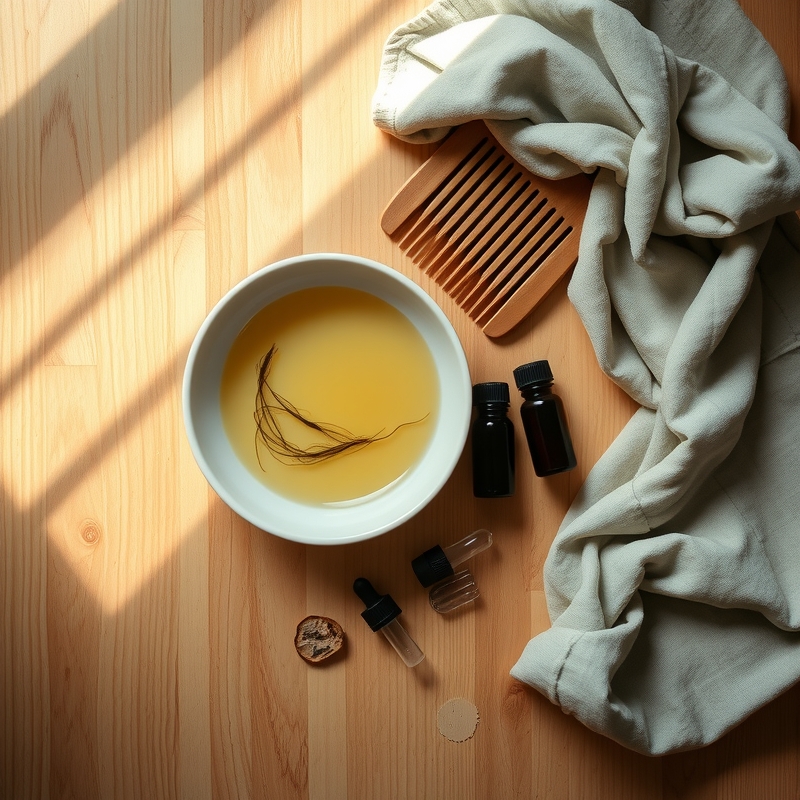
Korean hair care is built on a principle most Western brands ignore entirely: your scalp is skin, and aging skin needs different care than it did at 30. Walk into any Olive Young store in Seoul — Korea’s answer to Sephora, but for everyday products — and you’ll find an entire wall dedicated to scalp treatments. Not shampoo. Not conditioner. Scalp serums, scalp scrubs, scalp ampoules. It’s a category as developed as facial skincare.
Here’s why this matters after 40. As estrogen levels decline during perimenopause, hair follicles miniaturize — they literally shrink. The hair they produce gets thinner and grows more slowly. Western products respond to this by coating existing hair with silicones to create the illusion of volume. Korean products respond by treating the scalp to support the follicle itself.
The difference is like putting foundation over acne versus actually clearing your skin. One masks; the other addresses the root cause. Korean dermatologists generally recommend:
- Weekly scalp scaling (removing dead skin buildup that suffocates follicles)
- Daily lightweight scalp toners (maintaining pH balance, much like a facial toner)
- Sulfate-free cleansing (preserving the scalp’s natural oil barrier, which thins with age)
- Herbal-ingredient formulas based on 한방 (hanbang) traditional Korean medicine
Without proper scalp care, even expensive hair products sit on top of buildup, never reaching the follicle. That’s why your $40 serum isn’t working — it’s not a product problem. It’s a sequence problem.
한방 and the 600-Year Hair Tradition Behind Korean Hair Care Products
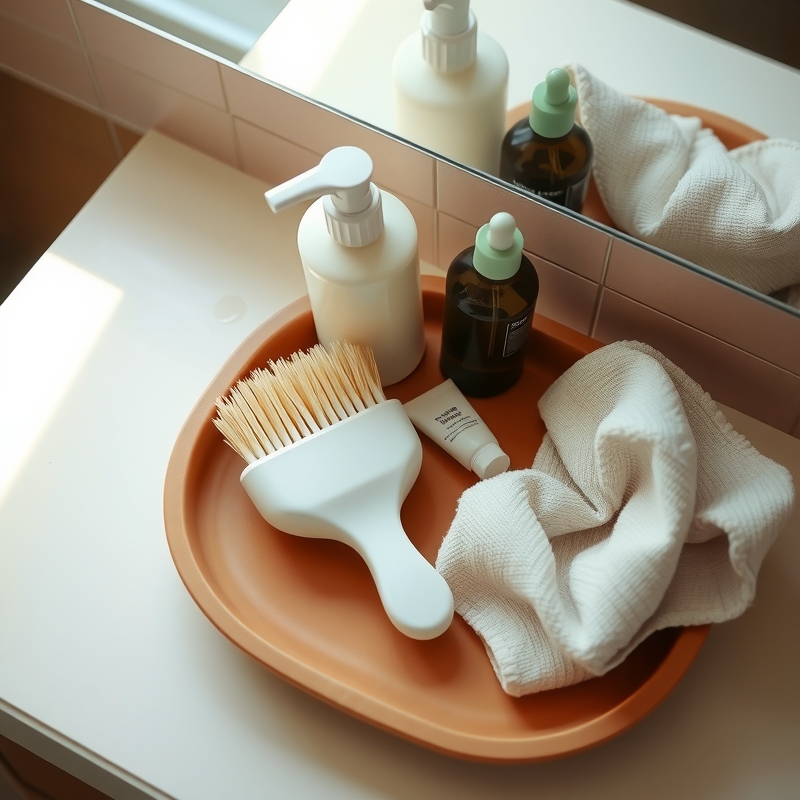
Long before K-beauty became a global export, Korean women were treating hair loss with 한방 (hanbang) — traditional herbal medicine that dates back to the Joseon Dynasty. This isn’t folklore. It’s a living practice. In Korea, 한의원 (haniwon, traditional medicine clinics) are covered by national health insurance and routinely treat 탈모 (talmo, hair loss) with herbal formulas alongside — or instead of — pharmaceutical options.
The key hanbang ingredients you’ll see in Korean hair care products aren’t random botanicals thrown in for marketing. They’re specific herbs with centuries of documented use:
- 녹차 (nokcha, green tea) — rich in catechins; Korean research institutions have studied its potential to support hair follicle health
- 인삼 (insam, ginseng) — the signature Korean root; traditionally used to stimulate circulation to the scalp
- 하수오 (hasuo, fo-ti root) — one of the most referenced herbs in Korean hair loss treatment traditions
- 동백 (dongbaek, camellia oil) — used by Korean women for generations as a natural scalp moisturizer, especially in winter
My Korean mother-in-law keeps a small bottle of camellia oil in her bathroom the way American women keep a bottle of conditioner. She heats three drops between her palms and presses it into her scalp — not her hair — every other night. She’s 74. Her hair is thicker than mine.
What makes this relevant to you in your 40s: hanbang formulas are designed for aging — they assume the body needs support, not a chemical override. Unlike minoxidil-based treatments (which can cause initial shedding and require lifelong commitment), Korean herbal approaches focus on nourishment and circulation. They’re gentler. They work with your body’s declining hormone levels instead of against them.
That doesn’t mean they’re miracle workers — nothing regrows hair that’s been gone for years. But for the early-stage thinning and texture change that hits most women between 40 and 55, hanbang-based products offer something Western brands rarely do: a gentle, long-term approach that doesn’t make you feel like you’re treating a disease.
Korean Hair Care Products Worth Switching To (And What’s Just Marketing)
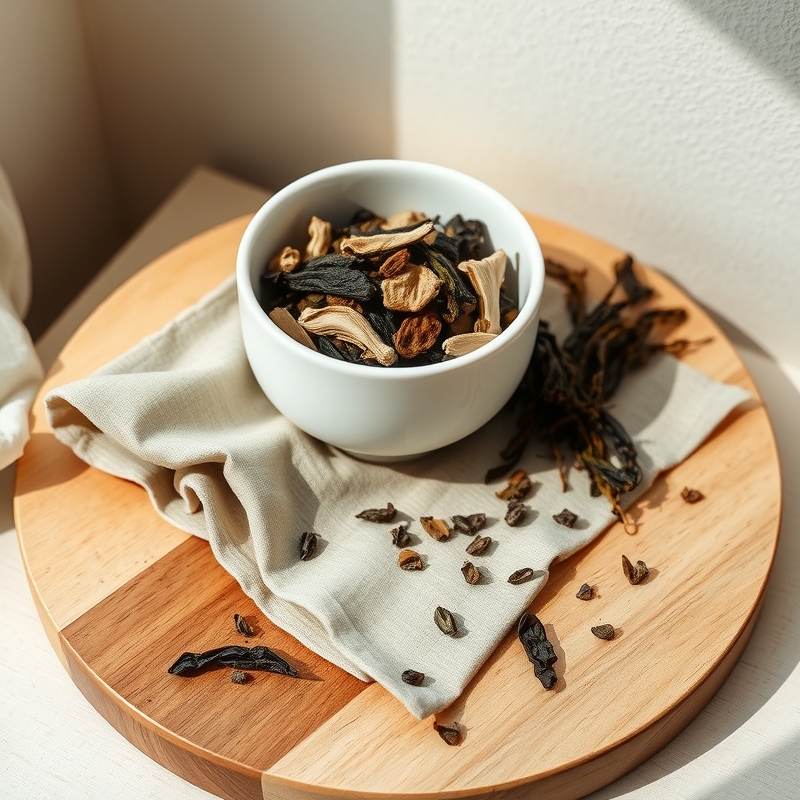
Not every Korean hair product deserves the hype — some are riding the K-beauty wave with pretty packaging and little substance. After two years of testing and talking to Korean women my age, here’s the honest breakdown. I’m separating what actually works for 40+ hair from what’s designed for 25-year-olds with entirely different concerns.
The Scalp Shampoo That Changed My Wash Routine
You’ve probably seen your conditioner do most of the heavy lifting in your routine. In Korea, it’s the opposite — the shampoo is the star, and it’s judged by what it does for your scalp, not how silky it makes your ends feel in the shower. Korean anti-hair-loss shampoos like those from Ryo (려, by Amorepacific) are formulated with ginseng and herbal complexes specifically for thinning hair. They lather differently — less foam, more of a cream texture — and that’s intentional. Less foam means fewer sulfates stripping your already-dry 40+ scalp.
Ryo Hair Loss Care Shampoo
The same ginseng-based scalp shampoo found in most Korean households dealing with thinning hair — formulated with hanbang herbal extracts to support scalp health at the root level, not just coat the surface.
The Scalp Scaler You Didn’t Know You Needed
This was the biggest revelation. In Korea, 두피 스케일링 (dupi scaling) is as routine as exfoliating your face. Think of it this way: if you went years without ever exfoliating your facial skin, your serums would sit on top of dead cells and do nothing. That’s exactly what’s happening on your scalp. Korean scalp scalers use gentle acids or salt crystals to remove sebum buildup, product residue, and dead skin that’s been accumulating — and blocking the very follicles you’re trying to save.
Daeng Gi Meo Ri Ki Gold Premium Shampoo
A traditional Korean herbal shampoo that’s been a pharmacy staple in Korea for decades — uses a complex of medicinal herbs including chrysanthemum and honeysuckle to cleanse without stripping the natural scalp barrier your 40+ hair desperately needs.
The Leave-In That Replaces Three Products
If you’re applying separate anti-frizz serum, heat protectant, and shine spray, you’re doing what Korean women stopped doing years ago. Korean multi-function hair serums — particularly the ones designed for damaged or aging hair — consolidate all of that into one lightweight oil. Less product means less buildup on your thinning scalp. Mise en Scène’s Perfect Serum has been Korea’s top-selling hair product for over a decade, and it’s not because of marketing — it’s because Korean women are ruthlessly practical about what earns counter space.
Mise en Scène Perfect Serum Original
Korea’s best-selling hair serum for over a decade — a single lightweight oil that replaces your frizz serum, heat protectant, and shine spray without weighing down thinning hair or clogging follicles.
Korean vs. Western Hair Care Products: An Honest Comparison After 40
The difference isn’t that Korean products are universally “better” — it’s that they solve a different problem than what Western brands are even trying to address. Here’s the comparison I wish someone had shown me before I spent hundreds on products designed for a 30-year-old’s scalp.
| Feature | Typical Western Products | Korean Hanbang Products | Korean Scalp-Focused Products |
|---|---|---|---|
| Primary target | Hair strand (surface) | Scalp + follicle health | Scalp environment (pH, buildup, circulation) |
| Key ingredients | Silicones, keratin, biotin | Ginseng, camellia, green tea | Salicylic acid, tea tree, menthol |
| Approach to thinning | Coat hair to appear thicker | Nourish follicle from root | Clear scalp to optimize follicle function |
| Sulfate content | Often contains SLS/SLES | Typically sulfate-free | Sulfate-free or low-sulfate |
| Scalp exfoliation | Rarely addressed | Moderate (herbal-based) | Core step (weekly scaling) |
| Hormonal aging focus | Minimal (same formula for all ages) | Designed for age-related changes | Addresses follicle miniaturization |
| Price range (approx.) | $8–$35 per product | $12–$25 per product | $10–$20 per product |
| Best for 40+ women | Surface-level improvement only | Best overall value — addresses root cause gently | Excellent as a complement to hanbang |
Notice the middle column. Korean hanbang products hit the sweet spot: they address the actual cause of 40+ thinning (follicle health, not strand coating) at a price point that’s often lower than the Western “premium” products collecting dust in your shower. That’s not an accident — it’s what happens when a culture treats scalp care as basic hygiene rather than a luxury add-on.
What TikTok Gets Right (and Wrong) About Korean Hair Care
If you arrived here from a TikTok video showing a Korean woman’s impossibly shiny hair, let’s address that honestly. The viral “Korean hair care routine” videos flooding social media are mostly filmed by women in their 20s with entirely different hormonal profiles, water conditions, and climate. Their routines often include 5-7 products — a scalp scrub, pre-shampoo treatment, two shampoos, a hair mask, a leave-in treatment, and a sleeping cap. That’s aspirational content, not a realistic Wednesday night for a woman juggling a career and a teenager’s college applications.
What TikTok gets right: the emphasis on scalp care is legitimate. Korean dermatologists genuinely prioritize scalp health over hair strand treatment. That part is real.
What TikTok gets wrong: you don’t need seven steps. Korean women in their 40s — the working mothers, the professionals, the ones who don’t have time to film routines — typically use three products consistently. A good scalp shampoo. A lightweight treatment oil. And a weekly scalp scrub or scaler. That’s it. The elaborate routines are for content, not for life.
The other thing social media won’t tell you: iron deficiency, thyroid changes, and hormonal shifts in perimenopause all cause hair thinning that no topical product — Korean or otherwise — can fully fix. If you’re losing hair in clumps or noticing sudden bald patches, see a doctor before you see a product shelf. Korean products can support healthy hair, but they can’t replace medical care. No honest recommendation skips that disclaimer.
Frequently Asked Questions
What happens if I keep using sulfate shampoo on thinning hair after 40?
Sulfates strip the natural oils your aging scalp produces less of, accelerating dryness and potential follicle damage. After 40, sebum production naturally decreases. Using harsh sulfate shampoos on an already-dry scalp can create a cycle of irritation, flaking, and weakened hair growth. Switching to a sulfate-free Korean shampoo is one of the simplest first changes you can make.
How long do Korean hair care products take to show results for thinning hair?
Most women notice reduced shedding within 4-6 weeks, with visible thickness improvement around 3 months. Hair grows roughly half an inch per month, so any product targeting the follicle needs at least one full growth cycle to show results. Korean women treat scalp care as a long-term daily habit, not a quick fix — consistency matters more than the price tag.
Are Korean hair products safe to use with color-treated hair?
Most Korean scalp-focused shampoos are gentler on color than typical Western clarifying shampoos because they’re sulfate-free. Hanbang herbal formulas in particular tend to be low-pH and free of the harsh detergents that strip color. However, always check individual ingredient lists — some scalp scalers contain acids that can fade fresh color if used within the first week after dyeing.
What’s the difference between Korean anti-hair-loss shampoo and minoxidil?
Korean herbal shampoos support scalp health and hair quality; minoxidil is an FDA-approved medication that stimulates regrowth. They work at different levels — herbal shampoos improve the scalp environment and may slow thinning, while minoxidil directly affects the hair growth cycle. Many Korean women use both: the medicated treatment on areas of concern, and the herbal shampoo for overall scalp maintenance. Consult a dermatologist before starting minoxidil, as it requires ongoing use.
Do I need to buy Korean hair products from Korea, or are they available in the US?
Most major Korean hair care brands — Ryo, Daeng Gi Meo Ri, Mise en Scène — are widely available on Amazon US and at H-Mart stores. Prices are comparable to what you’d pay in Seoul. Avoid third-party sellers with unusually low prices, as counterfeit Korean beauty products are a known issue. Stick to official brand storefronts or verified Amazon sellers with high review counts.
Key Takeaways
- Korean hair care treats the scalp as skin — aging scalp needs exfoliation, pH balance, and nourishment, just like your face does after 40.
- 한방 (hanbang) herbal ingredients like ginseng and camellia oil have been used in Korean hair care for centuries — they’re designed for aging, not for masking damage.
- Western volumizing products coat the hair strand; Korean products target the follicle — that’s why your current routine stopped working when your hormones shifted.
- You only need three products: a scalp-focused shampoo, a lightweight multi-function serum, and a weekly scalp scaler. The 7-step TikTok routine is content, not real life.
- Korean scalp scaling (두피 스케일링) removes the buildup blocking your follicles — most American women have never exfoliated their scalp, and it shows.
- No topical product replaces medical care — if thinning is sudden or patchy, check iron levels and thyroid function before buying any product, Korean or otherwise.
Tonight, try this: before your next shampoo, spend 60 seconds gently massaging your scalp in small circles with your fingernails — not scratching, pressing. That alone increases circulation to the follicles, and it’s the one step every Korean woman I know does without even thinking about it.
This article contains affiliate links. If you purchase through these links, we may earn a small commission at no extra cost to you. We only recommend products we genuinely believe in.