My mother never once checked a recipe for 콩나물무침 (kongnamul muchim, seasoned bean sprout salad) — she made it the way her mother made it, which is the way her grandmother made it, standing at the same kitchen counter with the same chipped ceramic bowl. I was thirty-eight before it occurred to me to ask why this dish appeared at literally every meal in our house. Not kimchi — kimchi had seasons, batches, moods. But bean sprout banchan? It was there on Monday when my father came home late. It was there on Sunday when my aunt brought her kids over. It was there when nothing else was ready, because it could be ready in seven minutes flat from a single bag that cost less than a cup of coffee. “콩나물이 없으면 밥상이 아니다,” my mother used to say — without bean sprouts, it’s not a proper table. I didn’t understand that phrase until I started feeding my own family in my 40s, short on time and long on guilt about what counted as “a real side dish.” Turns out, Korean mothers solved this exact problem generations ago.
Here’s what most Western recipe blogs miss about Korean bean sprout side dishes: they aren’t a single recipe — they’re a system. One bag of soybean sprouts. Three completely different banchan. Rotated through the week so the table never looks the same, even though the ingredient list barely changes. If you’ve been Googling “easy Korean side dishes” and landing on ten-ingredient productions that take forty-five minutes, you’ve been looking in the wrong kitchens.
Korean bean sprout side dish (콩나물반찬) refers to a family of banchan made from soybean sprouts — here are the three versions Korean households rotate most:
- 콩나물무침 (kongnamul muchim) — cold seasoned salad, the everyday default
- 콩나물국 (kongnamul guk) — light broth soup, a comfort staple
- 콩나물밥 (kongnamul bap) — one-pot rice bowl, a full meal hiding as a side
The Side Dish That Deserves More Credit Than Kimchi — 콩나물 in Korean Daily Life
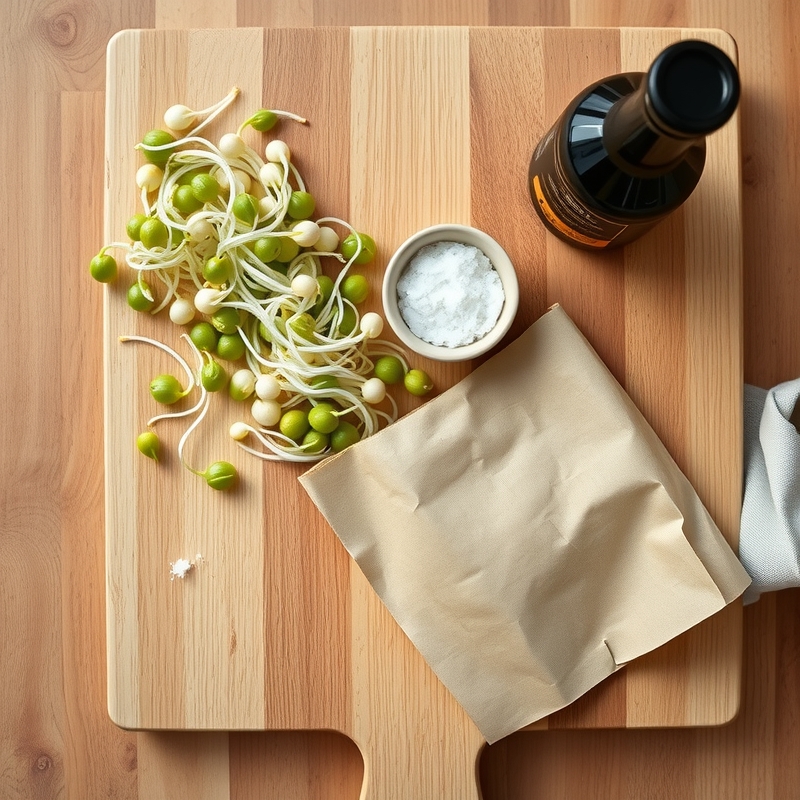
In Korean households, 콩나물 (kongnamul, soybean sprouts) rank among the most consumed vegetables year-round — often appearing at the table more frequently than kimchi itself. That claim sounds extreme until you understand how Korean meal culture works. A standard Korean home meal features 밥 (rice), 국 (soup), and at least two to three 반찬 (banchan, side dishes). Bean sprout dishes fill two of those slots simultaneously — as a banchan and as a soup base.
Walk into any Korean traditional market — 시장 (sijang) — and the bean sprout vendor is never hard to find. The sprouts sit in enormous basins, sold by weight, often for less than the equivalent of $1-2 per bag. In Korea, soybean sprouts aren’t a health trend. They’re closer to bread in France or pasta in Italy — a structural ingredient that holds the entire meal together.
There’s a cultural reason this matters to you if you’re in your 40s and trying to eat better without adding complexity. Korean food culture doesn’t separate “healthy food” from “regular food” the way Western diet culture does. There’s no special aisle. No label claiming superfoods. Kongnamul just shows up — affordable, fast, nutritious — and nobody makes a fuss about it. That’s exactly the energy most of us need at this stage of life: less fanfare, more function.
Nutritionally, there’s substance behind the tradition. Soybean sprouts are a solid source of vitamin C, folate, and plant-based protein. The sprouting process increases bioavailable nutrients compared to the dry soybean itself — research on soybean sprouts has noted that germination boosts isoflavone content and reduces anti-nutritional factors. For women in their 40s and 50s, the combination of plant estrogens, fiber, and vitamin C in a single low-calorie ingredient is quietly remarkable — especially when it costs almost nothing and cooks in minutes.
Three Korean Bean Sprout Recipes from One Bag of Sprouts
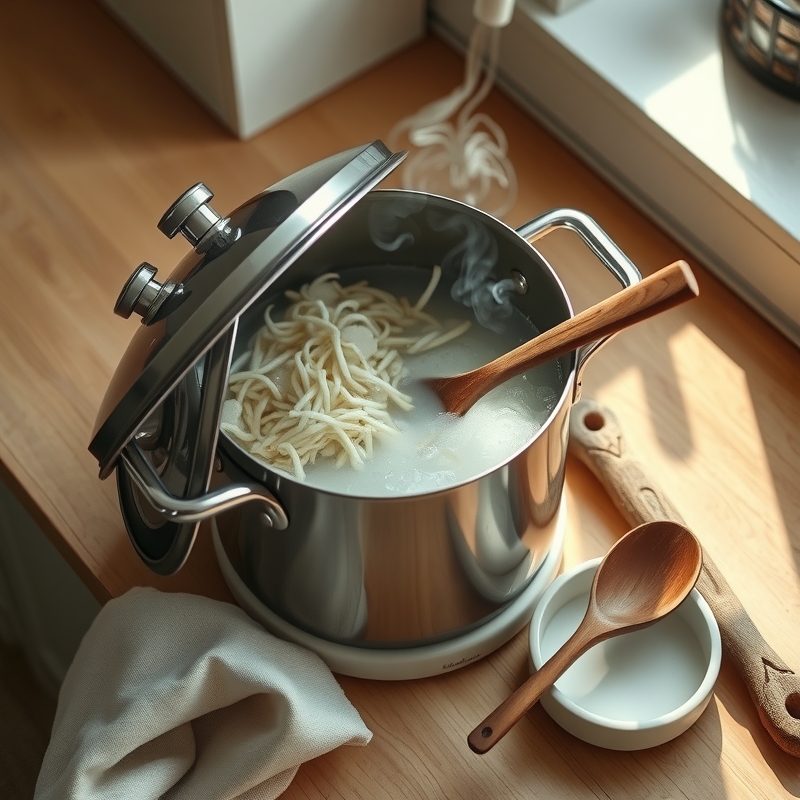
The real genius of Korean bean sprout side dishes isn’t any single recipe — it’s the rotation system. My mother bought one large bag of sprouts on Monday. By Wednesday, that bag had become three different dishes. No waste. No boredom. No one at the table saying “bean sprouts again?” because each version looked, tasted, and felt completely different.
Here’s how that works, in the order Korean mothers typically make them.
1. 콩나물무침 (Kongnamul Muchim) — The 7-Minute Everyday Banchan
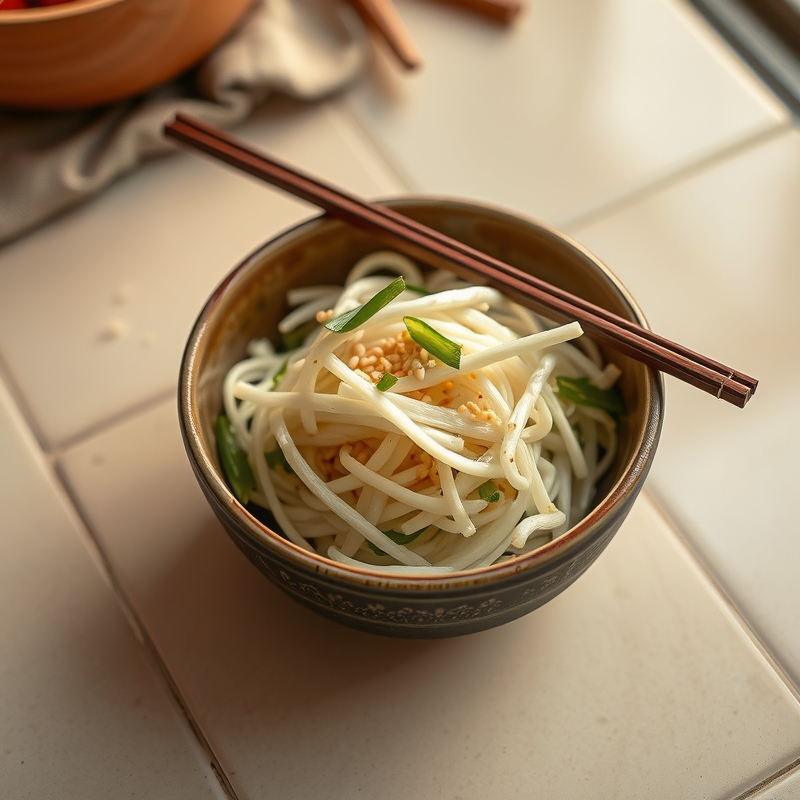
This is the one. If you learn a single Korean side dish in your life, let it be this. Kongnamul muchim takes roughly 7 minutes from bag to table and uses five ingredients you likely already have.
- Ingredients: 1 bag soybean sprouts (about 340g/12 oz), 1 tablespoon toasted sesame oil, 1 teaspoon fine sea salt, 1 minced garlic clove, 1 chopped green onion, sesame seeds for garnish
- Method: Rinse sprouts. Boil a pot of water. Add sprouts, cook for exactly 3 minutes with the lid ON — this is critical. Korean mothers insist: do not lift the lid while boiling kongnamul, or they develop a raw, fishy smell. Drain, rinse briefly in cold water. Toss with sesame oil, salt, garlic, green onion, and sesame seeds.
- The detail that changes everything: Most Western recipes say “boil until tender.” Korean grandmothers time it to the minute — 3 minutes keeps the crunch, which is the entire point. Overcooked bean sprouts are mushy and sad. Properly cooked ones snap between your teeth.
This keeps in the fridge for 3-4 days. That means Monday’s seven-minute effort covers half the week’s banchan. If you’ve been spending forty-five minutes assembling a “meal prep salad” that goes soggy by Wednesday, this is the correction you didn’t know you needed.
2. 콩나물국 (Kongnamul Guk) — The Comfort Soup for Tired Evenings
In Korea, 콩나물국 is what you make when you’re too tired to think about what to make. It’s the soup equivalent of a hug from someone who doesn’t need you to explain why you’re exhausted. Korean women in their 40s — juggling work, aging parents, kids who still need rides — know this soup on a first-name basis.
- Ingredients: Half a bag of soybean sprouts, 4 cups water (or anchovy/kelp broth for deeper flavor), 1 tablespoon gochugaru (Korean red pepper flakes), 1 tablespoon soup soy sauce (국간장, gukganjang), 2 minced garlic cloves, 1 egg (optional), salt to taste
- Method: Add sprouts and water to a pot. Bring to a boil with the lid ON (same lid rule applies). Boil for 5 minutes. Add gochugaru, soy sauce, garlic. Simmer 3 more minutes. Crack an egg in at the end if desired. Total time: under 12 minutes.
- Why it works for weeknights: No pre-prep. No chopping board full of vegetables. No thirty-minute simmer. You can start this soup when your teenager texts “what’s for dinner” and have it on the table before they walk through the door.
3. 콩나물밥 (Kongnamul Bap) — The One-Pot Meal That Pretends to Be a Side
This is the ambitious one — though “ambitious” in Korean home cooking means fifteen minutes of active time instead of seven. Kongnamul bap is a complete meal cooked in your rice cooker, and it’s one of the most satisfying things you can eat on a cold Tuesday.
- Ingredients: 2 cups short-grain rice (rinsed 3 times — not once, not twice, three times), a generous handful of soybean sprouts layered on top, optional: 100g ground pork or beef seasoned with soy sauce. For the sauce (양념장, yangnyeomjang): 2 tablespoons soy sauce, 1 tablespoon sesame oil, 1 teaspoon gochugaru, 1 chopped green onion, sesame seeds
- Method: Place rinsed rice in rice cooker. Use slightly less water than usual (the sprouts release moisture). Layer sprouts on top — do not stir. Cook on normal rice setting. When done, drizzle the sauce over everything and mix from the bottom up.
- The hidden reward: The bottom layer develops 누룽지 (nurungji) — a crispy golden rice crust that Korean families fight over. If your rice cooker has a “scorched rice” or extended cook setting, use it.
How the Three Korean Bean Sprout Dishes Compare
Not every bean sprout recipe fits every evening. Here’s how the three stack up when you’re deciding what to make on a Wednesday at 6:45 PM.
| Feature | 콩나물무침 (Seasoned Salad) | 콩나물국 (Soup) | 콩나물밥 (Rice Bowl) |
|---|---|---|---|
| Active prep time | 7 minutes | 12 minutes | 15 minutes |
| Difficulty | Beginner-friendly | Beginner-friendly | Easy-intermediate |
| Equipment needed | Pot, bowl | Pot | Rice cooker or pot |
| Serves as | Side dish (banchan) | Soup course | Full meal |
| Fridge life | 3-4 days | 2 days (best fresh) | Same day |
| Meal prep friendly? | Excellent — the best of the three | Good if reheated | Best made fresh |
| Cost per serving | Around $0.30-0.50 | Around $0.40-0.60 | Around $0.80-1.20 |
| Best for | Weeknight rotation default | Tired evenings, cold days | Weekend one-pot meal |
If you’re starting from zero, kongnamul muchim is the obvious first move. Seven minutes, five ingredients, lasts half the week. It’s the dish Korean mothers would teach you first — and the one they still make most often themselves.
Korean Toasted Sesame Oil (100% Pure)
The single ingredient that transforms plain bean sprouts into proper banchan. Korean toasted sesame oil has a deeper, nuttier roast than most supermarket brands — once you taste the difference, regular sesame oil feels flat.
(paid link)
Check Availability & Reviews →
Why Korean Bean Sprout Side Dishes Outlast Your Average Meal Prep
Most meal prep advice assumes you’ll spend Sunday afternoon cooking five different dishes in labeled containers. If you’re in your 40s and your Sundays already belong to laundry, grocery runs, one kid’s soccer game, and a phone call with your mother — that advice isn’t for you. It never was.
Korean banchan culture works differently. Instead of one massive prep session, Korean households practice what I’d call rolling prep — making one or two small dishes every couple of days, so the fridge always has fresh options without any single day feeling like a production. Bean sprout muchim is the backbone of this system because of three practical advantages:
- It improves overnight. Unlike Western salads that wilt within hours, the sesame oil and salt in kongnamul muchim continue to season the sprouts in the fridge. Day-two muchim often tastes better than day-one.
- It pairs with everything. Rice, noodles, grilled meat, fried eggs, soup — bean sprout banchan doesn’t compete with the main dish. It completes it.
- The crunch holds. Properly blanched sprouts (remember: 3 minutes, lid on) maintain their texture for days. That snap is what separates good banchan from leftovers.
Here’s the part that frustrated me for years with Western meal prep: without variety on the plate, the food feels like punishment by Wednesday. Korean mothers avoid this by having three to five small banchan dishes at any time — and because bean sprouts are so fast and cheap, they’re the first thing to be replenished when the fridge starts looking thin. It’s not a system anyone designed. It evolved from generations of women feeding families on tight budgets and tighter schedules. It just happens to be exactly what works for a busy weeknight in your 40s.
Korean Soup Soy Sauce (국간장, Gukganjang)
Regular soy sauce makes Korean soups murky and too salty. Gukganjang — the lighter, saltier, fermented variety — is what gives kongnamul guk its clean golden broth. One bottle lasts months and changes every Korean soup you make.
(paid link)
See Why Korean Cooks Swear By This →
Frequently Asked Questions
What happens if I lift the lid while boiling Korean bean sprouts?
The sprouts develop an unpleasant raw, fishy odor called 비린내 (birinne). Keeping the lid on during the full 3-minute boil allows the enzyme responsible for the smell to break down completely. This is the single most repeated rule in Korean home cooking for kongnamul — every Korean mother will tell you the same thing.
Can I use mung bean sprouts instead of soybean sprouts for these recipes?
You can, but the result will be noticeably different. Soybean sprouts (콩나물) have a thick yellow head and a nuttier, more substantial crunch. Mung bean sprouts (숙주나물) are thinner, more delicate, and cook faster. Korean households use them for different dishes — soybean sprouts for muchim and guk, mung bean sprouts typically for stir-fries and bibimbap toppings. For the three recipes above, soybean sprouts are the traditional choice.
How long does Korean bean sprout side dish last in the fridge?
Kongnamul muchim keeps well for 3-4 days refrigerated in an airtight container. The sesame oil acts as a light preservative and continues seasoning the sprouts. Kongnamul guk is best within 1-2 days. Kongnamul bap should be eaten the same day — reheated rice with sprouts loses its texture.
What if I can’t find soybean sprouts at my local grocery store?
Check Korean or Asian grocery stores first — soybean sprouts are a staple item and almost always in stock, usually for $1-2 per bag. If there’s no Asian market nearby, you can sprout your own from dried soybeans in 4-5 days using a jar and water. Many Korean American households do this routinely. Whole Foods and some well-stocked regular supermarkets also carry them in the refrigerated produce section.
Is Korean bean sprout banchan good for weight management in your 40s?
Soybean sprouts are low in calories — roughly 30-45 calories per cooked cup — while providing fiber and plant protein that support satiety. The Korean approach of filling the table with multiple small banchan dishes naturally encourages portion awareness without calorie counting. It’s not a “diet food” — it’s just how Korean women have been eating for generations, and it happens to align with what nutritionists recommend for metabolic health after 40.
Key Takeaways
- One bag of soybean sprouts yields three completely different Korean side dishes — seasoned salad, soup, and rice bowl — for under $2 total, making it one of the most efficient banchan ingredients in Korean cooking.
- Kongnamul muchim (seasoned bean sprout salad) takes 7 minutes and lasts 3-4 days in the fridge, making it the ideal weeknight banchan for busy women in their 40s and 50s who don’t have time for elaborate meal prep.
- Never lift the lid while boiling soybean sprouts — this is the most universal rule in Korean home cooking for kongnamul, and ignoring it produces an unpleasant fishy smell that ruins the dish.
- Korean toasted sesame oil is the single ingredient that separates ordinary from authentic — supermarket sesame oil and Korean sesame oil taste noticeably different due to deeper roasting.
- Korean banchan culture uses “rolling prep” instead of one big meal prep day — making one or two small dishes every few days keeps the fridge stocked without any single cooking session feeling burdensome.
- Soybean sprouts and mung bean sprouts are not interchangeable — Korean households use 콩나물 (soybean, thicker head) for these three recipes and 숙주나물 (mung bean, thinner) for different dishes entirely.
Tonight, try the simplest version: boil a bag of soybean sprouts for exactly 3 minutes with the lid on, drain, toss with sesame oil, salt, garlic, and green onion. Seven minutes from bag to banchan — and you’ll finally understand why Korean mothers never bothered with complicated side dishes.
This article contains affiliate links. If you purchase through these links, we may earn a small commission at no extra cost to you. We only recommend products we genuinely believe in.
You Might Also Like
- 7 Korean Anti-Aging Habits Women Over 40 Always Skip
- Why Your Korean Tofu Soup Tastes Wrong (5 Real Fixes)
- 9 Korean Dramas on Netflix 2026 That Hit Harder After 40