Korean cucumber side dishes — called 오이반찬 (oi-banchan) — are the cool, crunchy staples that appear on nearly every Korean dinner table from May through September. Last summer, I brought a simple cucumber salad to a neighborhood potluck in my Seoul apartment complex. By the time I walked down the hall, my American friend’s cucumber-dill salad had already pooled into a watery puddle at the bottom of the bowl. Mine was still snapping. Three hours later — still snapping. She stared at it and said, “Okay, what did you do to that?” The answer wasn’t a secret ingredient. It was a technique Korean mothers have used for generations, and it takes less time than slicing the cucumber itself.
Here are 5 Korean cucumber side dishes worth learning by name:
- 오이무침 (oi-muchim) — spicy sesame cucumber salad, ready in under 10 minutes
- 오이소박이 (oi-sobagi) — stuffed cucumber kimchi that ferments into something extraordinary
- 오이생채 (oi-saengchae) — light vinegar-dressed cucumber, the zero-heat option
- 오이지무침 (oi-ji-muchim) — seasoned pickled cucumber with deep umami
- 오이냉국 (oi-naengguk) — cold cucumber soup served as a side in summer
Every one of them starts with the same foundational step that Western recipes almost always skip. And that single step is the reason Korean cucumber sides stay crisp while yours collapse.
The 3-Minute Technique Korean Mothers Never Skip
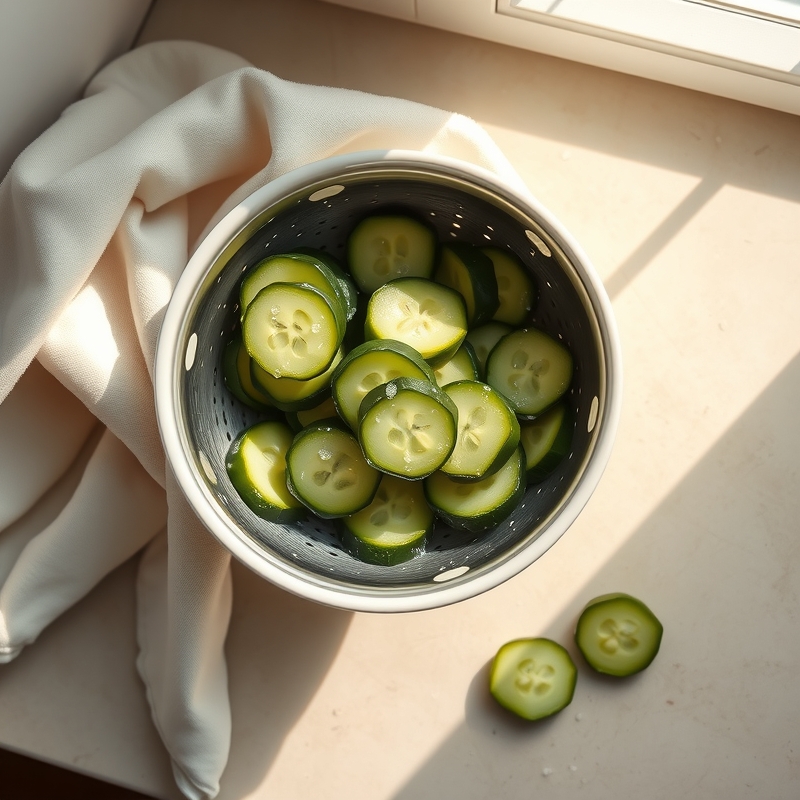
The difference between a crisp Korean cucumber side dish and a soggy Western cucumber salad comes down to one word: 절임 (jeorim) — salting. Before any seasoning touches the cucumber, Korean cooks salt the sliced pieces and let them sit for exactly 10 to 15 minutes. Then they squeeze out the released water by hand, pressing firmly but not crushing.
This isn’t a suggestion in Korean cooking. It’s non-negotiable. Skip it, and the cucumber releases its water into the dressing later — diluting the flavor and turning everything limp within the hour. Do it, and you’ve created a cucumber that has already given up its excess moisture, so the seasoning clings to the surface instead of sliding off.
The science is straightforward: cucumbers are roughly 95% water by weight. Salt draws that water out through osmosis. What’s left is a denser, crunchier slice that can hold bold flavors for days without going soft. My mother used to say, “If you’re too lazy to salt the cucumber, don’t bother making the dish.” She wasn’t being harsh — she was saving me from making something nobody would want to eat twice.
Here’s the exact method:
- Slice cucumbers to your preferred thickness (thin rounds, half-moons, or diagonal cuts)
- Toss with ½ teaspoon of fine salt per one medium cucumber
- Let sit for 10-15 minutes in a colander or bowl
- Squeeze firmly with both hands over the sink — you’ll be surprised how much water comes out
- Pat dry with a clean towel if making a vinegar-based dish
That’s it. Three minutes of active effort, and you’ve changed the entire outcome of whatever comes next.
5 Korean Cucumber Side Dish Recipes, From Everyday to Impressive
1. 오이무침 (Oi-Muchim) — The Spicy One Everyone Starts With
Oi-muchim is the single most common Korean cucumber side dish, found in virtually every Korean household and restaurant. If you’ve eaten at a Korean restaurant anywhere in the world, you’ve probably had a version of this sitting in a small dish you didn’t order — because in Korea, banchan (side dishes) come automatically with every meal.
After salting and squeezing your cucumber, toss it with:
- 1 tablespoon gochugaru (Korean red pepper flakes — not cayenne, not chili powder)
- 1 teaspoon minced garlic
- 1 teaspoon sesame oil
- 1 teaspoon fish sauce or soy sauce
- ½ teaspoon sugar
- A sprinkle of sesame seeds
Mix by hand — literally. Korean cooks use their hands to massage the seasoning into the cucumber. Chopsticks or a spoon won’t distribute the gochugaru paste the same way. Total time from cutting board to table: about 10 minutes.
This keeps well in the refrigerator for 2-3 days, and honestly tastes better the next morning when the flavors have settled in.
2. 오이소박이 (Oi-Sobagi) — The Stuffed Cucumber Kimchi That Impresses Everyone
Oi-sobagi is summer kimchi — cucumbers scored in a cross pattern and stuffed with a spicy filling of chives, garlic, gochugaru, and fish sauce. This is the dish Korean mothers pull out when they want to show off a little. It’s also the one that ferments beautifully on the counter for a day before moving to the fridge, developing a tangy depth that plain cucumber salad can never reach.
The technique that makes this work: cut each cucumber into 3-inch segments, then make two perpendicular cuts from one end, stopping about half an inch from the other end. This creates four connected “petals” you can pry open and stuff.
The filling is a mixture of:
- Korean chives (부추, buchu) — or green onions as a substitute
- 2 tablespoons gochugaru
- 1 tablespoon fish sauce
- 1 teaspoon minced garlic
- ½ teaspoon sugar
- ½ teaspoon salted shrimp paste (새우젓, saeujeot) if you have it
Pack the filling into each scored cucumber, place them snugly in a container, and leave at room temperature for 12-24 hours before refrigerating. The fermentation — driven by naturally occurring Lactobacillus bacteria found on the vegetables themselves — creates that signature tangy kick. Oi-sobagi stays good in the fridge for up to a week, getting more sour and complex as it ages.
3. 오이생채 (Oi-Saengchae) — The Light, No-Heat Option
Oi-saengchae uses vinegar instead of gochugaru, making it the Korean cucumber side dish for people who don’t eat spicy food — or for nights when you just want something clean and bright. This is what my aunt makes when the weather is so hot that even looking at red pepper flakes feels like too much.
After the standard salt-and-squeeze step, dress with:
- 1 tablespoon rice vinegar
- 1 teaspoon sugar
- ½ teaspoon sesame oil
- A pinch of salt to taste
- Optional: thinly sliced onion and a few drops of lemon juice
This is the mildest Korean cucumber side dish, and the one to try first if you’re cooking for picky eaters or kids. It disappears fast in my household — my teenage niece, who claims to hate vegetables, eats this without complaint.
4. 오이지무침 (Oi-Ji-Muchim) — The Deep, Fermented One
Oi-ji-muchim starts with 오이지 (oi-ji) — cucumbers that have been brined in salt water for weeks until they turn olive-green and develop a deep, savory funk. You then slice the pickled cucumber thin and dress it with sesame oil, garlic, gochugaru, and sugar to balance the salt.
Making oi-ji from scratch requires patience — you submerge whole cucumbers in a salt brine (about 1 cup salt per 10 cups water) weighted down with a plate, then wait 2-3 weeks. Most Korean families start a batch in early summer and work through it until fall. If you’re not ready for that commitment, many Korean grocery stores sell pre-made oi-ji in the refrigerated section.
The dressed version, oi-ji-muchim, has a chewy, almost meaty texture that surprises first-timers. It’s the cucumber side dish that goes best with rich, fatty foods like samgyeopsal (grilled pork belly) because the sourness and crunch cut through the fat.
5. 오이냉국 (Oi-Naengguk) — The Cold Cucumber Soup You Drink Like a Side Dish
Oi-naengguk blurs the line between side dish and soup — a chilled broth with thinly sliced cucumbers served in a small bowl alongside rice. In Korea, you sip it between bites of rice and other banchan, and it functions like a palate cleanser and hydrator in one.
The broth is simply:
- 2 cups cold water
- 2 tablespoons rice vinegar
- 1 teaspoon soy sauce
- ½ teaspoon sesame oil
- ½ teaspoon sugar
- A pinch of salt
- Ice cubes (yes, directly in the bowl)
Add thinly sliced cucumber, a few pieces of wakame seaweed if you have it, and serve immediately. The whole thing takes under 5 minutes and works as an instant cool-down on days when the kitchen feels unbearable.
Which Korean Cucumber Side Dish Should You Make First?
| Feature | 오이무침 (Oi-Muchim) | 오이소박이 (Oi-Sobagi) | 오이생채 (Oi-Saengchae) |
|---|---|---|---|
| Prep Time | 10 minutes | 20 minutes + 12-24 hr ferment | 10 minutes |
| Heat Level | Medium-spicy | Spicy | None |
| Fridge Life | 2-3 days | 5-7 days | 1-2 days |
| Skill Level | Beginner | Intermediate | Beginner |
| Best Pairing | Any Korean meal, rice bowls | Grilled meat, summer BBQ | Mild meals, fish, tofu |
| Kid-Friendly | Maybe (reduce gochugaru) | No (fermented + spicy) | Yes |
| Effort-to-Reward Ratio | Best overall pick | Worth it if you love kimchi | Easiest but shortest fridge life |
If you’ve never made a Korean cucumber side dish before, start with oi-muchim. It’s the most forgiving, the most versatile, and the one that’ll convert you fastest. Oi-saengchae is the lightest effort, but it doesn’t keep as long. Oi-sobagi is the show-stopper — save it for a weekend when you have 20 minutes and some curiosity about fermentation.
Why 반찬 (Banchan) Culture Makes Korean Cucumber Sides Different
To understand why Korean cucumber side dishes work the way they do, you need to understand 반찬 (banchan) — the system of small shared dishes that accompanies every Korean meal. This isn’t a garnish or an afterthought. It’s the foundation of how Koreans eat.
A typical Korean home dinner includes rice, soup, and 3 to 5 banchan — one might be kimchi, one might be seasoned spinach, one might be braised tofu, and one or two might be cucumber-based. The banchan rotate by season: heavier, warming dishes in winter; light, crunchy, vinegar-bright dishes in summer. Cucumber sides dominate the warm months because they’re fast, cheap, and cooling.
What makes this relevant to your kitchen in the U.S. is the philosophy behind it. Western meals tend to revolve around one main dish that has to carry all the flavor, nutrition, and satisfaction. Korean meals spread that responsibility across many small plates. A single cucumber side dish isn’t trying to be the star — it’s one instrument in an ensemble. That’s why the recipes are simple. They don’t need to be complicated. They just need to be good at their one job: crisp, flavorful, ready in minutes, and able to last in the fridge until the next meal.
In my mother’s kitchen in Seoul, Sunday was prep day. She’d make 4-5 banchan in about an hour — including at least one cucumber dish — and they’d carry us through Wednesday or Thursday. Most Korean working women I know still follow this rhythm. It’s not “meal prep” in the Pinterest sense. It’s just how dinner happens when you’ve worked a full day and your family expects a real meal on the table.
The Ingredient That Makes or Breaks Every Korean Cucumber Dish
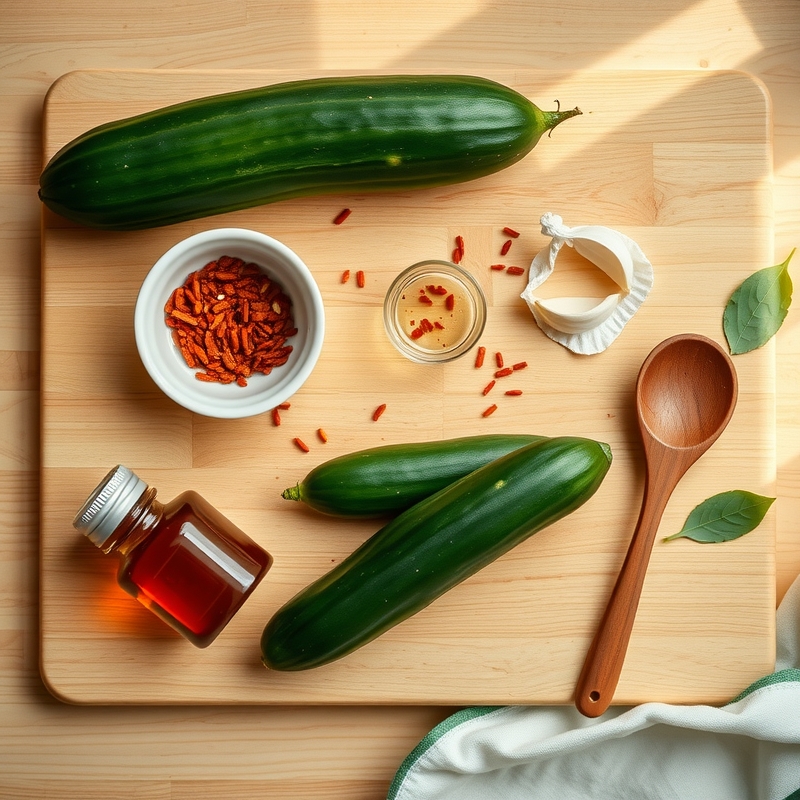
If you get nothing else from this article, get the right gochugaru. 고추가루 (gochugaru) — Korean red pepper flakes — is not interchangeable with crushed red pepper, cayenne, paprika, or chili powder. It’s a completely different product. The flakes are coarser, slightly sweet, moderately hot, and have a fruity depth that generic chili flakes simply don’t have.
Using the wrong pepper is the most common mistake non-Korean cooks make with these recipes, and it’s the reason the dish “doesn’t taste like the restaurant.” Gochugaru comes in two textures: coarse (for kimchi and stuffed dishes like oi-sobagi) and fine (for sauces and pastes). For cucumber side dishes, either texture works, but coarse is traditional.
You can find gochugaru at any Korean grocery store or Asian market. Look for the bags labeled 고춧가루 in the dried goods aisle — they’re usually sold in 1-pound bags and keep for months in the freezer. If you don’t have a Korean market nearby, it’s widely available online.
Korean Gochugaru (Red Pepper Flakes)
This is the one ingredient that transforms a basic cucumber salad into authentic Korean banchan. The coarse-cut flakes have a mild, fruity heat that sticks to salted cucumber slices — nothing like the sharp burn of regular crushed red pepper.
Korean Toasted Sesame Oil
Korean sesame oil is darker and more intensely nutty than most brands in Western grocery stores. A half-teaspoon finishes every cucumber side dish with the warm, roasted aroma that makes you close your eyes and think, “That’s the flavor I was missing.”
Frequently Asked Questions
What happens if I skip the salting step in Korean cucumber side dishes?
The cucumber will release water into the dressing within 30-60 minutes, turning the entire dish watery and diluting the flavor. Salting and squeezing removes excess moisture upfront, so the seasoning clings to each piece instead of pooling at the bottom of the bowl. It’s the single most important step — don’t skip it.
How long do Korean cucumber side dishes last in the refrigerator?
Most dressed cucumber banchan last 2-3 days in the fridge, while fermented versions like oi-sobagi can last up to a week. The vinegar-based oi-saengchae is best eaten within 1-2 days because it doesn’t have the preservative effects of gochugaru or fermentation. Store all of them in airtight containers.
Can I use English cucumbers or regular cucumbers instead of Korean cucumbers?
Yes — English cucumbers are the closest substitute widely available in American grocery stores. Korean cucumbers (called 백오이 or 취청오이) are thinner-skinned, crunchier, and have smaller seeds, but English cucumbers work well. Avoid standard American slicing cucumbers — they’re too waxy and seedy. Persian cucumbers are another excellent option.
What’s the difference between Korean cucumber side dishes and Japanese sunomono?
Japanese sunomono is vinegar-focused with a delicate sweetness, while Korean cucumber sides lean on sesame oil, garlic, and gochugaru for a bolder, more savory profile. Both cultures salt the cucumber first, but the seasoning philosophy is completely different. Korean versions are meant to stand up to strong-flavored rice and soup pairings.
Are Korean cucumber side dishes healthy?
Korean cucumber banchan are low in calories, high in hydration, and — in the case of fermented versions — contain beneficial probiotics. A typical serving of oi-muchim has fewer than 30 calories. The sesame oil adds healthy fats, and the garlic provides allicin. The fermented oi-sobagi offers the same probiotic benefits as other kimchi varieties.
Key Takeaways
- Salt and squeeze the cucumber before seasoning — this one step is why Korean cucumber sides stay crisp for days while Western cucumber salads go limp within an hour.
- Oi-muchim (spicy cucumber salad) takes under 10 minutes and is the most versatile Korean cucumber side dish — start here if you’re new to banchan.
- Oi-sobagi (stuffed cucumber kimchi) ferments at room temperature for 12-24 hours and keeps for up to a week, making it one of the most practical make-ahead side dishes for busy weeknights.
- Use real gochugaru, not generic red pepper flakes — this single ingredient swap is the reason your Korean cucumber dishes will taste like a restaurant’s instead of a rough approximation.
- English cucumbers or Persian cucumbers are the best substitutes for Korean cucumbers in American grocery stores — avoid standard slicing cucumbers, which are too waxy and seedy.
- Korean banchan culture is built around efficiency — most Korean working women prep 4-5 small dishes on one day, and cucumber sides are among the fastest to prepare.
Tonight, try one thing: slice a cucumber, salt it for 10 minutes, squeeze out the water, and toss it with sesame oil, a pinch of garlic, and whatever chili flakes you have on hand. You’ll understand in one bite why Korean mothers never skip the salting step — and why your cucumber salads have been underperforming all along.
This article contains affiliate links. If you purchase through these links, we may earn a small commission at no extra cost to you. We only recommend products we genuinely believe in.