A Korean elementary school mom I know packs lunch in under 15 minutes every morning — and her kids have never once asked to trade with a friend. Her secret isn’t fancy cooking skills. It’s the Korean 도시락 (dosirak) system: small portions of colorful, flavor-packed foods that travel well and look irresistible when the lid comes off. Here are 7 Korean lunch box ideas for kids that are genuinely easy, parent-tested, and built to survive a backpack until noon.
Quick-Pick Summary: 7 Korean Lunch Box Ideas at a Glance
| Lunch Box Idea | Prep Time | Kid Appeal | Make-Ahead Friendly? |
|---|---|---|---|
| Mini Kimbap Rolls | 20 min | ★★★★★ | Yes — night before |
| Japchae Rice Bowl | 25 min | ★★★★☆ | Yes — 2 days ahead |
| Mini Tteokgalbi Patties | 15 min | ★★★★★ | Yes — freeze in batches |
| Egg-Wrapped Rice (Omurice) | 10 min | ★★★★★ | Same-day only |
| Chicken Gangjung Bites | 20 min | ★★★★★ | Yes — reheat well |
| Bibimbap Dosirak | 25 min | ★★★★☆ | Partial — prep veggies ahead |
| Mini Jeon Pancakes | 15 min | ★★★★☆ | Yes — freeze stacks |
1. Mini Kimbap Rolls — The Korean Lunch Box Idea Every Kid Loves
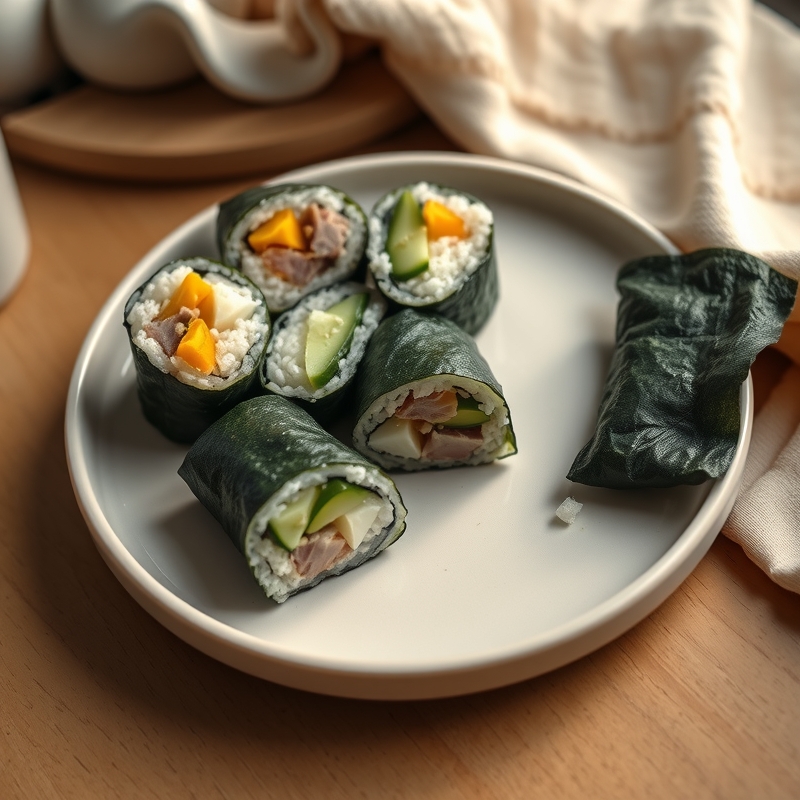
Mini kimbap (꼬마김밥) is the single most popular Korean lunch box item for kids, and for good reason — it’s finger food, endlessly customizable, and doesn’t need reheating. Unlike full-sized kimbap, these bite-sized rolls use less rice and more filling, which means better flavor in every bite and less mess in tiny hands.
Most Korean moms keep it simple with just two or three fillings. Forget the elaborate 8-ingredient rolls you see online — kids prefer clean, familiar flavors.
Winning Filling Combos
- Cheese + ham + cucumber — the gateway combo for picky eaters
- Tuna mayo + pickled radish — classic Korean convenience store style
- Bulgogi + carrots — protein-packed and naturally sweet
Freshness trick: Brush finished rolls lightly with sesame oil, then wrap in parchment paper before placing in the lunch box. The oil prevents the seaweed from getting tough, and parchment keeps rolls from sticking together. Skip plastic wrap — it traps moisture and makes seaweed soggy.
2. Japchae Rice Bowl — Vegetables Kids Don’t Complain About
If your child rejects vegetables in every other form, try japchae (잡채). There’s something about sweet potato glass noodles tossed in sesame oil and soy sauce that makes spinach, carrots, and mushrooms completely invisible to a child’s vegetable radar.
The key is cutting everything into thin matchsticks — the same size as the noodles — so kids can’t pick out individual vegetables. Korean moms have been using this trick for decades. Layer japchae over warm rice in a compartmented lunch box, and you’ve got a balanced meal that covers protein (the beef or egg strips), complex carbs, and at least three different vegetables.
Batch-Cooking Shortcut
- Make a large batch of japchae on Sunday
- Portion into containers — it keeps well for 2-3 days refrigerated
- In the morning, just scoop over fresh rice
- Add a few cherry tomatoes on the side for color contrast
Japchae actually tastes better the next day once the flavors meld, which makes it ideal for lunch boxes. Without the make-ahead option, most Korean lunch box ideas for kids fall apart during a busy weekday morning.
3. Mini Tteokgalbi Patties — Korean Meatballs That Freeze Perfectly
Tteokgalbi (떡갈비) are seasoned Korean meat patties that taste like a cross between a meatball and a burger — and most Korean kids rank them as a top-three favorite food. The word 떡 (tteok) here refers to the soft, slightly bouncy texture, not rice cake. That texture comes from one unexpected ingredient: tofu.
Mixing silken tofu into the ground meat (roughly 1 part tofu to 3 parts beef or pork) makes the patties softer and juicier than plain meat. It also stretches the protein further, which your grocery budget will appreciate. Korean school cafeterias use this exact method.
Freezer Batch Method
- Mix 400g ground meat with 100g mashed silken tofu, 1 tbsp soy sauce, 1 tsp sugar, 1 tsp minced garlic, and sesame oil
- Form into small, flat patties — about the diameter of a jar lid
- Pan-fry until golden, then cool completely
- Freeze in a single layer, then transfer to a zip bag
- Morning of: microwave 2-3 patties for 90 seconds, tuck into lunch box with rice
One Sunday batch of around 20 patties covers a full month of lunches when rotated with other options.
4. Egg-Wrapped Rice (Omurice) — 10 Minutes, Zero Complaints
오므라이스 (omurice) is arguably the fastest Korean lunch box idea for kids — a thin egg omelette wrapped around seasoned fried rice, ready in 10 minutes flat. It’s the Korean lunchtime equivalent of comfort food, and the thin egg blanket keeps the rice moist for hours.
Instead of a 45-minute elaborate bento, omurice gets you out the door in under 10 minutes with something kids genuinely look forward to opening. The trick Korean moms use: ketchup-flavored rice. Yes, really. A tablespoon of ketchup stir-fried with leftover rice, diced ham, and frozen peas creates a slightly sweet, tangy base that kids go wild for.
Lunch Box Assembly
- Fry leftover rice with 1 tbsp ketchup, diced ham, and peas — 3 minutes
- Beat 2 eggs, cook as a thin omelette — 2 minutes
- Place rice on the omelette, fold into an envelope shape
- Place seam-side down in the lunch box so it holds its shape
Important: Omurice is best packed same-day. The egg doesn’t hold up well overnight, so save this one for mornings when you have 10 spare minutes but didn’t prep anything the night before.
5. Chicken Gangjung Bites — Sweet-Crispy Pieces That Beat Nuggets
Most food blogs won’t tell you this: Korean fried chicken bites (닭강정, dakgangjung) hold their crunch in a lunch box far better than Western-style breaded nuggets because the coating is starch-based, not flour-based. Potato starch or cornstarch creates a glass-like shell that stays crispy for hours, while flour coatings absorb moisture and turn soggy within 30 minutes.
The sweet soy glaze on gangjung also acts as a flavor seal, locking in moisture inside while keeping the outside firm. This is why you see gangjung at every Korean picnic, school event, and sports day — it’s engineered for traveling.
Kid-Friendly Version
- Cut boneless chicken thigh into bite-sized pieces
- Toss in cornstarch until evenly coated
- Fry at medium-high heat until golden and cooked through
- Toss in a sauce of 2 tbsp soy sauce, 1 tbsp honey, 1 tsp rice vinegar, and a pinch of garlic
- Spread on a wire rack to cool — this keeps the bottom from getting steamy
Skip the gochugaru (chili flakes) for younger kids. The honey-soy version is plenty flavorful without heat, and you can always add a tiny side container of spicy sauce for older kids who want it.
6. Bibimbap Dosirak — The Korean Lunch Box That Teaches Kids to Mix
A bibimbap dosirak turns a lunch box into an interactive meal — kids get to mix everything together themselves, which makes even the pickiest eaters more willing to try what’s inside. This works because of a well-documented principle in child nutrition: children eat more when they have agency over their own plate.
The setup is simple. Rice in one compartment. Three to four toppings in separate sections: seasoned spinach, julienned carrots, seasoned bean sprouts, and a fried egg or beef. A small container of gochujang (or ketchup for spice-sensitive kids) on the side.
Best Toppings for Kids
- Seasoned spinach — blanched, squeezed dry, tossed with sesame oil and salt
- Sweet soy beef — ground beef stir-fried with soy sauce and sugar
- Julienned carrots — quickly sautéed with a pinch of salt
- Fried egg — cook until the yolk is fully set for food safety
Pack the gochujang separately in a small silicone cup. Mixing the sauce into the rice before packing causes the rice to dry out and discolor by lunchtime.
7. Mini Jeon Pancakes — Flat, Stackable, Endlessly Variable
전 (jeon) — Korean savory pancakes — are one of the most underrated Korean lunch box ideas for kids because they’re flat, stackable, and taste just as good at room temperature as they do hot. While most cooked foods lose appeal when cold, jeon actually firms up into a satisfying, snackable texture that kids eat with their fingers.
The base batter is dead simple: flour, egg, water, and salt. What you mix in is where the magic happens.
Three Jeon Varieties Kids Love
- Hobak-jeon (호박전) — thin zucchini slices dipped in egg batter and pan-fried. Mild, slightly sweet, crispy edges.
- Chamchi-jeon (참치전) — canned tuna mixed into batter with scallions. Protein-rich and savory.
- Gamja-jeon (감자전) — grated potato pancakes, naturally gluten-free. Crispy outside, chewy inside.
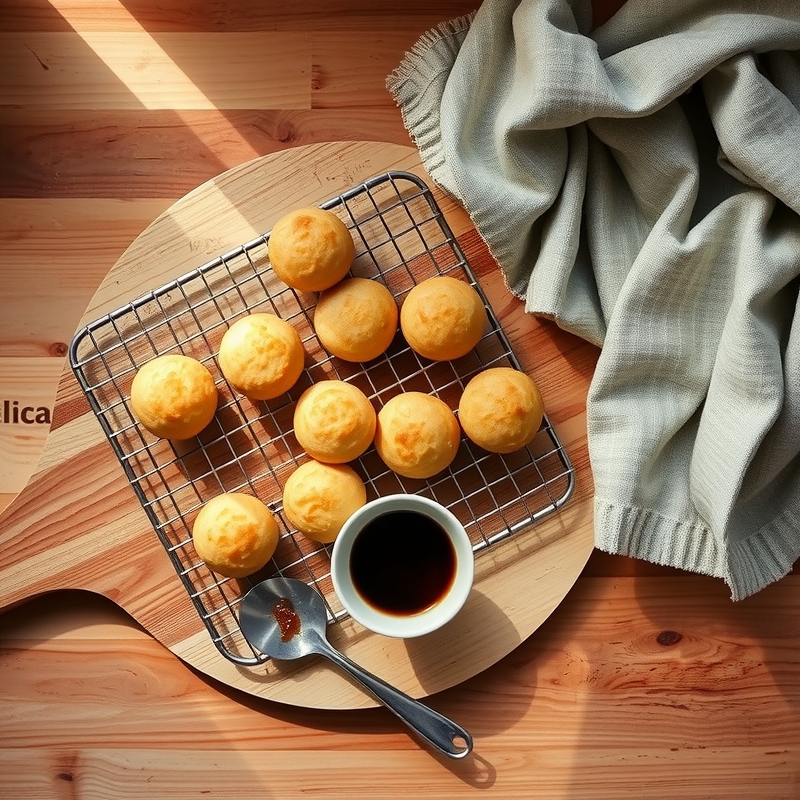
Make a double batch, layer between parchment paper, and freeze. In the morning, a quick 30-second microwave zap followed by 1 minute in a dry pan restores the crunch.
Why Korean Kids Eat So Well: The 도시락 (Dosirak) Culture
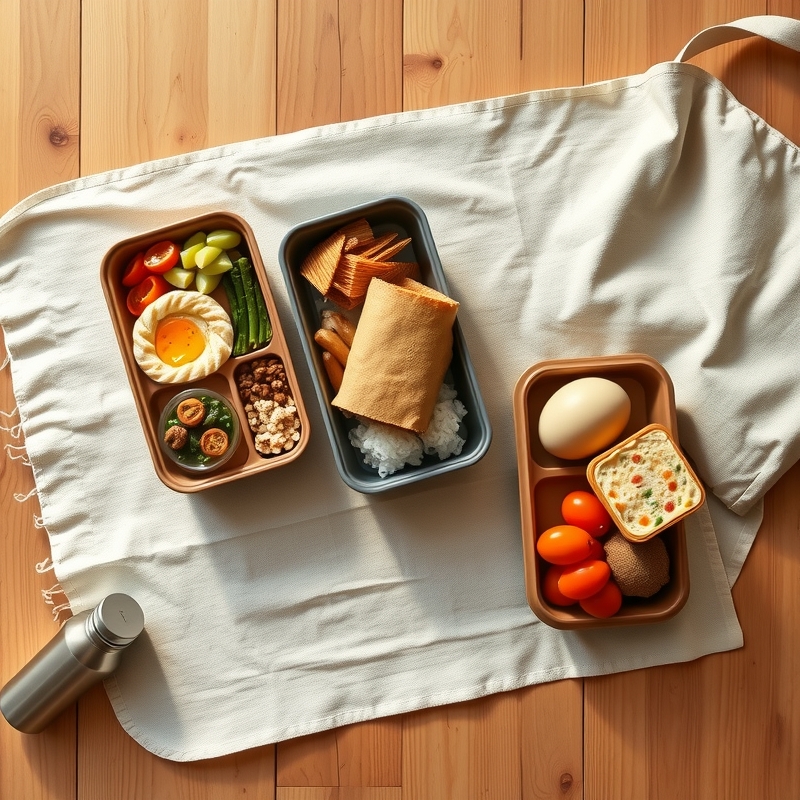
The Korean approach to packing school lunches is fundamentally different from the Western sandwich-and-chips model, and it starts with how Korean families think about meals. In Korean food culture, a proper meal — even for a child — should include 밥 (bap, rice), 국 (guk, soup or broth), and 반찬 (banchan, small side dishes). This structure is so ingrained that Korean lunch box containers are designed with multiple compartments, typically three to five sections, to keep each element separate.
Korean moms also practice 밑반찬 (mit-banchan) — a weekly meal prep tradition where several side dishes are made on Sunday and portioned throughout the week. Seasoned spinach, pickled radish, braised quail eggs, and seasoned dried seaweed are all staples that go straight from the fridge into a lunch box compartment without any morning cooking. The Harvard Healthy Eating Plate for kids recommends variety and color at every meal — a principle Korean dosirak culture has followed instinctively for generations.
Walk into any Korean stationery store or mart and you’ll find an entire aisle dedicated to lunch box supplies: insulated bags, leak-proof containers with built-in dividers, tiny sauce bottles shaped like animals, decorative food picks. Packing lunch isn’t treated as a chore — it’s part of caring for your family, and the tools reflect that.
Comparison: Korean Lunch Box Styles for Different Ages
| Feature | Toddler (2-4) | Elementary (5-10) | Tweens (11-13) |
|---|---|---|---|
| Portion size | 200-250 ml container | 400-500 ml container | 600-750 ml container |
| Best format | Finger foods (mini kimbap, jeon) | Compartment box with rice + sides | Rice bowl style (bibimbap, japchae bap) |
| Spice level | No spice, mild soy-based seasoning | Light gochujang on the side | Can handle moderate spice |
| Prep time | ~10 min (mostly assembly) | ~15-20 min | ~15 min (they can help prep) |
| Reheating needed? | No — room temp foods only | Optional — thermos for soup | Often has microwave access |
| Top pick from this list | Mini Kimbap (#1) | Tteokgalbi + Rice (#3) | Bibimbap Dosirak (#6) |
Frequently Asked Questions
How do I keep Korean lunch box food fresh until lunchtime?
The most effective method is cooling food completely before packing, then using an insulated lunch bag with a small ice pack. Hot food packed in a sealed container creates condensation, which makes rice mushy and seaweed soggy. Korean moms cook rice slightly firmer than usual for lunch boxes and let it cool on a flat plate for 5-10 minutes before packing.
What if my kid won’t eat rice?
Swap rice for glass noodles (japchae), rice cakes (tteok), or simply pack more of the protein and vegetable sides. Many Korean lunch box ideas work without rice as the base. Mini kimbap can be made with thinly sliced bread instead of rice (a hack Korean moms actually use for daycare-age kids), and jeon pancakes are completely rice-free.
Are Korean lunch boxes safe for kids with common allergies?
Most Korean lunch box recipes rely heavily on soy sauce and sesame, so soy and sesame allergies require substitutions. For soy-free options, use coconut aminos instead of soy sauce. For nut-free households, Korean cooking is naturally low in tree nuts — just watch for occasional pine nut garnishes in japchae recipes and skip them.
What happens if I don’t use a compartmented lunch box?
Without dividers, flavors bleed together and wet foods make dry foods soggy within an hour. Korean dosirak containers have compartments for exactly this reason. If you don’t have one yet, silicone baking cups inside a regular container work as a temporary fix. They keep the seasoned spinach away from the rice and the fruit away from everything else.
Can I prep Korean lunch boxes the night before?
Yes — and most Korean moms actually prefer night-before prep. Kimbap rolls, tteokgalbi patties, jeon pancakes, and japchae all hold up overnight in the fridge. The only item on this list that should be made same-day is omurice, since the egg wrapper loses its texture overnight. Pack everything the night before, refrigerate the whole box, and grab it on your way out.
Key Takeaways
- Mini kimbap and tteokgalbi patties are the two most reliable Korean lunch box items for kids — both freeze well, travel well, and get eaten consistently.
- Cornstarch coatings hold crunch for hours longer than flour coatings — that’s why Korean fried chicken bites (gangjung) stay crispy in a packed lunch when nuggets go soggy.
- Cooling food completely before sealing the lunch box prevents condensation, which is the number one reason packed lunches turn mushy by noon.
- Korean 밑반찬 (mit-banchan) weekly meal prep is the real secret to fast morning assembly — cook sides on Sunday, portion all week.
- Compartmented containers aren’t optional — they’re the structural reason Korean dosirak stays fresh and appetizing while mixed-together lunches don’t.
- Kids eat more when they have control over their meal, which is why bibimbap-style dosirak (mix it yourself) works so well for picky eaters.
Tomorrow morning, try the simplest option first: roll a few mini kimbap with just cheese and ham, brush with sesame oil, and wrap in parchment. When your kid comes home with an empty lunch box, you’ll know the system works.
This article contains affiliate links. If you purchase through these links, we may earn a small commission at no extra cost to you. We only recommend products we genuinely believe in.