A Korean makeup artist once revealed that the biggest mistake she sees from international clients isn’t choosing the wrong shade — it’s applying foundation before their skin is properly hydrated, which is why the base cracks by noon. That single misstep separates the flat, cakey finish most beginners get from the dewy, barely-there glow you see on Korean women walking through Garosu-gil on any given Tuesday. The truth is, Korean makeup is a 5-step method built on skincare-first philosophy — and if you skip the logic behind it, no product in the world will save your look.
Why Your Korean Makeup Looks Nothing Like What You See in Seoul
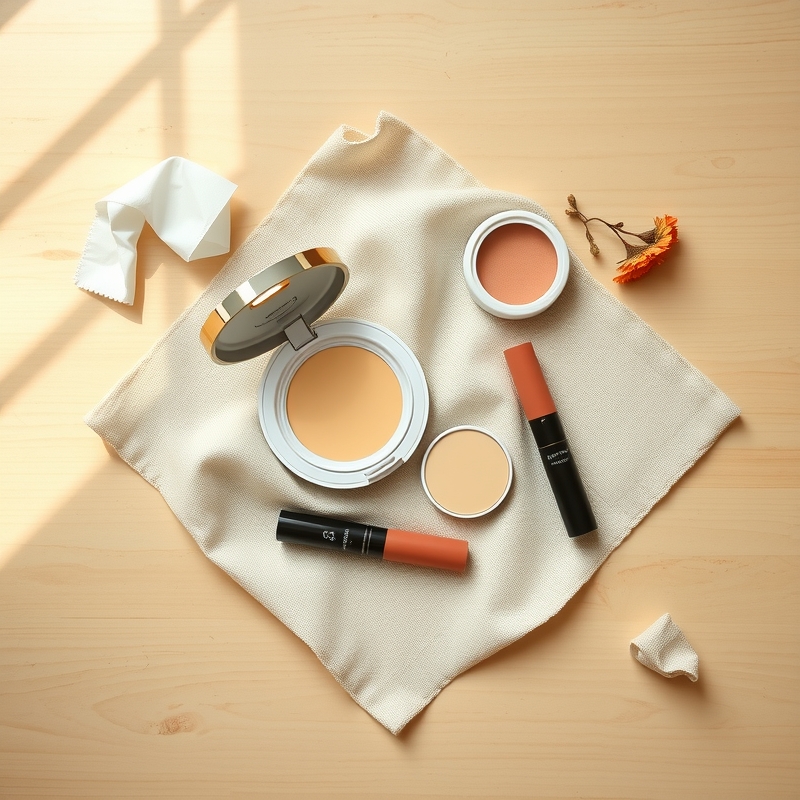
The core problem isn’t your skill level — it’s that Western makeup logic and Korean makeup logic start from completely opposite goals. Western makeup typically builds coverage to conceal. Korean makeup builds luminosity to reveal. When you apply Korean products with a Western mindset, you end up somewhere confusing in between.
Walk into any Olive Young store in Seoul and watch how Korean women test products. They don’t swatch foundation on the back of their hand — they dab it along their jawline and check how it disappears into the skin. The goal isn’t color-matching for coverage. It’s finding a formula that melts into the skin like it was never there.
Without understanding this philosophy, you’ll keep buying the right products and getting the wrong results. Here’s what that disconnect actually looks like:
Signs Your Korean Makeup Approach Needs a Reset
- Your BB cream or cushion looks like a visible layer sitting on top of your skin
- Your face looks matte and flat instead of naturally dewy
- Your blush and lip color feel disconnected from your base
- Your makeup oxidizes or separates within a few hours
- You’re using more product than you think you need — and it still doesn’t look right
- Your “Korean makeup look” only looks Korean in photos, not in person
If three or more of these sound familiar, the fix isn’t a new product haul. It’s rethinking the method from step one.
3 Korean Makeup Mistakes That Beginners Almost Always Make
Most makeup tutorials skip the “why” and jump straight to product lists — which is exactly why beginners repeat the same errors. These three mistakes are so common in Seoul’s beauty classes for foreigners that instructors address them before touching a single brush.
Mistake #1: Skipping the Hydration Base
In Korean makeup, skincare IS the first three steps of your makeup routine. Korean women typically apply toner, essence, and moisturizer — then wait two to three minutes for absorption — before any color product touches their face. This isn’t extra effort. A properly hydrated base is what creates the “glass skin” effect that no amount of highlighter can fake.
Skipping this step is like painting a dry wall without primer. The color goes on patchy, clings to dry spots, and flakes off by afternoon. Most Korean makeup artists say the base prep accounts for about 70% of the finished look.
Mistake #2: Applying Too Much Base Product
Here’s something that surprises almost every foreigner who visits a Korean beauty counter: the standard amount of cushion foundation Korean women use is roughly one thin tap of the puff — not three heavy presses. The technique is light, bouncing pats across the center of the face, fading to nearly nothing at the edges.
Most food blogs get the recipe wrong, and most beauty tutorials get this wrong too — they show a full-coverage application using Korean products designed for sheer layering. The result? That uncanny “mask” look that screams foundation instead of whispering “good skin.”
Mistake #3: Ignoring the “Gradient” Rule
Korean makeup lives and dies by gradients. Lip color is concentrated at the center and fades outward. Blush sits on the highest point of the cheeks and diffuses softly. Even eyebrow color is lighter at the inner corner and deeper at the tail. Without gradient application, Korean makeup products look harsh instead of soft — which is the opposite of the intended effect.
This technique isn’t widely known outside Korea, but it’s the single biggest reason why Korean women’s makeup looks “natural” even when they’re wearing blush, lip tint, eyeshadow, and brow color simultaneously.
The 5-Step Korean Makeup Tutorial for Beginners That Actually Works
This streamlined routine takes under 15 minutes instead of the 45-minute routines you see on YouTube — because Korean daily makeup is actually minimal. The elaborate multi-step looks are for special occasions. What you see on the streets of Myeongdong every day is this stripped-down, skin-focused method.
Step 1: Prep With a Hydrating Primer or Tone-Up Cream
After your skincare routine has absorbed (give it at least two minutes), apply a thin layer of tone-up cream or hydrating primer. In Korea, tone-up cream is the secret step that most international tutorials skip entirely — it evens out skin tone and adds a luminous base without any coverage. Think of it as the canvas preparation.
Apply a pea-sized amount, pressing it in with your palms rather than rubbing. Palms warm the product and help it melt into the skin. This is how it’s taught at most Korean beauty academies.
Step 2: Cushion or BB Cream — Less Than You Think
Take your cushion compact puff and press it into the product once, lightly. Dab the product onto the center of your face first — forehead, nose, both cheeks, chin — then bounce the puff outward toward the edges. The key word is “bounce,” not “drag.” Dragging lifts your skincare base and creates streaks.
For areas that need more coverage (around the nose, any blemishes), add one more light tap on that specific spot. Korean women call this “pointu makeup” (포인트 메이크업) — targeted touch-ups rather than all-over layering.
Step 3: Concealer Only Where Needed
Most Korean women use concealer on exactly three spots: under-eye darkness, around the nostrils where redness shows, and any active blemishes. That’s it. The concealer goes on AFTER the base, not before — the opposite of many Western tutorials. This way, you use dramatically less product because the base has already done most of the work.
Blend with your ring finger (it applies the least pressure) using tiny tapping motions. Never swipe.
Step 4: The “Life Face” Layer — Blush, Brows, Lips
Korean makeup philosophy groups these three together because they serve the same purpose: making you look alive and healthy, not “made up.” Here’s the order and technique:
- Brows: Use a brow pencil or powder one shade lighter than your natural brow color. Start from the middle of the brow, not the inner corner — build the inner edge last with feathery, light strokes. Korean brows are straight or softly arched, not dramatically angled.
- Blush: Cream or liquid blush (not powder) is the standard in Korea right now. Apply a small dot to the apple of each cheek and blend upward toward the temple. The placement is higher than Western blush — sitting right beneath the under-eye area — which creates a youthful, “just came in from the cold” flush.
- Lips: This is where the gradient technique matters most. Apply lip tint or lipstick to the inner center of your lips, then press your lips together and blend outward with your finger. The edges should fade to your natural lip color. This is the signature Korean lip look — called “gradient lips” (그라데이션 립) — and it makes lips look fuller without overlining.
Step 5: Set Strategically, Not All Over
Korean women generally do not powder their entire face. Setting powder goes only on the T-zone (forehead, nose, chin) while the cheeks stay dewy. This “half-matte, half-dewy” balance is what gives Korean makeup that dimensional, skin-like finish that full-matte or full-dewy approaches can’t replicate.
Use a small fluffy brush and a translucent loose powder. Two light taps on the brush, blow off the excess, then press gently onto the T-zone. Every time you open your compact on the subway in Seoul, you’ll see Korean women doing exactly this — a quick T-zone touch-up, never full-face powdering.
Korean Makeup Products vs. Western Products: What’s Actually Different
The difference isn’t just branding — Korean makeup formulas are engineered for a fundamentally different finish. This comparison breaks down what to expect so you choose products that match the technique above.
| Feature | Korean Cushion / BB Cream | Western Liquid Foundation | Western Tinted Moisturizer |
|---|---|---|---|
| Coverage Level | Light to medium, buildable | Medium to full | Sheer to light |
| Finish | Dewy, luminous (“glass skin”) | Matte or satin | Natural, minimal glow |
| Skincare Ingredients | Often includes SPF, niacinamide, hyaluronic acid | Rarely includes active skincare | Some hydrating ingredients |
| Application Method | Bouncing puff / patting | Brush, sponge, or fingers | Fingers or sponge |
| Typical Price Range | Around $12–25 (varies by brand) | Around $30–55 | Around $20–40 |
| Best For | Natural “my skin but better” look — best value for beginners | Full glam, events, photography | Minimal makeup days only |
| Longevity | 4–6 hours (designed for touch-ups) | 8–12 hours | 3–4 hours |
| Shade Range | Limited (improving slowly) | Wide range | Moderate range |
Notice how the Korean cushion sits in a sweet spot — more coverage and skincare benefits than a tinted moisturizer, but more natural than full foundation, at a lower price point. For beginners learning the Korean method, a cushion compact is the most forgiving format because the puff controls how much product you pick up.
Missha M Perfect Covering BB Cream SPF 42
This is the BB cream that quietly became a staple in Korean households long before K-beauty went global. The lightweight formula builds from sheer to medium coverage while keeping that dewy, skin-like finish — exactly the texture you need for the patting technique in Step 2.
(paid link)
Check Availability & Reviews →
Etude House Drawing Eye Brow Pencil
There’s a reason this pencil has been a top seller at Olive Young for years — the thin, firm tip makes it nearly impossible to overdraw, which is exactly what beginners need when learning the soft, straight Korean brow shape. It comes in shades specifically designed for Asian and dark hair tones.
(paid link)
See Why Reviewers Love This →
Laneige Lip Glowy Balm
If you’re not ready to commit to a full lip tint yet, this balm gives you that subtle, gradient-friendly wash of color that Korean women layer under or instead of lipstick. The texture is balm-like enough to blend easily with your finger — perfect for practicing the gradient lip technique without any high-stakes precision.
(paid link)
View Current Price →
Frequently Asked Questions
What happens if I skip the skincare prep before Korean makeup?
Your base will look dry, patchy, and separate within a few hours. Korean makeup formulas — especially cushions and BB creams — are designed to blend into hydrated skin. Without that moisture layer, the product sits on top and oxidizes faster, which is why it looks different at noon than it did at 8 AM.
Can I do Korean makeup on darker skin tones?
Yes — the technique works on every skin tone, though shade selection requires more attention. The Korean makeup industry has historically had a limited shade range, but brands like Laneige and COSRX have expanded their ranges significantly. Focus on matching your undertone (warm, cool, or neutral) rather than just lightness. The gradient lip and blush techniques are universal and look stunning on deeper complexions.
Why does Korean makeup look cakey on me but natural on Korean influencers?
The most common reason is product quantity — Korean women use roughly half the amount of base product that Western tutorials suggest. Influencers also film after letting their skincare absorb for several minutes, which creates a smoother canvas. Try cutting your cushion application to one light press instead of two or three, and give your moisturizer a full two minutes before starting makeup.
How long does a Korean makeup routine actually take?
A daily Korean makeup routine takes most women about 10 to 15 minutes, not counting skincare. The elaborate tutorials you see online are typically editorial or special-occasion looks. The everyday Korean approach — tone-up cream, cushion, brows, blush, lip tint — is intentionally fast. Many Korean women do their entire makeup routine on the subway during their commute.
What’s the difference between a BB cream and a cushion compact?
The formula is often very similar — the main difference is the delivery system. A cushion compact holds the product in a sponge-soaked pad that you press a puff into, giving you controlled, thin layers automatically. A BB cream in a tube requires you to control the amount manually. For beginners, cushion compacts are more forgiving because they naturally dispense less product per application.
Key Takeaways
- Korean makeup is a skincare-first method — hydrating your skin before any color product is the single most important step that separates a natural glow from a cakey finish
- Use half the base product you think you need — one light press of a cushion puff, bounced across the center of the face and faded at the edges, is the standard amount in Korea
- The gradient technique is what makes Korean makeup look “natural” — apply lip color, blush, and even brow color concentrated in one area and blended outward, never in a solid block
- Only powder your T-zone, never your full face — the contrast between matte center and dewy cheeks is what creates that dimensional, glass-skin effect
- Korean cushion compacts are the best beginner format because the puff naturally controls product amount, costs less than most Western foundations, and includes skincare ingredients like SPF
- The entire Korean daily makeup routine takes about 10 to 15 minutes — if your routine takes longer, you’re likely overcomplicating it with steps that Korean women reserve for special occasions
Tonight, try just one thing: after your moisturizer, wait a full two minutes, then apply your base product with patting motions instead of rubbing. That single change — patience plus patting — will get you closer to the Korean makeup finish than any new product purchase will.
This article contains affiliate links. If you purchase through these links, we may earn a small commission at no extra cost to you. We only recommend products we genuinely believe in.
You Might Also Like
- Korean Health Drinks Compared: Traditional vs Modern
- Korean Makeup vs Western Makeup: A Beginner’s Guide
- 7 Korean Beauty Supplements That Actually Work