A Korean makeup artist once told me the goal isn’t to look like you’re wearing makeup — it’s to look like you slept nine hours and drank two liters of water. That single philosophy separates Korean makeup from Western makeup more than any product ever could. If you’ve been watching K-drama actresses and wondering how their skin looks impossibly dewy yet barely “done,” you’re about to learn the exact techniques behind it — and how they compare to the Western approach you probably grew up with.
Whether you’re completely new to makeup or switching from a Western routine, this Korean makeup tutorial for beginners breaks down the real differences across every step — from base to lip — so you can choose the approach (or mix of both) that actually works for your face.
Korean Makeup vs Western Makeup: The Core Philosophy
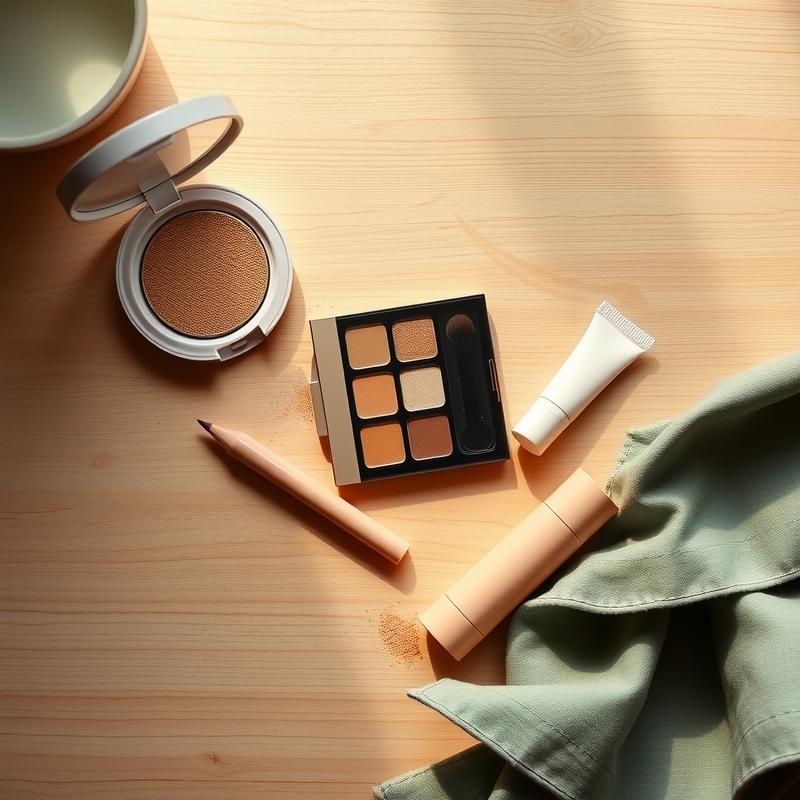
Korean makeup prioritizes skin that looks naturally luminous, while Western makeup emphasizes features through structure and definition. This isn’t just a trend difference — it shapes every single product choice and application technique from start to finish.
Walk into any Olive Young store in Seoul (Korea’s version of Sephora, but with thousands more options), and you’ll notice something immediately: the bestseller walls are dominated by cushion compacts, tinted serums, and gradient lip tints. Contouring palettes and full-coverage foundations are tucked away in a corner. That shelf layout tells you everything about what Korean consumers actually buy.
The “No-Makeup Makeup” Standard
In Korea, the ideal makeup look is called 생얼 메이크업 (saeng-eol makeup), which literally translates to “bare-face makeup.” The goal is to enhance your natural features so subtly that people compliment your skin, not your makeup skills. Most Korean women spend more time on skincare and base preparation than on eye or lip color combined.
Western makeup, by contrast, often celebrates visible artistry — a sculpted cheek, a dramatic wing, a bold lip. Neither approach is better; they solve different problems. But if you’ve been struggling with heavy foundation that looks cakey by noon, the Korean approach might change your entire relationship with makeup.
Key Philosophy Differences
- Coverage: Korean = sheer to light, building only where needed; Western = medium to full, even application
- Finish: Korean = dewy, glass-skin effect; Western = matte to satin, often set with powder
- Focus area: Korean = flawless base and lips; Western = eyes and contour
- Time investment: Korean = 70% skincare prep, 30% color; Western = 30% prep, 70% color
- Tool preference: Korean = fingers and cushion puffs; Western = brushes and sponges
| Dimension | Korean Approach | Western Approach | Best For |
|---|---|---|---|
| Overall Goal | Skin-first, “woke up like this” | Feature-sculpting, polished artistry | Korean if you want effortless; Western if you love drama |
| Daily Routine Time | 10–15 minutes (after skincare) | 20–35 minutes | Korean for speed |
| Learning Curve | Easier — fewer techniques to master | Steeper — blending, contouring, lining | Korean for true beginners |
| Product Count | 5–7 multi-use products | 10–15 single-purpose products | Korean for minimalists |
| Humidity Performance | Excellent — designed for Korean summers | Varies — often needs setting spray | Korean for hot/humid climates |
Korean Makeup Tutorial for Beginners: Base & Skin Prep Compared
Without proper skin prep, even the best Korean cushion compact will look patchy within two hours. This is the step most Western-trained beginners skip — and the single biggest reason their first attempt at Korean makeup doesn’t work.
Korean base makeup starts long before foundation. The philosophy is that a well-hydrated, primed canvas needs less coverage. Most Korean women apply sunscreen as the final skincare step, then a hydrating primer, then the thinnest possible layer of base product. The Western approach typically jumps from moisturizer to primer to a full layer of foundation.
The Korean Base Routine (5 Steps)
- Hydrating toner or essence — pat onto slightly damp skin to create a moisture reservoir
- Lightweight moisturizer — gel or emulsion texture, never heavy cream (it pills under makeup)
- SPF 50+ sunscreen — Korean sunscreens are formulated to sit beautifully under makeup, unlike many Western ones that leave a white cast
- Tone-up or color-correcting primer — lavender to cancel sallowness, green for redness, peach for dark circles
- Cushion compact or skin tint — applied with a patting (not dragging) motion using the cushion puff
The Western Base Routine (5 Steps)
- Moisturizer — often richer formula
- Primer — pore-filling or mattifying
- Foundation — applied with a damp beauty sponge or brush for full coverage
- Concealer — under eyes, around nose, on blemishes
- Setting powder — loose or pressed, especially T-zone
The biggest difference a beginner will notice: Korean base products are designed to be patted into skin, not blended or buffed. This patting motion (두드리다, du-deu-ri-da) keeps the product sitting on the surface for a dewy finish instead of being absorbed into pores. If you’ve been rubbing your cushion compact like a Western foundation, that’s why it isn’t working.
| Base Product | Korean Cushion Compact | Western Liquid Foundation | Korean Skin Tint |
|---|---|---|---|
| Coverage | Light to medium, buildable | Medium to full | Sheer — barely there |
| Finish | Dewy, luminous | Matte to satin | Natural, skin-like |
| Application | Cushion puff, patting motion | Brush, sponge, or fingers | Fingers only |
| Reapplication | Easy — compact is portable | Difficult mid-day | Easy but minimal coverage |
| Best For | Everyday wear, beginners | Events, photos, full glam | Minimalists, good-skin days |
| Price Range | Around $12–$25 | Around $15–$45 | Around $10–$20 |
COSRX Balancium Comfort Ceramide Cream
If your makeup keeps flaking or looking patchy, the problem is almost always hydration. This lightweight ceramide cream creates the smooth, plump base that Korean cushion compacts are designed to sit on — without the heaviness that causes pilling.
(paid link)
Check Availability & Reviews →
Eye Makeup & Lip Color: Korean vs Western Techniques
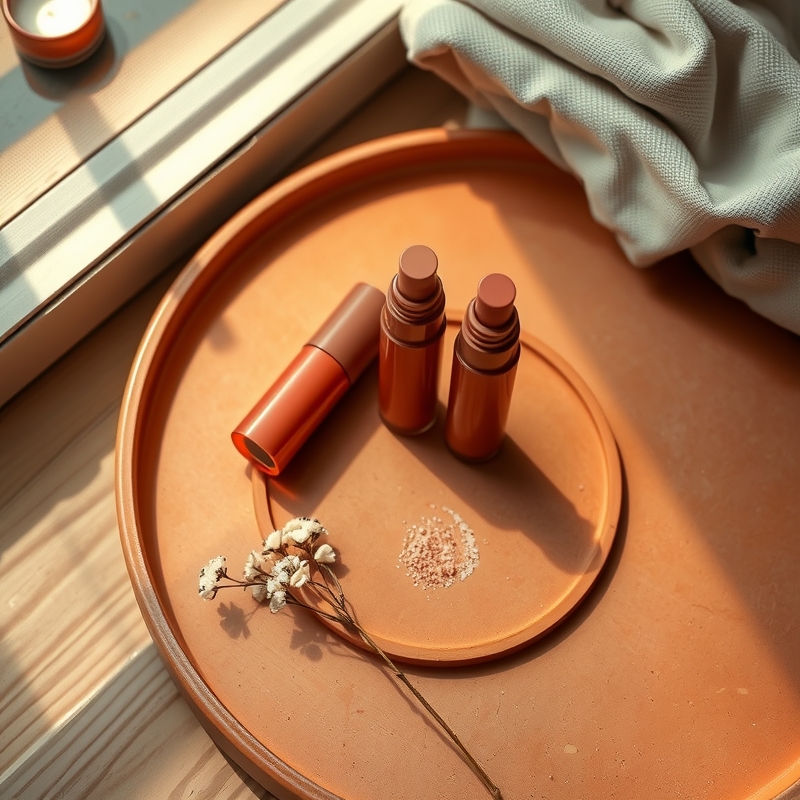
Korean eye makeup uses soft, diffused color to make eyes look larger and more youthful, while Western eye makeup uses contrast and precision to create depth and drama. This is where the two approaches diverge most visibly — and where most beginners get confused trying to follow Korean tutorials with Western products.
Korean Eye Makeup (The “Puppy Eye” Approach)
Most Korean eye looks center on one concept: making the eyes appear rounder and slightly droopy at the outer corners — the famous “puppy eye” (강아지 눈). This creates a youthful, approachable expression. Instead of winging liner upward (which lifts and sharpens), Korean liner extends slightly downward at the outer corner.
- Shadow palette: Typically 4 shades in the same warm-neutral family (peach, coral, soft brown). Applied with fingertips for a diffused, blended effect
- Liner: Thin, close to the lash line, extending slightly down at the outer corner. Brown or dark brown — black is considered too harsh for everyday
- Mascara: Applied primarily to upper lashes, curled aggressively upward. Lower lashes are often left bare or just lightly touched
- Under-eye sparkle: A dab of glitter or shimmer on the inner corner and center of the lower lid — the signature Korean “eye smile” detail
Western Eye Makeup (The “Cat Eye” Approach)
- Shadow palette: Multiple contrasting shades — lid color, crease color, transition shade, highlight. Applied and blended with brushes
- Liner: Winged upward at the outer corner for a lifted, elongated effect. Often black
- Mascara: Multiple coats on upper and lower lashes for maximum volume and definition
- Brows: Sculpted, often with a high arch — defined and structured
Here’s something most beauty blogs won’t tell you: Korean eyebrow trends have shifted dramatically. The straight, thick brow that dominated K-beauty for years is now considered slightly dated in Seoul. The current trend (as of 2025–2026) is a softer, slightly arched brow that still looks natural but has more shape than the completely flat style you’ll see in older tutorials.
Lip Color: The Gradient Lip vs The Bold Lip
The Korean gradient lip (입술 그라데이션) creates the illusion of a smaller, fuller mouth by concentrating color at the center and blurring outward. It’s one of the most-asked-about techniques for beginners, and it’s easier than it looks.
- Apply a thin layer of concealer or lip balm over the entire lip to neutralize natural lip color
- Dab a matte lip tint on the inner center of both lips — not the full lip surface
- Press lips together gently and pat the edges outward with your fingertip
- The result: vivid color at the center that fades naturally toward the edges
Western lip application, by contrast, typically uses a lip liner to define the full lip border, then fills in with lipstick or gloss for uniform color coverage. Both are beautiful — but the gradient technique is significantly more forgiving for beginners because there’s no precise edge to get wrong.
| Feature | Korean Eye + Lip | Western Eye + Lip | Hybrid (Best of Both) |
|---|---|---|---|
| Eye Shape Effect | Rounder, softer (puppy eye) | Elongated, lifted (cat eye) | Soft wing with shimmer lower lid |
| Brow Style | Natural, softly filled | Sculpted, arched | Defined but feathered |
| Lip Technique | Gradient — color at center | Full coverage — lip liner + lipstick | Gradient base + clear gloss |
| Color Palette | Warm neutrals, peach, coral | Wide range — smoky, jewel tones | Neutral eyes, versatile lip |
| Key Tool | Fingertips + cushion puff | Brushes + beauty sponge | Mix of both |
| Beginner Difficulty | Low — forgiving, blendable | Medium to high — precision needed | Low to medium |
Romand Juicy Lasting Tint
This is the lip tint that taught most beginners how to do the Korean gradient lip. The formula is thin enough to pat and blend with your fingertip but pigmented enough that the center color stays vivid for hours. It’s a top seller at Olive Young for a reason.
(paid link)
See Why Reviewers Love This →
Innisfree My Eyeshadow (Single Pan)
Instead of buying a full palette you’ll half-use, Korean women often build custom palettes one shade at a time. Start with a matte warm brown and a shimmer champagne — those two shades cover every Korean everyday eye look.
(paid link)
Check Availability & Reviews →
Korean Makeup for Beginners: Products, Price & Results Compared
A complete Korean beginner makeup kit costs roughly 40–60% less than an equivalent Western kit — and uses fewer products to achieve a finished look. This isn’t because Korean products are lower quality; it’s because multi-use formulas are the norm. A single Korean lip-and-cheek tint replaces separate blush and lipstick. A cushion compact replaces foundation, concealer, and SPF.
The Starter Kit Comparison
If you’re building your first makeup collection from scratch, here’s what each approach actually requires and approximately costs (prices vary by retailer and brand tier):
| Product Category | Korean Kit (Budget) | Korean Kit (Mid-Range) | Western Kit (Mid-Range) |
|---|---|---|---|
| Base | Cushion compact (~$12) | Cushion compact (~$22) | Foundation + concealer (~$35) |
| Eyes | Quad palette + brown liner (~$15) | Quad palette + liner + mascara (~$28) | 12-pan palette + liner + mascara (~$45) |
| Lips | Lip tint (~$8) | Lip tint + gloss (~$18) | Lipstick + lip liner (~$25) |
| Cheeks | Same lip tint doubled as blush ($0) | Cream blush (~$12) | Powder blush + contour + highlight (~$35) |
| Setting | Skip — dewy finish intended ($0) | Setting mist (~$10) | Setting powder + spray (~$22) |
| Total | ~$35 | ~$90 | ~$162 |
The mid-range Korean kit is the sweet spot for most beginners — it gives you dedicated products for each step without breaking the budget, and the quality of Korean mid-range cosmetics (brands like Innisfree, CLIO, Romand, Peripera) consistently rivals Western prestige brands in independent reviews.
Where to Buy Korean Makeup Outside Korea
- Amazon — widest selection, fast shipping, but check seller ratings carefully (counterfeits exist for popular Korean brands)
- Olive Young Global (global.oliveyoung.com) — the official online store of Korea’s largest beauty retailer; ships internationally
- YesStyle — large K-beauty selection with frequent sales; shipping takes around 2–3 weeks
- Local Asian beauty stores — if you’re in a major city, stores like H Mart or specialized K-beauty shops carry popular brands
Longevity & Performance
One thing that surprises Western-routine beginners: Korean makeup is designed for Korea’s humid summers, which means many formulas actually last longer in hot weather than their Western equivalents. However, if you live in a very dry climate, the dewy finish can feel uncomfortable — in that case, a light dusting of finishing powder on the T-zone bridges the gap without losing the luminous effect.
Frequently Asked Questions
Can I mix Korean and Western makeup techniques?
Absolutely — most Korean women in their 20s and 30s already do. A popular hybrid approach uses Korean base products (cushion compact, skin prep) with Western eye techniques (subtle wing, defined crease). Start with the Korean base method for the skin-first effect, then add Western elements for the features you want to emphasize.
What happens if I skip the skincare prep before Korean makeup?
Korean base products will look patchy and wear off within a few hours. Cushion compacts and skin tints are formulated to bond with hydrated skin. Without that moisture layer, you’ll get uneven coverage and flaking — then blame the product when it’s actually the prep. Even two minutes of toner and moisturizer makes a noticeable difference.
Is Korean makeup suitable for darker skin tones?
The shade range has improved significantly but still lags behind Western brands. Korean brands like CLIO, Laneige, and Missha have expanded their cushion compact shade ranges in recent years, though options beyond medium tones remain more limited than brands like Fenty or MAC. For deeper skin tones, consider using a Korean skincare prep routine with a Western foundation that matches your shade, then Korean lip and eye products — the techniques work regardless of skin tone.
How long does a Korean makeup routine take for a beginner?
Around 10–15 minutes once you’ve practiced a few times, compared to 20–35 minutes for a full Western routine. The Korean approach uses fewer products and relies on finger application rather than multiple brushes, which cuts time significantly. Most of the “effort” is actually in the skincare prep, which you’d ideally be doing anyway.
Do I need to buy all Korean products to do Korean-style makeup?
No — the technique matters more than the brand origin. You can achieve a Korean-style look with any sheer, dewy foundation patted on with your fingers, any matte lip color blended into a gradient, and any soft neutral eyeshadow. Korean products are optimized for these techniques, but they aren’t required to start learning.
Key Takeaways
- Korean makeup starts with skincare, not coverage — 70% of the effort goes into base preparation, which is why the finished look appears so naturally luminous
- The patting technique is the single most important skill to learn as a beginner; dragging or buffing Korean base products defeats their dewy formula design
- A complete Korean beginner kit uses 5–7 multi-use products and costs roughly 40–60% less than an equivalent Western collection
- The Korean gradient lip technique is the most beginner-friendly lip method because there’s no precise edge to draw — you concentrate color at the center and blur outward with your finger
- Korean and Western approaches are not mutually exclusive — the most practical beginner strategy is a Korean base with selective Western techniques for your preferred feature emphasis
- Brown liner, not black, is the everyday standard in Korea — it creates definition without the harshness that makes eye makeup look “heavy” on camera and in person
Tonight, try one thing: take whatever foundation or tinted moisturizer you already own and pat it on with your fingertips instead of a brush. Don’t rub, don’t blend — just press it gently into your skin with a bouncing motion. The difference in how your skin looks under that product will tell you everything about why Korean makeup works the way it does.
This article contains affiliate links. If you purchase through these links, we may earn a small commission at no extra cost to you. We only recommend products we genuinely believe in.
You Might Also Like
- 7 Korean Beauty Supplements That Actually Work
- 7 Korean Green Tea Benefits Most People Miss
- Korean Vitamin C Serum: Why Seoul’s Glow Is Different