My friend in Busan swears her grandmother’s rice water toner cleared her acne better than any department store serum. My dermatologist friend in Gangnam says that’s survivorship bias — and hands me a tube of centella cream. So which one should you choose? Korean DIY skincare at home and store-bought K-beauty target the same skin concerns, but they differ dramatically in cost, active ingredient concentration, shelf stability, safety testing, and long-term results. Here are 5 differences most comparison guides completely overlook.
Korean DIY Skincare vs Store-Bought: The Real Cost Breakdown
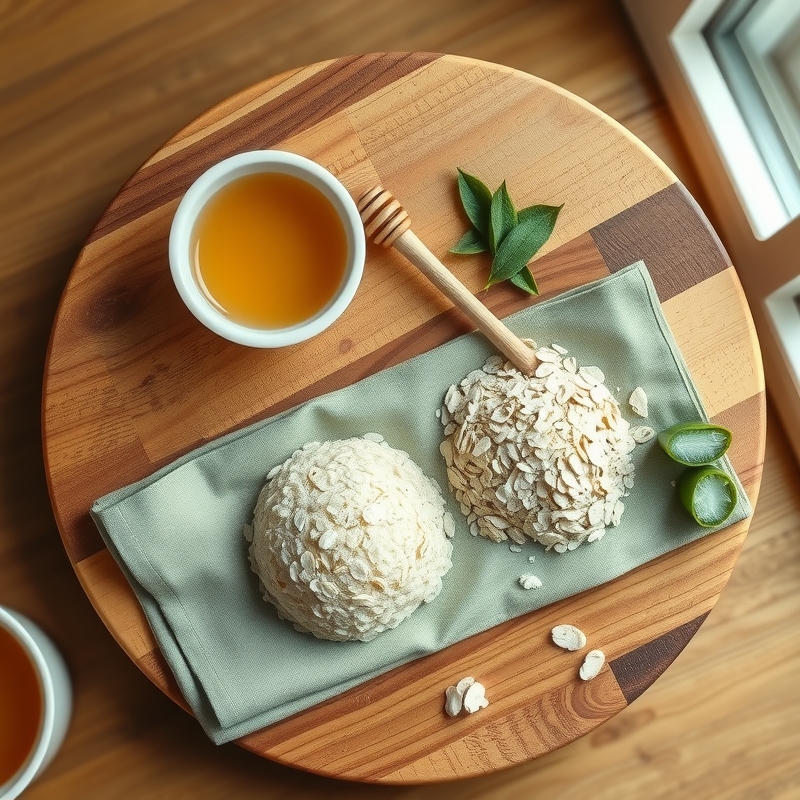
A full Korean DIY skincare routine costs roughly $3–8 per month using pantry staples, while a comparable store-bought K-beauty routine runs $25–60 per month. That price gap is the first thing everyone notices — and the reason DIY gets so much attention online. But the math is more complicated than it looks.
Walk into any Korean grocery store and you’ll find the core DIY ingredients already in the food aisle: rice, raw honey, green tea, sesame oil, and gochugaru (which nobody puts on their face, but the point is — Korean pantries double as skincare labs). The ingredients are genuinely inexpensive.
Here’s what most people miss: the hidden costs. Organic raw honey suitable for face masks runs higher than cooking honey. You’ll want glass containers, a mini whisk, maybe a double boiler for oil infusions. And there’s the cost of your time — a fresh rice water toner takes 15–20 minutes to prepare versus 10 seconds to pump from a bottle.
Monthly Cost Comparison Table
| Category | Korean DIY Skincare | Budget K-Beauty (Store-Bought) | Mid-Range K-Beauty (Store-Bought) |
|---|---|---|---|
| Cleanser | $1–2 (rice water, oat water) | $6–10 | $12–18 |
| Toner | $1–3 (green tea, rice water) | $5–9 | $15–25 |
| Serum / Treatment | $2–4 (honey mask, aloe gel) | $8–14 | $18–30 |
| Moisturizer | $1–3 (aloe + oil blend) | $6–12 | $14–22 |
| Monthly Total | $5–12 | $25–45 | $59–95 |
| Prep Time Per Use | 10–20 minutes | Under 2 minutes | Under 2 minutes |
| Shelf Life | 1–5 days (refrigerated) | 12–24 months | 12–36 months |
The budget K-beauty column is the decoy nobody talks about. For roughly $25 a month, brands like COSRX and Innisfree deliver lab-tested formulas with active concentrations you simply cannot replicate with kitchen ingredients. If your main motivation for DIY is saving money, budget K-beauty might give you better value per result.
Cost winner: Korean DIY skincare wins on raw price. But budget K-beauty wins on cost-per-effective-ingredient.
Effectiveness Compared: Korean DIY Skincare vs Formulated Products
Store-bought Korean skincare products contain active ingredients at concentrations that are impossible to achieve with kitchen ingredients — and that’s the single biggest difference between DIY and commercial K-beauty. This isn’t opinion; it’s chemistry.
Take niacinamide, one of the most popular ingredients in Korean skincare. Dermatologists generally recommend a concentration of 2–5% for visible brightening and pore refinement. A Korean serum delivers exactly that percentage, stabilized and pH-balanced. You cannot extract niacinamide from food-grade ingredients in your kitchen. It doesn’t exist in rice water or green tea in meaningful skincare concentrations.
The same applies to snail mucin, centella asiatica extract, hyaluronic acid at specific molecular weights, and retinol. These are the ingredients that Korean skincare became globally famous for — and none of them are DIY-friendly.
What Korean DIY Skincare Actually Does Well
That said, dismissing DIY entirely would be wrong. Korean grandmothers weren’t using placebo for decades. Rice water contains ferulic acid and allantoin — both proven soothing agents. Raw honey is a natural humectant and has mild antibacterial properties that Korean dermatologists acknowledge as beneficial for gentle hydration. Green tea is rich in EGCG, an antioxidant that Korean skincare brands actively extract and concentrate for their products.
The difference is potency. DIY gives you these compounds at whatever concentration nature provides. Formulated products concentrate, stabilize, and combine them for targeted results.
Effectiveness by Skin Concern
| Skin Concern | Korean DIY Approach | DIY Effectiveness | Store-Bought K-Beauty | Store-Bought Effectiveness |
|---|---|---|---|---|
| Basic Hydration | Honey + aloe mask | Good | Hyaluronic acid serum | Excellent |
| Gentle Brightening | Rice water toner | Mild | Niacinamide 5% serum | Strong |
| Acne / Blemishes | Green tea compress | Mild soothing only | BHA/salicylic acid toner | Strong |
| Anti-Aging | Sesame oil massage | Minimal | Retinol + peptide cream | Strong |
| Sensitive / Irritated Skin | Oat water + honey | Good | Centella / cica cream | Excellent |
| Sun Damage Repair | Green tea + aloe | Mild antioxidant support | Vitamin C serum + SPF | Excellent |
Notice the pattern: Korean DIY skincare performs best for hydration and gentle soothing — but falls short for targeted concerns like acne, aging, and hyperpigmentation. If your skin is generally healthy and you just want a calming, nourishing routine, DIY is genuinely effective. If you’re trying to solve a specific problem, formulated products have a clear advantage.
Effectiveness winner: Store-bought K-beauty for targeted concerns. DIY holds its own for basic hydration and soothing.
Ingredient Safety: Korean DIY Skincare vs Commercial Formulas
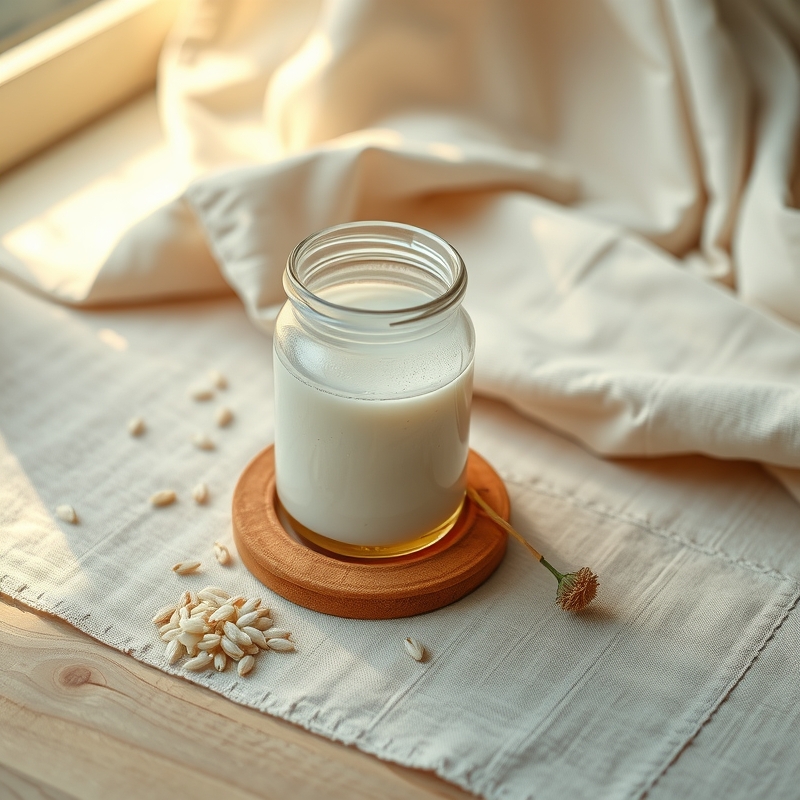
Without preservatives, DIY skincare becomes a bacteria breeding ground within 48–72 hours — and that’s a safety risk most Korean DIY tutorials never mention. This is the hidden difference that matters most to your skin’s health.
Korean commercial skincare products go through safety testing regulated by the Korean Ministry of Food and Drug Safety (MFDS), one of the strictest cosmetic regulatory bodies in Asia. Every product sold in Korea undergoes stability testing, microbial contamination testing, and ingredient safety review. Your kitchen honey mask undergoes none of that.
Common DIY Safety Mistakes
- Lemon juice on skin — popular in online tutorials, but the citric acid is unpredictably concentrated and can cause chemical burns and photosensitivity. Korean dermatologists consistently advise against it.
- Baking soda as exfoliant — has a pH of around 9, while healthy skin sits at pH 4.5–5.5. This disrupts your acid mantle and can cause lasting irritation.
- Egg white masks — raw egg carries salmonella risk, and the protein molecules are too large to penetrate skin meaningfully.
- Essential oils undiluted — tea tree, lavender, and citrus oils can cause contact dermatitis when applied directly without a carrier oil at the correct dilution ratio.
Safety Comparison at a Glance
| Safety Factor | Korean DIY Skincare | Store-Bought K-Beauty |
|---|---|---|
| Preservative System | None — must use within 1–3 days | Tested preservative system, 12–36 month stability |
| pH Testing | Uncontrolled unless you buy pH strips | Formulated to skin-compatible pH |
| Allergen Screening | Your responsibility to patch test | Screened per MFDS regulations |
| Contamination Risk | High (kitchen bacteria, no sterile environment) | Low (manufactured in controlled facilities) |
| Ingredient Interactions | Unpredictable when mixing | Chemist-formulated for compatibility |
This doesn’t mean DIY is dangerous — it means you need to follow strict hygiene rules. Always use clean utensils, store mixtures in the refrigerator, discard after 2–3 days, and patch test every new recipe on your inner wrist for 24 hours before applying to your face.
Safety winner: Store-bought K-beauty, by a significant margin.
Convenience and Daily Routine: Korean DIY Skincare vs Ready-Made
The average Korean woman spends 8–12 minutes on her evening skincare routine — and most of that time goes into layering products, not making them from scratch. In most Korean households, the skincare shelf is stocked with ready-made products. DIY recipes are more of a weekend self-care ritual than a daily routine.
This is something Western K-beauty content often misrepresents. The famous “10-step Korean skincare routine” uses formulated products at every step. Koreans aren’t blending rice water every morning. They’re reaching for their COSRX toner, their Innisfree serum, their Laneige sleeping mask — products designed for daily convenience.
Where Korean DIY Skincare Fits in Real Life
That said, many Korean women do incorporate DIY elements as weekly treatments alongside their regular products. Here’s what that actually looks like in a typical Korean household:
- Rice water rinse — used 1–2 times per week as a gentle brightening toner after washing rice for dinner (zero extra effort, since you’re cooking anyway)
- Honey mask — applied once a week for 15–20 minutes as a hydrating treatment
- Green tea ice cubes — frozen leftover green tea, rubbed on puffy morning skin for 30 seconds
- Mugwort steam — dried ssuk (mugwort) steeped in hot water, face held over the steam for a few minutes before cleansing
The most practical approach — and what most skincare-savvy Koreans actually do — is a hybrid routine: formulated products for daily use, DIY treatments as occasional supplements.
Daily Routine Comparison
| Routine Factor | Full DIY Routine | Hybrid (DIY + Store-Bought) | Full Store-Bought Routine |
|---|---|---|---|
| Daily Prep Time | 15–25 min | 5–10 min | 3–8 min |
| Weekly Prep Time | 30–60 min (batching recipes) | 15–20 min (1–2 DIY treatments) | 0 min |
| Travel-Friendly | Not at all | Mostly (carry store-bought, skip DIY) | Very |
| Consistency | Difficult to maintain | Sustainable | Easiest |
| Enjoyment Factor | High (ritual, self-care feel) | High (best of both worlds) | Moderate |
Convenience winner: The hybrid approach. It’s what most Korean women actually practice — and it’s the most sustainable long-term.
The Final Verdict: Korean DIY Skincare vs Store-Bought K-Beauty
For most people, a hybrid approach combining daily store-bought K-beauty with weekly Korean DIY treatments delivers the best balance of results, safety, cost, and enjoyment. Here’s the definitive breakdown:
| Category | Winner | Why |
|---|---|---|
| Lowest Cost | DIY | Pantry ingredients cost a fraction of commercial products |
| Best Results for Specific Concerns | Store-Bought | Lab-formulated concentrations are impossible to replicate at home |
| Safety | Store-Bought | MFDS-regulated, preservative-stabilized, pH-controlled |
| Daily Convenience | Store-Bought | No prep time, travel-friendly, consistent |
| Self-Care Ritual | DIY | The process itself is relaxing and rewarding |
| Overall | Hybrid (DIY + Store-Bought) | Use formulated products daily, add DIY treatments 1–2× per week |
If you’re drawn to Korean DIY skincare at home, don’t treat it as a replacement for tested products — treat it as the weekly self-care layer that Korean women have been adding on top of their routines for generations.
The Best Store-Bought Products to Pair With Your DIY Routine
You’ve been mixing rice water and honey masks, and your skin feels softer. But you’ve also noticed that stubborn dark spots haven’t budged and that dryness creeps back by midday. The problem isn’t your DIY recipes — it’s that some ingredients need to be concentrated, stabilized, and delivered at specific molecular weights to actually penetrate your skin barrier. That’s where a few targeted K-beauty products fill the gap your kitchen can’t.
COSRX Advanced Snail 96 Mucin Power Essence
This is the product that bridges the gap between DIY hydration and clinical-level repair. Snail mucin delivers deep moisture while supporting skin barrier recovery — something your honey mask starts but can’t finish on its own.
Innisfree Green Tea Seed Hyaluronic Acid Serum
If you’re already using green tea compresses, this takes that same antioxidant logic and concentrates it with hyaluronic acid for hydration that lasts all day — not just the 20 minutes your mask is on.
COSRX Low pH Good Morning Gel Cleanser
Your rice water cleanse is gentle — but it doesn’t control pH. This cleanser sits at pH 5.0–6.0, protecting the acid mantle that DIY cleansers often disrupt. Use it as your daily cleanser and save the rice water rinse for your weekly treatment days.
Frequently Asked Questions
Is Korean DIY skincare at home as effective as store-bought K-beauty products?
Korean DIY skincare is effective for basic hydration and gentle soothing but cannot match store-bought products for targeted concerns like acne, aging, or hyperpigmentation. DIY ingredients like rice water and honey contain beneficial compounds, but at much lower concentrations than formulated products. For best results, use both — daily store-bought products plus weekly DIY treatments.
What happens if I skip preservatives in homemade Korean skincare?
Without preservatives, homemade skincare products can develop harmful bacteria within 48–72 hours, even when refrigerated. Mold and bacterial growth aren’t always visible. Always make small batches, store in clean glass containers in the refrigerator, and discard any DIY mixture after 2–3 days maximum.
Which Korean DIY skincare recipes are actually safe for sensitive skin?
Rice water toner and raw honey masks are the two safest Korean DIY recipes for sensitive skin, as both are naturally gentle and have soothing properties. Avoid lemon juice, baking soda, and undiluted essential oils — these common DIY ingredients can cause irritation or chemical burns. Always patch test any new recipe on your inner wrist for 24 hours before applying to your face.
How often should I use Korean DIY skincare treatments?
Most Korean women who use DIY treatments apply them 1–2 times per week as supplements to their regular routine, not as daily replacements. A weekly rice water rinse after cooking dinner or a Sunday honey mask is realistic and sustainable. Daily DIY-only routines are difficult to maintain and less effective than a hybrid approach.
Can I replace my entire K-beauty routine with DIY alternatives?
Replacing your entire K-beauty routine with DIY is not recommended because you’ll miss critical active ingredients like niacinamide, hyaluronic acid, and SPF that cannot be replicated at home. Sunscreen alone — the single most important skincare product according to dermatologists worldwide — has no DIY equivalent. Use Korean DIY skincare at home as a complement, not a complete replacement.
Key Takeaways
- Korean DIY skincare at home costs $5–12 per month compared to $25–95 for store-bought K-beauty, but budget brands like COSRX deliver better cost-per-active-ingredient value.
- DIY excels at hydration and gentle soothing — rice water and honey masks are genuinely effective for these purposes and widely used in Korean households as weekly treatments.
- Store-bought K-beauty wins decisively for targeted skin concerns like acne, hyperpigmentation, and anti-aging because lab-formulated concentrations of niacinamide, retinol, and BHA are impossible to replicate in a kitchen.
- Homemade skincare without preservatives becomes a bacteria risk within 48–72 hours — always make small batches, refrigerate immediately, and discard after 2–3 days.
- The hybrid approach is what Korean women actually practice: formulated products for daily use, DIY treatments like rice water rinses and honey masks added 1–2 times per week.
- Sunscreen has no DIY alternative — never skip SPF regardless of how natural you want your routine to be.
Tonight, try this: after you rinse your rice for dinner, save the cloudy water in a glass jar. Let it sit at room temperature for one hour, then refrigerate. Tomorrow, use it as a gentle toner after cleansing — pat it onto your skin with your hands and follow with your regular moisturizer. You’ll feel the difference in softness by the second use.
This article contains affiliate links. If you purchase through these links, we may earn a small commission at no extra cost to you. We only recommend products we genuinely believe in.