A friend visiting Seoul last spring asked her Korean coworker how many skincare steps she actually does every morning. The answer? “Three. Sometimes two if I’m late.” Not ten. Not seven. And this woman had the kind of smooth, matte skin that stays oil-free through a humid Korean summer. Meanwhile, beauty blogs keep insisting you need a full 7-step (or 10-step) Korean skincare routine for oily skin — so which approach actually controls shine without clogging pores? Here’s the real breakdown, step by step, so you stop guessing and start building a routine that matches your skin.
Korean Skincare Routine for Oily Skin: Why 3 Steps vs 7 Steps Actually Matters
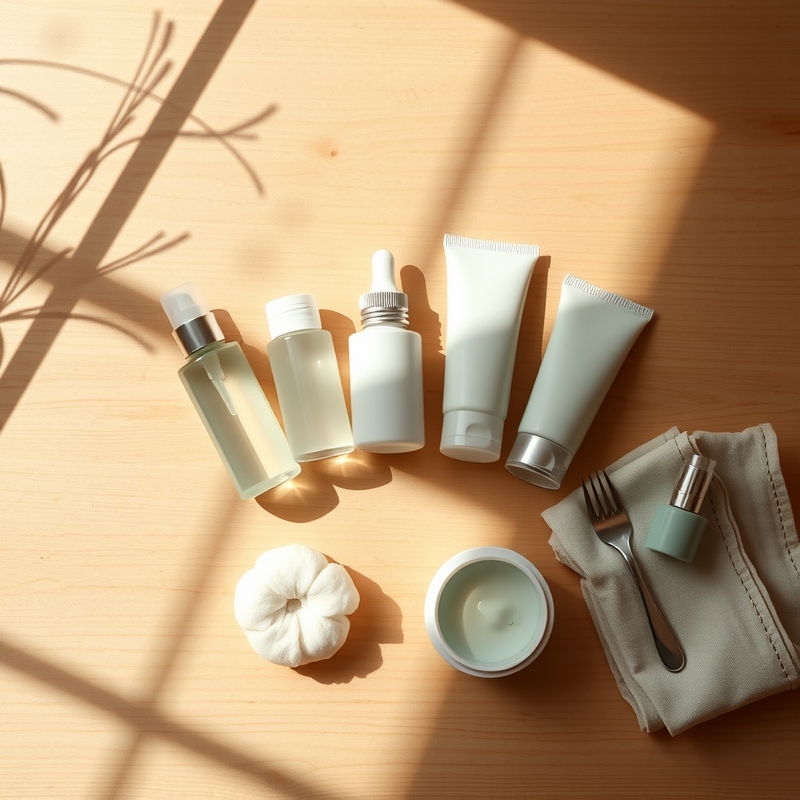
The number of steps in your Korean skincare routine matters far less than whether each product is formulated for oily skin. Walk into any Olive Young store in Seoul — Korea’s biggest beauty chain — and you’ll notice something: the bestseller shelves are dominated by lightweight, water-based formulas. Heavy creams sit in the back, collecting dust.
The original “10-step Korean skincare routine” was a marketing concept popularized for Western audiences around 2015. Most Korean women with oily skin have quietly trimmed it down. Korean dermatologists generally recommend focusing on three non-negotiable steps — cleansing, hydration, and sun protection — and only adding extras when your skin has a specific concern like acne scarring or enlarged pores.
So why does the 7-step version still exist? Because it works beautifully for certain situations:
- Evening routines when you’re wearing sunscreen and makeup that need proper removal
- Targeted treatment phases — like fading dark spots or managing hormonal breakouts
- Drier seasons when even oily skin gets dehydrated (yes, this happens — oily skin can still lack water)
The mistake most people make? Running a full 7-step routine morning AND night, 365 days a year. That’s not what Korean women with clear, oil-free skin actually do.
The 3-Step Korean Skincare Routine for Oily Skin
- Water-based gel cleanser (low pH, no sulfates)
- Lightweight hydrating toner (watery texture, no alcohol)
- SPF 50+ sunscreen (morning) or oil-free gel moisturizer (night)
The 7-Step Korean Skincare Routine for Oily Skin
- Oil cleanser (to dissolve sunscreen and makeup)
- Water-based gel cleanser (to remove remaining residue)
- Exfoliant (BHA/salicylic acid, 2-3 times per week only)
- Hydrating toner (applied in thin layers)
- Essence or serum (targeting a specific concern)
- Lightweight moisturizer (gel or emulsion texture)
- Sunscreen (morning only)
Morning Routine Compared: 3-Step vs 7-Step for Oily Skin
For morning routines, the 3-step approach wins for oily skin in almost every scenario. Here’s why: your skin didn’t encounter dirt, pollution, or heavy products overnight. Layering 7 products onto clean skin at 7 AM means you’re essentially giving your face more things to sweat through by noon.
Korean women with oily skin in Seoul — where summer humidity regularly hits 80-90% — typically keep mornings minimal. A gentle gel cleanser, a few pats of watery toner, and a mattifying sunscreen. That’s it. The toner isn’t there to “treat” anything. It rebalances your skin’s pH after cleansing, which helps your sunscreen sit better and prevents that greasy slide by lunchtime.
Without proper pH balancing after cleansing, your skin overcompensates by producing more sebum. That’s why skipping toner — even in a minimal routine — is the step most people cut that they absolutely shouldn’t.
| Morning Step | 3-Step Routine | 7-Step Routine | Winner for Oily Skin |
|---|---|---|---|
| Cleanser | Gel cleanser only | Gel cleanser only (skip oil cleanser AM) | Tie — same step |
| Toner | 1 layer, watery type | 1-2 layers, watery type | 3-Step — 1 layer is enough AM |
| Essence/Serum | Skip | Lightweight serum (niacinamide) | 3-Step — less layers = less shine |
| Moisturizer | Skip (sunscreen hydrates enough) | Oil-free gel moisturizer | 3-Step — modern sunscreens hydrate |
| Sunscreen | SPF 50+ mattifying | SPF 50+ mattifying | Tie — non-negotiable either way |
| Total Products | 3 | 4-5 | 3-Step wins AM |
| Time Required | Under 5 minutes | 10-12 minutes | 3-Step — half the time |
One thing most beauty blogs get wrong: you do NOT need a separate moisturizer under sunscreen if your sunscreen already contains hydrating ingredients like hyaluronic acid or centella. Most Korean sunscreens designed for oily skin already function as a light moisturizer. Layering both just adds unnecessary weight.
COSRX Low pH Good Morning Gel Cleanser
This is the cleanser you’ll find in practically every shared bathroom in a Korean university dorm. The low pH (around 5.0-6.0) means it cleans without stripping — so your skin doesn’t panic-produce oil an hour later.
(paid link)
Check Availability & Reviews →
Night Routine Compared: Full vs Minimal Korean Skincare for Oily Skin
Nighttime is where the 7-step Korean skincare routine earns its place — even for oily skin. During the day, your face accumulated sunscreen, sebum, environmental pollutants, and possibly makeup. A single gel cleanser won’t dissolve all of that. This is where the Korean concept of double cleansing genuinely makes a difference.
The first cleanse with an oil-based cleanser breaks down oil-soluble impurities (sunscreen, makeup, excess sebum). The second cleanse with a water-based gel cleanser removes everything else. Without that first oil step, residue stays in your pores overnight — and for oily skin, that means waking up to fresh breakouts.
But here’s what separates a smart 7-step night routine from an overcomplicated one: you rotate active steps instead of stacking them all every night.
| Night Step | 3-Step Routine | 7-Step Routine | Winner for Oily Skin |
|---|---|---|---|
| Oil Cleanser | Skip | Yes (removes sunscreen/makeup) | 7-Step — critical for pore clarity |
| Gel Cleanser | Yes | Yes | Tie |
| Exfoliant (BHA) | Skip | 2-3x per week | 7-Step — BHA penetrates oily pores |
| Toner | Yes, 1 layer | Yes, 2-3 thin layers | 7-Step — layering hydrates without heaviness |
| Essence/Serum | Skip | Niacinamide or snail mucin | 7-Step — targeted treatment works overnight |
| Moisturizer | Gel moisturizer | Gel moisturizer or sleeping mask | Tie |
| Total Products | 3 | 5-6 | 7-Step wins PM |
A Korean skincare approach called “skin cycling” has become standard among oily-skin types in Seoul: alternate your active treatment nights. Night 1: BHA exfoliant. Night 2: niacinamide serum. Night 3: recovery (toner + moisturizer only). Repeat. This prevents the irritation and oil rebound that comes from using acids every single night.
The BHA Step Most People Get Wrong
BHA (beta hydroxy acid) is oil-soluble, which means it can actually penetrate into clogged pores — unlike AHA, which only works on the skin’s surface. For oily skin, this distinction matters enormously. But applying BHA after a thick toner neutralizes its effectiveness. Apply BHA on clean, dry skin right after cleansing, wait 15-20 minutes, then continue with toner and the rest. Most people layer it wrong and wonder why their pores never look smaller.
COSRX BHA Blackhead Power Liquid
The reason this has been an Olive Young bestseller for years: it uses betaine salicylate, a gentler BHA derivative that controls oil and clears blackheads without the harsh drying effect of Western salicylic acid products. Your pores look visibly smaller within a few weeks of consistent use.
(paid link)
See Why Reviewers Love This →
Products and Cost: 3-Step vs 7-Step Korean Oily Skin Routine
A full 7-step Korean skincare routine for oily skin costs roughly 2-3 times more than a 3-step routine — but the cost-per-result gap is smaller than you’d think. Korean skincare products are designed to last. A single bottle of toner lasts around 2-3 months when applied in thin layers, and most serums last even longer because you only need 2-3 drops per application.
Here’s the real comparison that matters — not just price, but what you’re actually getting for oily skin:
| Factor | 3-Step Routine | 7-Step Routine | Hybrid (Recommended) |
|---|---|---|---|
| Monthly cost (approx.) | Around $15-25 | Around $40-65 | Around $30-45 |
| Products to buy | 3 | 6-7 | 5 |
| Morning time | 3-5 min | 10-12 min | 3-5 min |
| Evening time | 5 min | 15-20 min | 10-12 min |
| Oil control | Good | Excellent | Excellent |
| Pore refinement | Minimal | Significant | Significant |
| Breakout prevention | Moderate | Strong | Strong |
| Sustainability (will you stick with it?) | Very high | Moderate — many quit within weeks | High |
| Overall verdict | Solid baseline | Powerful but often overkill daily | Best of both — winner |
Notice the third column. The hybrid approach — a 3-step morning routine and a 5-7-step evening routine — is what most Korean women with oily skin actually practice. It gives you the treatment benefits at night when your skin repairs itself, without piling products under sunscreen during the day. This is the approach Korean dermatologists generally endorse for managing oily, acne-prone skin long-term.
The Ingredient Rule Korean Women Follow for Oily Skin
Before buying any product, check for these three ingredients that Korean women with oily skin actively look for — and the ones they avoid:
- Look for: Niacinamide (controls sebum production), centella asiatica (calms inflammation without heaviness), hyaluronic acid (hydrates without adding oil)
- Look for: Tea tree, green tea extract, or mugwort — naturally antibacterial and common in Korean formulas for oily skin
- Avoid: Coconut oil derivatives (comedogenic), heavy shea butter, mineral oil, and anything labeled “rich” or “nourishing” — these are formulated for dry skin types
COSRX Advanced Snail 96 Mucin Power Essence
This is the essence that converted oily-skin skeptics. Snail mucin sounds intense, but the texture is lightweight and watery — it absorbs in seconds and leaves skin hydrated without any sticky residue. It’s the one “extra” step oily-skin types in Korea actually keep in their routine.
(paid link)
Check Availability & Reviews →
The Verdict: Which Korean Skincare Routine Wins for Oily Skin?
Neither routine wins on its own — the hybrid approach is the clear winner. Use a minimal 3-step routine every morning and a fuller 5-7-step routine at night, rotating your active treatments. This is the pattern that Korean women with oily skin actually follow, and it balances results with sustainability.
If you’re just starting out, begin with the 3-step routine for two weeks. Let your skin adjust. Then add one evening product at a time — a BHA exfoliant first, then an essence. If your skin stays clear and balanced, you’ve found your personal sweet spot. If it starts breaking out, you’ve added too much too fast.
The golden rule from Korean skincare: your skin should feel hydrated but never heavy. If you press your fingers to your cheek and they slide, you’ve applied too much. If they stick slightly and release cleanly, that’s the texture you want.
Innisfree No Sebum Mineral Powder
The midday oil fix that fits in any bag. Korean women pat this onto their T-zone over sunscreen — it absorbs excess sebum instantly without disturbing makeup or sun protection underneath. A single compact lasts months because you need the smallest amount.
(paid link)
View Current Price →
Frequently Asked Questions
What happens if I skip moisturizer in my Korean skincare routine for oily skin?
Skipping moisturizer often makes oily skin worse, not better. When your skin is dehydrated, it compensates by producing even more sebum. The key is choosing a gel-type or water-based moisturizer that hydrates without adding oil. If your sunscreen already contains hyaluronic acid, you can skip standalone moisturizer in the morning — but always use one at night.
Can I use the 7-step Korean skincare routine if I have oily AND sensitive skin?
Yes, but introduce new products one at a time with at least a week between each addition. Oily-sensitive skin reacts badly to product overload. Start with the 3-step base, then add a BHA product once a week. If your skin tolerates it after two weeks, increase to twice weekly. Korean formulas tend to use gentler concentrations than Western products, which helps — but patience is still essential.
Do Korean women really use oil cleanser on oily skin?
Yes — oil cleansing is standard practice for oily skin in Korea, but only at night. It works on the principle that oil dissolves oil. An oil cleanser breaks down the day’s sebum, sunscreen, and makeup far more effectively than a foam cleanser alone. The key is choosing a lightweight cleansing oil that emulsifies and rinses clean with water, leaving no residue.
How long before I see results from a Korean skincare routine for oily skin?
Most people notice reduced oiliness within 2-3 weeks and clearer pores within 6-8 weeks. Your skin’s natural turnover cycle is approximately 28 days, so expect the full effects after one complete cycle. If you’re using BHA for the first time, mild purging (small breakouts) during weeks 2-3 is normal — your skin is pushing out clogs that were already forming beneath the surface.
What’s the biggest mistake people make with Korean skincare for oily skin?
Using too many products at once and using products that are too harsh. Stripping your skin with strong cleansers or overusing acids triggers rebound oil production. Korean skincare philosophy prioritizes gentle, consistent care over aggressive treatment. A routine you maintain daily for months will always outperform an intense routine you abandon after two weeks.
Key Takeaways
- The hybrid routine — 3 steps in the morning, 5-7 steps at night — is what Korean women with oily skin actually use, not a full 7+ steps twice daily.
- Double cleansing at night is the single most impactful step for oily skin — oil cleanser first dissolves sebum and sunscreen, gel cleanser second removes the rest.
- BHA (beta hydroxy acid) should be applied on clean, dry skin before toner, not after — applying it over toner reduces its ability to penetrate oily pores.
- Skipping moisturizer makes oily skin oilier — use a gel or water-based formula instead of cutting hydration entirely.
- Morning sunscreen can replace moisturizer if the formula contains hydrating ingredients like hyaluronic acid — one fewer layer means less midday shine.
- Rotate active treatments (BHA, niacinamide, recovery night) instead of stacking them — this is the “skin cycling” method Korean dermatologists generally recommend for oily, breakout-prone skin.
Tonight, try just one change: after your gel cleanser, pat on a thin layer of watery toner before anything else, and wait 30 seconds. If your skin feels balanced instead of tight, you’ve been skipping the step that controls oil production at its source.
This article contains affiliate links. If you purchase through these links, we may earn a small commission at no extra cost to you. We only recommend products we genuinely believe in.