A friend visiting Seoul last winter asked why her skin was flaking despite using a $60 moisturizer twice a day. Her Korean coworker glanced at her routine and said, “You’re locking in nothing.” That one sentence changed everything. The Korean approach to dry skin isn’t about finding one miracle cream — it’s a specific 7-step layering method that builds moisture in thin, absorbable layers so your skin actually retains hydration for 12+ hours.
Most Western routines jump straight from cleanser to heavy cream. Korean skincare treats dry skin as a hydration architecture problem — each layer has a job, and skipping even one means the layers above it underperform. Here are the 7 steps Korean women with dry skin rely on daily, in the exact order they apply them.
Quick-Pick Summary: 7 Korean Skincare Steps for Dry Skin
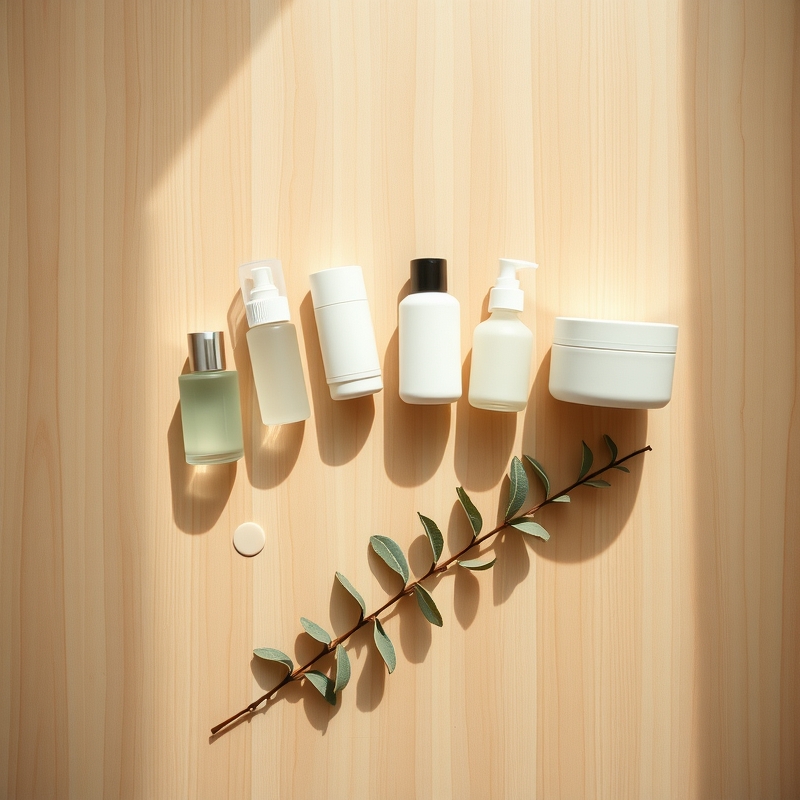
| Step | Product Type | Why It Matters for Dry Skin | Time Needed |
|---|---|---|---|
| 1 | Oil Cleanser | Removes makeup without stripping moisture | 60 seconds |
| 2 | Low-pH Water Cleanser | Cleans without disrupting skin barrier | 45 seconds |
| 3 | Hydrating Toner | Delivers first layer of water to skin | 30 seconds |
| 4 | Essence | Deep hydration at the cellular level | 30 seconds |
| 5 | Serum or Ampoule | Concentrated repair for dry, damaged areas | 30 seconds |
| 6 | Emollient Moisturizer | Seals in all previous layers | 30 seconds |
| 7 | Sleeping Mask (PM only) | Overnight occlusive barrier prevents water loss | 30 seconds |
Total active time: under 5 minutes. The rest happens while you sleep.
1. Oil Cleanser — The Korean Dry Skin Step That Protects While It Cleans
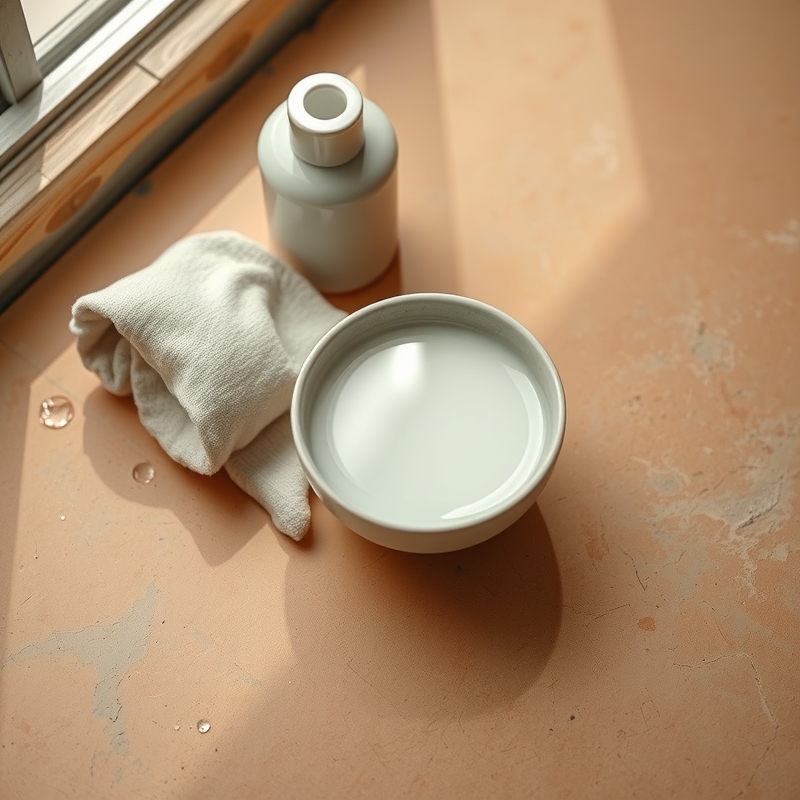
Oil cleansing is the foundation of every Korean skincare routine for dry skin because it dissolves makeup and sunscreen without stripping your natural oils. This is the step most Western routines either skip entirely or replace with micellar water, which can leave a film that blocks the hydration layers that follow.
The science is simple: oil dissolves oil. Your sunscreen, foundation, and the oxidized sebum sitting in your pores are all oil-soluble. A foaming cleanser attacks them with surfactants that also pull moisture from your skin. An oil cleanser lifts them gently.
How to Do It Right
- Apply to dry skin — not damp, not wet. Water creates a barrier between the oil and your makeup.
- Massage in circular motions for 60 seconds. This is not optional — the oil needs time to bind.
- Add a small splash of water to emulsify (the oil turns milky white), then rinse.
- Your skin should feel soft, not squeaky. Squeaky means stripped.
Banila Co Clean It Zero Cleansing Balm
This is the cleansing balm you’ll find in most Korean bathrooms — it melts into a silky oil on contact and rinses clean without that tight, dry feeling that makes you rush to moisturize.
(paid link) See Why Reviewers Love This →
2. Low-pH Water Cleanser — Why Your Second Cleanse Might Be Ruining Everything
Using a high-pH cleanser after oil cleansing is the single most common mistake that sabotages Korean skincare routines for dry skin. Your skin’s natural pH sits around 5.5. Most drugstore cleansers clock in at pH 9-10 — alkaline enough to compromise your moisture barrier for hours after washing.
Korean skincare brands obsess over pH levels in a way that most Western brands simply don’t. Walk into any Olive Young store in Seoul and you’ll see pH values printed directly on cleanser packaging. That’s not marketing — it’s because Korean consumers actually check.
What to Look For
- pH between 5.0 and 6.0 — check the brand’s website or community databases like skincare reference resources if it’s not listed
- Gel or cream texture (foaming cleansers tend to have higher pH)
- No sodium lauryl sulfate (SLS) in the ingredients — it’s the main culprit behind that tight, dry feeling
- Your skin should feel neutral after rinsing — not tight, not slippery
3. Hydrating Toner — The Korean Dry Skin Step Most Western Routines Get Wrong
Korean toner is the opposite of Western toner — instead of stripping oil with alcohol, it floods your skin with a first layer of lightweight hydration. This distinction trips up almost everyone who transitions to a Korean skincare routine for dry skin. If your toner stings or feels astringent, it’s the wrong product entirely.
In Korean skincare terminology, this step is called “skin” (스킨), and its job is to prepare your face to absorb everything that follows. Think of it like dampening a sponge before cleaning — dry skin repels product, but slightly hydrated skin drinks it in.
The 7-Skin Method for Extremely Dry Skin
When Seoul’s winter drops to -10°C and indoor heating runs nonstop, many Korean women use the “7-skin method” — patting on up to 7 thin layers of hydrating toner instead of one. You don’t need all 7. Most people with dry skin see a dramatic difference at 3 layers.
- Pour a small amount into your palms (not a cotton pad — pads waste product and can drag on dry skin)
- Press and pat gently into skin — no rubbing, no swiping
- Wait 10 seconds, then apply the next layer
- Your skin should look dewy and plump, not wet
4. Essence — The Step That Doesn’t Exist in Western Routines
Essence is uniquely Korean, and it’s the step that most people with dry skin notice the fastest results from. It sits between toner and serum in both texture and function — thinner than serum, more concentrated than toner, designed to boost your skin’s natural turnover and hydration at a deeper level.
Most food blogs get skincare wrong, and most skincare blogs get essence wrong. It’s not “fancy toner.” Essences typically contain fermented ingredients — a technique rooted in Korean and Japanese skincare traditions — that deliver amino acids and peptides in a form your skin absorbs more readily than synthetic alternatives.
Why Fermented Ingredients Matter for Dry Skin
- Fermentation breaks active ingredients into smaller molecules that penetrate more effectively
- Fermented rice extract, yeast, and galactomyces are the most common bases in Korean essences
- These ingredients support your skin’s moisture barrier rather than just sitting on top of it
COSRX Advanced Snail 96 Mucin Power Essence
If you’ve ever wondered why Korean skincare fans talk about snail mucin like it’s life-changing — this is the product they mean. One layer transforms tight, flaky skin into something that actually feels alive and bouncy again.
(paid link) Check Availability & Reviews →
5. Serum or Ampoule — Concentrated Repair for Korean Dry Skin Routines
Serums and ampoules deliver the highest concentration of active ingredients in your entire Korean skincare routine for dry skin. If essence is daily maintenance, serum is targeted repair — it goes after specific problems like flaking patches, fine lines from dehydration, or redness from a compromised barrier.
The difference between serum and ampoule? Ampoules are more concentrated and typically used as a short-term boost (2-4 weeks) when your skin is especially damaged. Serums are for daily, long-term use. For dry skin, look for these ingredients:
- Hyaluronic acid — holds up to 1,000 times its weight in water (this is a widely cited property of the molecule itself)
- Ceramides — rebuild the lipid barrier that keeps moisture locked in
- Panthenol (vitamin B5) — calms irritation and supports skin repair
- Squalane — mimics your skin’s natural oils without clogging pores
Application Tip Most People Miss
Apply serum to damp skin, right after your essence has been patted in but before it fully dries. Hyaluronic acid in particular needs water to work — applied to dry skin in a dry room, it can actually pull moisture out of your skin instead of into it.
6. Emollient Moisturizer — The Korean Approach to Sealing Without Suffocating
Korean moisturizers for dry skin prioritize barrier-repair ingredients like ceramides and fatty acids over heavy occlusives like petroleum jelly. This is a subtle but critical difference. A thick Western night cream might feel rich, but if it’s mostly silicone and mineral oil sitting on top of dehydrated skin, you’re sealing in dryness.
The Korean philosophy is: hydrate first (steps 3-5), then seal. By the time you reach your moisturizer, your skin should already be plump with layered hydration. The moisturizer’s job is to lock that moisture in, not to provide it.
What Korean Moisturizers Do Differently
- Contain ceramides — lipids that make up about 50% of your skin’s natural barrier, according to dermatological research
- Use lighter textures that layer well over serums and essences
- Skip heavy fragrances that can irritate already-compromised dry skin
- Often include centella asiatica (cica) for calming inflammation
Etude Soon Jung 2x Barrier Intensive Cream
There’s a reason Korean dermatology clinics recommend this after procedures — it rebuilds your moisture barrier with panthenol and madecassoside without a single unnecessary irritant. Your tight, angry skin finally gets to exhale.
(paid link) View Current Price →
7. Sleeping Mask — The Overnight Korean Dry Skin Step That Changes Everything
A sleeping mask acts as an occlusive final seal that prevents transepidermal water loss while you sleep — the 6-8 hours when dry skin loses the most moisture. This is the step that separates a Korean skincare routine for dry skin from a standard moisturizing routine. Without it, you wake up with all that careful layering partially evaporated.
Sleeping masks aren’t thick clay masks. They’re lightweight, gel-to-cream textures that form a breathable film over your skin overnight. You apply them as the last step, go to sleep, and wash them off in the morning.
When to Use It
- Every night during winter or in dry climates (heated indoor air is brutal)
- 2-3 times per week in moderate climates
- After long flights — cabin humidity drops to around 10-20%, which is drier than most deserts
- Apply a thin, even layer — more product doesn’t mean more hydration, it just means more on your pillowcase
Korean Dry Skin Routine: Product Type Comparison
| Feature | Basic Routine (3 Steps) | Korean Routine (7 Steps) | Western “Intensive” Routine |
|---|---|---|---|
| Steps | Cleanser → Moisturizer → SPF | Oil Cleanse → Water Cleanse → Toner → Essence → Serum → Moisturizer → Sleeping Mask | Cleanser → Toner → Serum → Moisturizer |
| Hydration Layers | 1 | 4-5 | 2 |
| Barrier Repair Focus | Minimal | High (ceramides, cica, panthenol) | Moderate |
| Moisture Retention | 4-6 hours | 12+ hours | 6-8 hours |
| Time Investment | 2 minutes | 5 minutes | 3 minutes |
| Cost (approx.) | Around $15-25 | Around $40-70 total | Around $50-90 |
| Best For | Normal/oily skin | Dry, dehydrated, sensitive skin | General anti-aging |
The Korean 7-step routine costs roughly the same as one premium Western moisturizer — but delivers significantly more hydration layers. Instead of a 45-minute routine, the full 7 steps take under 5 minutes once you have the rhythm down.
Frequently Asked Questions
What happens if I skip the essence step in my Korean dry skin routine?
Without essence, your serum and moisturizer sit on top of under-hydrated skin instead of locking in deep moisture. Essence preps your skin to absorb the concentrated ingredients in the steps that follow. Skipping it is like painting a wall without primer — the top coat goes on, but it doesn’t adhere or perform the way it should.
Can I use a Korean skincare routine for dry skin if I have sensitive skin too?
Yes — dry and sensitive skin often go hand in hand because a damaged moisture barrier triggers both dryness and irritation. The key is choosing fragrance-free products at each step. Korean brands like Soon Jung (Etude) and Innisfree‘s minimal lines are specifically formulated for sensitive-dry skin types. Start with steps 1, 2, 3, and 6, then add essence and serum once your barrier stabilizes.
How long before I see results from a Korean skincare routine for dry skin?
Most people notice softer, less tight skin within 3-5 days, but full barrier repair takes 4-6 weeks. Your skin’s moisture barrier needs time to rebuild its ceramide and lipid layers. The immediate “bouncy” feeling comes from the hydration layering, but the long-term transformation — less flaking, fewer dry patches, reduced redness — requires consistent daily use.
Do I need to do all 7 steps in the morning too?
No — the full 7-step Korean dry skin routine is for your PM routine only. In the morning, most Korean women simplify to 4 steps: gentle water cleanse (or micellar water), hydrating toner, light moisturizer, and sunscreen. Over-cleansing in the morning strips the oils your skin rebuilt overnight.
What’s the difference between dehydrated skin and dry skin in Korean skincare?
Dry skin lacks oil; dehydrated skin lacks water — and they require different focus steps. Dry skin (a skin type) benefits most from steps 6 and 7 (emollient moisturizer and sleeping mask). Dehydrated skin (a temporary condition) benefits most from steps 3, 4, and 5 (toner, essence, serum). Many people have both simultaneously, which is exactly why the Korean 7-step approach works so well — it addresses oil and water separately.
Key Takeaways
- The Korean skincare routine for dry skin uses 7 specific steps that layer hydration from thinnest to thickest consistency, taking under 5 minutes total
- Oil cleansing protects your moisture barrier while removing makeup — foaming cleansers alone strip the natural oils dry skin desperately needs
- Korean toner hydrates instead of stripping — if your toner contains alcohol or stings on application, it’s working against your dry skin
- Essence is the step most Western routines are missing entirely, and it’s often the single addition that makes the biggest difference for chronic dryness
- Always apply hyaluronic acid serums to damp skin — on dry skin in a dry room, they can pull moisture out instead of drawing it in
- The full 7-step routine is for PM only — mornings should be simplified to 4 steps to avoid stripping overnight barrier repair
Tonight, after your regular cleanse, try just one new step: pat 3 layers of a hydrating, alcohol-free toner into damp skin before your moisturizer. That single change shows you what layered hydration feels like — and you’ll understand why Korean skincare builds from the inside out.
This article contains affiliate links. If you purchase through these links, we may earn a small commission at no extra cost to you. We only recommend products we genuinely believe in.