Last spring, a friend flew to Seoul on April 2nd expecting pink-lined streets — and found bare branches. She was two weeks early for Seoul but would have been right on time for Jeju. Korean cherry blossom season spans roughly three weeks across the peninsula, and picking the wrong city for your dates means missing the bloom entirely. Here’s how Seoul, Jinhae, and Jeju actually compare so you don’t waste a single day of your 2026 trip.
Korean Cherry Blossom 2026 Bloom Dates Compared: When Each Region Peaks
Korea’s cherry blossoms don’t bloom all at once — they sweep northward from Jeju to Seoul over about 20 days. The Korea Meteorological Administration (KMA) releases official bloom forecasts each February, but historical averages give you a reliable planning window right now.
Jeju’s mild subtropical climate pushes blossoms open first, usually by late March. The southern coast — including Jinhae and the Gyeongsang region — follows in early April. Seoul and the central region bring up the rear around mid-April. Most years the full bloom window (만개, man-gae) lasts only about four to seven days per location before petals scatter.
| Timing Factor | Jeju | Jinhae (South Coast) | Seoul |
|---|---|---|---|
| Typical first bloom | March 22–28 | March 30–April 5 | April 7–13 |
| Expected full bloom (만개) | March 28–April 3 | April 3–9 | April 10–16 |
| Peak viewing window | ~5–7 days | ~4–6 days | ~5–7 days |
| Risk of early warmth shifting dates | Moderate | Moderate | Higher (urban heat island) |
| When KMA releases forecast | Late February / early March 2026 | ||
The critical takeaway: if you’re booking flights now without flexible dates, Jinhae (early April) is the safest bet — it sits in the statistical middle of the bloom wave, so even if the season runs a few days early or late, you’ll likely catch petals somewhere nearby.
What Happens If You Get the Dates Wrong?
Arriving before first bloom means green buds and disappointment. Arriving after peak means bare branches and petals on the ground (still beautiful for photos, but not the tunnel effect most people want). Without checking the KMA forecast closer to your trip, you’re essentially guessing. Build in a two-to-three day buffer on either side of the expected peak.
Crowds and Atmosphere: Korean Cherry Blossom in Seoul vs Jinhae vs Jeju
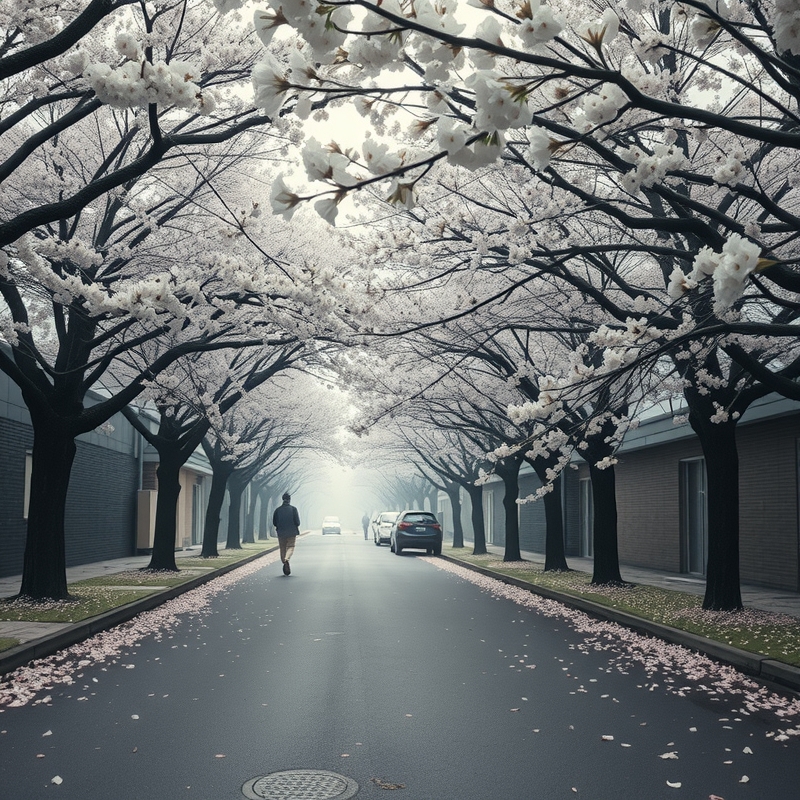
Jinhae draws roughly two million visitors during its annual cherry blossom festival, making it by far the most crowded of the three — but also the most festive. Seoul spreads crowds across multiple spots. Jeju feels almost private by comparison.
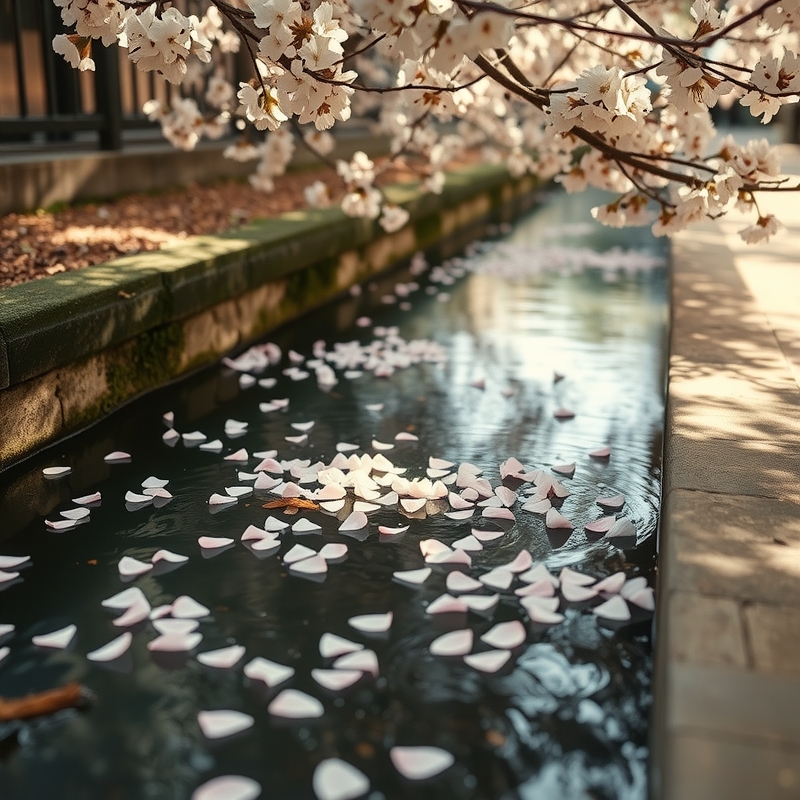
The 진해군항제 (Jinhae Gunhangje, Jinhae Naval Port Festival) is Korea’s largest cherry blossom event. Streets close to traffic, food stalls line every block, and the romantic 여좌천 (Yeojwacheon) stream becomes one of the most photographed spots in the country. The tradeoff is real: during peak days you’ll be shoulder-to-shoulder, and trains from Busan are standing-room only.
Seoul’s cherry blossoms are scattered across the city. 여의도 (Yeouido) along the National Assembly is the most famous stretch, but 석촌호수 (Seokchon Lake) near Lotte World and the trails around 남산 (Namsan) also bloom beautifully. The advantage is that if one spot is packed, you simply move to another. The disadvantage is that no single Seoul location delivers the immersive “cherry blossom tunnel” that Jinhae does.
Jeju is the quiet option. Spots like the 녹산로 (Noksan-ro) road near Seogwipo and 전농로 (Jeonnong-ro) in Jeju City offer long stretches of blossoms with a fraction of the crowds. You’ll need a car or taxi, though — Jeju’s cherry blossom spots aren’t clustered in one walkable area.
| Atmosphere Factor | Jeju | Jinhae | Seoul |
|---|---|---|---|
| Crowd level at peak | Low to moderate | Very high (festival) | High at Yeouido, moderate elsewhere |
| Festival events | Minimal | Full festival (music, food, parades) | Yeouido festival + scattered events |
| Best for photography | Quiet roads, wide landscapes | Stream reflections, tunnel shots | Urban contrast, lake reflections |
| Walkability between spots | Low (need car/taxi) | High (compact festival zone) | Medium (subway between parks) |
| Vibe in one word | Peaceful | Electric | Convenient |
- Choose Jinhae if you want the once-in-a-lifetime cherry blossom festival experience and don’t mind crowds
- Choose Seoul if cherry blossoms are part of a bigger Korea trip and you want flexibility
- Choose Jeju if you want the earliest blooms, a quieter atmosphere, and you’re renting a car anyway
Cost and Accessibility Compared: Getting to Korean Cherry Blossom Spots in 2026
Seoul is the cheapest and easiest base for cherry blossom viewing — you’re already there if you fly into Incheon. Jinhae requires a side trip. Jeju requires a domestic flight. Here’s what each option actually costs in time and money.
Getting There
From Incheon Airport, Seoul’s cherry blossom spots are a subway ride away — around 5,000–6,000 won (roughly $4–5). Jinhae is accessible via KTX to Changwon (about 2.5 hours from Seoul Station, around 40,000–50,000 won one way) plus a local bus. During festival season, direct buses also run from Busan to Jinhae (about one hour). Jeju requires a domestic flight from Seoul or Busan — budget airlines typically charge 50,000–100,000 won each way if booked early, but prices spike during cherry blossom season.
| Cost Factor | Jeju | Jinhae | Seoul |
|---|---|---|---|
| Transport from Seoul | Around 50,000–100,000 won (flight) | Around 40,000–50,000 won (KTX) | 1,500–6,000 won (subway/bus) |
| Accommodation (budget per night) | Around 50,000–80,000 won | Around 40,000–70,000 won | Around 40,000–100,000+ won |
| Getting between blossom spots | Car rental needed (around 40,000–60,000 won/day) | Walkable within festival area | Subway (1,500 won per ride) |
| Festival entry fee | Free | Free | Free |
| Food near blossom spots | Local restaurants, moderate | Street food stalls, budget-friendly | Full restaurant range, all budgets |
The hidden cost most people miss: accommodation near Jinhae books out weeks in advance during festival dates. Many visitors stay in nearby Changwon or Busan and commute in. If you’re planning Jinhae, book lodging the moment KMA releases the 2026 forecast — waiting even a few days can mean paying double or staying an hour away.
벚꽃놀이 (Beotkkot-Nori): Why Cherry Blossoms Mean More in Korea Than Just Pretty Trees
Cherry blossom viewing in Korea isn’t just tourism — it’s 벚꽃놀이 (beotkkot-nori), a seasonal ritual woven into daily life the way Thanksgiving is in America. Understanding this changes how you experience it.
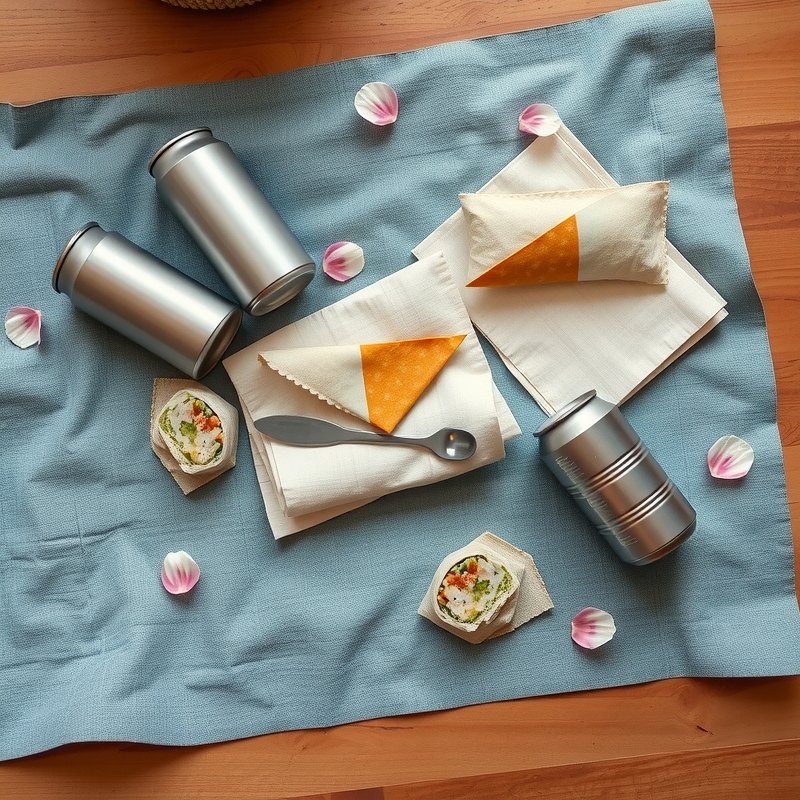
Every spring, Korean families, couples, and friend groups pack picnic mats (돗자리, dotjari), fried chicken, kimbap, and cans of beer and head to their neighborhood’s cherry-lined street. It’s not about finding the “best” spot on Instagram — it’s about the act of sitting under blooming trees with people you care about. The Korean concept of 정 (jeong) — a deep, untranslatable bond built through shared experience — is exactly what beotkkot-nori is for.
This is why Koreans often find it puzzling when foreign tourists rush from tree to tree taking photos without ever sitting down. The local way is to spread a mat, crack open snacks, and stay for hours. The Korea Tourism Organization promotes the major festivals, but the most meaningful cherry blossom experiences often happen on small neighborhood streets where office workers eat lunch under the petals.
A few cultural tips that will make your 2026 cherry blossom experience feel less like tourism and more like participation:
- Bring a mat and food. Sitting under the blossoms is the entire point — not just walking past them.
- Many convenience stores near popular blossom spots set up extra outdoor stock during peak season. Grab triangle kimbap, a few cans of 맥주 (maekju, beer), and some 떡 (tteok, rice cakes).
- Korean cherry blossom culture values 봄바람 (bombaram, spring breeze) — the moment petals drift down around you. Locals call this 벚꽃비 (beotkkot-bi, cherry blossom rain). Sit still long enough and you’ll feel it.
- Clean up after yourself. Koreans take this seriously during 벚꽃놀이 and leaving trash behind is seen as deeply disrespectful.
The Instagram Effect: What Social Media Gets Right and Wrong About Korean Cherry Blossoms
Social media makes Korean cherry blossom season look like a permanent pink dreamscape — but the reality is far more fleeting and weather-dependent than any feed suggests. Those tunnel shots from Jinhae’s Gyeonghwa Station? They represent maybe three to four perfect days out of the entire year.
What social media gets right: Korea genuinely has some of the most dramatic cherry blossom landscapes in Asia. The combination of mountainous terrain, clean urban planning, and concentrated plantings creates backdrops you won’t find in most other countries. The Yeojwacheon stream in Jinhae and the lakeside paths at Seokchon really do look that beautiful in person.
What it gets wrong: timing. Influencers rarely mention that they sometimes visit three or four days in a row to catch the one perfect morning. Rain can strip petals overnight. Wind accelerates the scatter. And the “empty path” shots? Those were taken at 6 AM on a weekday. By 10 AM, you’ll be sharing that path with hundreds of other visitors.
Plan for reality, not for the grid. The best Korean cherry blossom experience in 2026 will be the one where you adjust your expectations, check the weather forecast daily, and embrace whatever stage of bloom you find.
Overall Winner Verdict: Seoul vs Jinhae vs Jeju for 2026
| Category | Winner | Why |
|---|---|---|
| Best bloom timing safety | Jinhae | Middle of the bloom wave — most forgiving for fixed travel dates |
| Best for first-time Korea visitors | Seoul | No extra travel needed, combine with other sightseeing |
| Best for photography | Jinhae | Stream reflections and tunnel shots are unmatched |
| Best for quiet/romantic trips | Jeju | Fewest crowds, beautiful coastal backdrop |
| Most budget-friendly | Seoul | Zero extra transport cost if already staying in Seoul |
| Best cultural immersion | Jinhae | The festival atmosphere is uniquely Korean |
| Earliest blooms (more trip flexibility) | Jeju | Opens the season roughly 10 days before Seoul |
Overall pick for most readers: Jinhae. If you’re flying to Korea specifically for cherry blossoms and can only choose one destination, Jinhae delivers the most concentrated, unforgettable experience. Seoul is the smart add-on since you’ll likely pass through anyway. Jeju is the hidden gem for couples and photographers who want something quieter — but skip it if you don’t plan to rent a car.
Frequently Asked Questions
When exactly will Korean cherry blossoms bloom in 2026?
The Korea Meteorological Administration typically releases the official 2026 cherry blossom forecast in late February or early March. Based on historical averages, expect Jeju around late March, Jinhae in early April, and Seoul from mid-April. Check the KMA website closer to your travel dates for updated predictions.
What happens if I visit Korea and the cherry blossoms haven’t bloomed yet?
If you arrive before first bloom, you’ll see green buds but no petals — and there’s no way to speed up nature. This is why building a two-to-three day buffer into your trip is important. You can also pivot south: if Seoul hasn’t bloomed, Jinhae or Busan may already be at peak.
Is Jinhae Cherry Blossom Festival free to attend?
Yes, the Jinhae Gunhangje festival is completely free to attend. There’s no entry ticket for any of the main viewing areas. The only costs are transport, food, and accommodation. Budget around 30,000–50,000 won per day for food and local transit.
Can I see cherry blossoms in Seoul without going to Yeouido?
Absolutely — Seoul has dozens of cherry blossom spots beyond Yeouido. Seokchon Lake (Songpa-gu), Namsan Tower trails, Seoul Forest, and the campus of Yonsei University all have beautiful blooms with significantly fewer crowds than the Yeouido riverside path.
Should I skip Jeju for cherry blossoms and just go to Jinhae instead?
Skip Jeju only if you’re on a tight budget or short timeline. Jeju’s cherry blossoms are stunning and far less crowded, but the extra flight cost and need for a rental car make it impractical for quick trips. If you’re already planning a Jeju visit for other reasons, time it for late March and you’ll catch early blooms as a bonus.
Key Takeaways
- Korean cherry blossom season sweeps from Jeju (late March) to Seoul (mid-April) — picking the wrong city for your dates means missing the bloom entirely.
- Jinhae is the safest bet for fixed travel dates because it falls in the middle of the northward bloom wave, giving you the most margin for weather variation.
- Seoul costs nothing extra to enjoy if you’re already there — subway to Yeouido or Seokchon Lake and you’re under the blossoms in minutes.
- Book Jinhae accommodation the moment the KMA forecast drops (late February) — waiting even a week can mean double prices or staying an hour away in Busan.
- 벚꽃놀이 (beotkkot-nori) is about sitting and staying, not rushing between spots — bring a mat, snacks, and drinks to experience cherry blossoms the way Koreans actually do.
- Jeju is the underrated choice for couples and photographers who want early blooms and quiet roads, but only if you’re renting a car.
Before you book anything, save the Korea Meteorological Administration forecast page and check back in late February 2026 — that single update will tell you exactly which week to target and which city to base yourself in.
You Might Also Like
- 7 Korean Skincare for Sensitive Skin Tips That Actually Work
- 7 Korean Products Actually Worth Buying vs. Overhyped Ones
- 7 Korean Fashion Basics You’ll Wish You Knew Sooner