A friend visited Seoul last spring and came home with a suitcase full of sheet masks, a jar of overpriced gochujang from a tourist shop in Myeongdong, and a “miracle” collagen drink she saw on TikTok. Three months later, every sheet mask had dried out unopened, the gochujang tasted like sugar paste, and the collagen did nothing. Meanwhile, the three Korean products that actually changed her routine — a ₩6,000 sunscreen, a ₩3,500 bottle of sesame oil, and a simple barley tea — cost less than one of those sheet mask packs. Here are 7 Korean products genuinely worth buying compared side-by-side with the overhyped ones locals quietly skip.
Korean Products Worth Buying vs. Overhyped — K-Beauty Compared
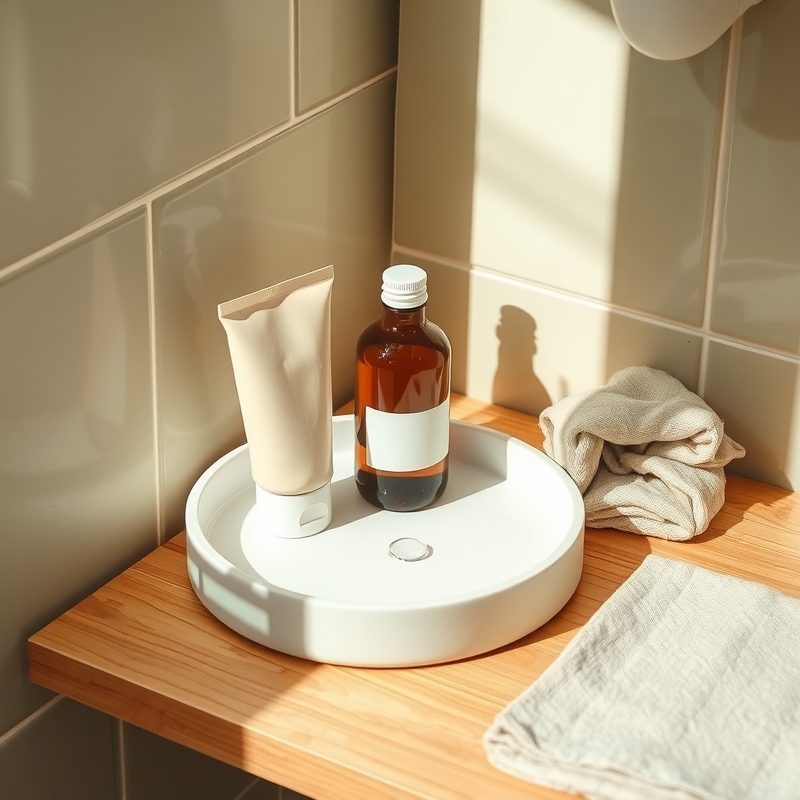
Korean sunscreen and cleansing oil consistently outperform the hyped products that dominate Western social media feeds. Walk into any Korean pharmacy — an Olive Young, a Lohb’s — and you’ll notice something strange. The sheet mask section is half the size of the sunscreen aisle. That tells you everything about what Koreans actually prioritize.
The Overhyped: Sheet Mask Hauls
Sheet masks became the global symbol of K-beauty around 2016, and the tourist tax has never really gone away. Most foreigners buy 20–30 masks in Myeongdong thinking they’ve scored a deal. The reality? Korean women use sheet masks maybe once or twice a week as a treat, not as the backbone of their routine. Without proper cleansing and SPF underneath, a sheet mask is just a damp cloth on your face.
The Worth-It: Sunscreen and Oil Cleanser
Korean dermatologists generally recommend daily broad-spectrum SPF 50+ as the single most impactful skincare step. Korean sunscreen formulas feel weightless under makeup — a problem Western sunscreens still haven’t solved at the same price point. A good Korean oil cleanser dissolves sunscreen and makeup because oil binds to oil, which means you’re actually removing what sits on your skin instead of pushing it around with foam.
| Category | Overhyped: Sheet Mask Haul | Worth It: Korean Sunscreen | Worth It: Oil Cleanser |
|---|---|---|---|
| Typical cost | $15–25 for a 10-pack | Around $8–15 per tube | Around $10–18 per bottle |
| How often Koreans use it | 1–2x per week | Every single day, reapplied | Every evening |
| Visible results | Temporary hydration (hours) | Prevents spots, aging long-term | Cleaner skin within days |
| Suitcase-worthy? | Bulky, dries out if opened | Small, high value per gram | Lasts 2–3 months |
| Verdict | Skip the bulk haul | Winner — buy this first | Winner — daily essential |
If you’re only buying one Korean beauty product, make it sunscreen. Without it, every other step in your routine is working against UV damage you could have blocked for under $15.
**Beauty of Joseon Relief Sun Rice + Probiotics SPF 50+** — the sunscreen that converted every non-sunscreen person I know, under $15
This is the sunscreen that disappears into skin like moisturizer. Korean women layer it under makeup daily — no white cast, no greasy film, just quiet protection that works.
Korean Food Products Worth Buying vs. Tourist Trap Versions Compared
The Korean pantry staples that transform your cooking at home are not the ones sold in airport gift shops. Most food blogs will tell you to buy gochujang and call it a day. That’s like telling someone to buy ketchup and saying they’ve mastered American cooking. The real Korean kitchen runs on a handful of specific products that most foreigners walk right past.
The Overhyped: Fancy Gochujang Sets
Tourist-oriented gochujang in decorated jars often contains more corn syrup than fermented chili. The gift-box versions in Insa-dong and Myeongdong are priced at three to four times what a Korean household pays. These taste sweeter and flatter than the everyday brands Korean families actually cook with.
The Worth-It: Sesame Oil, Doenjang, and Gim
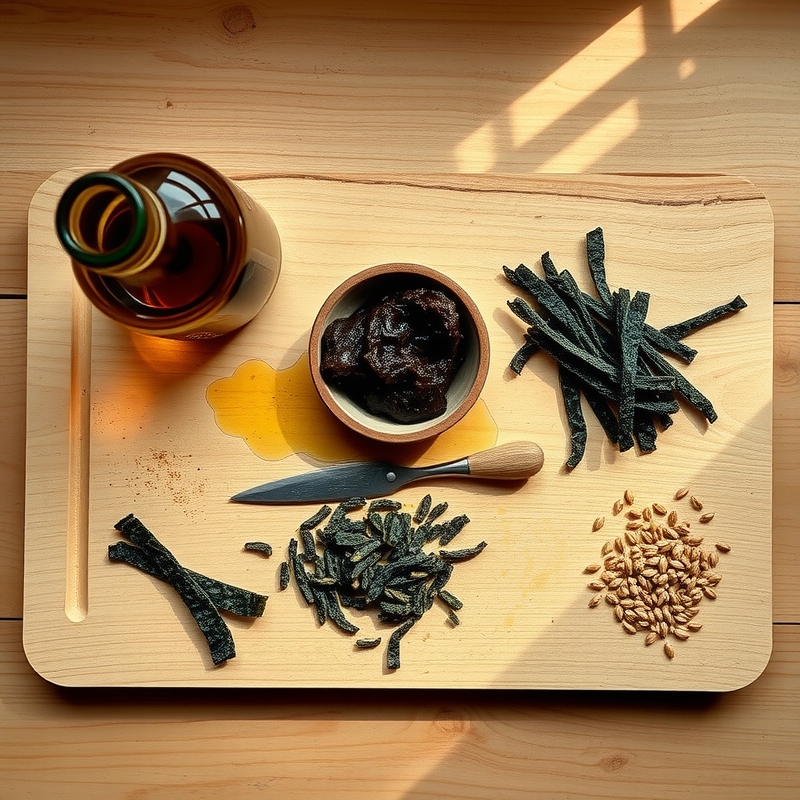
If you watched a Korean home cook make dinner, you’d see sesame oil hit the pan first and finish the dish last. It’s the single most-used flavoring ingredient in Korean cooking — more foundational than gochujang. A good bottle of Korean roasted sesame oil smells like toasted nuts, and the quality gap between Korean brands and what you find at a Western grocery store is enormous.
Doenjang (된장, Korean fermented soybean paste) is what actually makes Korean soup taste Korean. And gim (김, roasted seaweed sheets) is the snack that every Korean child grows up eating — inexpensive, intensely savory, and practically weightless in a suitcase.
| Product | Overhyped: Gift-box Gochujang | Worth It: Korean Sesame Oil | Worth It: Doenjang | Worth It: Gim (Roasted Seaweed) |
|---|---|---|---|---|
| Price at Korean mart | $12–20 (tourist jar) | Around $5–10 | Around $4–8 | Around $3–6 per multi-pack |
| How often Koreans use it | A few times per week | Almost every meal | Multiple times per week | Daily snack or side |
| Flavor impact | Sweet heat (often too sweet) | Deep, nutty — transforms any dish | Rich umami base for soups/stews | Crispy, salty, addictive |
| Shelf life | 6–12 months | 6+ months | Months (refrigerated) | Several months sealed |
| Verdict | Buy a regular brand instead | Winner — buy first | Winner — essential | Winner — easiest entry |
**CJ Haechandle Gochujang** — the exact brand most Korean households use, under $10
Skip the tourist packaging. This is the red tub you’ll find in Korean refrigerators nationwide — properly fermented, balanced heat, and the base for everything from bibimbap to tteokbokki.
**Ottogi Premium Roasted Sesame Oil** — the bottle Korean home cooks reach for daily, rich toasted aroma
One drizzle over rice, soup, or vegetables and you’ll understand why Koreans treat sesame oil the way Italians treat olive oil. The aroma alone changes the entire dish.
Why Korean 장보기 Culture Tells You What’s Actually Worth Buying
Understanding how Koreans actually shop — 장보기 (jangbogi, grocery shopping) — reveals which products are household staples versus tourist bait. In Korea, grocery shopping isn’t a weekly chore; it’s a near-daily rhythm. Most Korean neighborhoods have a small mart or a traditional 시장 (sijang, open market) within walking distance, and people buy what they need for that day or the next two days.
This daily shopping habit means Korean consumers are ruthlessly practical about what earns shelf space at home. Products that survive in a Korean pantry month after month have earned their place through daily use, not marketing hype. That’s why you’ll find sesame oil and doenjang in every single Korean kitchen but you won’t find a stockpile of sheet masks.
Korean homemakers — especially the 어머니 (eomeoni, mothers) who control the household kitchen — have a saying: 싼 게 비지떡 (ssan ge bijitteok), meaning “cheap things are bean-curd cake,” or roughly, you get what you pay for. But the flip side is also true. Korean shoppers don’t overpay for packaging. A beautifully boxed gochujang set at a tourist shop would make a Korean grandmother laugh. She buys the same brand in a plastic tub for a third of the price at her local mart.
This is the filter to apply to every Korean product you consider buying: would a Korean household actually use this daily? If yes, it’s almost certainly worth your money. If it’s primarily sold in tourist areas or marketed in English first, be skeptical.
Korean Wellness Products: Overhyped TikTok Finds vs. What Locals Actually Use
The Korean wellness products going viral on social media are often not the ones Korean families have relied on for generations. TikTok has turned Korean beauty and wellness into a trend cycle that moves faster than the products can prove themselves. Every few months, a new “Korean secret” goes viral — collagen jelly sticks, glutathione pills, IV drip supplements — and most of them cost $30–60 per box.
What TikTok Got Right (and Wrong) About Korean Wellness
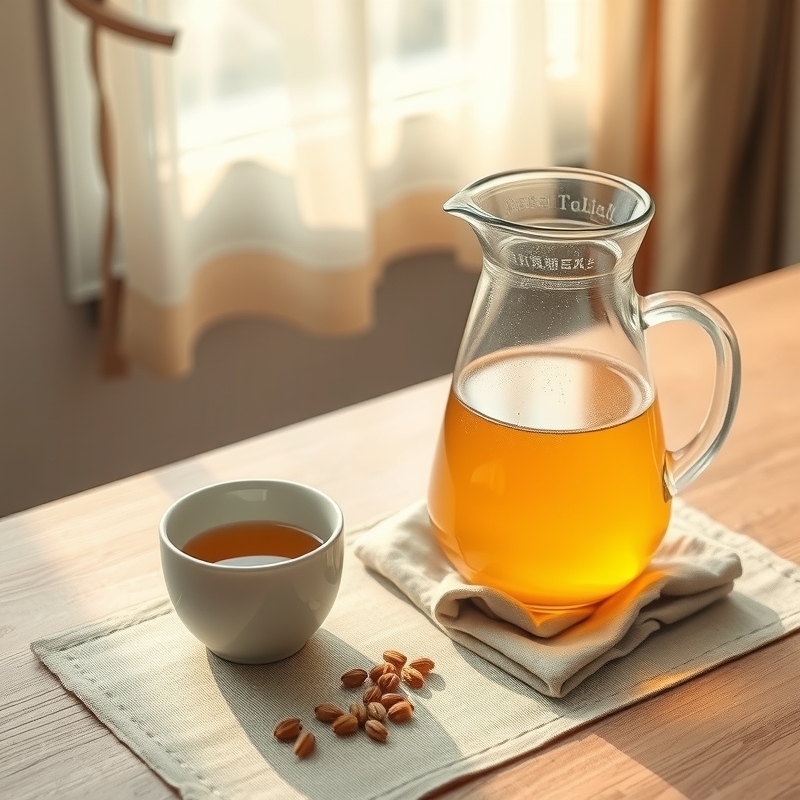
TikTok got the premise right: Koreans do invest in wellness from the inside out. But the platform skews toward expensive, photogenic products rather than the mundane staples that actually do the work. Korean households don’t spend $50 on collagen jellies. They drink 보리차 (boricha, roasted barley tea) throughout the day — a caffeine-free, zero-calorie drink that supports hydration and, according to traditional Korean dietary practice, helps digestion after heavy meals.
They eat 미역국 (miyeokguk, seaweed soup) after childbirth and on birthdays because seaweed is rich in iodine and essential minerals that support recovery. These aren’t trending products — they’re generational habits that cost almost nothing.
| Category | Overhyped: Collagen Jelly Sticks | Overhyped: Glutathione Supplements | Worth It: 보리차 (Barley Tea) | Worth It: 매실청 (Maesil-cheong, Plum Syrup) |
|---|---|---|---|---|
| Typical cost | $30–50 per box | $25–45 per bottle | Around $5–8 per bag (makes 50+ cups) | Around $8–12 per bottle |
| What Koreans actually think | Nice treat, not a staple | Niche, not mainstream | In every household, every office | Made at home by most families |
| Evidence of benefit | Limited for oral collagen absorption | Limited clinical evidence for skin | Hydration, caffeine-free daily drink | Used as natural digestive aid and sweetener |
| How long Koreans have used it | ~10 years (modern trend) | ~5 years (recent trend) | Centuries | Generations |
| Verdict | Skip unless you enjoy the taste | Skip — save your money | Winner — daily essential | Winner — versatile staple |
The pattern is clear: the Korean products worth buying tend to be inexpensive, used daily, and have survived generations of practical Korean consumers. The overhyped ones are expensive, marketed heavily in English, and often haven’t proven themselves beyond a single TikTok cycle.
**Dongsuh Roasted Barley Tea (보리차)** — the daily Korean drink that costs pennies per cup, caffeine-free
Every Korean office water cooler, every grandmother’s kitchen, every convenience store fridge — barley tea is everywhere in Korea because it works. Brew a batch, refrigerate it, and you’ll stop reaching for soda within a week.
The Final Verdict — Korean Products Actually Worth Your Money
Out of the hundreds of Korean products marketed to international shoppers, only a handful deliver enough value to justify the purchase. Here’s the condensed ranking based on daily use, cost-effectiveness, and the gap between the Korean version and what you’d find locally.
| Rank | Product | Category | Why It Wins | Approximate Cost |
|---|---|---|---|---|
| 1 | Korean sunscreen (SPF 50+) | K-Beauty | Texture and finish unmatched by Western brands at same price | $8–15 |
| 2 | Roasted sesame oil | Food | Quality gap vs. Western grocery brands is massive | $5–10 |
| 3 | 보리차 (barley tea) | Wellness | Pennies per cup, replaces sugary drinks, centuries of use | $5–8 for 50+ cups |
| 4 | Oil cleanser | K-Beauty | Removes sunscreen properly — without it, SPF is wasted | $10–18 |
| 5 | Doenjang (fermented soybean paste) | Food | Impossible to replicate with non-Korean alternatives | $4–8 |
| 6 | Gim (roasted seaweed) | Food | Lightest, cheapest, most addictive snack to bring home | $3–6 |
| 7 | Gochujang (regular brand, not gift-box) | Food | Foundation of Korean flavor — just buy the everyday version | $5–10 |
Overall winner: Korean sunscreen. The quality-to-price ratio is the highest of any Korean product category. It’s small, lightweight, universally useful, and the cosmetic elegance of Korean SPF formulas is genuinely years ahead of most Western equivalents at the same price point. If you buy one thing from Korea, buy sunscreen. If you buy two, add sesame oil.
Frequently Asked Questions
What Korean products are actually worth buying if I can only pick three?
Korean sunscreen, roasted sesame oil, and barley tea. These three cover beauty, cooking, and daily wellness — all for under $30 total. They’re the products with the biggest quality gap between the Korean version and what’s available at Western stores.
Are Korean sheet masks worth the money?
Sheet masks aren’t bad products, but they’re overhyped relative to their impact. Korean women use them as an occasional treat, not a skincare cornerstone. Without daily sunscreen and proper cleansing underneath, a sheet mask provides temporary hydration at best. Your budget is better spent on SPF and a good cleanser.
What happens if I buy gochujang from a tourist shop instead of a regular Korean store?
Tourist-area gochujang is often heavily sweetened with corn syrup and marked up three to four times the standard price. You’ll get a decorated jar that looks great on Instagram but tastes flat compared to the everyday CJ or Sunchang brands that Korean families actually cook with. Buy the regular plastic tub — it’s what Korean kitchens use.
Are Korean collagen supplements worth buying?
The evidence for oral collagen absorption remains limited. Most Korean households don’t rely on collagen jelly sticks — they eat collagen-rich foods like 족발 (jokbal, braised pig’s feet) and 삼계탕 (samgyetang, ginseng chicken soup) as part of regular meals. If you enjoy the taste of collagen sticks as a snack, they’re fine, but don’t expect dramatic skin changes.
Where should I buy Korean products — online or in Korea?
For food and wellness staples (sesame oil, doenjang, barley tea), your local H-Mart or Asian grocery store often matches Korean prices. For K-beauty products like sunscreen, online retailers and Amazon often carry the exact same products at competitive prices with the convenience of reading English labels. Buying in Korea is most worthwhile for items that are hard to find internationally or when you can visit a 시장 (traditional market) for the freshest versions.
Key Takeaways
- Korean sunscreen is the single most worthwhile Korean product to buy — the texture, finish, and UV protection at the $8–15 price point outperforms most Western equivalents.
- The best Korean food products are the cheapest ones: sesame oil, doenjang, gim, and barley tea all cost under $10 and are used daily in Korean homes.
- Tourist-packaged Korean products are almost always overpriced and lower quality than the everyday brands Korean families actually use — buy what locals buy, not what’s marketed in English.
- If a Korean product went viral on TikTok in the last year, apply extra skepticism — generational staples like barley tea have more proven daily value than trend-cycle supplements.
- The test for any Korean product: would a Korean household use this daily? If yes, it’s probably worth buying. If it’s mainly sold in tourist areas, it’s probably not.
- Oil cleanser paired with Korean sunscreen is the K-beauty combination that matters most — everything else in a routine is secondary to these two steps.
Tonight, brew a pot of barley tea — just boil water, drop in a bag, steep for ten minutes, and refrigerate. By tomorrow morning, you’ll have a pitcher of the same drink sitting in every Korean household’s fridge right now.
This article contains affiliate links. If you purchase through these links, we may earn a small commission at no extra cost to you. We only recommend products we genuinely believe in.