A friend visiting Seoul last spring packed a suitcase full of bold prints and statement logos. By day two, she’d ditched all of it for a plain white tee and wide-leg trousers from a Gangnam basement shop. Korean fashion basics aren’t about standing out — they’re about 7 versatile, neutral pieces that make every outfit look quietly expensive. That distinction is exactly what most style guides aimed at international readers get wrong.
Quick-Pick Summary: 7 Korean Fashion Basics at a Glance
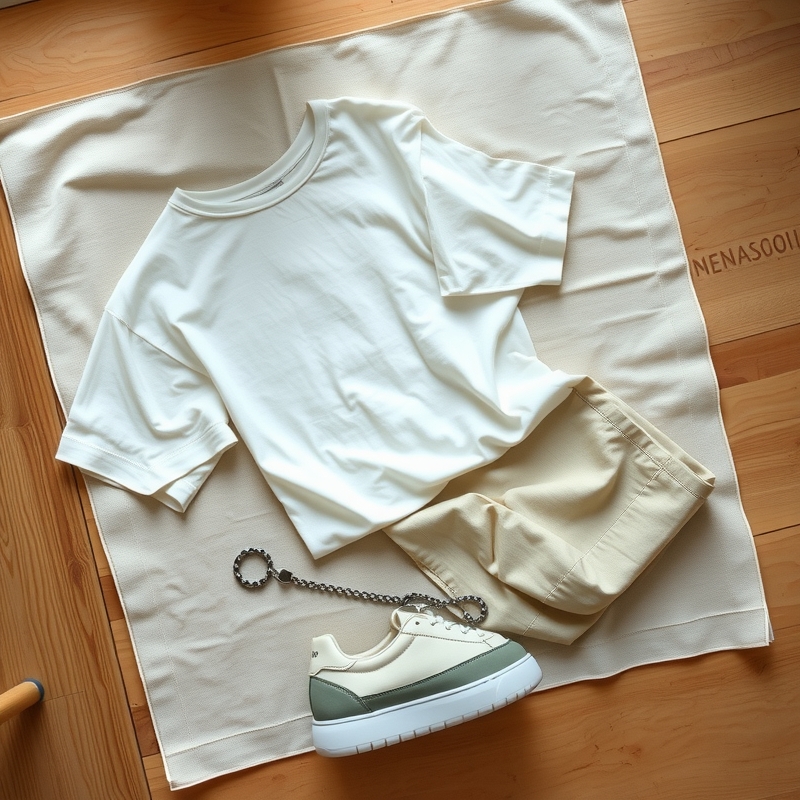
| # | Piece | Why It Works | Price Range |
|---|---|---|---|
| 1 | Oversized Blazer | Instant polish over any casual base | Around $40–$120 |
| 2 | Wide-Leg Trousers | Elongates silhouette, replaces jeans | Around $25–$70 |
| 3 | Heavy Cotton White Tee | Foundation of Korean layering | Around $15–$40 |
| 4 | Neutral Knit Vest or Cardigan | Adds dimension without bulk | Around $20–$60 |
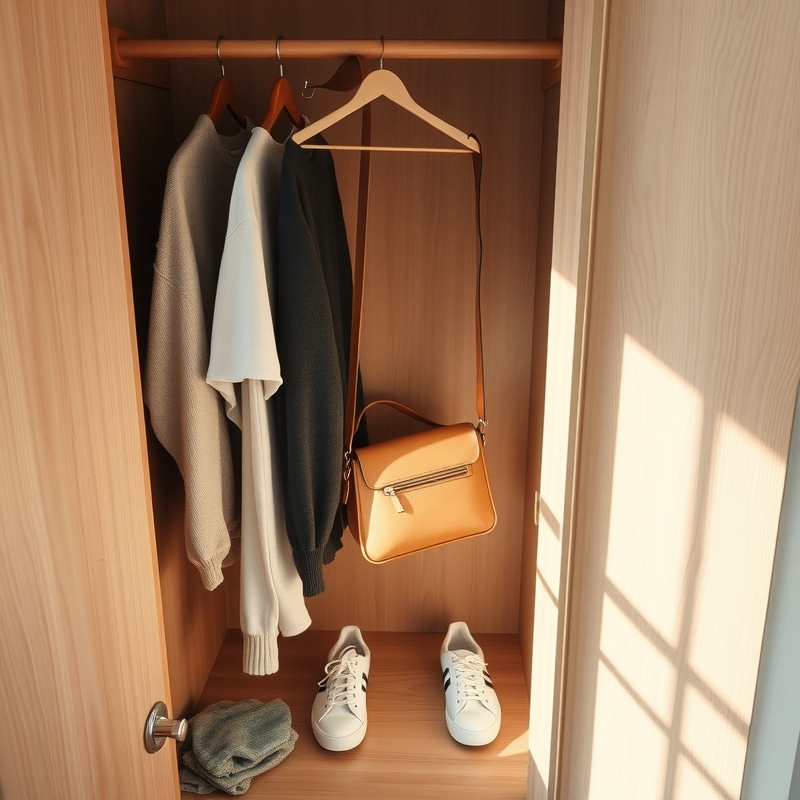
| 5 | Minimal Crossbody Bag | Clean lines, hands-free, Seoul-standard | Around $30–$80 |
| 6 | Clean White Sneakers | Goes with literally all 6 pieces above | Around $50–$110 |
| 7 | One Quiet Statement Piece | Prevents “uniform” syndrome | Varies |
Prices are approximate and vary by brand and retailer.
1. The Oversized Blazer — the Korean Fashion Basic That Replaces Five Jackets
An oversized blazer in cream, black, or grey is the single most-worn outer layer on the streets of Gangnam, Seongsu-dong, and Hongdae. Walk through any Korean office district at lunch and you’ll see it draped over everything from slip dresses to joggers. The fit matters more than the brand — shoulders should drop about two inches past your natural shoulder line, and the hem should hit mid-thigh.
The reason Koreans reach for a blazer instead of a denim jacket or cardigan is simple: it transitions. The same blazer works at a café, a gallery opening, and a casual dinner without looking overdressed or underdressed at any of them. Without this piece, you end up buying three separate jackets for situations one blazer handles.
What to Look For
- Fabric: medium-weight polyester blend or light wool — avoid stiff structured shoulders
- Color: cream, oatmeal, charcoal, or black (in that order of versatility in Seoul)
- Lining: half-lined or unlined for three-season wear
- Fit: relaxed through the body, not boxy — there’s a difference
2. Wide-Leg Trousers — the Korean Fashion Basic That Changed How Seoul Dresses
Skinny jeans quietly disappeared from mainstream Korean fashion around 2019, and wide-leg trousers took over almost overnight. The silhouette creates a long, clean vertical line that flatters almost every body type — which is exactly why Korean stylists recommend them as a universal starting point.
The key detail international shoppers miss: Korean wide-leg trousers sit at the natural waist or just above, not low on the hip. This high-waist placement is what creates that effortlessly tall proportion you see on Seoul streets. Pair them with a tucked-in tee and white sneakers, and you’ve built about 60% of daily Korean outfits right there.
Fabric Choices by Season
- Spring/Fall: cotton twill or light wool blend
- Summer: linen-blend or thin rayon (every Korean brand releases these by May)
- Winter: heavy wool or corduroy in charcoal or camel
Research in clothing psychology suggests that what you wear genuinely affects how confident you feel — and a well-fitted pair of trousers consistently ranks among the garments with the highest psychological impact.
3. The Heavy Cotton White Tee — Foundation of Every Korean Outfit
The difference between a Korean white tee and the one sitting in your drawer right now is about 40 grams of fabric weight. Most Korean basics brands use 200–250 GSM (grams per square meter) cotton, which means the fabric drapes without clinging and doesn’t go transparent after one wash. This is the piece that Seoul-based stylists say people underestimate most.
In Korea, a white tee isn’t an undershirt — it’s outerwear. You’ll see it worn alone, tucked into trousers, layered under a blazer, or half-tucked with the front in and back out (a styling technique called 앞단 넣기, or “front-tuck”). Owning two or three in rotation is standard.
Quick Buying Checklist
- Weight: 200 GSM minimum — hold it up; if you can see your hand through it, skip it
- Neckline: crew neck for casual, boat neck for a dressier feel
- Length: should cover your waistband when tucked, not billowing out like a pillowcase
- Fit: slightly oversized through the shoulders, straight through the body
4. The Neutral Knit Layer — Korean Fashion Basics for Three-Season Styling
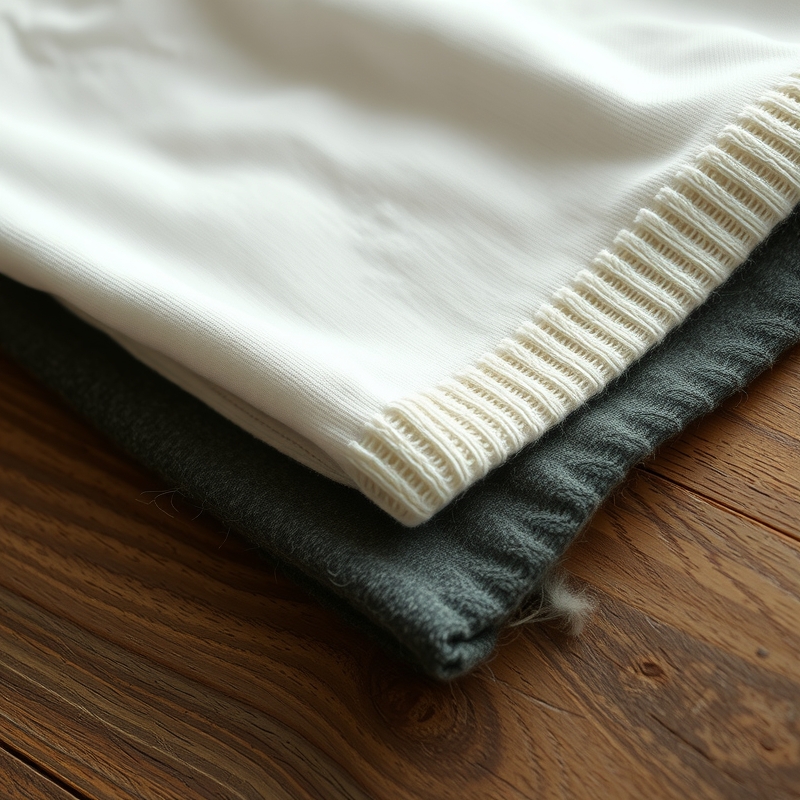
A knit vest or lightweight cardigan in beige, grey, or sage is the layering piece that makes simple Korean outfits look intentional instead of lazy. The trick Korean fashion uses constantly is adding a third tonal layer — not for warmth but for visual depth. A white tee alone looks plain. A white tee under a cream knit vest suddenly looks curated.
Knit vests especially dominate Seoul street style from March through November. They go over tees, over button-downs, and even over dresses. The appeal is practical, too: you can remove a vest in an overheated subway car without ruining your outfit, which anyone who’s ridden Line 2 in October understands.
- Best colors: oatmeal, light grey, sage green, soft brown
- Avoid: cable-knit or chunky textures (Korean basics lean smooth and fine-gauge)
- Styling rule: your knit layer should be within two shades of your base layer
5. The Minimal Crossbody Bag — Smaller Than You Think
Most Korean crossbody bags are deliberately small — phone, cardholder, lip product, keys, and nothing else. If you’re used to a tote that fits a laptop and lunch, this will feel like a radical shift. But the restraint is the point. A compact bag forces a clean silhouette and signals that you move lightly — a quiet status marker in Korean fashion.
Walk through the 성수동 (Seongsu-dong) neighborhood on any weekend and count the oversized bags. You won’t find many. The default is a structured rectangular crossbody in black or tan leather, worn high across the chest or at hip level. Korean brands like Matin Kim, Marhen J, and Find Kapoor built entire followings on this one category.
Choosing the Right Size
- Width: about the length of your hand (roughly 20–24 cm)
- Strap: adjustable, thin — not a wide guitar strap
- Material: smooth leather or clean vegan leather — minimal hardware
6. Clean White Sneakers — the Anchor of Korean Street Style
White sneakers outsell every other footwear category in Korea’s major fashion districts, and there’s no close second. The reason is mathematical: they pair with all six items above without creating a visual mismatch. Boots, loafers, and sandals each limit what you can wear above — white sneakers don’t.
The Korean preference leans toward low-profile silhouettes with minimal branding. Chunky “dad sneakers” had their peak around 2019–2020, but most Seoul wardrobes have returned to slim, flat shapes. Think of them as the punctuation mark at the end of an outfit — they shouldn’t shout.
Maintenance Matters
- Korean sneaker owners typically clean theirs weekly — scuffed white shoes undo the whole look
- Keep a melamine sponge (the “magic eraser” type) by the door for quick sole cleaning
- Replace when the midsole yellows — most Korean basics-wearers cycle through a pair every 8–12 months
7. One Quiet Statement Piece — the Rule That Prevents Korean Fashion From Looking Boring
Korean stylists follow an unspoken formula: 6 neutral basics + 1 subtle point piece per outfit. Without that one accent, a head-to-toe neutral wardrobe becomes a uniform. With it, the whole outfit has a focal point that looks deliberate rather than default.
The “statement” in Korean fashion is quieter than what Western style often means by that word. It might be a textured scarf, a watch with an unusual face, a single ring, or a bag in a muted color that doesn’t match but complements. The volume is turned way down compared to Western statement jewelry or printed scarves.
Ideas That Work
- A silver or gold chain necklace worn outside the tee collar
- A single oversized ring on the index finger
- A silk scarf in dusty rose or muted olive, loosely tied
- Tinted sunglasses in a soft frame (a Seoul café staple year-round)
Why Korean Fashion Basics Work Differently — the Culture of 단정함
The Korean concept of 단정함 (danjeongham) — looking neat, composed, and put-together — drives fashion choices in a way that’s invisible to outsiders but shapes everything. It’s not the same as Western “minimalism,” which tends to be an aesthetic choice. 단정함 is a social expectation. Korean parents teach it early: your appearance shows respect for the people around you, not just self-expression.
This cultural value explains why Korean basics prioritize fit, fabric quality, and tonal harmony over logo visibility or trend-chasing. A well-pressed blazer over a clean tee signals 단정함. A wrinkled graphic hoodie — no matter how expensive — doesn’t. The Korean Wave (Hallyu) spread K-drama aesthetics globally, but the underlying fashion philosophy is rooted in this older cultural norm.
In practice, this means Korean wardrobes are built around fewer, better pieces that layer and combine without clashing. The average Korean fashion-conscious person in their late twenties might own fewer clothes than their Western counterpart but get more outfits from them — because every piece was chosen to work with every other piece.
Korean Fashion Basics vs. Western Minimalism vs. Fast Fashion
| Feature | Fast Fashion Approach | Korean Basics Approach | Western Minimalism |
|---|---|---|---|
| Number of pieces | 30–50+ items per season | 15–20 versatile core pieces | 33 items (capsule model) |
| Color palette | Trend-driven, changes constantly | Neutral base + 1 accent tone | Strict neutral-only |
| Fit priority | Whatever’s on the rack | Tailored or selectively oversized | Clean but less emphasis on drape |
| Cost per piece | Low ($5–$20) | Mid-range ($25–$80) | Higher ($50–$200+) |
| Outfit variety | High but chaotic | High through intentional layering | Moderate, can feel repetitive |
| Cultural driver | Trend cycle speed | 단정함 (looking composed) | Aesthetic ideology |
| Longevity | 1–2 seasons | 2–4 years per piece | 3–5 years per piece |
| Best for | Experimentation | Everyday polished style | Committed minimalists |
The Korean basics approach hits a practical sweet spot: fewer pieces than fast fashion, more visual variety than strict minimalism, and a mid-range budget that pays for itself through versatility. That middle-ground value is why this system works for people who want to look put-together without overthinking it every morning.
Frequently Asked Questions
What happens if I skip the neutral palette and wear bold colors Korean-style?
Bold colors work in Korean fashion, but they follow a strict one-accent rule. If your top is a strong color, everything else — trousers, shoes, bag — stays neutral. Wearing two or more competing colors at once breaks the 단정함 principle and quickly reads as chaotic rather than stylish in most Korean fashion contexts.
Do Korean fashion basics work for curvier body types?
Yes — the emphasis on drape and proportion is actually more flattering across body types than fitted Western basics. Wide-leg trousers with a high waist create a long vertical line regardless of hip width. Oversized blazers add structure around the shoulders. The key is choosing the right fabric weight: heavier fabrics (200+ GSM) drape smoothly instead of clinging.
Where do Korean people actually shop for these basics?
Most Koreans buy basics from domestic online platforms like MUSINSA, W Concept, and 29CM — not luxury brands. Physical stores in Gangnam’s underground shopping areas and 고속터미널 (Express Bus Terminal) shopping mall are popular for trying on fits. International shoppers can access many of these brands through global shipping on their platforms. According to industry reports, MUSINSA alone serves over 10 million registered users in Korea.
How much would a full Korean basics wardrobe cost?
A complete 7-piece Korean basics foundation runs approximately $200–$500 total, depending on brand tier. Korean domestic brands price basics significantly lower than Western equivalents for comparable quality. A heavy cotton tee from a Korean brand like ADER ERROR or 87MM typically costs around $25–$45 — similar quality in Western markets often starts at $60+.
Can men follow the same Korean fashion basics?
Korean menswear follows nearly identical basics principles — the 7 pieces in this list apply directly. Korean men’s fashion actually leans even more heavily on the neutral-layering formula. The main difference is that men’s blazers tend to be slightly less oversized, and crossbody bags are worn across the chest rather than at the hip.
Key Takeaways
- Korean fashion basics revolve around 7 versatile neutral pieces — oversized blazer, wide-leg trousers, heavy cotton tee, knit layer, minimal crossbody, white sneakers, and one quiet statement piece.
- Fit and fabric weight matter more than brand — a 200+ GSM cotton tee and properly draped trousers create the “expensive-looking” effect Korean style is known for.
- The cultural concept of 단정함 (danjeongham) drives Korean fashion choices: looking neat and composed as a form of social respect, not just personal style.
- Korean basics create more outfits from fewer pieces through intentional tonal layering — typically neutral base colors plus one subtle accent per outfit.
- Wide-leg trousers replaced skinny jeans as the default Korean bottom around 2019 and show no sign of reversing — the high-waist, clean-line silhouette works across body types.
- White sneakers are the universal anchor of Korean street style, but they need to stay clean — weekly maintenance is standard practice in Korea.
Start with one swap this week: replace your go-to jeans with a pair of high-waisted wide-leg trousers in beige or charcoal, tuck in a plain white tee, and walk out the door — you’ll feel the difference before you reach the end of the block.
This article contains links to external sources for reference purposes. We recommend products and brands based on genuine familiarity with Korean fashion culture.