Quick Answer: Most Korean BBQ ground beef recipes fail because of three fixable mistakes — wrong fat ratio, underseasoned marinade, and overcrowded pan. Here’s what you need to know:
- Use 80/20 ground beef (not lean) — fat carries the smoky-sweet flavor
- The marinade needs Asian pear or kiwi for tenderizing, not just soy sauce and sugar
- Cook in small batches on screaming-hot heat for caramelization, not a gray steamed mess
- Total fix takes under 20 minutes from fridge to plate
A friend of mine — born and raised in Texas, loves her grill — texted me a photo of her “Korean BBQ ground beef bowl” last month. Brown, flat, lifeless. She followed a recipe with 40,000 pins on Pinterest. The problem wasn’t her cooking — it was the recipe itself, missing the three techniques that Korean home cooks never skip.
Why Your Korean BBQ Ground Beef Recipes Taste Nothing Like the Real Thing
The gap between restaurant-quality Korean BBQ and most home ground beef versions comes down to understanding what bulgogi actually is — and what it isn’t. Bulgogi (불고기, literally “fire meat”) was built around thin-sliced beef marinated until silky. When you swap in ground beef, you lose the texture that carries the marinade. Most English-language recipes don’t adjust for this — they just dump the same sauce on different meat and hope for the best.
Without that adjustment, your ground beef releases water instead of caramelizing. The soy sauce dilutes instead of concentrating. You end up with something that tastes vaguely Asian but could be from any takeout container in any city. That’s not Korean BBQ — that’s flavored meat.
The real issue? Korean home cooks treat ground beef completely differently than sliced beef. They compensate for the texture change by increasing the savory-sweet ratio, adding textural elements, and — most critically — controlling the moisture. Most food blogs skip every single one of these steps.
Signs Your Korean BBQ Ground Beef Recipe Needs Fixing
If any of these sound familiar, your recipe is the problem, not your skills. Check every box that applies:
- ☐ Your cooked ground beef looks gray or pale, not dark caramelized brown
- ☐ There’s liquid pooling at the bottom of your pan when you’re done
- ☐ It tastes “soy sauce sweet” but not complex or smoky
- ☐ The flavor disappears the moment you add rice — it can’t stand up to plain white rice
- ☐ Your family says “it’s good” but nobody asks for the recipe
- ☐ It tastes the same whether you eat it hot or cold (real bulgogi tastes even better at room temperature)
- ☐ You’ve never used sesame oil, garlic, or gochugaru in the same dish together
If you checked three or more, keep reading. Every one of these is fixable tonight.
3 Korean BBQ Ground Beef Mistakes (and the Korean Fix for Each)
Mistake 1: Using Lean Ground Beef
Without enough fat, ground beef cannot develop the caramelized crust that defines Korean BBQ flavor. The Maillard reaction — the chemical browning that creates that smoky-sweet depth — needs fat as a heat conductor. Lean ground beef (90/10 or 93/7) steams in its own moisture instead of searing.
Korean home cooks overwhelmingly use beef with visible fat marbling. When adapting to ground beef, 80/20 is the minimum. The 20% fat renders out during high-heat cooking, crisps the edges of the meat, and carries the sesame and garlic flavors across your tongue. According to the USDA’s ground beef safety guidelines, ground beef should reach an internal temperature of 160°F (71°C) — which happens fast with thin-spread meat on high heat.
The fix: Buy 80/20 ground beef. If you only have lean, mix in 1 tablespoon of sesame oil per pound before cooking — it won’t perfectly replicate the fat, but it rescues the flavor.
Mistake 2: A Marinade That’s Just Soy Sauce and Sugar
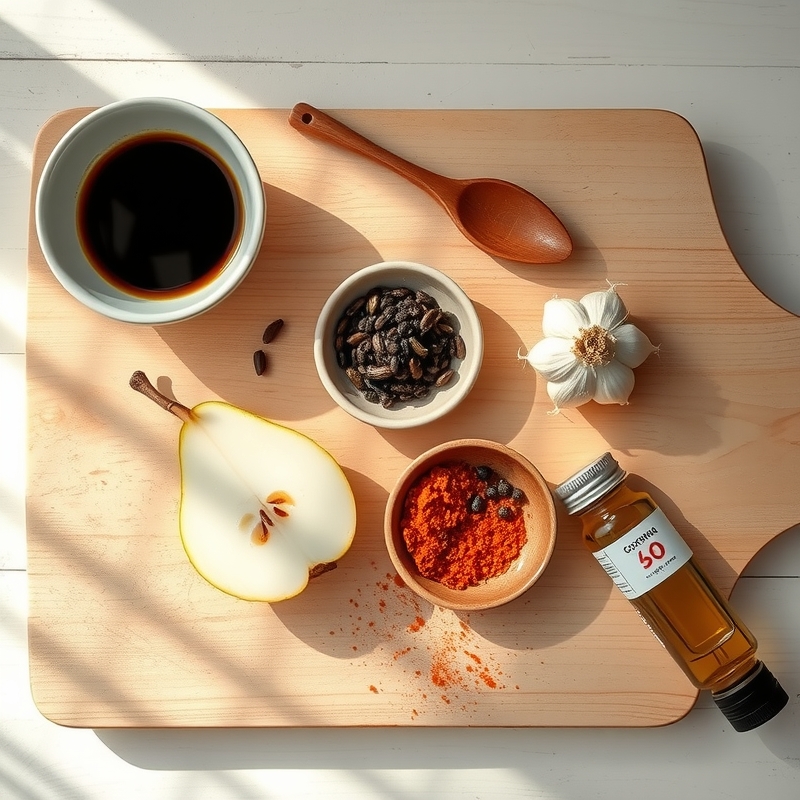
A two-ingredient marinade produces a two-dimensional flavor. Real Korean BBQ marinades have five layers working together: salty (soy sauce), sweet (Asian pear or sugar), savory-umami (garlic and sesame oil), aromatic (green onion and black pepper), and tenderizing (fruit enzyme).
The ingredient most Western recipes skip is the fruit. Korean cooks use 배 (bae, Asian pear) or sometimes kiwi because the natural enzymes break down protein fibers. With ground beef, you don’t need tenderizing for texture — but the fruit adds a round, clean sweetness that white sugar simply cannot replicate. It’s the difference between “sweet” and “bright.”
Here’s the complete marinade for 1 pound of ground beef:
- 3 tablespoons soy sauce (use Korean 진간장/jin-ganjang for depth, or regular works fine)
- 1 tablespoon sesame oil (toasted, not plain — this is non-negotiable)
- 1 tablespoon brown sugar or honey
- 2 tablespoons grated Asian pear (or 1 tablespoon apple sauce as a substitute)
- 4 cloves garlic, minced (more than you think you need)
- 1 teaspoon freshly ground black pepper
- 1 teaspoon gochugaru (Korean red pepper flakes — optional but recommended for warmth)
The fix: Mix the marinade into the raw ground beef with your hands. Let it sit for at least 15 minutes — or up to 2 hours in the fridge. The difference between 0 minutes and 15 minutes of marinating is enormous.
Mistake 3: Crowding the Pan and Stirring Too Much
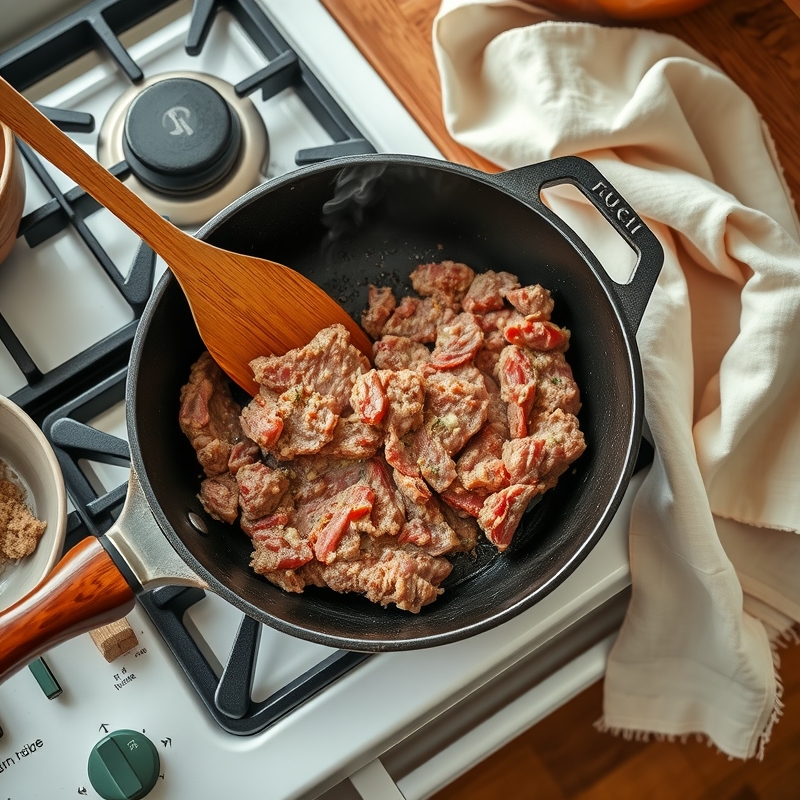
Every time you stir, you reset the browning clock to zero. Ground beef releases moisture when heated. If you dump a full pound into a regular pan, that moisture has nowhere to go — it pools, steams the meat, and you get gray, crumbly beef with zero crust.
Korean street vendors who make 불고기덮밥 (bulgogi deopbap, bulgogi rice bowls) cook on blazing-hot flat griddles and spread the meat thin. They press it down, leave it alone, then flip once. That’s it. The meat contacts the hot surface long enough to caramelize the sugars in the soy sauce and develop dark, sticky edges.
The fix:
- Heat your pan (cast iron is ideal) on high for 2 full minutes before adding anything
- Cook in two batches, not one — half a pound per round
- Spread the beef flat across the pan, then don’t touch it for 2-3 minutes
- Flip in sections, cook another 2 minutes
- The finished beef should have dark, almost charred edges — that’s correct
Lodge Pre-Seasoned Cast Iron Skillet
When I make bulgogi ground beef bowls at home, I use a 12-inch cast iron skillet because it holds heat steady enough to get those caramelized edges without burning the garlic — under $30 and it lasts decades.
(paid link) Check Current Price on Amazon →
The Complete Korean BBQ Ground Beef Recipe That Actually Works
This recipe produces deeply caramelized, sweet-savory ground beef in under 20 minutes — the same flavor profile as traditional bulgogi, adapted for the ingredient you already have in your freezer.
Serves: 3-4 over rice
Total time: 20 minutes (including 15-minute marinade)
Ingredients:
- 1 lb (450g) ground beef, 80/20
- 3 tablespoons soy sauce
- 1 tablespoon toasted sesame oil
- 1 tablespoon brown sugar or honey
- 2 tablespoons grated Asian pear (or 1 tablespoon unsweetened apple sauce)
- 4 cloves garlic, minced
- 1 teaspoon black pepper
- 1 teaspoon gochugaru (optional)
- Toppings: sliced green onion, toasted sesame seeds, a fried egg
Steps:
- Mix all marinade ingredients into the raw ground beef. Let sit 15 minutes at room temperature.
- Heat a cast iron or heavy skillet on high for 2 minutes. No oil needed — the beef fat is enough.
- Add half the beef. Press flat with a spatula. Do not stir for 2-3 minutes until edges darken.
- Flip in large sections. Cook 2 more minutes. Transfer to a plate.
- Repeat with the remaining beef.
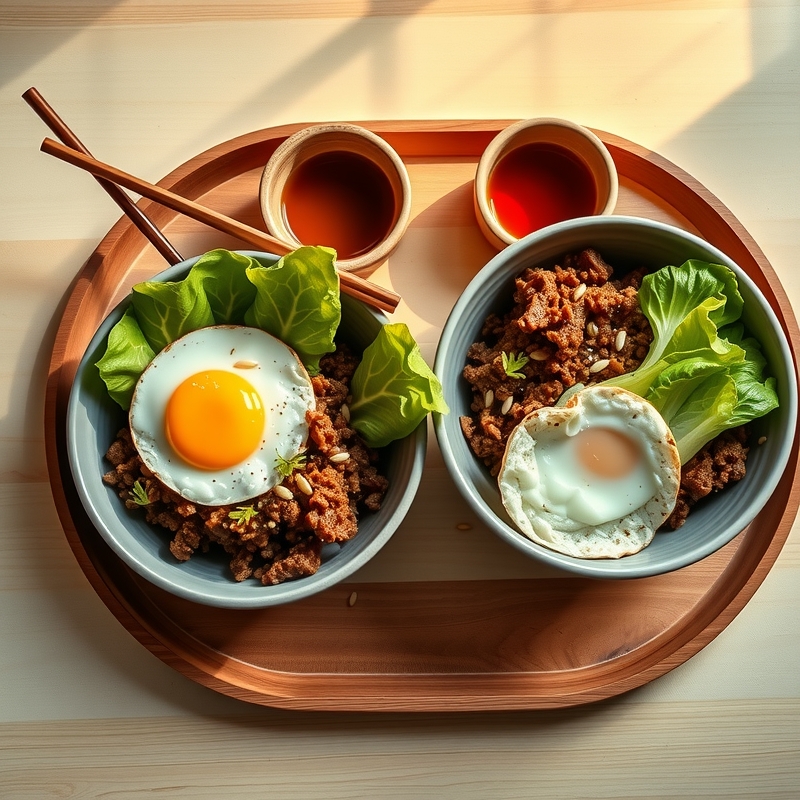
- Serve over hot white rice with sliced green onion, sesame seeds, and a runny fried egg on top.
The charred bits stuck to the bottom of the pan? That’s 누룽지 (nurungji) flavor — the crispy rice crust that Koreans consider the best part of the meal. Scrape it up with your spatula. Don’t waste it.
How Korean Home Cooks Actually Use Ground Beef: 집밥 Culture
In Korean home cooking — called 집밥 (jipbap, literally “house rice”) — ground beef isn’t a shortcut. It’s a completely separate category of ingredient with its own set of dishes. Walk into a Korean supermarket and you’ll find ground beef labeled for specific uses: 불고기용 (bulgogi-yong, for bulgogi), 만두용 (mandu-yong, for dumplings), 떡갈비용 (tteokgalbi-yong, for shaped patties).
Korean mothers don’t make ground beef bulgogi bowls by accident — it’s a deliberate weeknight meal called 소고기덮밥 (sogogi deopbap), and it’s in heavy rotation because it takes under 20 minutes and children devour it. The ground beef gets seasoned almost identically to sliced bulgogi, but it’s cooked crispier and served over rice with a fried egg and kimchi on the side.
Another classic: 떡갈비 (tteokgalbi), which translates to “rice cake short ribs.” It’s seasoned ground beef (traditionally short rib meat) shaped into flat oval patties and grilled or pan-fried. This dish originated in Damyang, South Jeolla Province, where it’s still a regional specialty. If you want to level up your ground beef Korean BBQ game, shaping the seasoned meat into tteokgalbi patties and searing them whole gives you even better caramelization than loose crumbles.
The point is this: Korean cooking has been solving the “how to make ground beef taste incredible” problem for generations. You just need to borrow the right techniques.
Korean BBQ Ground Beef: Method Comparison
| Feature | Loose Crumble (Basic) | Pressed-Flat Sear (Recommended) | Tteokgalbi Patties (Advanced) |
|---|---|---|---|
| Prep time | 5 minutes | 5 minutes | 10 minutes (shaping) |
| Cook time | 8 minutes | 10 minutes (2 batches) | 12 minutes |
| Caramelization | Minimal — mostly steamed | Excellent — dark crispy edges | Excellent — full crust |
| Flavor depth | Soy sauce forward only | Complex: sweet, smoky, savory | Complex + meaty chew |
| Kid-friendly | Yes | Yes — bowl meal favorite | Yes — fun finger food |
| Difficulty | Beginner | Beginner | Intermediate |
| Best for | Tacos, filling | Rice bowls, lettuce wraps | Plated dinners, meal prep |
| Cost per serving | Around $2-3 | Around $2-3 | Around $3-4 |
The pressed-flat sear method is the sweet spot: same effort as the basic crumble, dramatically better results. Unless you want to impress guests — then go tteokgalbi.
CJ Beksul Korean BBQ Bulgogi Sauce
If you want to skip making marinade from scratch on busy weeknights, this is the same sauce brand most Korean households keep in their fridge — just mix 3 tablespoons per pound of ground beef and you’re 90% of the way there.
(paid link) See Why Reviewers Love This →
Frequently Asked Questions
What happens if I use lean ground beef for Korean BBQ?
Lean ground beef (90/10 or higher) produces dry, crumbly meat with almost no caramelization. The fat in 80/20 beef is what creates the crispy, sticky edges that define Korean BBQ flavor. If lean beef is all you have, add 1 tablespoon of sesame oil per pound to partially compensate.
Can I make Korean BBQ ground beef without gochugaru?
Yes — gochugaru adds warmth but isn’t essential to the core bulgogi flavor. Traditional bulgogi is not spicy at all. The soy sauce, sesame oil, garlic, and fruit sweetness are the backbone. Gochugaru just adds a subtle smoky heat that rounds out the flavor for adults. Skip it entirely for kids.
How long should I marinate ground beef for Korean BBQ?
A minimum of 15 minutes makes a noticeable difference; 1-2 hours in the fridge is ideal. Unlike whole cuts, ground beef absorbs marinade quickly because of its increased surface area. Beyond 2 hours, the soy sauce can make the texture slightly mushy, so don’t go overnight.
What’s the best way to serve Korean BBQ ground beef?
Over steamed white rice with a fried egg, sliced green onion, and sesame seeds — this is the classic Korean 덮밥 (deopbap) format. Other excellent options: inside butter lettuce wraps with a dab of ssamjang (Korean dipping paste), in rice paper wraps, or stuffed into kimbap rolls. Korean families also pack it in lunchboxes over rice — it tastes great at room temperature.
Is Korean BBQ ground beef healthy?
A typical serving provides solid protein (around 20-25g per serving) with moderate sodium from soy sauce. You can reduce sodium by using low-sodium soy sauce and increasing the garlic and sesame oil to maintain flavor. According to USDA nutritional data, 80/20 ground beef provides about 17g of protein per 3-ounce cooked serving along with iron and B12.
Key Takeaways
- 80/20 ground beef is non-negotiable — the fat creates caramelization that lean beef physically cannot achieve
- A proper Korean marinade has five layers: salty (soy sauce), sweet (pear or sugar), savory (garlic + sesame oil), aromatic (green onion + pepper), and tenderizing (fruit enzyme)
- Cook in two batches on high heat and don’t stir — this single change fixes most people’s bland results
- Asian pear in the marinade adds a brightness that white sugar cannot replicate — use unsweetened apple sauce if you can’t find pear
- Korean home cooks call this dish 소고기덮밥 (sogogi deopbap) and it’s one of the most common weeknight dinners in Korean households
- The pressed-flat searing method takes the same time as crumbling but produces dramatically better flavor and texture
Tonight, try this: take your regular ground beef, mix in soy sauce, sesame oil, garlic, and a spoonful of brown sugar — then press it flat into a screaming-hot pan and walk away for three minutes. The smell alone will tell you something changed.
This article contains affiliate links. If you purchase through these links, we may earn a small commission at no extra cost to you. We only recommend products we genuinely believe in.