Quick Answer: The best Korean sunscreens under makeup use water-gel, milk, or serum textures that absorb fully without leaving a silicone film — which is why they don’t pill. Here’s what you need to know:
- Korean sunscreens prioritize cosmetic elegance as much as UV protection — they’re designed to work as the last skincare step before makeup
- The #1 reason sunscreen pills under foundation is silicone-on-silicone conflict between your SPF and primer
- Water-based and milk-type Korean sunscreens avoid this entirely
- Most Korean formulas are SPF50+ PA++++ — the highest UVA rating available
- You need about a two-finger-length strip for proper face coverage, even under makeup
A makeup artist at a Seoul wedding studio once told me the secret to flawless bridal makeup that lasts 14 hours in Korean summer humidity: the sunscreen matters more than the foundation. She wasn’t being dramatic. In Korea, sunscreen isn’t the annoying step you rush through — it’s the base that determines whether everything on top stays or slides. Most Western sunscreens weren’t built with makeup compatibility in mind. Korean ones were. That single design philosophy is why 5 specific Korean sunscreens outperform high-end primers as makeup bases, and I wish someone had told me this years ago.
Why Korean Sunscreen Under Makeup Works Better Than Western SPF
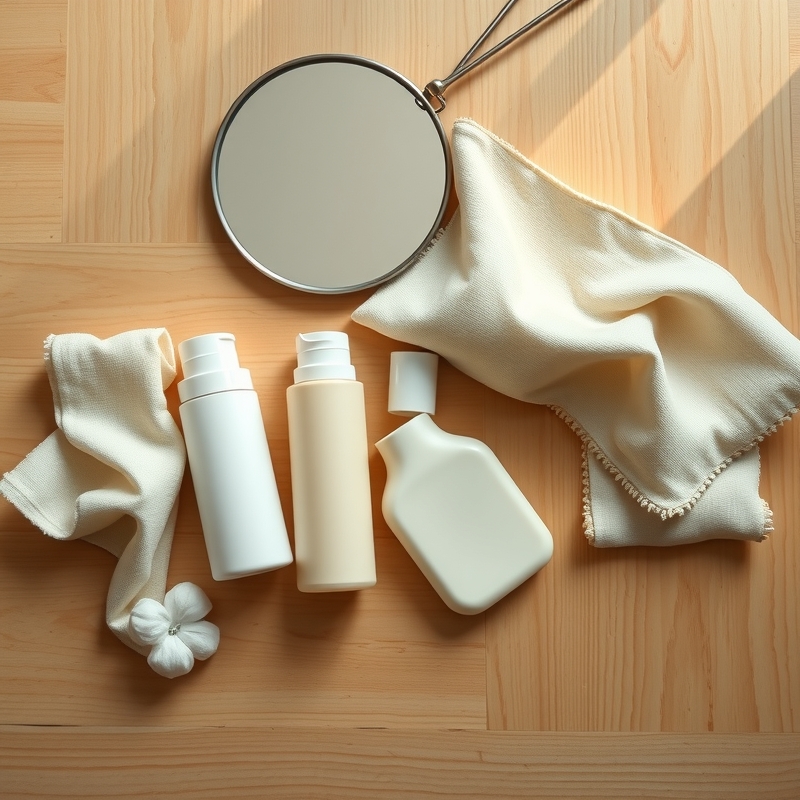
Korean sunscreen formulations prioritize what the industry calls “cosmetic elegance” — the texture, finish, and wearability of the product on skin. This isn’t vanity. It’s strategy. Korean beauty brands recognized early that if sunscreen feels greasy or pills under makeup, people simply won’t reapply it. And sunscreen you skip is sunscreen that fails.
The key difference comes down to base formulation. Most Western sunscreens rely heavily on occlusive silicones and thick mineral filters that sit on top of the skin. When you layer a silicone-heavy primer or foundation over a silicone-heavy sunscreen, the two layers can’t bond properly. The result? Pilling, sliding, and that dreaded “eraser shaving” effect around your nose and chin.
Korean sunscreens solve this with three texture categories that each play differently with makeup:
- Water-gel type: Absorbs completely into skin, leaves a hydrated-but-matte canvas. Works with any foundation type.
- Milk type (유액, yuaek): Lightweight fluid that sets to a soft-matte finish. Acts like a smoothing primer.
- Serum type: Thin, watery consistency that layers invisibly. Best for oily skin or heavy foundation days.
According to the American Academy of Dermatology, broad-spectrum SPF 30 or higher is recommended for daily use — and nearly all Korean sunscreens exceed this at SPF50+ PA++++, offering the highest available UVA protection rating under the Korean and Japanese measurement system.
There’s also a formulation trick that Korean brands use extensively: chemical-only UV filters like Tinosorb S, Uvinul A Plus, and newer-generation filters that are approved in Korea and Europe but not yet in the US. These filters are more photostable, less white-casty, and thinner in texture than the zinc oxide and titanium dioxide dominating American drugstore shelves. The FDA’s sunscreen regulation framework has been slower to approve newer UV filters, which is one reason Korean sunscreens feel years ahead in texture technology.
선크림 Culture: Why Koreans Treat Sunscreen as Skincare, Not Makeup
In Korea, sunscreen isn’t categorized with cosmetics — it’s the final and arguably most important step of the skincare routine, applied every single morning regardless of weather or plans. The Korean term 선크림 (seonceurim, literally “sun cream”) appears in skincare conversations the way moisturizer does in the West: assumed, non-negotiable, boring in its necessity.
This culture connects directly to the Korean beauty concept of 미백 (mibaek), which translates to “brightening” — not bleaching, but maintaining even, clear skin tone. Sun damage is considered the number one enemy of 미백, ahead of acne, aging, or dryness. Walk into any Korean dermatology clinic and the first recommendation for virtually any skin concern — hyperpigmentation, fine lines, redness — is consistent, generous sunscreen application.
Korean women typically apply sunscreen as the last skincare step, wait two to three minutes for it to set, then begin makeup. This waiting period is critical and often skipped by people new to Korean sunscreens. Without it, even the best formula can pill. The two-minute rule gives the UV filters time to form an even film on skin — think of it like letting nail polish dry before adding a top coat.
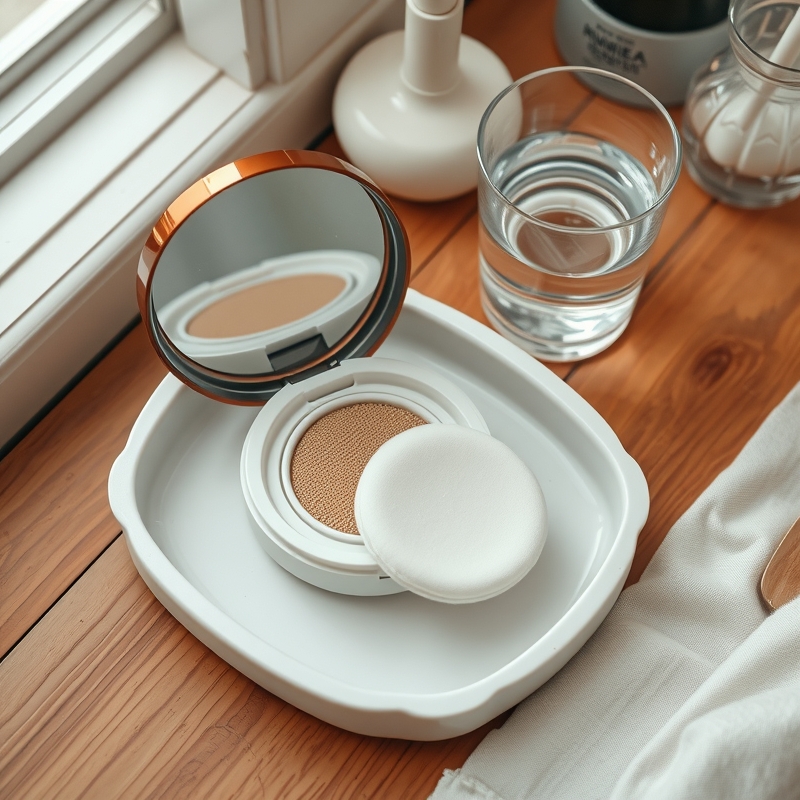
Another distinctly Korean habit: carrying a sunscreen cushion compact (쿠션 선크림) for midday touch-ups over makeup. Brands like Innisfree and Missha sell SPF cushion refills specifically designed to pat over foundation without disrupting it. This solves the reapplication problem that makes most dermatologists wince — because honestly, nobody is washing their face and restarting their makeup at 2 PM on a workday.
5 Korean Sunscreens That Stay Flawless Under Makeup
After testing dozens of Korean sunscreens through Seoul summers — where humidity regularly hits 80% and your makeup faces a genuine endurance test — these 5 consistently performed as makeup bases. Each serves a different skin type and makeup style.
1. Beauty of Joseon Relief Sun: Rice + Probiotics SPF50+ PA++++
This became the most popular Korean sunscreen globally for a reason. The rice bran extract gives a subtle luminous finish without glitter or shimmer — just skin that looks hydrated. It’s a chemical sunscreen with a lightweight lotion texture that absorbs in under 30 seconds. Under foundation, it creates a smooth, slightly dewy base that works especially well with liquid and cushion foundations. Best for normal to dry skin.
Beauty of Joseon Relief Sun: Rice + Probiotics SPF50+ PA++++
The rice bran and probiotic formula that turned a skincare step into the best primer in your routine — your foundation will look better over this than over actual primer.
(paid link)
Check Availability & Reviews →
2. COSRX Aloe Soothing Sun Cream SPF50+ PA+++
If your skin gets irritated by most sunscreens — redness, stinging, tiny bumps — this is where to start. The aloe vera base calms reactive skin while the lightweight cream texture sets to a natural, semi-matte finish. It plays well under both powder and liquid foundations. No white cast, no fragrance. The texture is slightly thicker than the Beauty of Joseon, so a little goes further. Best for sensitive or combination skin.
COSRX Aloe Soothing Sun Cream SPF50+ PA+++
For skin that fights back against most sunscreens — this calms while it protects, and your foundation won’t know it’s there.
(paid link)
See Why Reviewers Love This →
3. Missha All Around Safe Block Essence Sun Milk SPF50+ PA++++
This is the sleeper pick. The milk texture is incredibly thin — almost watery — and sets to a soft-matte, slightly blurring finish that genuinely replaces primer. Oily skin types swear by this one because it controls shine for hours without drying. It contains no heavy emollients, so there’s zero greasiness by midday. Pairs exceptionally well with matte and semi-matte foundations. Best for oily or combination skin.
Missha All Around Safe Block Essence Sun Milk SPF50+ PA++++
The matte-finish sun milk that oily-skin types in Seoul have quietly hoarded for years — your T-zone will finally cooperate.
(paid link)
View Current Price →
4. SKIN1004 Madagascar Centella Hyalu-Cica Water-Fit Sun Serum SPF50+ PA++++
A serum-type sunscreen that feels like applying a lightweight hydrating serum. The centella asiatica calms while hyaluronic acid plumps — so your skin looks better after applying this than before. It absorbs almost instantly and leaves zero residue. Under makeup, it creates a hydrated, glass-skin base. This is the one to reach for when you want that dewy Korean skin look under sheer or light-coverage foundations. Best for dry to normal skin.
5. Etude House Sunprise Mild Airy Finish SPF50+ PA+++
The most mattifying option on this list. If you live somewhere hot and humid, or your foundation tends to slide by noon, this physical-chemical hybrid sunscreen dries down to a powdery, almost velvety finish. It contains silica for oil absorption — essentially building shine control into your sun protection. It does have a very slight white cast on deeper skin tones, so it works best on light to medium complexions or under medium-to-full coverage foundation. Best for very oily skin.
Korean Sunscreen Under Makeup: Comparison Table
Use this table to find your match based on skin type, finish preference, and makeup style. The “Makeup Grip” rating reflects how well foundation adheres and lasts over each sunscreen through a full day.
| Feature | Beauty of Joseon Relief Sun | Missha Sun Milk (Best Value) | SKIN1004 Centella Sun Serum |
|---|---|---|---|
| Texture | Lightweight lotion | Thin milk / fluid | Watery serum |
| Finish | Dewy / luminous | Soft matte / blurring | Hydrated / glass-skin |
| SPF / PA | SPF50+ PA++++ | SPF50+ PA++++ | SPF50+ PA++++ |
| Best Skin Type | Normal to dry | Oily to combination | Dry to normal |
| White Cast | None | None | None |
| Works As Primer | Yes — dewy base | Yes — mattifying base | Yes — hydrating base |
| Makeup Grip (8hr) | ★★★★☆ | ★★★★★ | ★★★★☆ |
| Price Range | Around $10-16 | Around $8-13 | Around $12-18 |
| Best For | Most people — all-rounder | Oily skin, humid climates | Dry skin, dewy makeup looks |
How to Apply Korean Sunscreen Under Makeup Without Pilling
Even the best Korean sunscreen will pill if you apply it wrong — and the mistake most people make happens before the sunscreen even touches their face. Without proper application technique, you’ll get that frustrating white residue rolling off your skin the moment you blend foundation.
Step 1: Let Your Moisturizer Absorb Completely
Wait at least 60 seconds after moisturizer before applying sunscreen. If your moisturizer is still tacky, the sunscreen will mix with it instead of forming its own even layer. Pat your face — if it feels dry to the touch, you’re ready.
Step 2: Use the Two-Finger Method for the Right Amount
Squeeze a line of sunscreen along your index and middle fingers, from the base to the tip. That’s the correct amount for your face. Most people use half of what they need, which means they’re getting maybe SPF 20 instead of the labeled SPF 50+. Under-applying is worse than skipping primer — at least primer doesn’t promise UV protection.
Step 3: Dot and Press, Don’t Rub
Place five dots of sunscreen — forehead, both cheeks, nose, chin — then gently press and pat it into your skin. Aggressive rubbing disrupts the UV filter distribution and increases pilling risk. Think of it like pressing a sheet mask onto your face, not scrubbing dishes.
Step 4: Wait Two to Three Minutes Before Makeup
This is non-negotiable. Set a timer if you need to. Brush your teeth, pick your earrings, make coffee — just don’t touch your face for two to three minutes. The sunscreen needs to form a uniform film. Applying foundation over wet sunscreen is the number one cause of pilling and separation.
Step 5: Apply Foundation With a Damp Sponge Using Press Motions
A damp beauty sponge with bouncing (stippling) motions is the safest application method over sunscreen. Brushes can drag and disrupt the SPF layer. Fingers work too, but press — don’t swipe. If you use a cushion compact, the built-in puff already uses the right pressing technique.
Frequently Asked Questions
Does Korean sunscreen under makeup actually protect as well as regular sunscreen?
Yes — SPF protection depends on the amount applied and the UV filters used, not the texture. Korean sunscreens use the same categories of UV filters (chemical, physical, or hybrid) as Western formulations. The cosmetically elegant texture simply makes you more likely to apply the correct amount, which is arguably better for real-world protection than a thick sunscreen you under-apply because you hate the feel.
What happens if I skip the waiting time between sunscreen and makeup?
Your makeup will likely pill, slide, or separate within hours. The sunscreen hasn’t had time to form a stable film, so the foundation mixes with the still-wet SPF layer. You’ll notice tiny bits of product rolling off when you blend, and by afternoon, your foundation will look patchy — especially around the nose and between the brows where your face moves most.
Can I use Korean sunscreen as a primer and skip primer entirely?
For most people, yes — Korean sunscreens with matte or semi-matte finishes effectively replace primer. The Missha Sun Milk and Etude House Sunprise, in particular, provide the same smoothing and oil-control benefits as a dedicated primer. Adding a separate primer on top of sunscreen actually increases your risk of pilling because you’re adding another layer between SPF and foundation.
How do I reapply sunscreen over makeup during the day?
Use a Korean SPF cushion compact or a sunscreen mist spray — both are designed for over-makeup reapplication. SPF cushion compacts let you pat sun protection over your existing makeup without disrupting it. Mist sprays offer lighter coverage but require less technique. Dermatologists generally recommend reapplying every two hours of direct sun exposure, though indoor office workers with minimal sun contact may need less frequent reapplication.
Is PA++++ really better than PA+++?
PA++++ means the highest measurable UVA protection — roughly 16+ times your natural UVA defense. UVA rays cause premature aging and penetrate through clouds and windows, so the difference between PA+++ and PA++++ matters most for daily indoor-outdoor routines. If you’re choosing between two otherwise similar sunscreens, PA++++ is worth the upgrade.
Key Takeaways
- Korean sunscreens outperform Western formulas under makeup because they’re designed as the skincare-to-makeup bridge, not as an afterthought
- Pilling is caused by silicone conflicts and wet application — wait two to three minutes after sunscreen before touching foundation to your face
- Water-gel, milk, and serum textures are the three Korean sunscreen categories that work under makeup — choose based on your skin type and desired finish
- The Missha Sun Milk is the best value pick for oily skin, offering mattifying primer-like performance at around $8-13
- You need a two-finger-length strip of sunscreen for proper face coverage — using less means your SPF 50+ is performing like SPF 20
- Korean SPF cushion compacts solve the reapplication problem by letting you pat sunscreen over existing makeup without disrupting your look
Tomorrow morning, try this one change: apply your sunscreen, then set a phone timer for two minutes before you start foundation. That single pause will show you what your makeup is supposed to look like at 6 PM.
SKIN1004 Madagascar Centella Hyalu-Cica Water-Fit Sun Serum SPF50+ PA++++
The serum-textured sunscreen that makes your skin look better than bare — centella calms, hyaluronic acid plumps, and foundation glides on like it was painted.
(paid link)
Check Availability & Reviews →
This article contains affiliate links. If you purchase through these links, we may earn a small commission at no extra cost to you. We only recommend products we genuinely believe in.
You Might Also Like
- Korean Body Care Tips You’re Doing Wrong (5 Fixes)
- Korean Style Room Makeover: 7 Unexpected Rules from Seoul
- Why Your Korean BBQ Ground Beef Tastes Flat (3 Fixes)