Korean sunscreen for acne-prone skin uses lighter filters, fewer pore-clogging fillers, and higher moisture-retention ingredients than most American drugstore SPFs — which is why switching after 40 often clears breakouts women didn’t even realize their sunscreen was causing.
Here’s what most dermatology sites won’t tell you: the sunscreen that protected you fine at 30 may be the exact product breaking you out at 45. Your skin’s oil balance, cell turnover rate, and barrier function all shift in your 40s — and American-market sunscreens, formulated around just two FDA-approved chemical filters, haven’t kept up. Korean sunscreen formulations use newer-generation UV filters that have been approved in Asia and Europe for years, resulting in textures that sit lighter, absorb faster, and don’t leave the greasy residue that clogs pores on changing skin.
Here are the 5 key differences that matter most for acne after 40:
- Filter technology (Korean formulas use next-generation filters unavailable in U.S. drugstore brands)
- Texture weight (Korean sunscreens prioritize watery, gel, or essence textures over heavy creams)
- Comedogenic risk (fewer pore-clogging emollients in Korean formulations)
- Moisture balance (hydrating without oil — critical for 40s skin that’s both dry AND breakout-prone)
- Reapplication feel (layers without pilling or caking over makeup)
Korean vs American Sunscreen Filters: What’s Actually on Your Skin
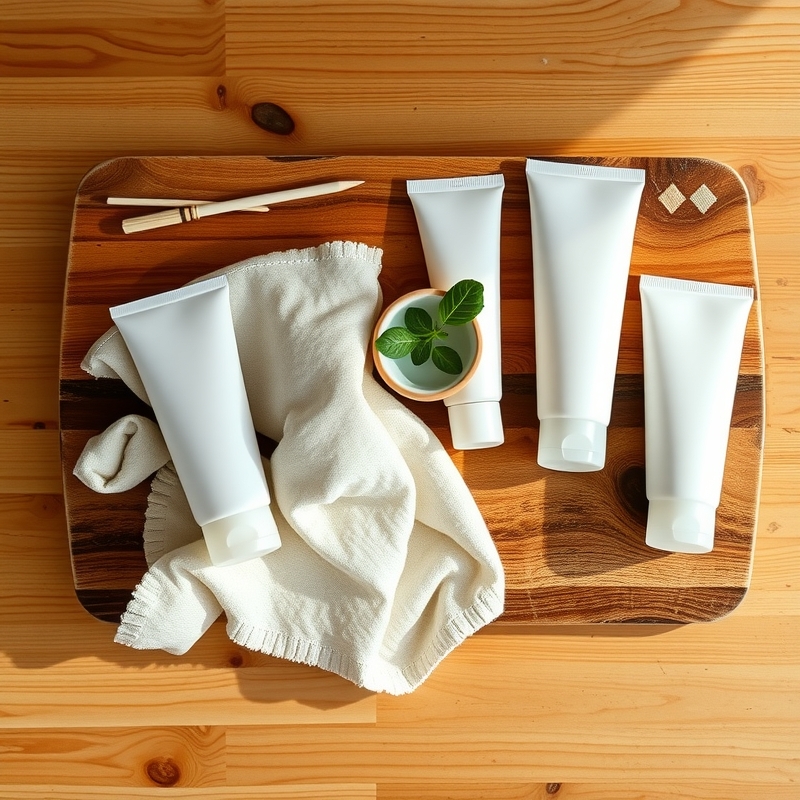
The U.S. FDA has approved only 16 UV filters for sunscreen — and only two chemical filters (avobenzone and octinoxate) dominate the American market. Korean and European sunscreens have access to newer-generation filters like Tinosorb S, Tinosorb M, and Uvinul A Plus, which the FDA has been reviewing since 2014 but has not yet approved for the U.S. market.
Why does this matter for acne after 40? Avobenzone — the backbone of American chemical sunscreens — degrades in sunlight and requires stabilizers. Those stabilizers often include heavy occlusive agents that sit on skin. When your pores are already dealing with the hormonal shifts of perimenopause, that extra film can be the tipping point between clear skin and persistent chin-and-jawline breakouts.
Korean formulations using newer filters can achieve the same SPF 50+ protection with thinner, more elegant textures. Less product sitting on skin means fewer clogged pores — it’s that mechanically simple.
| Feature | American Chemical SPF | Korean Chemical SPF | Korean Hybrid SPF |
|---|---|---|---|
| Primary UV filters | Avobenzone + Octinoxate | Next-gen filters (Tinosorb, Uvinul) | Zinc oxide + next-gen chemical filters |
| Texture | Lotion or cream (heavy) | Watery gel or essence (light) | Lightweight cream (medium) |
| White cast | Minimal | None | Slight to none |
| Comedogenic risk | Moderate to high | Low | Low |
| Stability in sunlight | Degrades (needs stabilizers) | Photostable | Photostable |
| Best for acne-prone 40s skin | ⚠️ Often triggers breakouts | ✓ Lightweight, less pore-clogging | ✓✓ Best balance of gentle + effective |
If your current SPF is a thick American cream and you’ve noticed breakouts along your jawline or chin that weren’t there five years ago, the sunscreen itself — not just hormones — may be a contributing factor.
3 Korean Sunscreen Textures for Acne Compared: Gel vs Essence vs Milk

Korean sunscreens come in three distinct textures — gel, essence (or fluid), and milk — and each interacts differently with acne-prone skin in your 40s. Choosing the wrong texture is the most common mistake when switching to K-beauty SPF. Here’s how they actually differ on skin that’s simultaneously losing moisture and breaking out:
- Gel sunscreens — the lightest option, almost water-like. Best for oily-combination skin that still gets breakouts. They absorb in seconds and leave a matte or semi-matte finish. Downside: they can feel drying by afternoon if your skin is leaning dehydrated (common after 45).
- Essence or fluid sunscreens — slightly more hydrating than gels, with a serum-like slip. These are the sweet spot for most women in their 40s with acne-prone skin because they add moisture without oil. They layer well under makeup.
- Milk sunscreens — the most moisturizing Korean texture, but still far lighter than American cream SPFs. Best for women whose skin has shifted from oily to combination-dry but still breaks out around the chin and nose.
| Feature | Gel Texture | Essence / Fluid Texture | Milk Texture |
|---|---|---|---|
| Weight on skin | Ultra-light | Light-medium | Medium |
| Hydration level | Low | Medium | Medium-high |
| Finish | Matte | Dewy-natural | Natural-satin |
| Pore-clogging risk | Very low | Low | Low-moderate |
| Under makeup | Excellent (no pilling) | Excellent | Good (may need setting) |
| Best skin type in 40s | Oily, acne-active | Combo, dehydrated + acne-prone (best all-rounder) | Dry-leaning, occasional breakouts |
| Reapplication feel | Invisible | Fresh, light | Slightly creamy |
| Approximate price range | Around $12–18 | Around $14–22 | Around $10–16 |
Notice how the essence/fluid texture sits right in the middle — enough hydration for 40s skin that’s losing moisture, but light enough to avoid triggering breakouts. This is the category Korean dermatologists generally recommend for women navigating the combination of aging skin and persistent acne. If you’re choosing your first Korean sunscreen for acne-prone skin after 40, start here.
Beauty of Joseon Relief Sun: Rice + Probiotics SPF 50+
This is the essence-type sunscreen that changed the conversation. Its rice bran and probiotic formula was designed for sensitive, breakout-prone skin — and it layers like a lightweight serum, not a sunscreen. Women in their 40s consistently note it doesn’t settle into fine lines or trigger chin breakouts the way heavier American SPFs do.
(paid link)
Check Availability & Reviews →
Isntree Hyaluronic Acid Watery Sun Gel SPF 50+
If your skin runs oilier and you need a true matte finish that won’t budge by 3 p.m., this gel-type absorbs almost instantly. The hyaluronic acid prevents that tight, dehydrated feeling that most matte sunscreens leave behind — a combination that barely exists in the American market.
(paid link)
See Why Reviewers Love This →
자외선 차단제 (Jayoeseon Chadanje): Why Korean Sun Protection Is a Different Philosophy
In Korea, sunscreen isn’t a seasonal product you pull out in June — it’s a daily non-negotiable, applied 365 days a year, rain or shine, indoors or out. The Korean term 자외선 차단제 (jayoeseon chadanje, UV blocking agent) reflects this: it’s categorized closer to daily skincare than to beach gear.
This cultural difference shapes everything about how Korean sunscreens are formulated. Because Korean women apply sunscreen every single day — often reapplying over makeup at lunch — the texture has to be pleasant enough for daily wear. A thick, greasy formula that might be tolerable for a Saturday at the pool would be completely unacceptable for a Tuesday morning commute in Seoul. That’s why Korean brands have spent decades engineering lighter, more skin-friendly formulas while American brands optimized for weekend outdoor protection.
Walk into any Korean convenience store — a GS25, a CU — and you’ll find a sunscreen section larger than most American drugstore SPF aisles. The choices are categorized by texture (tone-up, watery, gel, essence), by skin concern (acne, redness, aging), and by finish (matte, dewy, natural). This level of specificity exists because Korean consumers demand it. When you use sunscreen 365 days a year, “one-size-fits-all” stops being acceptable fast.
Korean 피부과 (pibu-gwa, dermatology clinics) — which are far more commonly visited in Korea than in the U.S. — routinely counsel patients on sunscreen texture as part of acne treatment. The connection between sun protection and acne management isn’t an afterthought in Korea. It’s central. Korean dermatologists generally advise acne patients to avoid American-style cream SPFs entirely and choose gel or essence formulations specifically because of the lower comedogenic load.
In Korean skincare culture, your sunscreen IS your skincare. If it causes breakouts, it’s not protecting you — it’s just creating a new problem.
Ingredients to Avoid vs Ingredients to Look For: Korean Sunscreen for Acne After 40
The difference between a Korean sunscreen that clears your skin and one that doesn’t comes down to 4-5 specific ingredients on the back of the tube. After 40, your skin’s tolerance shifts. Ingredients you could handle at 32 — certain silicones, heavy emollients, fragrance compounds — may now trigger low-grade inflammation that shows up as persistent small bumps or closed comedones along the jawline and forehead.
According to the American Academy of Dermatology, people with acne-prone skin should look for sunscreens labeled “non-comedogenic” and “oil-free” — but those labels aren’t regulated, so they don’t guarantee anything. What actually matters is what’s on the ingredient list.
Ingredients to Avoid in Sunscreen if You Break Out
- Isopropyl myristate — a common emollient in American SPFs, rated highly comedogenic
- Coconut oil derivatives (coconut alkanes) — appear in “clean” sunscreens but clog pores
- Heavy dimethicone — low-molecular-weight silicones in high concentrations create an occlusive film
- Ethylhexyl palmitate — frequently found in waterproof formulas, known pore-clogger
- Artificial fragrance — can trigger inflammation that worsens hormonal acne after 40
Ingredients Korean Sunscreens Use Instead
- Centella asiatica (병풀, byeongpul) — calms inflammation and supports barrier repair without clogging pores
- Hyaluronic acid — hydrates from within rather than creating a surface film
- Niacinamide — regulates sebum production and brightens post-acne marks simultaneously
- Rice bran extract — a traditional Korean ingredient that provides gentle moisture and mild brightening
- Mugwort (쑥, ssuk) — used in Korean skincare for its soothing, anti-redness properties
| Ingredient | Common in American SPF | Common in Korean SPF | Effect on Acne-Prone 40s Skin |
|---|---|---|---|
| Isopropyl myristate | Yes (emollient) | Rarely | Highly comedogenic — avoid |
| Niacinamide | Rarely in SPF | Frequently added | Reduces sebum + fades marks |
| Centella asiatica | Almost never | Very common | Calms inflammation |
| Heavy fragrance | Common | Less common (many fragrance-free options) | Can trigger hormonal acne flare |
| Hyaluronic acid | Rare in SPF | Standard in most formulas | Hydrates without oil |
COSRX Aloe Soothing Sun Cream SPF 50+
If you’ve been searching for a sunscreen with centella and aloe that won’t irritate already-angry skin, this is the one Korean women with sensitive acne keep repurchasing. It goes on calm, stays calm, and doesn’t pill under foundation — which matters when you’re reapplying at your desk between meetings.
(paid link)
View Current Price →
The Verdict: Which Korean Sunscreen Type Wins for Acne After 40?
For most women in their 40s dealing with acne-prone skin, a Korean essence or fluid-type sunscreen with niacinamide and centella asiatica is the clear winner. It hits the exact intersection of what 40s skin needs: lightweight enough to avoid clogging pores, hydrating enough to address the moisture loss that accelerates in perimenopause, and formulated with active soothing ingredients that American SPFs typically skip.
Here’s the honest breakdown by situation:
- If your skin is oily and actively breaking out: Start with a Korean gel-type sunscreen. The matte finish and ultra-light texture will let your skin breathe. Switch to essence-type once breakouts stabilize.
- If your skin is combination with occasional hormonal breakouts: Essence or fluid texture is your best bet — it’s the daily-driver sunscreen for most Korean women in their 40s.
- If your skin has shifted dry but still gets closed comedones: A Korean milk-type sunscreen gives you moisture without the heavy occlusives that trigger bumps. Still significantly lighter than American cream SPFs.
The common thread? All three Korean options outperform the typical American cream sunscreen for acne-prone skin after 40 — not because Korean products are magic, but because the formulations use lighter textures, newer filter technology, and skin-soothing active ingredients as standard rather than premium add-ons.
Frequently Asked Questions
Why does my sunscreen cause breakouts now when it didn’t in my 30s?
Your skin’s oil production, cell turnover, and barrier function all change in your 40s, making it more reactive to comedogenic ingredients. Hormonal fluctuations during perimenopause can shift your skin from tolerating heavy formulas to breaking out from them. The sunscreen didn’t change — your skin did. Switching to a lighter Korean formula with non-comedogenic ingredients often resolves these new breakouts within 2-4 weeks.
What happens if I skip sunscreen because I’m afraid of breakouts?
Skipping sunscreen accelerates both aging and post-acne hyperpigmentation — making existing acne scars darker and more visible. UV exposure also weakens your skin barrier, which ironically makes acne worse over time. According to dermatological research, non-comedogenic sunscreens do not increase acne — they protect healing skin from scarring. The solution is finding the right sunscreen, not abandoning sun protection.
Is Korean SPF 50+ really equivalent to American SPF 50?
Yes — SPF ratings follow the same international testing standard (ISO 24444) globally. Korean SPF 50+ means the same level of UVB protection as American SPF 50. The difference isn’t in protection level but in formulation: Korean brands use filters and textures that are more cosmetically elegant because daily wear is the cultural expectation, not occasional outdoor use.
Can I use Korean sunscreen over acne treatments like retinol or AHA?
Yes, and in fact sunscreen becomes even more critical when using active acne treatments because retinol and AHAs increase photosensitivity. Korean essence-type sunscreens layer particularly well over treatment serums because of their lightweight, serum-like consistency. Apply your actives first, wait 1-2 minutes, then apply sunscreen as the last step of your morning routine.
How often should I reapply Korean sunscreen if I have acne-prone skin?
Every 2 hours of sun exposure, or after sweating — the same as any sunscreen. Korean women in offices typically reapply once at midday. Gel and essence textures make reapplication easier over makeup because they don’t create the thick buildup that heavier American creams leave. A quick pat-and-press application takes under 30 seconds.
Key Takeaways
- Korean sunscreens use newer-generation UV filters that the FDA hasn’t approved yet, allowing for lighter textures that don’t clog pores the way many American cream SPFs do.
- Essence or fluid-type Korean sunscreen is the best all-rounder for acne-prone skin in your 40s — hydrating enough for moisture-depleted skin, light enough to avoid breakouts.
- Your sunscreen may be causing breakouts you’re blaming on hormones. The heavy stabilizers and comedogenic emollients in many American SPFs become problematic as skin changes after 40.
- Look for niacinamide, centella asiatica, and hyaluronic acid on the ingredient list — these are standard in Korean sunscreens and actively help acne-prone skin.
- Avoid isopropyl myristate, coconut-derived oils, and heavy fragrance in any sunscreen, regardless of origin — these are the most common triggers for adult acne after 40.
- Daily sunscreen use is non-negotiable for acne-prone skin — UV damage worsens hyperpigmentation from breakouts and weakens the barrier that keeps acne in check.
Tonight, check the back of your current sunscreen for isopropyl myristate or ethylhexyl palmitate — if either is listed, that tube may be behind the breakouts you’ve been blaming on stress and hormones. One swap to a Korean essence-type SPF could be the simplest skincare change you make this year.
This article contains affiliate links. If you purchase through these links, we may earn a small commission at no extra cost to you. We only recommend products we genuinely believe in.
You Might Also Like
- 5 Korean Collagen Supplements After 40 (Skip the Rest)
- Why Korean Hair Care Products Work When Yours Stop at 45
- 5 Korean Hair Care Home Remedies After 40 Nobody Mentions