The first time I walked into a Korean convenience store at 2 a.m., I stood frozen for ten minutes. Not because I was lost — because the sheer wall of options felt like stepping into a tiny, fluorescent supermarket that somehow also served fresh ramen, craft beer, and restaurant-quality lunch boxes. Korea has over 50,000 convenience stores nationwide — that’s roughly one for every 1,000 people, giving South Korea one of the highest convenience store densities in the world. But here’s what most travel guides won’t tell you: the items Korean locals actually grab on their way to work look nothing like the tourist haul you see on YouTube. Forget the novelty snack taste-tests. These 15 items are what Koreans reach for on autopilot — the stuff that’s so good, nobody even thinks to recommend it because it’s just… daily life.
The Triangle Kimbap That Replaced Breakfast for an Entire Generation
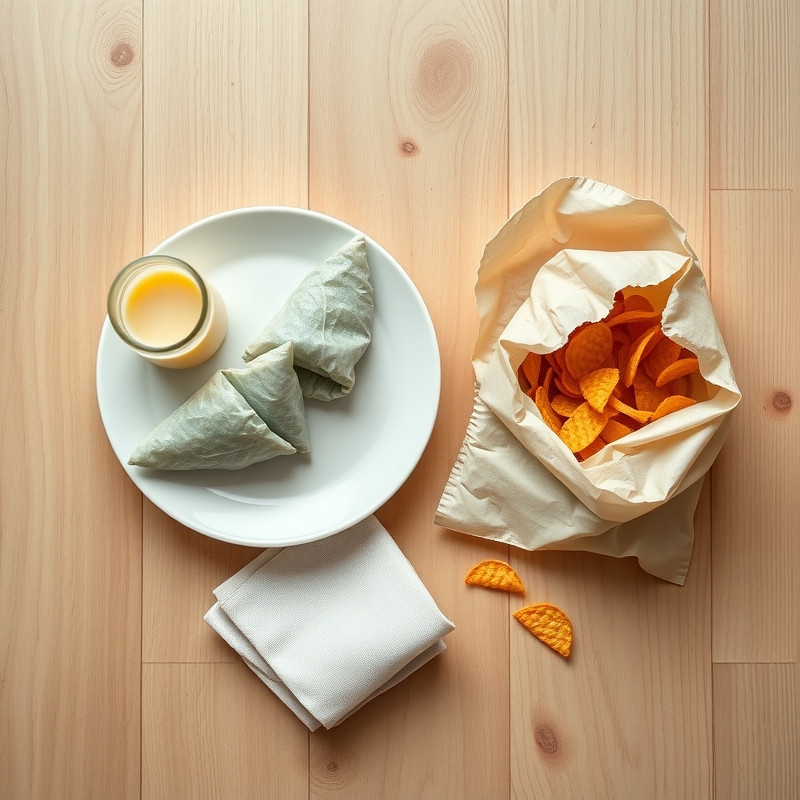
삼각김밥 (samgak-gimbap), or triangle kimbap, is the single most-sold item category across Korea’s major convenience store chains. Walk into any CU, GS25, or 7-Eleven in Seoul at 8 a.m., and you’ll see office workers grabbing two or three without even breaking stride. At roughly 1,000–1,500 won each (around $0.80–$1.20), it’s cheaper than brewing coffee at home.
The genius is in the packaging — a three-step unwrapping system that keeps the roasted seaweed crisp and separate from the rice until the exact moment you eat it. Pull the tab, split the wrapper, and the nori hugs the rice fresh. If you’ve never tried one, start with chamchi-mayo (tuna mayo) — it’s the undisputed bestseller and the flavor most Koreans grew up eating. Then graduate to bulgogi or kimchi-jjigae fillings once you’re hooked.
- Tuna mayo (참치마요) — creamy, mild, the safe first pick
- Bulgogi (불고기) — sweet-savory marinated beef, slightly smoky
- Kimchi-jjigae (김치찌개) — spicy, tangy, deeply Korean
- Myeongnan-mayo (명란마요) — spicy pollock roe with mayo, the cult favorite
Without trying the triangle kimbap, you’re missing the single most authentic “Korean breakfast” experience — the one that doesn’t require sitting down at a restaurant or waking up early.
Korean Convenience Store Must Buy Snacks That Locals Actually Eat
Most “must buy” lists online are curated for foreigners — heavy on novelty, light on what Koreans actually keep in their desk drawer. Here’s the difference: tourists buy Honey Butter Chips once for the Instagram story. Koreans buy 꼬북칩 (Turtle Chips) every single week.
The Desk Drawer Essentials
Turtle Chips (꼬북칩) by Orion have a four-layered corn shell structure that creates a crunch unlike any chip you’ve had. The Corn Soup flavor is the top seller, but the Choco Churros flavor is the one people hide from their coworkers. A bag runs about 1,800–2,500 won (around $1.50–$2.00).
Pepero might look like a basic chocolate stick, but it’s a cultural institution — Korea even has Pepero Day on November 11th, where people exchange boxes the way Americans exchange Valentine’s cards. The Almond flavor outsells the original by a wide margin. It’s not the most exciting snack in the store, but skipping it would be like visiting New York and not trying a slice of pizza.
Homerun Ball (홈런볼) — these small puffed pastry balls filled with chocolate cream have been around for decades. They’re light, not too sweet, and dangerously easy to finish in one sitting. Korean parents pack them for kids; Korean adults eat them while pretending they’re packing them for kids.
The Late-Night Picks
After 10 p.m., Korean convenience stores transform. The ready-to-eat section gets restocked, and the hot food case lights up. Convenience store fried chicken (편의점 치킨) has gotten shockingly good in recent years — CU’s “Babasak Chicken” uses a double-frying technique borrowed from Korean fried chicken restaurants. At around 3,500–4,000 won (roughly $2.80–$3.20), it costs a fraction of delivery chicken.
And then there’s the egg sandwich (에그 샌드위치). If you’ve had a Japanese konbini egg sandwich, you know the category. Korea’s version leans slightly sweeter with a softer, fluffier egg salad filling. GS25’s version is widely considered the best among locals — the bread stays soft for hours without going soggy, which is a small engineering miracle.
The Drinks Section: Where Korean Convenience Stores Win
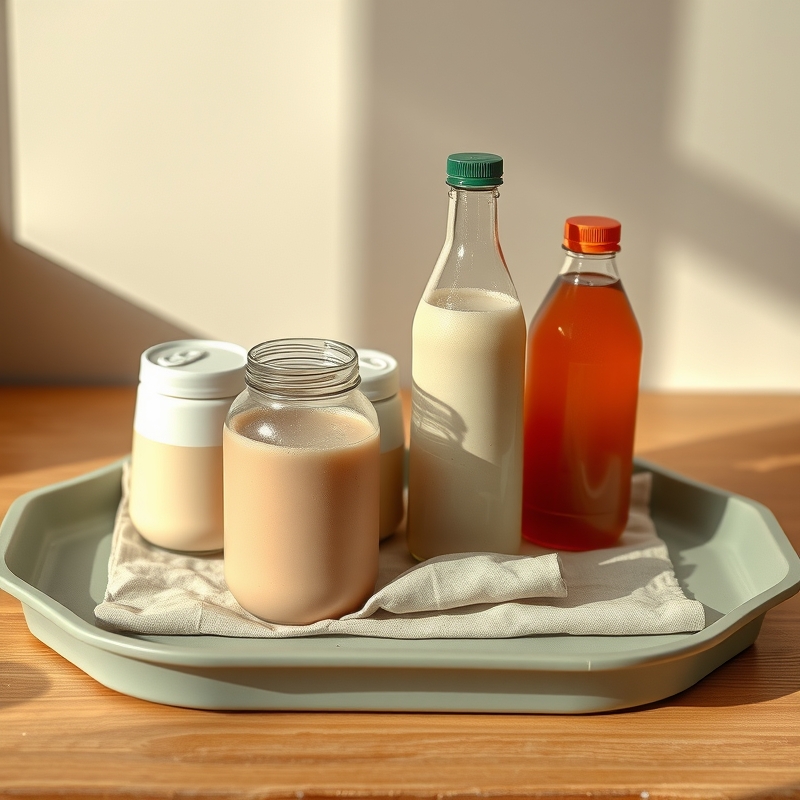
Korean convenience stores stock drinks that don’t exist anywhere else on Earth — and some of them are genuinely life-changing. This isn’t exaggeration. The beverage aisle is where first-time visitors tend to spend the most time because nothing looks familiar, and everything looks interesting.
The One Drink Everyone Needs to Try First
Banana Milk (바나나맛 우유) by Binggrae comes in a squat, rounded jar that’s become an icon of Korean pop culture. It’s been in production since 1974 — over fifty years — and it’s still the top-selling flavored milk in the country. The taste is sweeter than what most Western palates expect from “milk,” but that’s the point. It’s comfort in a bottle. Drink it ice-cold. A single jar costs about 1,500–1,800 won (around $1.20–$1.40).
The Drinks Locals Grab Daily
- Chilsung Cider (칠성사이다) — Korea’s answer to Sprite, but cleaner and less sweet. It’s been the #1 lemon-lime soda in Korea since 1950.
- Vita 500 — a small vitamin C drink that tastes like liquid SweeTarts. Koreans take one when they feel a cold coming on. A bottle costs under 1,000 won.
- Maxim Mocha Gold coffee mix (맥심 모카골드) — available as a ready-to-drink can. This instant coffee blend is the most consumed coffee product in South Korea. It’s not specialty-grade, but it tastes like nostalgia.
- Soju (소주) — yes, you can buy soju at any convenience store for about 1,800–2,500 won. The flavored varieties (peach, grape, green grape) from brands like Chamisul and Chum Churum have lower alcohol content (around 12-13%) and taste more like a cocktail than a spirit.
- Milkis (밀키스) — a carbonated milk-and-yogurt soda that sounds wrong but tastes strangely addictive. It’s the drink most foreigners say “I didn’t think I’d like this” about, then immediately buy a second one.
Korean Convenience Store Must Buy: The Instant Noodle Strategy
Korea has the highest per-capita instant noodle consumption in the world, according to the World Instant Noodles Association. And Korean convenience stores don’t just sell instant noodles — they provide hot water stations and a counter where you can eat them on the spot. This isn’t a backup meal. For many Koreans, this IS the meal.
Here’s what most visitors get wrong: they head straight for the most expensive or most famous option. But the noodle you should start with depends on what you actually want to experience.
| Feature | Shin Ramyun (신라면) | Jin Ramen Mild (진라면 순한맛) | Buldak Bokkeum Myun (불닭볶음면) |
|---|---|---|---|
| Heat Level | Medium-spicy | Mild | Extremely spicy |
| Style | Soup-based | Soup-based | Stir-fried (no soup) |
| Best For | Your first Korean ramyun experience | Spice-sensitive eaters | Spice challenge seekers |
| Approximate Price | ~1,300 won ($1.00) | ~1,100 won ($0.85) | ~1,600 won ($1.25) |
| Broth Depth | Rich, beefy, well-balanced | Light, clean, slightly sweet | No broth — sweet-spicy sauce |
| Local Hack | Add a convenience store egg and slice of cheese | Add kimchi from the side fridge | Mix in half the sauce packet only |
| Locals’ Verdict | The everyday classic — best overall starting point | Underrated daily comfort pick | Fun once, painful twice |
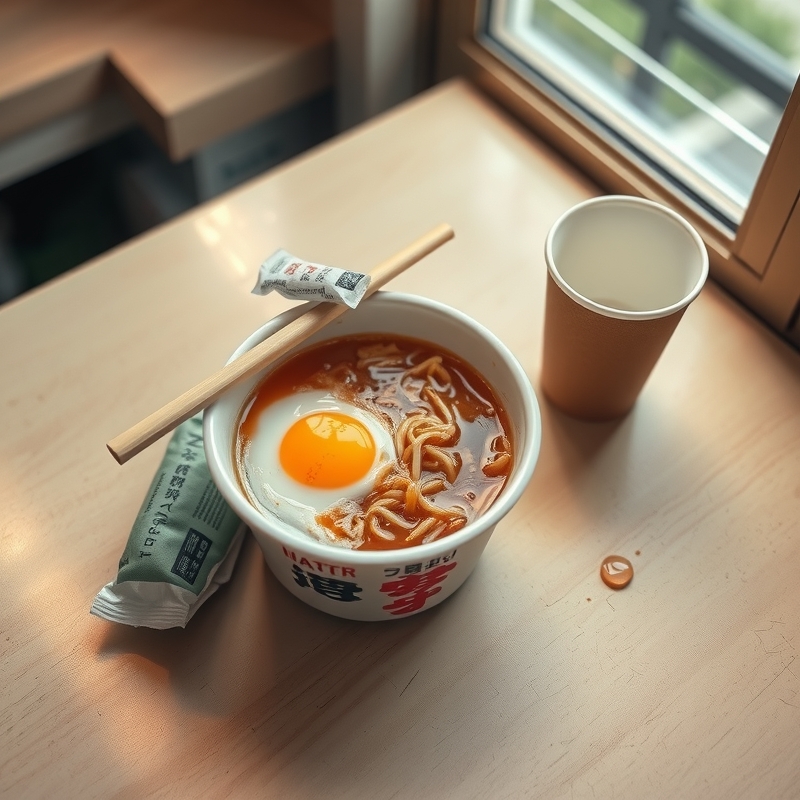
Shin Ramyun sits in the sweet spot — flavorful enough to be memorable, manageable enough to enjoy fully, and cheap enough to try three times with different add-ins. That’s the one locals would tell you to start with if you asked. The pro move? Buy a convenience store egg (usually sold individually near the ramen station for about 300–500 won) and crack it in during the last minute of cooking. That single addition turns a 1,300-won instant noodle into something that genuinely rivals a restaurant bowl.
Frequently Asked Questions
What happens if I visit a Korean convenience store without knowing any Korean?
You’ll be completely fine. Korean convenience stores are self-service — you pick items off the shelf and pay at the counter. Most stores have card readers that accept international Visa and Mastercard. The cashier interaction is minimal, usually just scanning and payment. Product packaging often includes English or recognizable imagery, and the hot water station for ramen is self-explanatory with picture instructions.
Which Korean convenience store chain has the best food — CU, GS25, or 7-Eleven?
GS25 and CU consistently rank highest for ready-to-eat meals and exclusive snack collaborations. GS25 tends to win on sandwiches and fresh items. CU often leads on lunch boxes (도시락) and fried foods. 7-Eleven Korea has improved significantly but still trails slightly in food quality. That said, most Korean locals shop at whichever store is closest — the quality gap is small, and all three chains refresh their menu items seasonally.
Are Korean convenience store foods actually healthy?
Some items are surprisingly nutritious, while others are exactly what you’d expect from convenience food. Triangle kimbap with tuna filling provides protein and carbs for under 250 calories. Banana milk and flavored drinks tend to be high in sugar. The lunch boxes (도시락) offer balanced meals with rice, protein, and vegetables. Nutritionists generally recommend treating convenience store meals as occasional options rather than daily staples, which is exactly how most Koreans use them.
What should I avoid buying at Korean convenience stores?
Skip the international brand items you can get at home — Coca-Cola, Pringles, and Snickers taste the same worldwide and take up budget better spent on things you can only find in Korea. Also, avoid buying multiple Buldak (fire chicken) noodle packets as souvenirs unless you know the recipient genuinely enjoys extreme spice. Many people try one bite and never touch it again. Spend that money on Turtle Chips, Pepero, and Homerun Ball instead — items people actually finish and want more of.
Can I use Korean convenience stores to eat full meals while traveling?
Absolutely — and many budget-conscious Korean travelers do exactly this. A typical convenience store meal of one triangle kimbap, one side item, and a drink runs about 4,000–5,000 won (roughly $3.20–$4.00). The 도시락 (lunch boxes) are even more filling, ranging from 3,500–5,500 won for a complete meal with rice, meat, and banchan-style sides. Some stores also have small seating areas and microwaves for heating purchases.
Key Takeaways
- Triangle kimbap (삼각김밥) is the #1 item to try first — start with tuna mayo flavor, priced around 1,000–1,500 won, and master the three-step unwrapping technique for crisp seaweed.
- Skip the tourist snack hauls and buy what Koreans actually eat daily: Turtle Chips (Corn Soup flavor), Pepero Almond, and Homerun Ball are the desk-drawer essentials locals keep restocking.
- Banana Milk by Binggrae has been Korea’s #1 flavored milk for over 50 years — drink it ice-cold from the squat iconic jar for about 1,500 won.
- Shin Ramyun is the best starting point for Korean instant noodles — add a convenience store egg and a slice of cheese for the authentic local upgrade that costs under 2,000 won total.
- GS25 and CU lead in food quality, but all three major chains (including 7-Eleven) offer seasonal exclusives worth hunting for.
- A full convenience store meal costs roughly 4,000–5,000 won ($3–$4), making it a legitimate budget dining strategy that even Korean locals rely on regularly.
Next time you pass a Korean convenience store — or find a Korean grocery mart near you — grab one triangle kimbap and one Banana Milk. That two-item, under-$3 combination is the most honest introduction to everyday Korean eating you’ll find anywhere. The kimbap disappears in four bites. The milk washes it down perfectly. And you’ll immediately understand why 50,000 stores isn’t enough.
Prices listed are approximate and based on typical Korean convenience store pricing as of early 2026. Actual prices may vary by location and chain.