My roommate in Seoul once told me she survived her entire first year of college cooking only three things: a stir-fry, a stew, and a rice bowl. “That’s all Korean cooking really is,” she said, tossing gochugaru into a bubbling pot like it was nothing. She was exaggerating — but only slightly. Most Korean home cooking falls into one of these three categories, and if you learn one recipe from each, you’ll have a full week of Korean dinners covered with just 3 techniques. The question isn’t whether to start — it’s which style to cook first.
If you’ve been scrolling through Korean recipes for beginners and feeling overwhelmed by the sheer number of dishes, here’s the insider shortcut: every beginner-friendly Korean recipe is essentially a stir-fry (볶음), a stew (찌개), or a rice bowl (덮밥/비빔밥). Master the logic behind each one, and you can improvise dozens of Korean meals without following a single recipe again.
Korean Recipes for Beginners: Difficulty and Time Compared
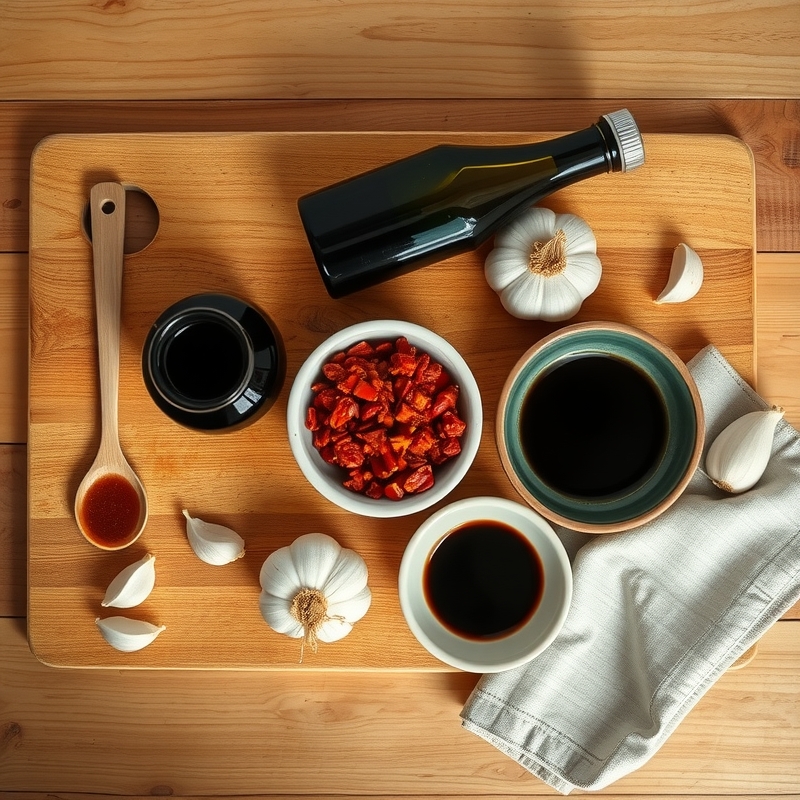
The biggest mistake new Korean cooks make is starting with a recipe that requires too many unfamiliar ingredients at once. A stir-fry uses techniques you already know from any cuisine — heat, oil, toss. A stew is mostly hands-off waiting. A rice bowl is assembly. But the time investment and skill floor for each are surprisingly different.
Stir-Fry: Bulgogi or Japchae
Bulgogi (marinated beef stir-fry) takes about 25 minutes including marination shortcuts, and uses a pan you already own. The technique is dead simple — slice meat thin, mix a sauce, cook on high heat. Japchae (sweet potato glass noodles with vegetables) takes slightly longer at around 35 minutes because you stir-fry each vegetable separately, but the individual steps are effortless.
The catch? Stir-fries are unforgiving with timing. Thirty seconds too long and your beef goes rubbery. If you’re used to cooking pasta and walking away, this demands your full attention for about 5 minutes of active cooking.
Stew: Kimchi Jjigae or Sundubu Jjigae
Kimchi jjigae (kimchi stew) is arguably the most forgiving Korean recipe that exists — even Korean grandmothers say it’s hard to mess up. You dump aged kimchi, pork, tofu, and water into a pot, bring it to a boil, and simmer for 15-20 minutes. Total active time: about 5 minutes. The stew does the work for you.
Sundubu jjigae (soft tofu stew) follows the same logic with silken tofu as the star. Both stews actually taste better when you’re a little sloppy with measurements — more kimchi juice just means more flavor. Without precise technique, you still end up with something deeply satisfying.
Rice Bowl: Bibimbap
Bibimbap looks impressive but is really just organized leftovers on rice. The cooking itself is simple — blanch or sauté 4-5 vegetables, fry an egg, arrange everything over rice, add gochujang. Total time: about 30-40 minutes if you’re prepping everything from scratch, but only 15 minutes if you use pre-cut vegetables.
The hidden challenge is prep work. You’re not doing one thing — you’re doing five small things. It’s more like meal assembly than cooking, which some beginners find easier and others find chaotic.
| Factor | Stir-Fry (Bulgogi) | Stew (Kimchi Jjigae) | Rice Bowl (Bibimbap) |
|---|---|---|---|
| Total Time | 25 minutes | 25 minutes | 30-40 minutes |
| Active Cooking | 10-12 minutes | 5 minutes | 20-25 minutes |
| Skill Floor | Medium — timing matters | Low — very forgiving | Low — mostly assembly |
| Equipment Needed | One large pan | One pot | One pot + one pan |
| Risk of Failure | Overcooking protein | Almost none | Undercooked vegetables |
Verdict: Kimchi jjigae wins for pure ease. Five minutes of active cooking, nearly impossible to ruin, and it fills your kitchen with the exact smell of a Korean home. If you’ve never cooked Korean food before, start here tonight.
Ingredient Accessibility: Korean Recipes for Beginners Outside Korea
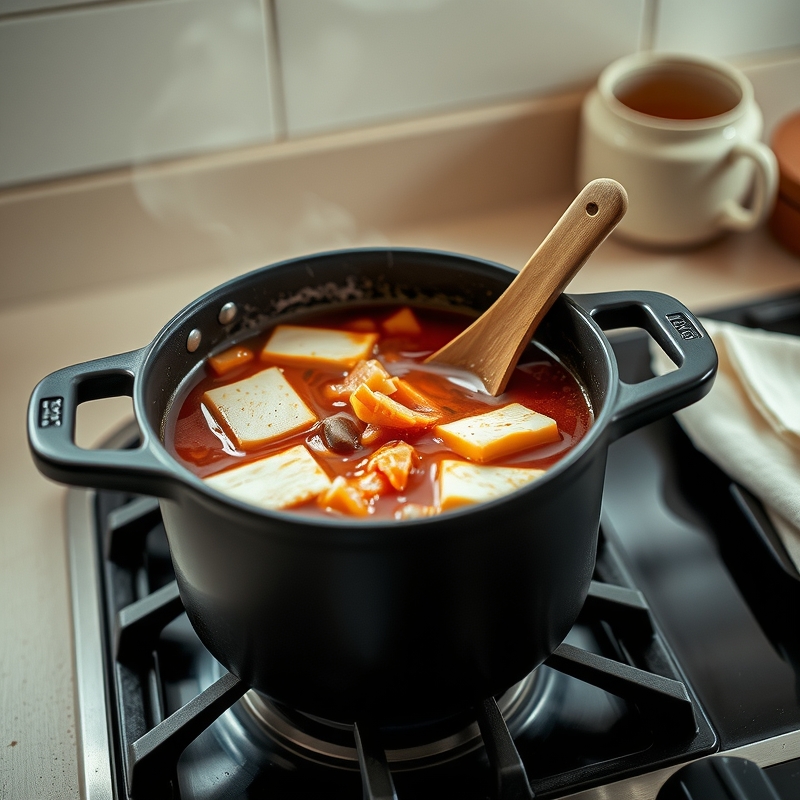
The recipe doesn’t matter if you can’t find the ingredients — and this is where the three styles differ dramatically. Living in Seoul, I forget that gochugaru isn’t sitting in every pantry. But if you’re shopping at a regular Western grocery store, some Korean dishes are far more accessible than others.
What You Need for Each Style
Stir-fry ingredients are the most universally available. Bulgogi needs soy sauce, sugar, garlic, sesame oil, and any tender cut of beef — all standard grocery items. The only “Korean” ingredient is Korean pear for the marinade, and a regular apple substitutes perfectly.
Stews require one critical Korean ingredient: kimchi. Without aged kimchi, kimchi jjigae doesn’t work. Sundubu jjigae needs gochugaru (Korean red pepper flakes), which most Western supermarkets don’t carry. You’ll likely need one trip to an Asian grocery store or one online order.
Bibimbap is flexible — you can use whatever vegetables you have — but the dish only tastes right with gochujang (fermented red pepper paste). Gochujang has become much easier to find globally in recent years, often stocked in the international aisle of large supermarkets.
| Ingredient Availability | Stir-Fry (Bulgogi) | Stew (Kimchi Jjigae) | Rice Bowl (Bibimbap) |
|---|---|---|---|
| Regular Grocery Store | 90% of ingredients available | 60% — need kimchi | 80% — need gochujang |
| Must-Have Korean Item | Sesame oil (widely available) | Aged kimchi + gochugaru | Gochujang |
| Substitutes Possible? | Yes — apple for Korean pear | Limited — kimchi is essential | Partial — sriracha in a pinch |
| Pantry Investment | Around $8-12 for basics | Around $10-15 for basics | Around $8-12 for basics |
| Ingredients Last For | Multiple recipes | Multiple recipes | Multiple recipes |
Prices vary by region and retailer.
Verdict: Bulgogi wins for accessibility. You could make it tonight with what’s already in most kitchens, plus one bottle of sesame oil. Stews require a kimchi commitment, and while kimchi is worth buying, it’s an extra step for a true beginner.
Flavor Payoff: Which Korean Beginner Recipe Impresses Most?
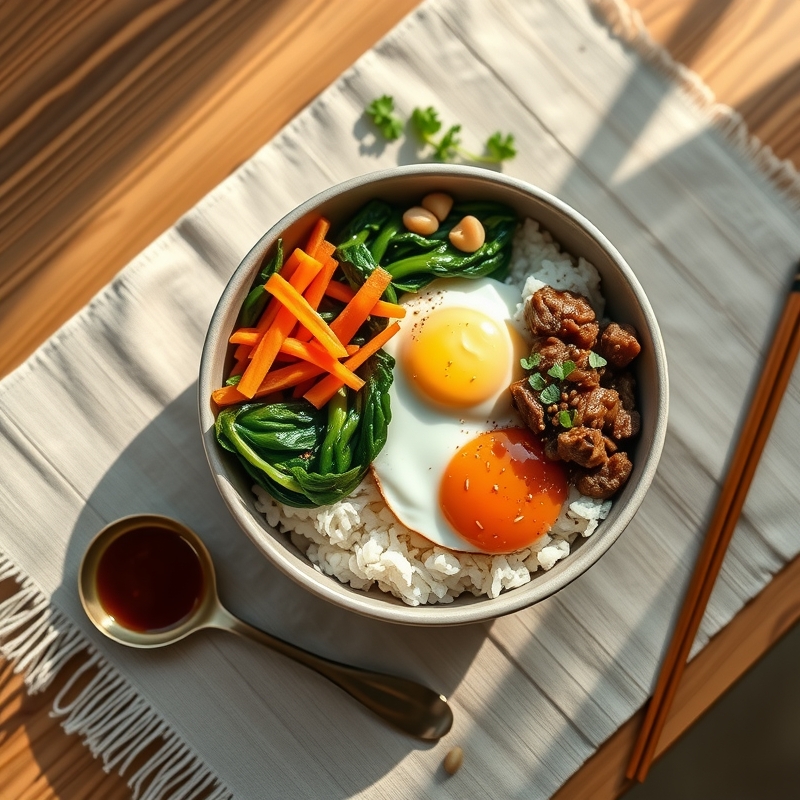
Here’s what most Korean food blogs won’t tell you: the dish that’s easiest to cook isn’t always the one that makes your friends say “you made THIS?” If you’re cooking Korean food for the first time and want maximum impact — the kind where someone photographs their plate — the three styles deliver very differently.
The “Wow Factor” Breakdown
Bulgogi is crowd-proof. The sweet-savory marinade hits every flavor preference, and even people who claim they don’t like Korean food will clean their plate. It’s the gateway dish — the one Korean restaurants worldwide use to hook first-timers. But it doesn’t look particularly exotic on a plate. It looks like any stir-fry.
Kimchi jjigae is polarizing. The deep red broth, the pungent fermented smell, the bubbling pot served straight from the stove — it either excites people or intimidates them. For someone who already loves kimchi, this is comfort food that tastes like it simmered for hours. For a kimchi newcomer, it might be too much, too fast.
Bibimbap is the visual showstopper. The colorful vegetable arrangement on white rice, the glossy fried egg on top, the dramatic mixing at the table — bibimbap is the most Instagram-worthy Korean dish a beginner can make, and it tastes as good as it looks. In Korean culture, the five colors of bibimbap toppings (white, green, red, yellow, black) represent the five elements of Korean culinary philosophy.
- Best for dinner parties: Bibimbap — guests assemble their own, which turns dinner into an interactive experience
- Best for meal prep: Bulgogi — marinates well, stores for days, works in wraps, rice bowls, or alone
- Best for cold nights: Kimchi jjigae — nothing else comes close to that warming, soupy comfort
- Best for picky eaters: Bulgogi — universally appealing sweet-savory flavor profile
| Impression Factor | Stir-Fry (Bulgogi) | Stew (Kimchi Jjigae) | Rice Bowl (Bibimbap) |
|---|---|---|---|
| Visual Impact | Moderate | High (dramatic bubbling pot) | Very High (colorful array) |
| Crowd Appeal | Universal — almost nobody dislikes it | Polarizing — kimchi is strong | High — customizable per person |
| Leftovers Quality | Great for 2-3 days | Better the next day | Poor — gets soggy |
| Shareability | “You have to try this marinade” | “I made Korean stew from scratch” | “Look at this plate” |
Verdict: Bibimbap wins for impression, but bulgogi wins for repeat cooking. If you want to cook Korean food once to impress someone, make bibimbap. If you want to cook Korean food every week, learn bulgogi first — it’s the recipe you’ll actually make again.
Korean Recipes for Beginners: The Recommended Learning Path
Korean home cooks don’t learn one recipe at a time — they learn a method that unlocks an entire category. This is the part that changes everything for beginners. Once you understand the stir-fry method, you can make bulgogi, japchae, dakgalbi, and jeyuk bokkeum with the same basic technique. Once you nail one jjigae, you can make five more by swapping the main ingredient.
Week 1: Start with Kimchi Jjigae (The Confidence Builder)
Make it twice in the first week. The first time, follow the recipe exactly. The second time, adjust — more gochugaru if you want heat, more kimchi juice if you want tang. By your second bowl, you’ll understand the Korean cooking principle of “간 맞추기” (gan matchugi) — adjusting seasoning to your own taste — which is more important than any recipe.
Week 2: Move to Bulgogi (The Technique Builder)
Bulgogi teaches you the Korean marinade formula that appears in dozens of recipes: soy sauce + sugar + garlic + sesame oil + a fruit element. Master this ratio once, and you’ve unlocked Korean-style stir-fries permanently. Try marinating chicken thighs with the same sauce — that’s dak bulgogi, and it’s equally good.
Week 3: Finish with Bibimbap (The Creative Playground)
By now you have leftover bulgogi in the fridge. Put it on rice with whatever vegetables you have, add a fried egg and gochujang, and you’ve made bibimbap without even trying. This is how Korean home cooking actually works — dishes flow into each other, and tonight’s stir-fry becomes tomorrow’s rice bowl topping.
In Korean households, bibimbap is often called “the fridge-cleaning meal” — it’s what you make when you have small amounts of many things and none of them are enough for a full dish on their own.
CJ Haechandle Gochujang (Korean Red Pepper Paste)
This is the exact brand sitting in most Korean kitchens right now. One tub lasts months and transforms plain rice bowls, stews, and dipping sauces into something unmistakably Korean.
(paid link)
Check Availability & Reviews →
Ottogi Sesame Oil (Pure Korean)
Korean sesame oil is roasted darker and deeper than most international versions — it’s the single ingredient that makes Korean stir-fries smell like a Seoul kitchen. A small bottle goes a long way since you use it by the teaspoon.
(paid link)
See Why Reviewers Love This →
Frequently Asked Questions
What happens if I use fresh kimchi instead of aged kimchi for jjigae?
Fresh kimchi makes a noticeably weaker, less flavorful stew. Aged kimchi (at least 2-3 weeks old, ideally longer) has developed the deep sourness and complex fermented flavor that makes kimchi jjigae taste right. If your kimchi is fresh, let it sit in the fridge for a few weeks before using it for stew — or add a splash of vinegar as a shortcut, though the result won’t be identical.
Can I make Korean recipes for beginners without any spice at all?
Yes — bulgogi and japchae contain zero chili pepper and are naturally mild. Many popular Korean dishes aren’t spicy. If you want to try jjigae or bibimbap without the heat, simply reduce or omit the gochugaru and gochujang. The dishes will taste different from the traditional version, but they’ll still be delicious. You can build your spice tolerance gradually.
What’s the one Korean pantry item I should buy first?
Gochujang (fermented red pepper paste) is the single most versatile Korean ingredient. It works as a bibimbap sauce, a stir-fry base, a marinade component, and even a dipping sauce when mixed with vinegar and sugar. One container typically costs around $5-8 and lasts for months in the refrigerator. Soy sauce and sesame oil are the next two essentials.
Do I need a Korean stone pot (dolsot) to make these recipes?
No — every beginner Korean recipe works perfectly in standard Western cookware. A large skillet handles stir-fries, a regular pot works for stews, and any bowl serves bibimbap. A dolsot creates the crispy rice crust in dolsot bibimbap, which is a nice upgrade later, but it’s absolutely not necessary when you’re starting out.
Which Korean recipe is best for meal prepping?
Bulgogi is the best Korean recipe for meal prep because the flavor improves after marinating overnight and it stores well for 3-4 days. You can cook a large batch on Sunday and use it throughout the week in different ways — over rice, in lettuce wraps, or stuffed into kimbap. Kimchi jjigae also reheats beautifully and actually tastes better the next day. Bibimbap, on the other hand, should be assembled fresh since the vegetables wilt and the rice absorbs the sauce.
Key Takeaways
- Kimchi jjigae is the easiest Korean recipe for beginners — only 5 minutes of active cooking and nearly impossible to ruin, making it the ideal confidence-building first dish.
- Bulgogi requires no special Korean ingredients beyond sesame oil, which means you can make it tonight with a regular grocery store trip — no Asian market needed.
- Bibimbap delivers the highest visual and social impact of any beginner Korean dish, making it the best choice when cooking to impress someone for the first time.
- The Korean marinade formula (soy sauce + sugar + garlic + sesame oil + fruit) appears in dozens of recipes — learn it once with bulgogi and you’ve unlocked an entire category of Korean cooking.
- Korean home cooking is designed to flow between meals — tonight’s bulgogi becomes tomorrow’s bibimbap topping, so learning all three styles creates a self-sustaining weekly meal rotation.
- Gochujang, sesame oil, and soy sauce are the three pantry staples that unlock the majority of Korean recipes for beginners — a combined investment of around $15-20 that lasts months.
Tonight, try the simplest version: chop some aged kimchi, drop it in a pot with a handful of sliced pork and a block of tofu, add water to cover, and boil for 20 minutes. That’s kimchi jjigae — and by tomorrow, you’ll already be thinking about what to cook next.
This article contains affiliate links. If you purchase through these links, we may earn a small commission at no extra cost to you. We only recommend products we genuinely believe in.
You Might Also Like
- Korean Convenience Store Must Buy: 15 Items Locals Grab
- Korean Picnic Food Ideas: Kimbap vs Dosirak Compared
- Korean Makeup Tutorial: Why Your Look Goes Wrong