In most Korean households, soup isn’t a side dish — it’s the center of every single meal, breakfast included. While Western cooking treats soup as a starter or a cold-weather comfort, Koreans eat soup 365 days a year, sometimes twice a day. The good news? The soups Koreans actually cook at home are shockingly simple. Here are 7 easy Korean soup recipes that take under 30 minutes, using ingredients you can find at any Asian grocery store — or increasingly, your regular supermarket.
Quick-Pick Summary: 7 Easy Korean Soups at a Glance
| Soup | Difficulty | Time | Key Ingredient | Best For |
|---|---|---|---|---|
| Miyeok-guk (Seaweed Soup) | ⭐ Easiest | 20 min | Dried seaweed | Everyday meal |
| Gyeran-guk (Egg Drop Soup) | ⭐ Easiest | 10 min | Eggs | Quick lunch |
| Doenjang-jjigae (Soybean Paste Stew) | ⭐⭐ Easy | 25 min | Doenjang paste | Hearty dinner |
| Kimchi-jjigae (Kimchi Stew) | ⭐⭐ Easy | 25 min | Aged kimchi | Using up old kimchi |
| Tteok-guk (Rice Cake Soup) | ⭐⭐ Easy | 25 min | Sliced rice cakes | Light but filling |
| Kongnamul-guk (Bean Sprout Soup) | ⭐ Easiest | 15 min | Soybean sprouts | Hangover recovery |
| Sundubu-jjigae (Soft Tofu Stew) | ⭐⭐ Easy | 20 min | Soft tofu | Spicy comfort food |
1. Miyeok-guk — The Korean Soup Recipe Every Beginner Should Learn First
Miyeok-guk (seaweed soup) is the first soup most Koreans ever eat — literally. It’s traditionally served to mothers after childbirth because miyeok-guk is rich in iodine and minerals. Every Korean eats it on their birthday too, making this soup one of the most emotionally significant dishes in the culture.
Most food blogs overcomplicate this. In a real Korean kitchen, it takes about 20 minutes and 4 ingredients.
How to Make Miyeok-guk
- Soak a handful of dried seaweed (miyeok) in water for 10 minutes — it expands dramatically, so use less than you think
- Sauté the drained seaweed with a teaspoon of sesame oil and a splash of soy sauce for 2 minutes
- Add 4 cups of water (or anchovy broth for deeper flavor) and bring to a boil
- Simmer for 10 minutes, season with a pinch of salt and minced garlic at the end
Insider tip: Add thinly sliced beef while sautéing the seaweed for a richer version. In Korea, the beef version is considered the “proper” birthday soup.
2. Gyeran-guk (Egg Drop Soup) — The 10-Minute Korean Soup Recipe
If you skip gyeran-guk because it looks too simple, you’re missing out on one of Korea’s most underrated comfort foods. This egg soup appears at nearly every Korean restaurant as a complimentary side, and there’s a reason: it balances heavier dishes perfectly.
The secret most recipes miss? Korean egg soup isn’t thickened with cornstarch like Chinese egg drop soup. It relies entirely on technique — how you pour the egg.
How to Make Gyeran-guk
- Bring 3 cups of anchovy or dashima (kelp) broth to a rolling boil — using real broth matters here
- Beat 2 eggs lightly in a bowl with a pinch of salt
- Drizzle the egg into the boiling broth in a thin stream while stirring gently in one direction
- Add a teaspoon of soup soy sauce (guk-ganjang), chopped scallions, and remove from heat immediately
The difference between restaurant-quality and lumpy egg soup is timing: pour the egg when the broth is at a full boil, not a simmer. The high heat creates those delicate, silky ribbons instead of rubbery clumps.
3. Doenjang-jjigae — The Easy Korean Soup That Tastes Like It Took Hours
Doenjang-jjigae is to Korea what chicken noodle soup is to America — except Koreans eat it several times a week, year-round. This fermented soybean paste stew smells intense while cooking, but the flavor is deeply savory, earthy, and genuinely addictive once you acquire the taste.
Without this stew in your rotation, you’re missing the single most common soup in Korean home cooking. Walk into any Korean household at dinnertime, and there’s a solid chance doenjang-jjigae is on the table.
How to Make Doenjang-jjigae
- Dice 1 small zucchini, 1 small potato, half an onion, and 1 block of firm tofu into bite-sized cubes
- Bring 2 cups of anchovy broth (or rice-wash water) to a boil in a small pot
- Dissolve 2 tablespoons of doenjang paste into the broth — stir it in rather than just dropping it
- Add the potato and onion first (they take longest), then zucchini and tofu after 5 minutes
- Add 1 minced garlic clove and a sliced chili pepper in the last 2 minutes
Pro move: Korean grandmothers add the garlic last, not first. Unlike Western cooking where garlic goes in early, adding it at the end keeps the flavor sharp and pungent — exactly what doenjang-jjigae needs.
Choosing the Right Doenjang
At Korean grocery stores, you’ll see multiple brands. For beginners, Sempio or Haechandle are widely available and reliable. Look for doenjang with short ingredient lists — soybeans, salt, water. Avoid anything with added MSG unless you prefer that flavor profile. A 500g tub costs around $4-7 and lasts for weeks.
4. Kimchi-jjigae — The Easy Korean Soup That Gets Better with Old Kimchi
Here’s something most non-Koreans don’t realize: kimchi-jjigae is specifically designed to use kimchi that’s too sour to eat raw. That jar of kimchi in the back of your fridge that’s been there for months? That’s not expired — that’s the perfect ingredient. Fresh kimchi actually makes a worse stew.
This is probably the most forgiving Korean soup recipe you’ll ever make. Overcooked it? Better. Too much kimchi? Even better.
How to Make Kimchi-jjigae
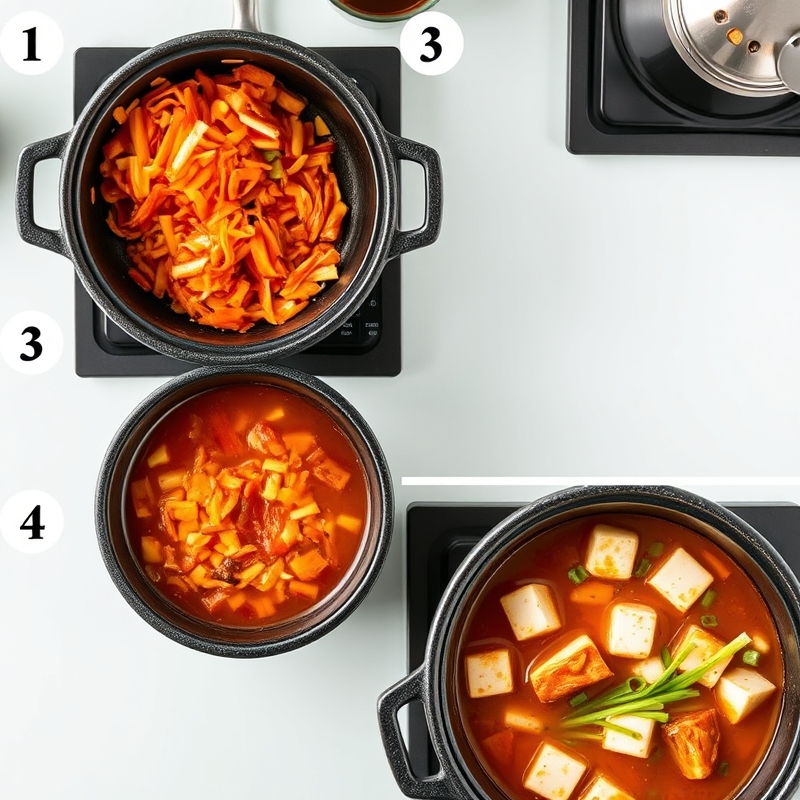
- Roughly chop 1.5 cups of aged kimchi (the sourer, the better) and reserve the kimchi juice
- Sauté the kimchi with a splash of sesame oil for 3-4 minutes until slightly caramelized
- Add 2 cups of water, the reserved kimchi juice, and a tablespoon of gochugaru (Korean red pepper flakes)
- Add protein — sliced pork belly, canned tuna, or spam all work (yes, spam is authentically Korean)
- Bring to a boil, add a block of soft tofu broken by hand into rough chunks, and simmer for 15 minutes
The caramelizing step is what separates good kimchi-jjigae from great. Cooking the kimchi in oil before adding water creates a depth of flavor that boiling alone can’t achieve. Most Korean home cooks do this instinctively — most English recipes skip it entirely.
5. Tteok-guk (Rice Cake Soup) — The Easy Korean Soup for a Filling Meal
Tteok-guk is traditionally eaten on Lunar New Year because Koreans believe you gain one year of age with each bowl. But limiting this soup to once a year would be a mistake — it’s one of the most satisfying light meals you can make in 25 minutes.
The sliced rice cakes (tteok) have a chewy, almost mochi-like texture that’s completely different from anything in Western cooking. Once you try it, you’ll understand why Koreans crave this specific chewiness.
How to Make Tteok-guk
- Soak 2 cups of sliced rice cakes (garae-tteok) in cold water for 20 minutes if frozen, or use straight from the fridge if fresh
- Bring 4 cups of beef broth (or anchovy broth) to a boil with a tablespoon of soup soy sauce
- Add the drained rice cakes and cook for 5-7 minutes until they float and turn soft and chewy
- Drizzle in a beaten egg, add sliced scallions, and top with crumbled gim (roasted seaweed)
Critical warning: don’t overcook the rice cakes. They go from perfectly chewy to mushy paste in about 3 minutes. Once they float and look slightly translucent, they’re done. This is the one step where timing actually matters.
6. Kongnamul-guk (Bean Sprout Soup) — Korea’s Famous Hangover Korean Soup Recipe
Kongnamul-guk is the soup Korean office workers eat the morning after a company dinner, and it has been a staple hangover remedy for generations. The soybean sprouts are rich in asparagine, an amino acid that research has linked to alcohol metabolism support. But you don’t need a hangover to enjoy this — it’s light, refreshing, and costs almost nothing to make.
A bag of soybean sprouts costs around $1-2 at any Asian grocery store, making this one of the most affordable meals you can cook.
How to Make Kongnamul-guk
- Rinse 200g of soybean sprouts (not mung bean sprouts — they’re different) and trim any brown tails
- Place the sprouts in a pot with 3 cups of water, 1 tablespoon of soup soy sauce, and 2 minced garlic cloves
- Cover with a lid and bring to a boil — do not open the lid for the first 8 minutes
- After 8 minutes, add salt to taste, a drizzle of sesame oil, and sliced scallions
The “don’t open the lid” rule is not optional. Raw soybean sprouts release a strong, unpleasant bean smell if the lid is opened during the initial boiling. Keeping the lid sealed allows the temperature to stay high enough to neutralize the enzyme responsible for that odor. Every Korean cook knows this rule — now you do too.
7. Sundubu-jjigae (Soft Tofu Stew) — The Spicy Korean Soup Recipe That’s Easier Than You Think
Sundubu-jjigae is the Korean soup that converts people who think they don’t like tofu. The soft tofu used here has a completely different texture from firm tofu — it’s silky, almost custard-like, and it melts into the spicy broth to create something rich and luxurious.
Instead of a 45-minute restaurant production, the home version takes about 20 minutes. The bubbling, fiery-red stew looks impressive, but the technique is straightforward.
How to Make Sundubu-jjigae
- Sauté 1 tablespoon of gochugaru and a teaspoon of minced garlic in sesame oil for 30 seconds until fragrant
- Add 1.5 cups of anchovy broth (or water with a teaspoon of dashida stock powder) and bring to a boil
- Gently slide in 1 tube of soft tofu (sundubu) — don’t stir, just break it into large, rustic pieces with a spoon
- Add your protein: a handful of chopped kimchi, sliced mushrooms, or shrimp all work well
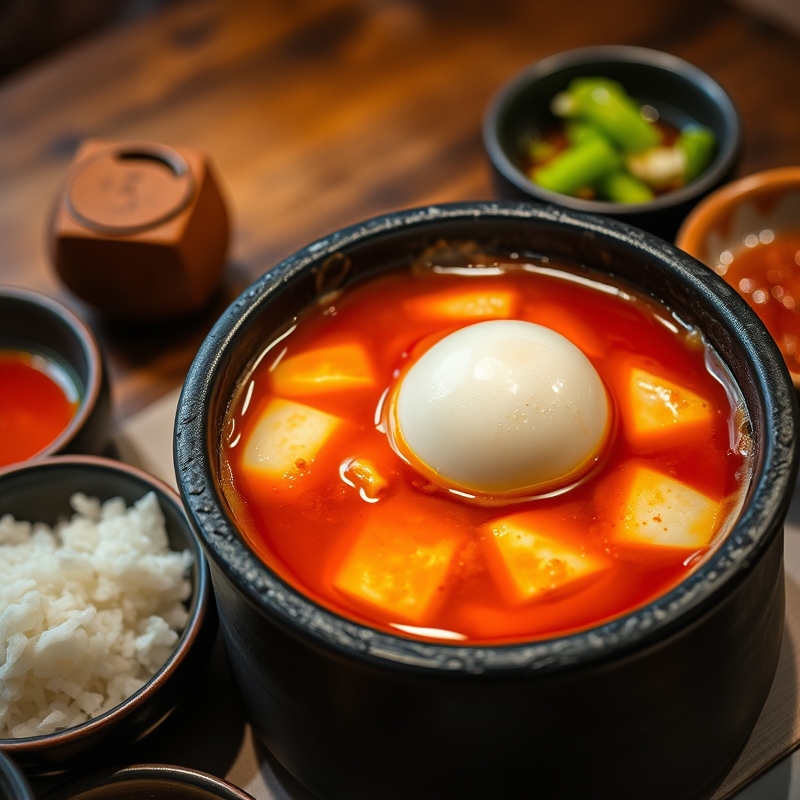
- Crack a raw egg directly on top of the stew right before serving — the residual heat cooks it gently
The egg on top is non-negotiable. In Korean restaurants, sundubu-jjigae always arrives bubbling in a stone pot with a raw egg cracked on top. You mix the egg in yourself, and it creates a silky, rich layer throughout the stew. Skipping it is like eating cereal without milk — technically possible, but why would you?
Korean Soup Recipes Comparison: Time, Spice Level, and Difficulty
| Feature | Miyeok-guk (Seaweed) | Doenjang-jjigae (Soybean) | Kimchi-jjigae (Kimchi) |
|---|---|---|---|
| Total Cook Time | 20 minutes | 25 minutes | 25 minutes |
| Spice Level | Not spicy | Mild | Medium-spicy |
| Key Pantry Item | Dried seaweed ($3-5) | Doenjang paste ($4-7) | Aged kimchi ($5-8) |
| Protein Options | Beef or none | Tofu + any vegetable | Pork, tuna, spam, or tofu |
| Beginner Friendly | Very — almost impossible to mess up | Easy — forgiving recipe | Easy — actually improves with mistakes |
| Reheats Well? | Yes, up to 2 days | Yes, even better next day | Yes, best on day 2 |
| Best For | Light everyday meal | Hearty weeknight dinner | Using up old kimchi |
Best overall pick for beginners: Doenjang-jjigae. It’s the most versatile — you can throw in whatever vegetables you have, the paste does all the flavor heavy-lifting, and it tastes like you spent an hour cooking when you spent 25 minutes. The doenjang paste also keeps for months in the fridge, so one purchase covers dozens of meals.
Frequently Asked Questions
What happens if I don’t use anchovy broth for Korean soups?
Your soup will still taste good, but it will lack the depth of umami that defines Korean soup. Anchovy broth (made by boiling dried anchovies and kelp for 10 minutes) adds a savory backbone you can’t replicate with water alone. If anchovy broth isn’t an option, dissolve a teaspoon of dashida (Korean soup stock powder) in water as a shortcut — most Korean home cooks keep dashida in their pantry for exactly this reason.
Can I make Korean soup recipes without gochugaru?
Yes — at least 3 of the 7 soups on this list (miyeok-guk, gyeran-guk, tteok-guk) use no chili at all. For spicy soups like kimchi-jjigae or sundubu-jjigae, you can reduce the gochugaru or substitute with a small amount of regular red pepper flakes, though the flavor profile will differ since gochugaru has a slightly sweet, smoky quality that standard chili flakes lack.
What’s the difference between jjigae and guk in Korean cooking?
Guk is a thinner, brothier soup served as a side, while jjigae is a thicker, heartier stew that serves as a main dish. Think of guk as something you sip between bites of rice, and jjigae as something you eat directly with rice. At a Korean meal, you might have both — a light guk for sipping and a shared jjigae in the center of the table.
How do I store leftover Korean soup?
Most Korean soups keep well in the refrigerator for 2-3 days in an airtight container. Stews like kimchi-jjigae and doenjang-jjigae actually taste better the next day as the flavors deepen. The exception is tteok-guk — the rice cakes absorb broth and get mushy, so it’s best eaten fresh. When reheating, bring the soup to a full boil rather than just warming it.
Where can I buy Korean soup ingredients if there’s no Korean grocery store nearby?
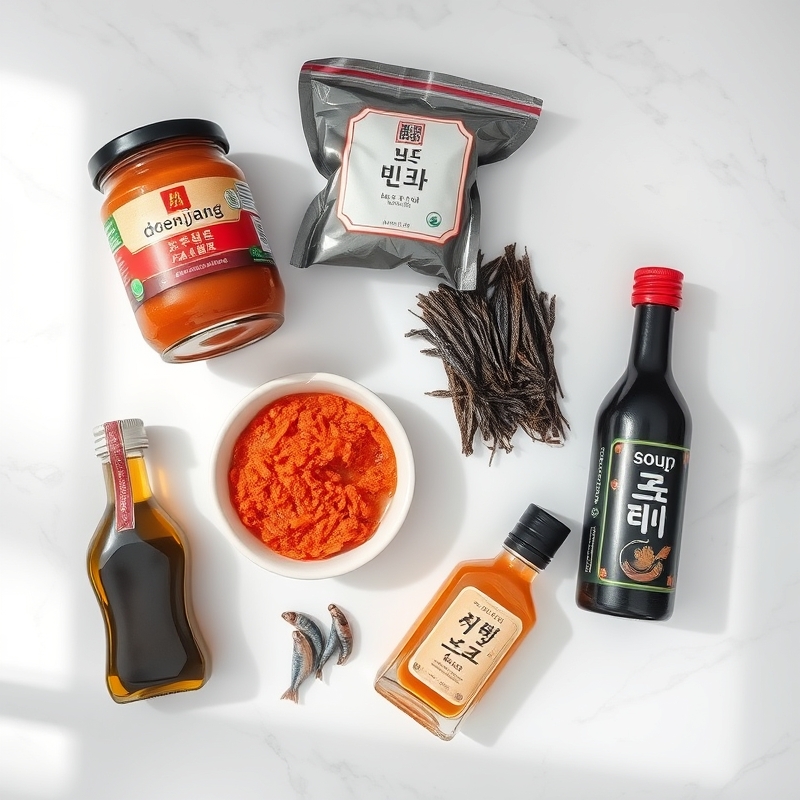
Most large supermarkets now carry basic Korean ingredients like gochugaru, doenjang, and kimchi in their international aisle. For harder-to-find items like dried anchovies, dashima (kelp), or sliced rice cakes, online retailers including Amazon and H Mart’s online store offer nationwide shipping. A starter pantry of doenjang, gochugaru, soup soy sauce, and sesame oil costs around $15-25 total and covers all seven recipes on this list.
Key Takeaways
- Korean soups are everyday meals, not special-occasion cooking — most Korean households serve soup with every single meal, including breakfast
- All 7 soups on this list take 25 minutes or less, and most require fewer than 6 ingredients
- Old, sour kimchi makes better kimchi-jjigae than fresh kimchi — so that aging jar in your fridge is an asset, not waste
- Anchovy broth is the foundation of Korean soup flavor — a 10-minute anchovy-kelp broth elevates every recipe on this list
- Doenjang-jjigae is the best starting point for beginners because the fermented paste handles all the seasoning and the recipe is nearly impossible to ruin
- Never open the lid during the first 8 minutes of kongnamul-guk — this one rule separates good bean sprout soup from unpleasantly bitter soup
Pick one soup from this list and make it this week. If you’re completely new to Korean cooking, start with doenjang-jjigae — grab a tub of doenjang paste, dice whatever vegetables are in your fridge, and you’ll have a bowl of something genuinely comforting in 25 minutes.
You Might Also Like
- Easy Korean Side Dishes: Complete Guide to Banchan
- Korean Fermented Foods: 12 Staples Beyond Kimchi
- Korean Sunscreen Best for Your Skin Type (2025)
Related Korean Living Guides
- Korean kitchen essentials for beginners