A few years ago, a Korean friend watched me squeeze out a thick, white stripe of Western sunscreen and genuinely asked if it was toothpaste. That moment changed everything I thought I knew about sun protection. In Seoul, sunscreen isn’t something you dread putting on — it’s the lightweight, invisible final step that Korean women treat as more essential than foundation. Walk into any Olive Young store in Gangnam and you’ll count over 40 different sunscreens on a single wall, each engineered for a specific skin concern. The reason Korean sunscreens feel so different from what you’re used to isn’t luck — it’s decades of formulation driven by a culture that considers UV protection the single most important anti-aging step. But here’s the catch that most K-beauty blogs skip: the “best” Korean sunscreen depends entirely on your skin type, and grabbing the most viral one on TikTok might be the worst choice for your face.
Why Korean Sunscreen Feels Nothing Like What You’ve Tried Before
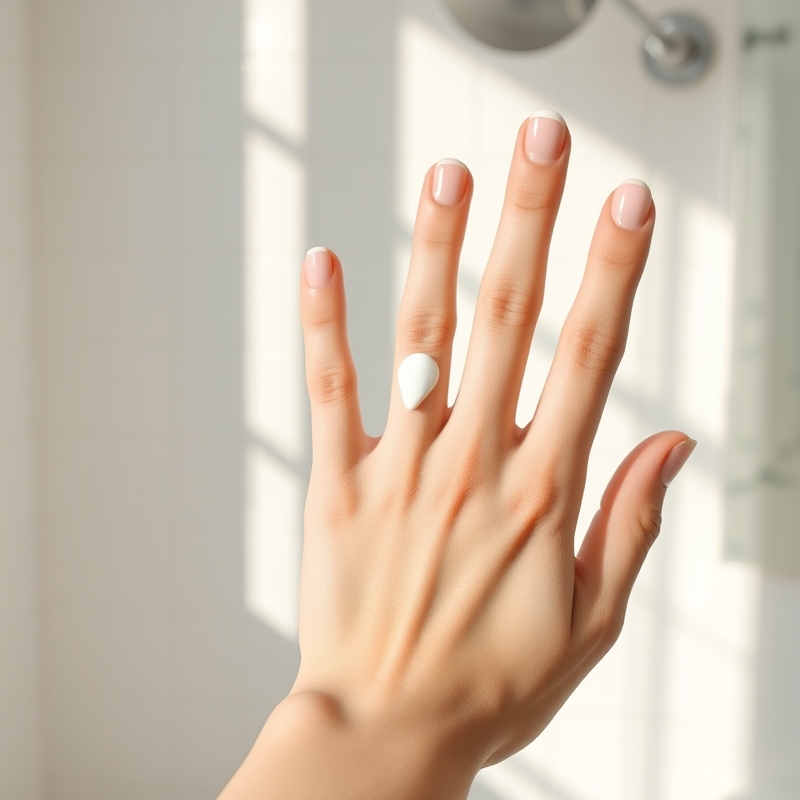
Korean sunscreens use newer-generation UV filters that are approved in Asia and Europe but still restricted by the U.S. FDA, which hasn’t approved a new sunscreen filter since 1999. Filters like Tinosorb S, Tinosorb M, and Uvinul A Plus allow Korean brands to create formulas that are thinner, more transparent, and less likely to leave a white cast — all while delivering broad-spectrum SPF 50+ PA++++ protection.
This isn’t just a texture preference. Thicker Western formulas often cause people to under-apply or skip reapplication entirely. Korean formulators understood something crucial: the best sunscreen is the one you’ll actually wear every single day. That’s why most Korean sunscreens are designed to double as a makeup primer, a moisturizer, or even a tone-up base.
But not every formula works for every face. A sunscreen that makes dry skin look dewy and glowing will turn oily skin into a grease slick by noon. A mattifying formula that controls sebum beautifully will make dry patches look flaky within hours. Without knowing your skin type, you’re essentially guessing — and in a market with hundreds of options, that’s an expensive experiment.
The PA++++ Rating System Most Westerners Misunderstand
If you’ve only ever looked at SPF numbers, you’re missing half the picture. The PA rating system, developed in Japan and widely adopted across Korea, measures protection against UVA rays — the ones responsible for premature aging and hyperpigmentation. PA++++ is the highest grade, meaning the sunscreen delays UVA damage by a factor of 16 or more. Most Korean sunscreens on the market today carry this rating. When shopping, always look for both SPF 50+ and PA++++ — skipping either one leaves a gap in your protection.
- SPF measures UVB protection (burning rays)
- PA measures UVA protection (aging rays)
- SPF 50+ PA++++ is the standard baseline for daily Korean sunscreens
- Reapplication every 2-3 hours matters more than a higher SPF number
Finding the Best Korean Sunscreen for Oily, Dry, and Sensitive Skin
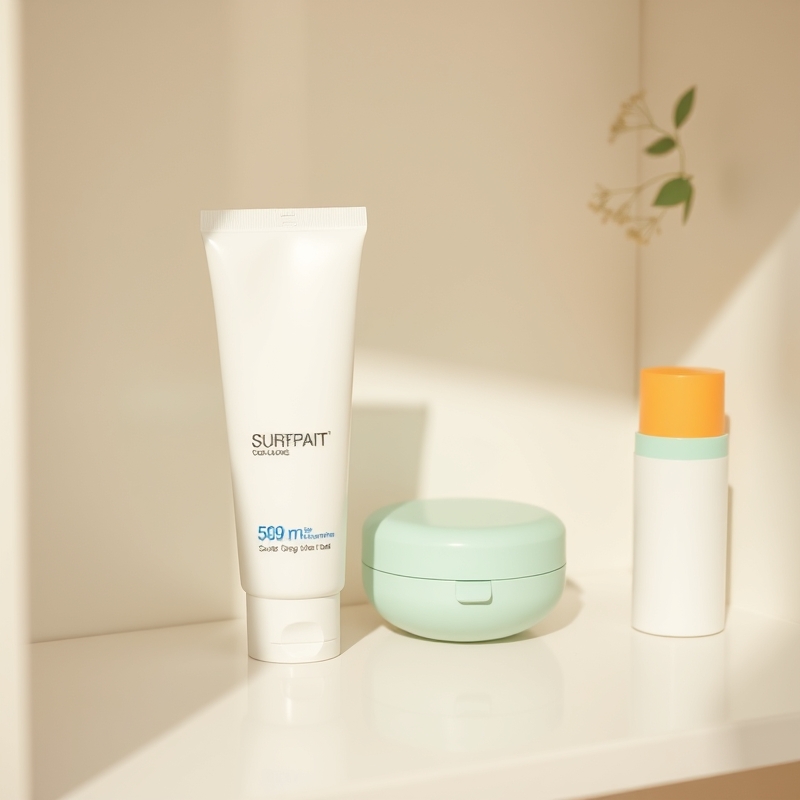
The biggest mistake people make is choosing a Korean sunscreen based on someone else’s glowing review without considering their own skin type. Imagine walking into an Olive Young in Myeongdong — the shelves are organized not by brand, but by skin concern. That’s the Korean approach, and it’s the framework you should use too.
Oily and Combination Skin: The Matte Finish Formulas
If your T-zone gets shiny by midday, you need a sunscreen that controls sebum without drying you out. Korean brands have essentially perfected this category. Look for formulas labeled “tone-up” or “sebum control” — these typically contain silica or other oil-absorbing powders that keep shine at bay for hours.
The texture you want is a lightweight, slightly powdery finish that sets like a primer. Many Korean women with oily skin skip foundation entirely and just wear a mattifying sunscreen as their base. A good matte Korean sunscreen should feel like nothing on your skin within 30 seconds of application. If it still feels tacky after a minute, it’s the wrong formula for you.
Dry and Dehydrated Skin: The Moisture-Barrier Formulas
Without adequate hydration in your sunscreen, dry skin will look dull, flaky, and older than it is — undoing the very anti-aging protection you’re trying to achieve. Korean sunscreens for dry skin often include hyaluronic acid, centella asiatica, or ceramides directly in the formula. The result feels more like a lightweight moisturizer than a traditional sunscreen.
Look for terms like “moisture essence,” “hydrating sun serum,” or “glow sun” on the packaging. These formulas leave a slight dewy finish that Korean beauty culture calls “mul-gwang” (물광) — literally “water glow.” For dry skin, this isn’t a bug, it’s the entire point.
Sensitive and Acne-Prone Skin: The Mineral and Centella Formulas
Korean dermatologists generally recommend mineral (physical) filters — zinc oxide and titanium dioxide — for patients with reactive, sensitive, or acne-prone skin. Chemical filters can occasionally trigger irritation or breakouts in sensitive skin types. Korean brands have largely solved the traditional drawback of mineral sunscreens (the dreaded white cast) by using micronized particles and tinted formulas.
Centella asiatica — known in Korea as “cica” — appears in many sensitive-skin sunscreens because it helps calm inflammation while you protect. If your skin reacts to fragrance, look for the Korean label “무향” (fragrance-free) or check ingredient lists for the absence of artificial fragrance.
Korean Sunscreen Comparison: Which Formula Matches Your Skin
This comparison breaks down three approaches to Korean sunscreen — matte, hydrating, and mineral — so you can see exactly which features align with your skin type at a glance. Think of it like choosing between three paths: all lead to UV protection, but the journey feels completely different on your face.
| Feature | Matte / Sebum Control | Hydrating / Glow (Best All-Around Value) | Mineral / Sensitive |
|---|---|---|---|
| Best for skin type | Oily, combination | Dry, normal, dehydrated | Sensitive, acne-prone, rosacea |
| Typical finish | Powdery matte | Dewy, natural glow | Satin, semi-matte |
| Filter type | Chemical or hybrid | Chemical or hybrid | Mineral (zinc oxide, titanium dioxide) |
| White cast risk | Very low | Very low | Low to moderate (tinted versions eliminate it) |
| Hydration level | Low — absorbs oil | High — adds moisture | Medium — neutral |
| Works under makeup | Excellent primer effect | Good — may need setting powder | Good — pairs well with mineral makeup |
| Reapplication feel | Clean, no buildup | Slightly dewy layers | Can feel thick if over-applied |
| Price range (in Korea) | Around ₩9,000–18,000 (~$7–14) | Around ₩12,000–22,000 (~$9–17) | Around ₩15,000–28,000 (~$11–21) |
| Ideal for beginners? | Great if oily | Best starting point for most people | Best if you’ve had past reactions |
Notice how the hydrating category hits the sweet spot for most people — it offers the widest comfort range, the most natural finish, and the most forgiving application. Unless you have a specific concern (excess oil or sensitivity), a hydrating Korean sunscreen is the safest first purchase.
How Korean Women Actually Apply Sunscreen (The Details That Matter)
Application technique matters almost as much as the formula itself — under-applying SPF 50 gives you roughly SPF 15 protection. Most Korean women use the “two-finger rule”: squeeze a line of sunscreen along your index and middle fingers from tip to the second knuckle. That’s the right amount for your face alone. It looks like a lot the first time, and that’s exactly the point.
Here’s the order that most Seoul skincare routines follow for sunscreen:
- Moisturizer — let it absorb for 1-2 minutes
- Sunscreen — apply the two-finger amount, pressing gently (don’t rub aggressively)
- Wait 2-3 minutes before applying makeup or leaving the house
- Reapply every 2-3 hours — Korean women often use cushion-type sunscreens or sun sticks for midday touch-ups over makeup
The midday reapplication is where most people outside Korea fall off. Korean beauty brands anticipated this problem, which is why sun sticks and cushion compacts exist — they let you reapply over makeup without disturbing your base. Keeping a sun stick in your bag is one of those small Korean habits that makes a surprisingly large difference over time.
The Neck and Hands: Where Most People Forget
Korean skincare culture treats the neck as part of the face. Without sunscreen on your neck and the backs of your hands, you’ll eventually notice a visible color difference between your protected face and unprotected body. It’s a detail that Korean women notice immediately and Westerners often overlook entirely.
Frequently Asked Questions
What happens if I use the wrong type of Korean sunscreen for my skin?
Using a mismatched formula leads to either excess oiliness or dryness, which can cause breakouts or flaking. A matte sunscreen on dry skin emphasizes texture and fine lines. A dewy sunscreen on oily skin accelerates shine and can clog pores. Matching the formula to your skin type ensures you’ll actually want to wear it daily — which is the whole point of sun protection.
Is Korean sunscreen actually better than Western sunscreen?
Korean sunscreens aren’t inherently “better” — they use newer UV filters that allow for more elegant, lightweight textures. The UV protection level (SPF 50+ PA++++) is comparable to top Western formulas. The key difference is cosmetic elegance: Korean sunscreens are formulated to feel pleasant enough that you won’t skip them. According to dermatological consensus, consistent daily application matters more than any single formula.
Do I need sunscreen indoors if I’m near a window?
Yes — UVA rays penetrate glass, and these are the rays that cause aging and pigmentation. This is standard advice from Korean dermatologists, and it’s why many Korean women apply sunscreen even on days they don’t plan to leave the house. If you sit near a window for more than 30 minutes, your skin is getting meaningful UV exposure.
Can I skip moisturizer if my Korean sunscreen is hydrating?
For most skin types, a hydrating sunscreen can replace a light morning moisturizer. Many Korean sunscreens contain hyaluronic acid and ceramides that provide adequate daytime hydration. However, if your skin is very dry or you use active ingredients (retinol, AHA) at night, keeping a separate moisturizer layer helps maintain your skin barrier. On humid summer days in Seoul, most Korean women do skip the extra moisturizer and just use sunscreen directly after toner.
How do I read the Korean text on sunscreen labels?
Look for 자외선 차단 (ja-oe-seon cha-dan), which means “UV protection” — this confirms it’s a sunscreen. The term 촉촉 (chok-chok) on the label means “moist/dewy,” while 매트 (ma-teu) means “matte.” For sensitive skin, look for 민감 (min-gam) meaning “sensitive” or 저자극 (jeo-ja-geuk) meaning “low irritation.” These four terms will help you navigate most Korean sunscreen labels even without reading Korean fluently.
Key Takeaways
- Korean sunscreens use newer UV filters not yet approved in the U.S., allowing for lighter, more wearable textures at SPF 50+ PA++++ protection
- Your skin type determines your ideal formula — matte for oily skin, hydrating for dry skin, mineral for sensitive and acne-prone skin
- The two-finger rule (a line from fingertip to second knuckle on two fingers) is the standard Korean method for measuring the correct amount of sunscreen for your face
- Reapplication every 2-3 hours is non-negotiable — Korean sun sticks and cushion compacts make this easy to do over makeup
- A hydrating Korean sunscreen is the best starting point for most people — it works across the widest range of skin types and conditions
- Don’t forget your neck and hands — Korean skincare treats these areas as extensions of the face, and the long-term difference is visible
Here’s your easiest first step: tonight, check the sunscreen you’re currently using. Look at the filters, the finish, and whether it matches your skin type based on the comparison above. If it doesn’t, your next Korean sunscreen pick just got a lot clearer — and your skin in five years will thank you for the switch.
You Might Also Like
- 7 Korean Double Cleansing Method Rules for Glass Skin
- Korean BBQ at Home: Guide to Grilling Like a Local
- Korean Glass Skin at Home: 7-Step Routine That Works