The first time most people attempt Korean BBQ at home, they buy the wrong cut of meat. In Seoul, the butcher counter at any neighborhood mart has at least 6 different cuts specifically sliced for grilling — and most Western grocery stores carry none of them pre-cut. That single difference is why your home version doesn’t taste like the restaurant. Here’s the thing: with the right 4 elements — meat, marinade, banchan, and heat source — you can recreate an authentic Korean BBQ spread at home in under 90 minutes, including prep. No special equipment required.
Why Korean BBQ at Home Tastes Different (And How to Fix It)
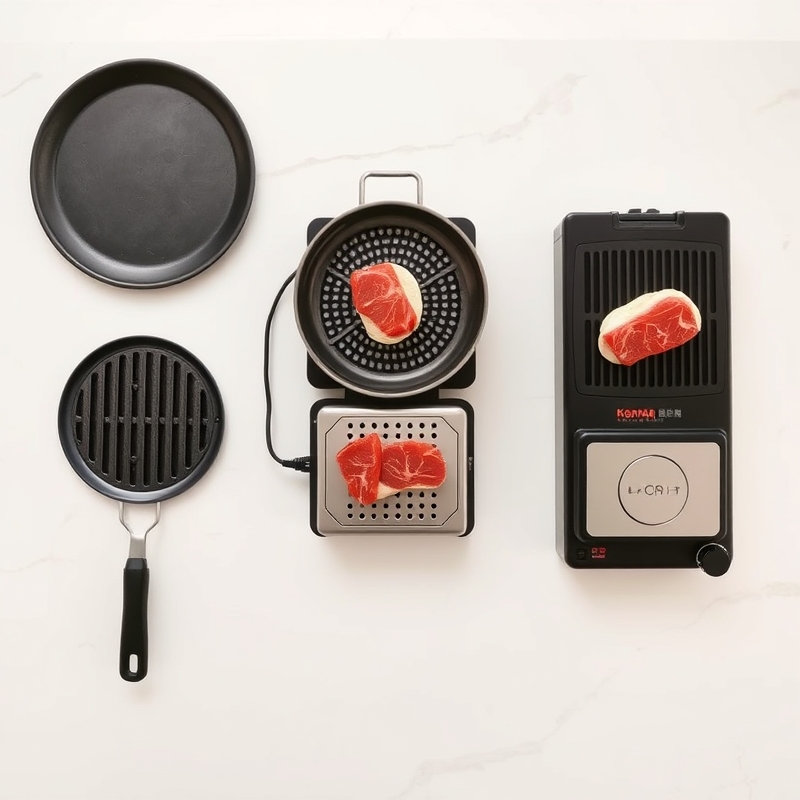
The number one mistake in home Korean BBQ is cooking thick steaks on a flat pan — Korean BBQ uses paper-thin slices cooked on a grated or ridged surface to maximize char while keeping meat tender. That’s not a minor detail. It’s the entire technique.
Walk into any Korean BBQ restaurant and watch the meat hit the grill. It sizzles instantly. Within 30 to 60 seconds, the edges are caramelized. That speed is the secret. Thin-cut meat over high, direct heat creates the signature smoky-sweet flavor that thick-cut meat on a skillet simply cannot replicate.
The 3 Things Most Home Cooks Get Wrong
- Meat thickness: Korean BBQ meat is sliced 2-3mm thin. If your butcher doesn’t slice it for you, freeze the meat for 45 minutes, then slice against the grain with a sharp knife. This alone changes everything.
- Heat source: A portable butane stove with a Korean grill plate (around $15-25 at any Korean mart or online) gets hotter and more evenly distributed than a regular kitchen stove. Most Korean households own one specifically for home grilling.
- Lettuce wraps, not plates: Korean BBQ isn’t eaten off a plate with a fork. Each piece gets wrapped in a ssam (lettuce wrap) with rice, ssamjang (spicy bean paste), garlic, and a slice of chili pepper. Without this wrapping ritual, you’re eating grilled meat — not Korean BBQ.
Without the right cut and thickness, your marinade can’t penetrate the meat properly, your cook time will be off, and you’ll end up with chewy results instead of that melt-on-your-tongue texture. The good news? Fixing these three things takes zero extra skill — just awareness.
Essential Korean BBQ at Home: Meat Cuts and Marinades
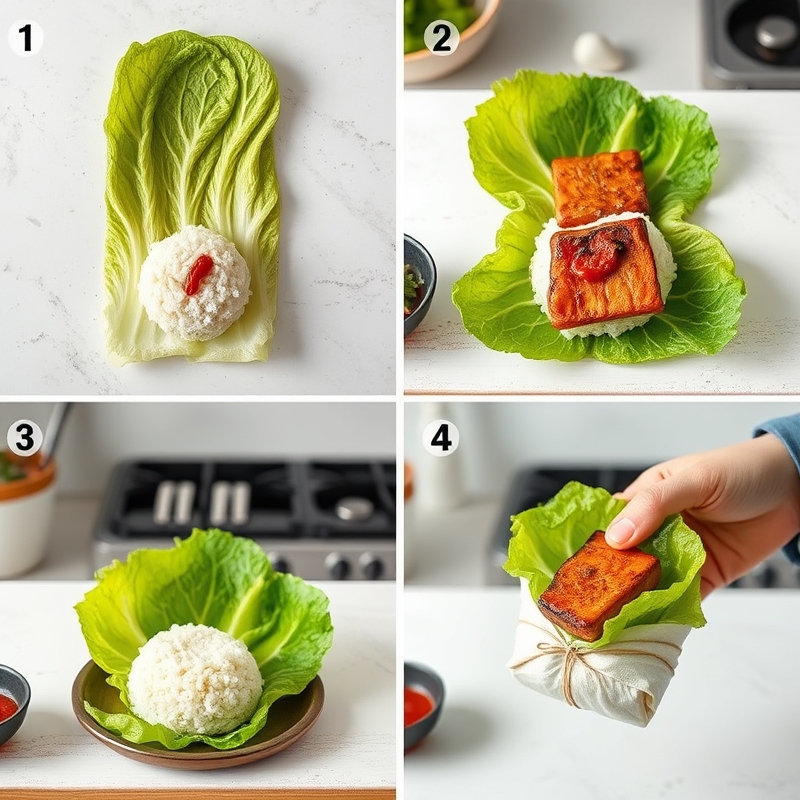
Korean BBQ has two distinct categories: marinated meats (yangnyeom) and unmarinated meats (saeng), and a proper home spread includes at least one of each. This is something most Western Korean BBQ guides miss entirely — they focus only on bulgogi, which is just one option out of many.
The Big 4 Cuts for Home Grilling
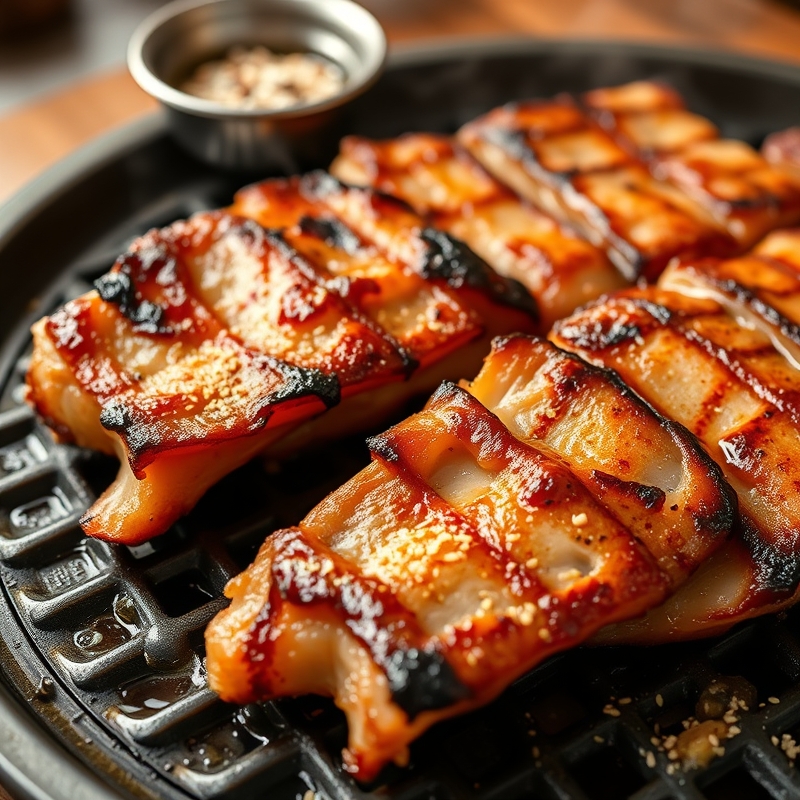
- Samgyeopsal (pork belly, unmarinated): The single most popular Korean BBQ meat in Korea — not bulgogi. Thick-sliced pork belly, grilled until crispy on the outside and tender inside. Dipped in sesame oil mixed with salt and pepper. Simple and addictive.
- Bulgogi (marinated beef): Thinly sliced beef (ribeye or sirloin) marinated in soy sauce, pear juice, garlic, sesame oil, and sugar. The pear is the secret — Asian pear acts as a natural meat tenderizer because it contains enzymes that break down protein fibers.
- Dak galbi (marinated chicken): Chicken thigh in gochujang-based marinade. More affordable than beef, equally flavorful, and nearly impossible to overcook because thigh meat stays juicy.
- Chadolbaegi (beef brisket, unmarinated): Sliced so thin it’s nearly translucent. Cooks in about 10 seconds flat. Dipped in salt-sesame oil. This is what Korean BBQ regulars order first to start the meal — it’s the appetizer meat.
The Only Bulgogi Marinade You Need
Most food blogs overcomplicate this. In Korean households, bulgogi marinade has a core ratio that doesn’t change:
- For 500g (about 1 lb) of thinly sliced beef:
- 3 tablespoons soy sauce
- 1 tablespoon sugar (or 1.5 tablespoons of honey)
- 1 tablespoon sesame oil
- 3 cloves garlic, minced
- 2 tablespoons grated Asian pear (or substitute half a kiwi — same enzyme effect)
- A pinch of black pepper
- Optional: 1 tablespoon mirin for a subtle sweetness
Mix everything, add the beef, and marinate for a minimum of 30 minutes. Overnight is better — the pear keeps working on those protein fibers while you sleep. One shortcut Koreans actually use: pre-made bulgogi marinade from brands like CJ or Beksul, available at any Korean grocery store for around $4-6. No shame in it — most busy Korean families use these on weeknights.
Setting Up Your Korean BBQ at Home: Banchan and Table Layout
In Korea, the banchan (side dishes) aren’t extras — they’re half the meal, and skipping them is like serving pasta without sauce. A Korean BBQ table without banchan feels empty, and the flavor balance falls apart. The meat is rich and savory; the banchan provides acid, crunch, ferment, and freshness to cut through it.
The Non-Negotiable Banchan Lineup (5 Items)
- Kimchi — Ideally slightly fermented (1-2 weeks old), not fresh. The tanginess pairs with fatty pork belly perfectly. A jar from the Korean grocery store works fine.
- Ssamjang — Spicy dipping paste (mix doenjang + gochujang + sesame oil + minced garlic). Goes inside every lettuce wrap. You can buy this premade — Sunchang brand is the one you’ll see in most Korean refrigerators.
- Lettuce and perilla leaves — Green leaf lettuce for wrapping. Perilla leaves (kkaennip) add a minty, herbal flavor that’s distinctly Korean. If you can’t find perilla, use sesame leaves or just double up on lettuce.
- Sliced raw garlic and green chili peppers — Placed directly on a small plate. You add a slice of each to your lettuce wrap. The raw garlic sounds intense, but wrapped with meat, rice, and ssamjang, it’s balanced and essential.
- Pickled radish (danmuji) or fresh-cut radish — The palate cleanser between bites. Without something crisp and acidic, the richness of the meat builds up and everything starts tasting the same.
Here’s what most people don’t realize: you can prep all five banchan items in under 20 minutes if you buy kimchi and ssamjang premade. The rest is just washing, slicing, and plating. That’s it. No cooking required for any of the five.
Table Setup That Actually Works
Instead of a 10-minute setup that feels chaotic, try this layout: grill in the center, banchan plates surrounding it in a semicircle, rice bowls to each person’s left, scissors and tongs next to the grill. Yes — scissors are the primary Korean BBQ cutting tool. Every Korean household uses kitchen scissors to cut meat directly on the grill. If you don’t have a pair near the grill, you’re making it harder than it needs to be.
Korean BBQ at Home: Grilling Equipment Compared
You don’t need an expensive setup to grill Korean BBQ at home — but the surface you cook on matters more than you think. Here’s how the most common options compare so you can choose what fits your kitchen and budget.
| Feature | Cast Iron Grill Plate (Budget Pick) | Portable Butane Stove + Korean Grill Pan (Best Value) | Tabletop Electric Grill (Premium) |
|---|---|---|---|
| Price Range | Around $15-20 | Around $25-40 total | Around $80-150 |
| Heat Level | Medium-high (depends on stove) | High, consistent | Medium (most models lack intensity) |
| Smoke Level | High — needs ventilation | Moderate — fat drains into water tray | Low — built-in drip trays |
| Authentic Char | Good | Best — closest to restaurant experience | Decent but often more “steamed” than charred |
| Portability | Works on any stove | Fully portable — use indoors or outdoors | Needs power outlet |
| Cleanup | Heavy, needs seasoning | Easy — plate lifts off | Easy — nonstick surfaces |
| Best For | Occasional grilling on a budget | Regular home Korean BBQ — what most Korean families use | Apartments with strict smoke rules |
The portable butane stove with a Korean grill pan is the clear winner for most people. It’s what the majority of Korean households actually own — not a fancy electric grill. The butane stove hits higher temperatures, the grill pan lets fat drain away (less smoke, crispier meat), and the whole setup costs less than a dinner-for-two at a Korean BBQ restaurant. You’ll find these at any Korean grocery store, or search for “Korean BBQ grill plate” online.
Frequently Asked Questions
What happens if I use regular soy sauce instead of Korean soy sauce for bulgogi?
Regular soy sauce works fine — the difference is subtle. Korean soy sauce (guk-ganjang) is lighter and saltier, while regular soy sauce (like Kikkoman) is slightly sweeter and darker. For bulgogi, standard soy sauce actually works well because the recipe already includes sugar. Just reduce the sugar by half a teaspoon if your soy sauce tastes sweeter than expected.
Can I make Korean BBQ at home without a grill?
Yes — a regular non-stick or cast iron skillet works, with one adjustment. Don’t crowd the pan. Cook meat in small batches so each piece touches the hot surface directly. Overcrowding creates steam instead of sear, and steamed bulgogi tastes noticeably different from grilled. A hot pan with space between slices can get you about 80% of the way to the real thing.
What’s the best meat to start with if I’ve never made Korean BBQ?
Start with samgyeopsal (pork belly) — it requires zero marinating and is the most forgiving cut. You literally just slice it, grill it, and dip it. No marinade timing to worry about, no risk of over-seasoning. Once you’re comfortable with the grilling rhythm and the wrapping technique, add bulgogi to your next session.
How do I reduce smoke when grilling Korean BBQ indoors?
Use a grill pan with a drainage channel and keep a damp cloth nearby. Most smoke comes from fat dripping onto the heat source. Korean grill plates are designed with angled ridges that channel fat into a water-filled outer ring. Open a window, turn on your range hood, and wipe excess fat off the grill surface with tongs and the damp cloth every few minutes. This is exactly what Korean families do — nobody has a commercial ventilation system at home.
How much meat should I buy per person?
Plan for 300-400g (about 10-14 oz) of raw meat per adult. This accounts for the fact that you’re eating it wrapped with rice and banchan, which are filling. For a mixed spread with two types of meat, split it: around 200g of one type and 200g of another per person. You’ll likely have leftovers from the banchan, which is normal — Koreans eat leftover banchan for days.
Key Takeaways
- Samgyeopsal (pork belly), not bulgogi, is the most popular Korean BBQ meat in Korea — it needs no marinade and is the easiest place to start for beginners.
- Meat must be sliced 2-3mm thin for authentic Korean BBQ texture — freeze for 45 minutes before slicing if your butcher doesn’t do it.
- A portable butane stove with a Korean grill pan (around $25-40 total) is what most Korean families actually use — it outperforms most electric grills at half the price.
- Banchan takes under 20 minutes to prep if you buy kimchi and ssamjang premade — the rest is washing and slicing, no cooking needed.
- The lettuce wrap (ssam) is the technique that transforms grilled meat into Korean BBQ — meat, rice, ssamjang, garlic, and chili in one bite is the complete experience.
- Asian pear in bulgogi marinade is a natural meat tenderizer — its enzymes break down protein fibers, which is why overnight marinating makes such a noticeable difference.
Here’s your move for this week: pick up 500g of pork belly, a head of green leaf lettuce, and a jar of ssamjang. Slice the pork into pieces about the width of your thumb, grill them on the hottest surface you own, and wrap each piece in a lettuce leaf with a dab of ssamjang and a thin slice of raw garlic. That’s your first real Korean BBQ at home — no marinade, no special equipment, under 15 minutes from fridge to table.
You Might Also Like
- Korean Glass Skin at Home: 7-Step Routine That Works
- Korean Kitchen Essentials for Beginners: 12 Must-Haves
- Korean Meal Prep Ideas: 7 Banchan-Based Strategies