A friend visiting Seoul once asked me why every woman on the subway seemed to have skin that looked lit from within — like someone held a ring light two inches from their face at all times. The answer wasn’t one miracle product. Korean glass skin at home comes from a specific layering method that builds hydration in thin, consecutive steps, not from expensive treatments or genetic luck. The full routine takes about 15 minutes at night, uses 7 targeted layers, and the first visible results typically show within 2 weeks of consistency.
What Korean Glass Skin Actually Means (Not What Beauty Ads Tell You)
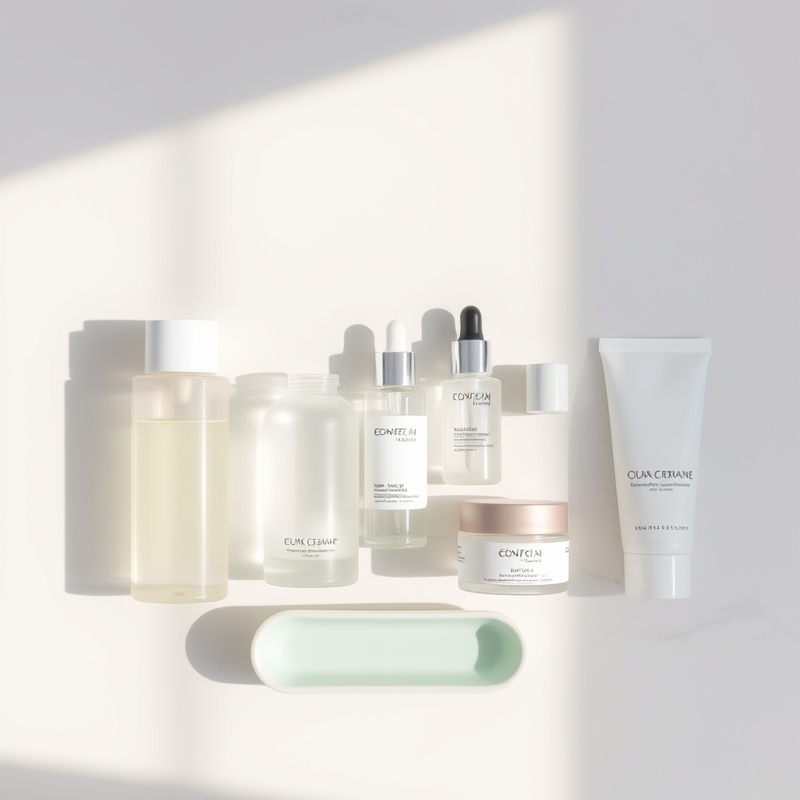
Glass skin — or 유리피부 (yuri pibu) in Korean — refers to skin so deeply hydrated and even-toned that it appears translucent and reflective, like a pane of glass. This term originated in Korean beauty communities around 2017 and quickly became one of the most searched skincare goals worldwide. But here’s what most English-language beauty blogs get wrong: glass skin is not about shimmer, highlighter, or a single “glow serum.”
Walk into any Korean Olive Young store and watch what Korean women actually buy. They aren’t loading up on glittery products. They’re picking up gentle cleansers, multiple toners, lightweight essences, and SPF. The glow comes from layers of water-based hydration sitting underneath healthy skin — not sitting on top of it.
The distinction matters because without understanding this, people chase the wrong products entirely. They buy a dewy highlighter expecting glass skin, when the real mechanism is much simpler: fully hydrated skin cells plump up and lay flat, which creates a naturally smooth surface that reflects light evenly. That’s the entire science behind the look.
- Glass skin ≠ oily skin — it looks dewy but feels lightweight and absorbed
- Glass skin ≠ makeup — the goal is bare-faced luminosity
- Glass skin = deep hydration + gentle exfoliation + barrier protection
The 7-Step Korean Glass Skin at Home Routine
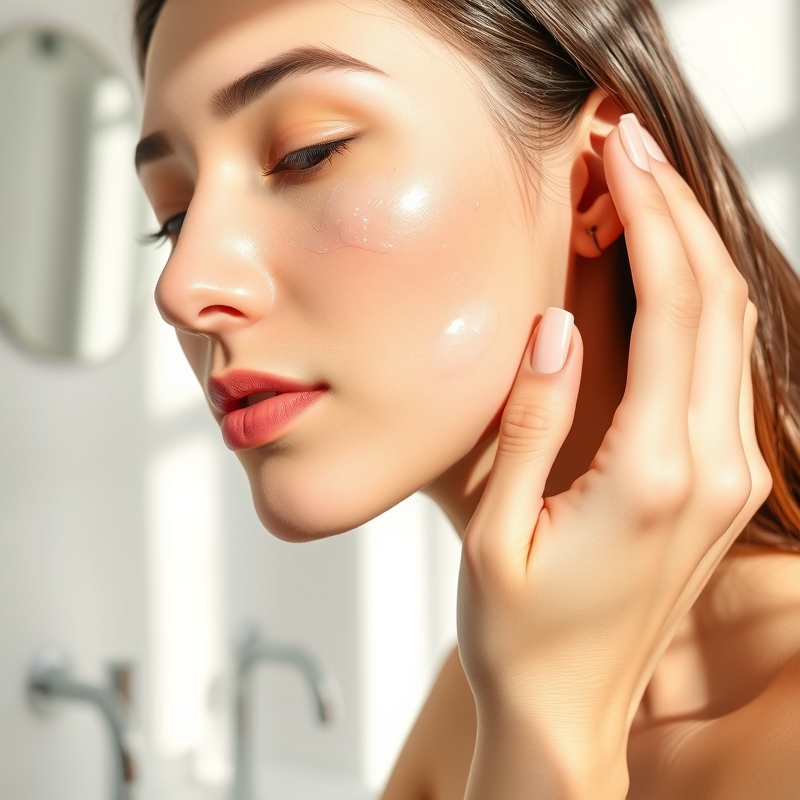
This exact 7-step layering routine is the standard approach Korean dermatologists generally recommend for achieving glass skin at home, and each step has a specific, non-skippable purpose. Most people who try and fail are either skipping the double cleanse or applying products in the wrong order — both of which prevent hydration from actually penetrating.
Instead of a 45-minute, 10-step marathon that nobody maintains, this streamlined 7-step version covers every essential layer in about 15 minutes. Here’s the exact sequence:
Step 1: Oil Cleanser (Remove the Invisible Layer)
Oil cleansing comes first because oil dissolves oil — it breaks down sunscreen, makeup, and the sebum film that water-based cleansers physically cannot remove. Without this step, every product you layer on afterward sits on top of residue instead of absorbing into clean skin. Banila Co Clean It Zero and Innisfree Green Tea Cleansing Oil are two of the most commonly used oil cleansers in Korean households.
Apply to dry skin, massage for 60 seconds, then emulsify with a splash of water before rinsing. Your skin should feel slippery, not squeaky.
Step 2: Water-Based Cleanser (The True Clean Slate)
This second cleanse — the double cleansing method — catches everything the oil missed: sweat, fine dust, residual cleanser. Use a low-pH cleanser (around pH 5.5) to avoid stripping your acid mantle. COSRX Low pH Good Morning Gel Cleanser has been a staple for years precisely because it cleans without that tight, dry feeling.
Step 3: Exfoliating Toner (2-3 Times Per Week Only)
Here’s where people sabotage themselves. Over-exfoliating destroys the very barrier you need for glass skin. Use a gentle chemical exfoliant — like a toner with PHA or low-concentration BHA — only 2 to 3 times per week. On other days, skip straight to Step 4. SOME BY MI AHA BHA PHA 30 Days Miracle Toner is popular, but use it sparingly. More exfoliation does not mean more glow — it means more redness, sensitivity, and a damaged moisture barrier.
Step 4: Hydrating Toner (The Glass Skin Secret Weapon)
This is the step that separates the Korean routine from Western skincare, and it’s the single most important layer for glass skin. Korean women often apply hydrating toner in 3 to 5 thin layers — a technique called 7-skin method (칠스킨법). You pat each thin layer into slightly damp skin before adding the next. Each layer pulls moisture deeper.
Laneige Cream Skin Refiner or Klairs Supple Preparation Unscented Toner are two of the most widely used options. The key is that this toner should contain hyaluronic acid, glycerin, or both — humectants that attract and hold water inside your skin cells.
Step 5: Essence or Serum (Concentrated Repair)
An essence is thinner than a serum and delivers active ingredients deep into already-prepped skin. For glass skin specifically, look for niacinamide (brightening + pore-refining) or propolis (soothing + luminosity). COSRX Advanced Snail 96 Mucin Power Essence has a cult following because snail mucin provides both hydration and a natural light-reflecting finish that contributes directly to the glass look.
Step 6: Moisturizer (Seal Everything In)
Without a moisturizer, every hydrating layer you just applied evaporates within hours. Think of it as putting a lid on a pot of boiling water — it traps the steam inside. Use a lightweight gel cream for oily-combination skin or a richer cream for dry skin. Applying this while your previous layers are still slightly tacky creates the best seal.
Step 7: Sunscreen (Non-Negotiable, Every Single Morning)
Skipping sunscreen undoes every other step. UV exposure causes hyperpigmentation, uneven texture, and collagen breakdown — the exact opposites of glass skin. Korean sunscreens are formulated to sit beautifully under makeup (or alone) without the chalky white cast common in Western formulas. Beauty of Joseon Relief Sun: Rice + Probiotics SPF 50+ is one of the most repurchased sunscreens in Korea for this reason.
Korean Glass Skin Products: What to Actually Buy
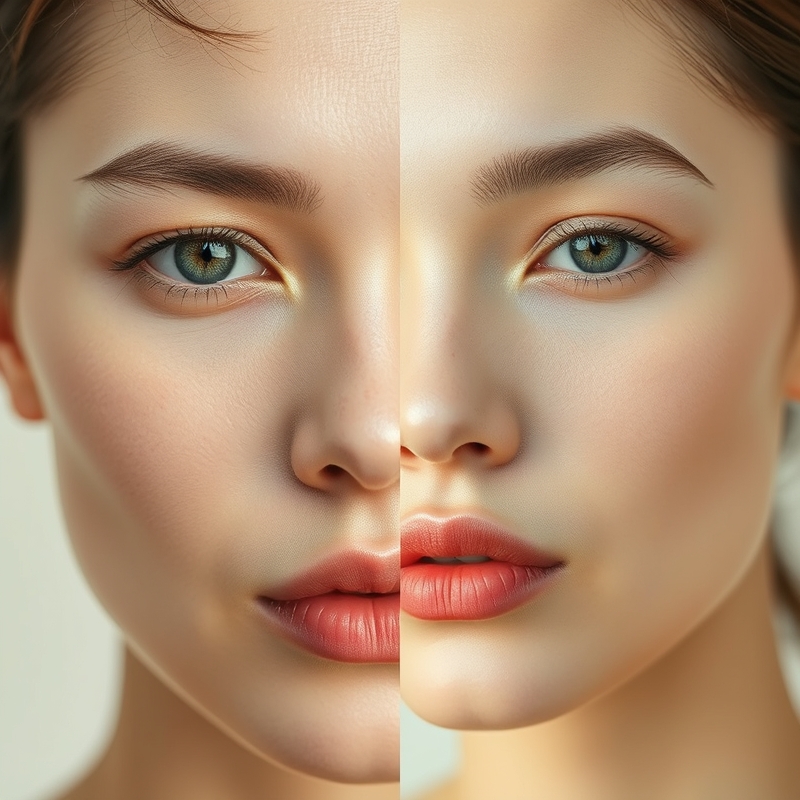
The biggest mistake non-Koreans make is buying expensive “glass skin sets” marketed to foreigners when the real workhorse products cost a fraction of the price. Most Korean women building this routine spend far less than you’d expect. Here’s a comparison of three approaches at different budgets:
| Feature | Budget Routine (under $40 total) | Mid-Range Routine ($40-$80 total) | Premium Routine ($100+ total) |
|---|---|---|---|
| Oil Cleanser | Innisfree Green Tea Cleansing Oil | Banila Co Clean It Zero Original | Sulwhasoo Gentle Cleansing Oil |
| Water Cleanser | COSRX Low pH Good Morning Gel | Round Lab Dokdo Cleanser | Sulwhasoo Gentle Cleansing Foam |
| Hydrating Toner | Klairs Supple Preparation Unscented | Laneige Cream Skin Refiner | Missha Time Revolution First Treatment Essence |
| Essence/Serum | COSRX Snail 96 Mucin Essence | Beauty of Joseon Glow Serum | Sulwhasoo First Care Activating Serum |
| Moisturizer | COSRX Oil-Free Ultra Moisturizing Lotion | Laneige Water Sleeping Mask | Sulwhasoo Concentrated Ginseng Cream |
| Sunscreen | COSRX Aloe Soothing Sun Cream | Beauty of Joseon Relief Sun SPF 50+ | Sulwhasoo UV Wise Brightening Multi Protector |
| Glass Skin Effectiveness | High — covers all essential steps | High — better textures, added actives | Moderate-High — luxury feel, similar results |
| Best For | Beginners testing the routine | Best value for consistent glass skin | Those who enjoy a premium experience |
Notice something? The budget and mid-range routines deliver the same core results as the premium one. The mid-range option hits the sweet spot: better product textures that feel pleasant enough to use consistently (consistency is everything), with proven active ingredients — without paying for luxury packaging. The premium tier is lovely, but you’re paying significantly more for marginal skincare benefit. Most Korean women I know mix budget and mid-range products — almost nobody uses a full premium lineup daily.
Korean Glass Skin at Home: Weekly Boosters That Make a Real Difference
The daily 7-step routine builds your baseline, but two weekly additions are what take skin from “healthy” to “actually glowing like glass”. These are the steps Korean women rarely talk about in English because they seem too simple to mention — but skipping them is like brushing your teeth without ever flossing.
Sheet Mask Night (1-2 Times Per Week)
Sheet masks are not just a fun selfie prop — they work through a principle called occlusion, where the mask physically prevents evaporation so your skin absorbs ingredients for 15-20 minutes straight instead of the usual seconds. Use a hyaluronic acid or centella-based sheet mask after your hydrating toner step. Mediheal N.M.F Aquaring masks are available at virtually every convenience store in Korea and cost around $1-2 per sheet.
The timing matters: apply the mask, leave it for 15 minutes (no longer — a dry mask pulls moisture back out), remove, then continue with your essence and moisturizer while your skin is still damp.
Sleeping Pack Night (1-2 Times Per Week)
A sleeping pack is a thick, occlusive layer you apply as the very last step before bed. It creates a physical film that locks in all your evening layers overnight. Laneige Water Sleeping Mask is the most iconic version — the one you’ll see on nightstands across Seoul. Apply a thin, even layer over your moisturizer, go to sleep, and wash it off in the morning. Your skin looks noticeably plumper and more translucent the next morning because it spent 8 hours in a sealed hydration chamber.
The $0 Habit That Korean Grandmothers Swear By
This costs nothing and most beauty blogs never mention it: drink warm water first thing in the morning, before coffee, before food. Korean elders call it the simplest way to improve skin clarity. While there’s no single study proving a direct glass-skin effect, proper hydration from within supports skin cell function — and dehydration visibly dulls skin within hours. Think of it as Step 0 of your routine.
Frequently Asked Questions
How long does it take to get Korean glass skin at home?
Most people notice a visible difference in skin hydration and texture within 10-14 days of following the full routine consistently. True glass-level translucency — where skin looks luminous without any makeup — typically takes 4-8 weeks because your skin’s natural turnover cycle is approximately 28 days. Patience with the process matters more than adding extra products.
Can you get glass skin if you have oily or acne-prone skin?
Yes — glass skin is about hydration, not oil production, so oily and acne-prone skin types can absolutely achieve it. The key adjustments are using a gel-type moisturizer instead of a cream, choosing non-comedogenic products (look for the term 비코메도제닉 on Korean labels), and never skipping the double cleanse. Oily skin is often actually dehydrated skin overproducing sebum to compensate, so adding hydrating layers can paradoxically reduce oiliness over time.
What happens if I skip the double cleanse step?
Skipping the oil cleanse means sunscreen and sebum residue stay on your skin, creating a film that blocks all subsequent products from absorbing properly. You can apply the most expensive essence in the world, but it will sit on top of that invisible barrier instead of penetrating. This is the single most common reason people say “Korean skincare doesn’t work for me.”
Do I need to buy Korean brands specifically for glass skin?
No, the technique and layering order matter more than the brand origin. That said, Korean skincare products are specifically formulated for this layering approach — lightweight, fast-absorbing textures designed to stack without pilling. Western moisturizers tend to be thicker and can feel heavy when layered. If you use non-Korean products, look for water-based, lightweight formulations that absorb within 30 seconds of application.
Is the 7-skin toner method safe for sensitive skin?
The 7-skin method is safe for sensitive skin as long as you use a fragrance-free, alcohol-free hydrating toner. Start with 3 layers instead of 5-7 and observe how your skin responds over a week. If you experience any stinging or redness, reduce to 2 layers. The method simply delivers more hydration — it’s the specific toner ingredients, not the technique itself, that could potentially cause irritation. Klairs Supple Preparation Unscented Toner was reformulated specifically for sensitive skin types.
Key Takeaways
- Korean glass skin at home comes from layering thin, water-based hydration in a specific 7-step order — not from any single miracle product or genetic advantage.
- The double cleanse (oil + water cleanser) is the most critical step that most people skip, and it’s the #1 reason the routine fails for non-Koreans trying it for the first time.
- Apply hydrating toner in 3-5 thin layers using the Korean 7-skin method — this single technique creates more visible glow than any expensive serum.
- A mid-range Korean skincare routine (around $40-$80 total) delivers the same glass skin results as premium products costing three times more — consistency matters more than cost.
- Visible results appear within 10-14 days, with full glass skin translucency developing over 4-8 weeks as your skin completes its natural cell turnover cycle.
- Sunscreen is non-negotiable every morning — UV damage causes the hyperpigmentation and uneven texture that are the direct enemies of glass skin.
Tonight, try the simplest entry point into this routine: take your regular toner and apply it in three separate thin layers, patting each one in before adding the next, on freshly cleansed skin. By morning, you’ll feel the difference — and that’s just one step of seven.
You Might Also Like
- Korean Kitchen Essentials for Beginners: 12 Must-Haves
- Korean Meal Prep Ideas: 7 Banchan-Based Strategies
- Korean Apartment Organization: Storage Solutions That Work