The first time I opened a Korean grandmother’s second fridge — the one on the balcony — I understood that fermentation isn’t a trend in Korea, it’s infrastructure. Inside were no fewer than six different fermented foods, each in its own container, some labeled with dates going back over a year. Her granddaughter shrugged and said, “Every Korean home has this. It’s not special.” But to someone who thought fermented food meant yogurt and sourdough, it was a revelation. Korean cuisine relies on at least 12 distinct fermented foods that appear in everyday cooking — and most people outside Korea can only name one. If you’ve been stuck at “kimchi,” you’re about to discover an entire universe of flavor hiding in Korean kitchens.
The Korean Fermented Foods List You Won’t Find on Tourist Menus
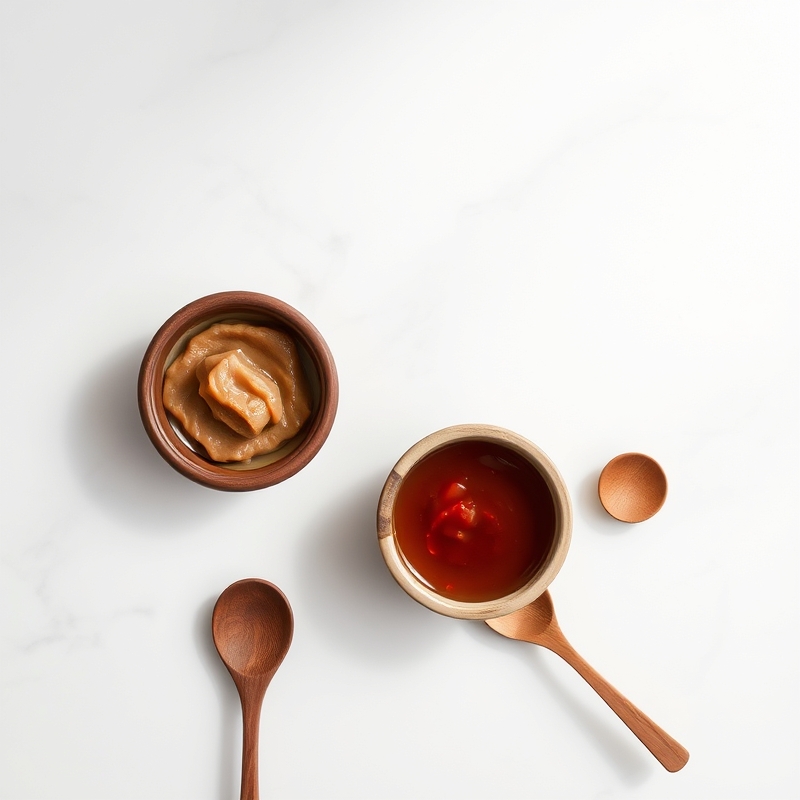
Fermentation is the backbone of Korean cooking, with traditions stretching back well over 1,000 years. This isn’t a wellness fad — it’s how Korean families have preserved vegetables, fish, and soybeans through harsh winters for generations. The Korean term jang (장) refers to the family of fermented condiments that form the flavor base of nearly every home-cooked Korean meal.
What makes Korean fermentation unique is the sheer variety. While many cultures have one or two signature fermented staples, Korean households commonly rotate through a dozen or more fermented ingredients weekly. Walk into any Korean mart and you’ll see an entire aisle dedicated to fermented pastes, sauces, and side dishes that most international food blogs completely overlook.
1. Kimchi (김치) — The One You Know, But Not Really
Yes, you know kimchi. But here’s what most people get wrong: kimchi isn’t one food — there are over 200 documented varieties of kimchi across Korean regions. The napa cabbage version (baechu kimchi) is the most famous, but Korean families regularly make radish kimchi (kkakdugi), cucumber kimchi (oi-sobagi), and water kimchi (mul-kimchi) depending on the season. In summer, fresh unfermented kimchi called geotjeori appears on tables within hours of being made. In winter, deeply fermented kimchi from the previous autumn becomes the base for stews.
Without aged kimchi, dishes like kimchi-jjigae (kimchi stew) taste flat and one-dimensional. Korean cooks specifically save their oldest, most sour kimchi for cooking — the stuff that’s “too fermented” to eat raw is considered perfect for the pot.
2. Doenjang (된장) — The Paste That Runs Korean Kitchens
Doenjang is Korea’s fermented soybean paste and arguably the single most important ingredient in Korean home cooking. It’s often compared to Japanese miso, but the two are quite different — doenjang is typically fermented longer, has a deeper and more pungent flavor, and is made through a distinct process involving meju (fermented soybean blocks) dried in open air. While miso uses koji mold introduced in a controlled environment, traditional Korean doenjang relies on natural airborne microorganisms, which gives it a more complex, funkier profile.
Every Korean household keeps doenjang for doenjang-jjigae (soybean paste stew), the dish most Koreans name when asked what “home” tastes like. It’s also stirred into vegetable side dishes, used as a dipping sauce for raw vegetables, and mixed into bibimbap. If you skip doenjang, you’re missing the emotional center of Korean food.
3. Gochujang (고추장) — Fermented Heat
Gochujang is a fermented red chili paste that delivers sweetness, heat, and umami in a single spoonful. Unlike sriracha or other hot sauces, gochujang is thick, sticky, and deeply savory because it’s made with glutinous rice, fermented soybeans, and sun-dried chili flakes. The fermentation process — traditionally taking months in earthenware jars called onggi — transforms these simple ingredients into something far more complex than any hot sauce can achieve.
You’ll find gochujang in bibimbap sauce, tteokbokki (spicy rice cakes), and dozens of Korean marinades. Most Korean families buy it in large red containers that last months. A kitchen without gochujang is, frankly, not a Korean kitchen.
4. Ganjang (간장) — Not Your Takeout Soy Sauce
Korean soy sauce comes in two main types, and confusing them will quietly ruin your dish. Joseon ganjang (traditional Korean soy sauce) is lighter, saltier, and specifically used for soups and delicate side dishes, while jin ganjang (regular brewed soy sauce) is darker and used for marinating and dipping. The traditional version is actually a byproduct of making doenjang — when soybeans are fermented in brine, the liquid that rises to the top becomes joseon ganjang.
Most Korean grandmothers insist that soup seasoned with joseon ganjang tastes fundamentally different from soup made with regular soy sauce. They’re right — it has a cleaner, more nuanced salinity that enhances rather than dominates.
Korean Fermented Foods Most Foreigners Have Never Heard Of
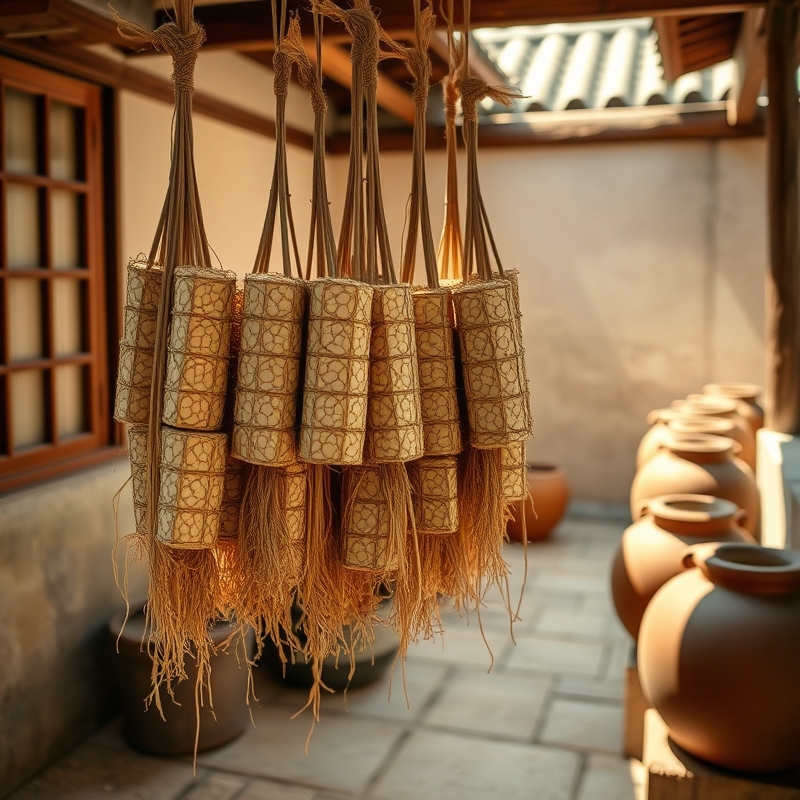
Beyond the “big four” of kimchi, doenjang, gochujang, and ganjang, Korean fermentation goes into territory that surprises even seasoned food lovers. These are the foods you discover only when you eat regularly with Korean families or wander past the tourist restaurants into neighborhood spots.
5. Jeotgal (젓갈) — Fermented Seafood That Changes Everything
Jeotgal is a category of fermented seafood — salted and aged shrimp, anchovies, oysters, or crab — that serves as a hidden umami weapon in Korean cooking. The most common variety, saeu-jeot (fermented salted shrimp), is an essential ingredient in making kimchi. Without it, kimchi tastes noticeably flat.
But jeotgal isn’t just an ingredient — it’s also eaten straight as a side dish with hot rice. Fermented squid (ojingeo-jeotgal) mixed with chili and sesame oil is a banchan (side dish) that appears at many Korean dinner tables. The flavor is intense, briny, and deeply savory. It’s an acquired taste, but once you acquire it, plain rice without a dab of jeotgal starts to feel incomplete.
6. Cheonggukjang (청국장) — The Controversial One
Cheonggukjang is a fast-fermented soybean paste that takes only 2-3 days to make — compared to months for doenjang — and it is famously the most pungent food in Korean cuisine. The smell has been compared to strong aged cheese, old gym socks, and worse. Korean families are divided: some won’t cook it indoors, while others consider it the most comforting winter food in existence.
Nutritionally, Korean health professionals frequently highlight cheonggukjang for its exceptionally high concentration of beneficial bacteria due to its rapid, intense fermentation process. It’s typically made into a thick, bubbling stew with tofu and vegetables. If you can get past the aroma, the taste is surprisingly deep and satisfying — earthy, nutty, and warming.
7. Makgeolli (막걸리) — Fermented Rice That You Drink
Makgeolli is Korea’s oldest alcoholic beverage — a milky, slightly sweet, lightly fizzy fermented rice wine with a gentle tang. It contains live lactobacillus cultures (in the unpasteurized version) and has relatively low alcohol content, typically around 6-8%. Farmers historically drank it during long workdays in the fields because it was hydrating and mildly nutritious.
The modern makgeolli scene in Seoul has exploded, with craft versions flavored with chestnut, black rice, and even peach. But the classic plain version — slightly chalky, a little sweet, best paired with pajeon (scallion pancakes) on a rainy day — remains the gold standard. Most Koreans have a strong opinion about their preferred brand.
8. Sikhye (식혜) — The Sweet Fermented Dessert Drink
Sikhye is a sweet fermented rice punch served ice-cold as a dessert or palate cleanser. It’s mildly fermented — just enough to develop a gentle sweetness and a faintly malty depth. You’ll find it at the end of Korean BBQ meals, in jjimjilbangs (Korean saunas), and in every convenience store in Korea. The grains of rice floating in the drink are part of the experience.
9-12. The Deep Cuts
These four fermented foods are where Korean cuisine reveals its full depth:
- Meju (메주) — Blocks of dried, fermented soybeans that serve as the starter culture for doenjang and ganjang. Making meju is the first step in the jang-damgugi (paste-making) process that traditionally happens in late autumn. It’s not eaten directly but is the mother culture behind Korea’s most essential flavors.
- Jangajji (장아찌) — Vegetables pickled and fermented in soy sauce, doenjang, or gochujang. Garlic jangajji (fermented whole garlic cloves in soy sauce) is the most common — the garlic turns dark, sweet, and mellow after months of fermentation. It’s an addictive side dish you’ll see at nearly every Korean barbecue restaurant.
- Kimchi-jjigae base kimchi (묵은지, mugeunji) — Kimchi aged for over a year, sometimes two or three years. This isn’t just old kimchi — it’s a deliberately aged ingredient with a completely different flavor profile: deeply sour, intensely complex, and prized for cooking. Restaurants that specialize in mugeunji dishes charge premium prices for it.
- Sigeumchi-namul fermented style (fermented vegetable sides) — Various vegetables preserved through light fermentation in salt or paste, extending the banchan tradition through preservation. These rotate seasonally and differ by region.
Korean Fermented Foods Compared: Flavor, Use, and Difficulty

Not all fermented foods are created equal — some you can buy and use immediately, others take months to make at home. This comparison covers the most essential Korean fermented foods by practical use, so you know exactly where to start.
| Fermented Food | Primary Flavor | Most Common Use | Easy to Find Abroad? | DIY Difficulty |
|---|---|---|---|---|
| Kimchi (baechu) | Sour, spicy, tangy | Side dish, stews, fried rice | Yes — most Asian marts | Moderate (3-7 days ferment) |
| Doenjang | Deep, savory, earthy | Stews, dipping sauce, seasoning | Yes — Korean marts | Hard (months to years) |
| Gochujang | Sweet, spicy, umami | Marinades, sauces, bibimbap | Yes — widely available | Hard (months to ferment) |
| Ganjang (Joseon) | Clean, salty, light | Soups, light seasoning | Moderate — specialty stores | Hard (byproduct of doenjang) |
| Jeotgal (saeu-jeot) | Briny, funky, intense | Kimchi-making, banchan | Moderate — Korean marts | Moderate (weeks in salt) |
| Cheonggukjang | Pungent, deep, nutty | Stew (jjigae) | Hard — frozen in specialty stores | Easy (2-3 days ferment) |
| Makgeolli | Sweet, tangy, milky | Drinking, cooking | Moderate — Korean liquor stores | Moderate (3-7 days) |
| Jangajji | Sweet-salty, mellow | Side dish (banchan) | Hard — usually homemade | Easy (soak and wait) |
If you’re just starting to explore Korean fermented foods, gochujang and doenjang are the two most practical entry points — both are widely available at international grocery stores, last for months in the fridge, and instantly transform simple dishes. Kimchi is the obvious third addition once you’re comfortable with the pastes.
Frequently Asked Questions
What is the most popular fermented food in Korea?
Kimchi is the most widely consumed fermented food in Korea, eaten at nearly every meal in most households. However, doenjang and gochujang are arguably more foundational to cooking — they appear as ingredients in dishes where kimchi is the star side dish. All three are considered essential in a Korean kitchen.
Are Korean fermented foods good for gut health?
Naturally fermented Korean foods like kimchi, doenjang, and cheonggukjang contain live beneficial bacteria, particularly Lactobacillus strains. Korean nutritionists generally recommend consuming a variety of fermented foods as part of a balanced diet. Note that heat-treated or pasteurized versions (common in shelf-stable products) may not contain live cultures — look for refrigerated versions for maximum probiotic benefit.
What happens if I don’t use jeotgal when making kimchi?
Without jeotgal (fermented seafood), kimchi will lack the deep umami layer that makes it taste authentically Korean. The result is a simpler, more one-dimensional flavor — tangy and spicy, but missing that savory backbone. Many Korean home cooks consider jeotgal non-negotiable. For a vegan alternative, some substitute with kelp broth and mushroom powder, though the flavor profile will be noticeably different.
How long do Korean fermented foods last?
Most Korean fermented pastes (doenjang, gochujang, ganjang) last for months to years when stored properly in the refrigerator. Kimchi continues to ferment over time — it’s edible for months but changes from fresh and crunchy to soft and deeply sour. Many Korean families intentionally age kimchi for over a year to use in cooked dishes. Jeotgal, kept refrigerated, typically lasts several months.
Can I buy Korean fermented foods outside Korea?
The core items — kimchi, gochujang, doenjang, and ganjang — are available at most Asian grocery stores worldwide and through online retailers. Brands like CJ Haechandle, Sempio, and Chung Jung One are widely exported. Specialty items like cheonggukjang, traditional Joseon ganjang, and artisanal jeotgal are harder to find and may require visiting a dedicated Korean grocery store or ordering online.
Key Takeaways
- Korean cuisine uses at least 12 distinct fermented foods in everyday cooking — far beyond kimchi alone, including soybean pastes, fermented seafood, aged sauces, and fermented beverages.
- Doenjang, gochujang, and ganjang form the “holy trinity” of Korean cooking — these three fermented condiments are the flavor foundation of most Korean home-cooked meals.
- Jeotgal (fermented seafood) is the secret ingredient that gives kimchi and many Korean dishes their characteristic depth of umami — skipping it produces noticeably different results.
- Korean fermentation traditions span well over 1,000 years and were developed as practical preservation methods for surviving harsh winters, not as health trends.
- Start with gochujang and doenjang if you’re exploring Korean fermented foods for the first time — they’re widely available, last months in the fridge, and transform even simple dishes instantly.
- Mugeunji (aged kimchi over one year old) is a prized cooking ingredient in Korean cuisine — what seems like “expired” kimchi to outsiders is considered a premium ingredient by Korean cooks.
Here’s your first step: grab a tub of doenjang from your nearest Asian grocery store, slice up some raw cucumber and carrot sticks, and dip them straight in. That one bite — earthy, salty, grounding — will tell you more about Korean fermentation than any article can.
You Might Also Like
- Korean Sunscreen Best for Your Skin Type (2025)
- 7 Korean Double Cleansing Method Rules for Glass Skin
- Korean BBQ at Home: Guide to Grilling Like a Local