The difference between forgettable Korean food and the kind that makes you close your eyes mid-bite almost always comes down to the sauce. Walk into any Korean home kitchen during dinner prep, and you’ll spot a small bowl being mixed on the counter — a yangnyeom, a cho-gochujang, a quick ssamjang. These aren’t recipes Koreans look up. They’re muscle memory, passed down through watched hands and tasted spoons. This guide covers 7 essential Korean sauce recipes that form the backbone of everyday Korean cooking, with exact ratios so you can build that same muscle memory from wherever you are.
Before You Start: The 5 Korean Sauce Ingredients You Need
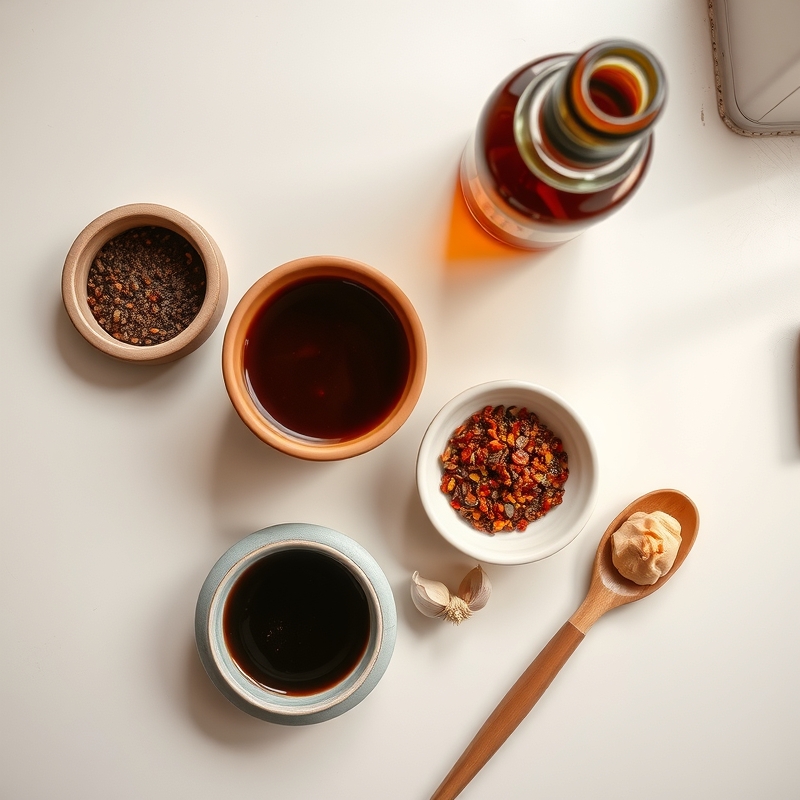
With just five fermented and seasoned staples, you can make nearly every Korean sauce that exists. This is what separates Korean cooking from most other cuisines — instead of dozens of specialty items, you’re working with a small, powerful pantry that combines in endless ways.
Here’s what to stock before making any recipe in this guide:
- Gochujang (고추장) — Fermented red chili paste. Thick, sweet-spicy, and deeply savory. Gochujang has been a cornerstone of Korean cuisine for centuries, and it’s the single most important sauce ingredient you’ll buy.
- Gochugaru (고춧가루) — Korean red pepper flakes. Smoky, slightly sweet, not just “hot.” These flakes have a completely different flavor from Western chili flakes.
- Doenjang (된장) — Fermented soybean paste. Earthier and funkier than Japanese miso, with a depth that anchors stews and dipping sauces.
- Soy sauce (간장) — Use regular soy sauce (진간장) for most sauces. Korean soup soy sauce (국간장) is saltier and lighter — you’ll see it in specific recipes below.
- Sesame oil (참기름) — Toasted, not raw. Korean toasted sesame oil is darker and more fragrant than most grocery store versions. This is your finishing oil, your flavor amplifier, your secret weapon.
You’ll also want garlic (fresh, minced), green onions, toasted sesame seeds, rice vinegar, and a sweetener (sugar, honey, or oligodang — Korean corn syrup). But the five above are non-negotiable. Without doenjang, your ssamjang won’t taste right. Without real gochugaru, your yangnyeom will taste flat. Get these right first.
Most of these are available at any Korean or Asian grocery store, and increasingly at mainstream supermarkets. Expect to spend around $15–25 for all five staples (prices vary by location and brand), and they’ll last you months of sauce-making.
CJ Haechandle Gochujang (Korean Red Chili Paste)
This is the brand most Korean households actually use — not the one marketed to foreigners. One tub lasts months and transforms every sauce in this guide.
(paid link)
Check Availability & Reviews →
Korean Sauce Recipes: 4 Everyday Sauces You’ll Use Every Week
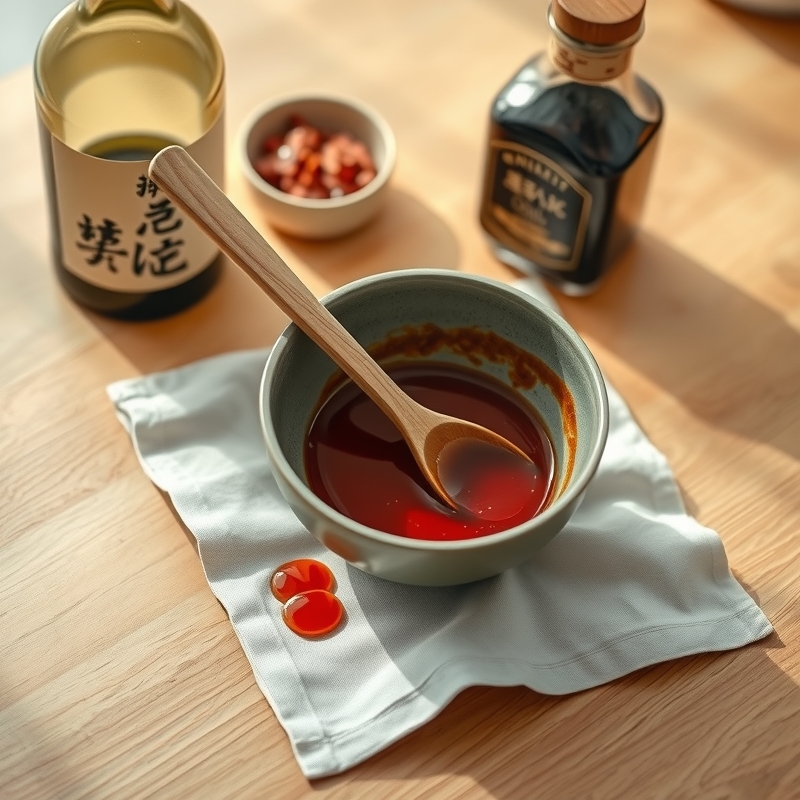
These four Korean sauce recipes appear on Korean dinner tables more often than any others — most Korean home cooks make at least one of them every single day. Master these first, and you’ll already be cooking more authentically than most Korean restaurants abroad.
1. All-Purpose Yangnyeom Sauce (만능 양념장)
This is the sauce Korean moms don’t even think about — they just make it. It goes on bibimbap, over tofu, into stir-fries, and alongside plain rice when nothing else is ready. If you learn one Korean sauce recipe, learn this one.
- 3 tablespoons soy sauce
- 1 tablespoon gochugaru
- 1 tablespoon sesame oil
- 1 teaspoon sugar
- 2 cloves garlic, finely minced
- 1 green onion, thinly sliced
- 1 teaspoon toasted sesame seeds
Mix everything in a bowl. That’s it. No cooking required. It keeps in the fridge for up to a week, though in most Korean kitchens it never lasts that long. The ratio to remember: 3 parts soy sauce, 1 part gochugaru, 1 part sesame oil. Scale up or down from there.
2. Ssamjang (쌈장) — The Lettuce Wrap Sauce
Every time Koreans grill meat, ssamjang appears. It’s the thick, savory-sweet paste you smear inside a lettuce leaf before wrapping it around pork belly or bulgogi. Most food blogs get ssamjang wrong by making it too sweet — real Korean ssamjang leans savory and funky, with doenjang doing the heavy lifting, not sugar.
- 2 tablespoons doenjang
- 1 tablespoon gochujang
- 1 teaspoon sesame oil
- 1 teaspoon sugar or honey
- 2 cloves garlic, minced
- 1 green onion, finely chopped
Mix well. Some Korean grandmothers add a splash of doenjang-jjigae broth to thin it slightly — if yours feels too thick, a teaspoon of water works. The critical ratio: doenjang should always be double the amount of gochujang. Reverse that and you’ll get something that tastes like spicy ketchup, not ssamjang.
3. Cho-Gochujang (초고추장) — Sweet-Sour-Spicy Dipping Sauce
When raw fish, blanched vegetables, or cold noodles hit the table, this bright red sauce follows. It’s Korea’s answer to the question “how do I make anything cold and fresh taste incredible?” The vinegar lifts the heaviness of gochujang and creates something addictive.
- 2 tablespoons gochujang
- 1 tablespoon rice vinegar
- 1 tablespoon sugar
- 1 teaspoon sesame oil
- 1 teaspoon lemon juice (optional, but Korean moms increasingly add it)
Stir until smooth. Taste and adjust — the balance should be equally sweet, sour, and spicy with no single flavor dominating. This sauce is best made fresh rather than stored. The vinegar flavor dulls after a day.
4. Korean Soy Dipping Sauce (간장 양념장)
This appears next to Korean dumplings (mandu), alongside jeon (savory pancakes), and with steamed tofu. It’s possibly the simplest Korean sauce recipe, but without it, half of Korean appetizers lose their soul.
- 3 tablespoons soy sauce
- 1 tablespoon rice vinegar
- 1 teaspoon gochugaru
- 1 green onion, thinly sliced
- 1 teaspoon toasted sesame seeds
Combine and serve immediately. Some prefer adding a pinch of sugar; others don’t. The point is the tangy, salty bite that cuts through anything fried or steamed. Every time you open your fridge and see leftover mandu, this sauce should follow automatically.
Korean Sauce Recipes: 3 Specialty Sauces That Elevate Everything
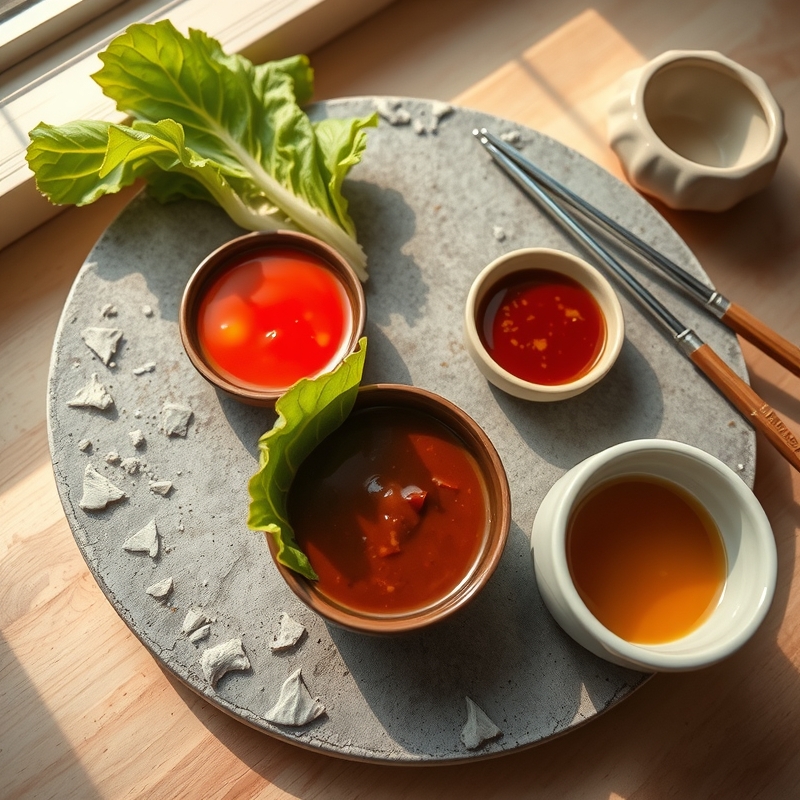
Once you have the four essentials down, these three specialty Korean sauce recipes will take your cooking from “good Korean food” to “wait, did you actually live in Korea?” These are the sauces that separate someone who follows recipes from someone who truly understands Korean flavor.
5. Yangnyeom Chicken Sauce (양념치킨 소스)
Korean fried chicken chains guard their sauce recipes carefully, but the base formula isn’t complicated — it’s the balance that takes practice. Without this sauce, your fried chicken is just fried chicken. With it, it’s the reason Korean fried chicken became a global phenomenon.
- 3 tablespoons gochujang
- 2 tablespoons honey or corn syrup (oligodang)
- 1 tablespoon soy sauce
- 1 tablespoon rice vinegar
- 1 tablespoon minced garlic
- 1 teaspoon sesame oil
- 1 tablespoon ketchup (yes, really — this is the Korean street-food secret ingredient)
Cook over medium heat for 3–4 minutes until it thickens slightly and becomes glossy. Toss with freshly fried chicken immediately. The sauce must coat hot chicken — cold chicken won’t absorb the glaze properly. The ketchup adds a tangy sweetness that’s hard to replicate otherwise. Most Korean fried chicken shops use it, even if they won’t admit it.
6. Bulgogi Marinade (불고기 양념)
A proper bulgogi marinade does something transformative to beef — it tenderizes, sweetens, and layers umami so deeply that the meat almost caramelizes on contact with heat. The ingredient most home cooks outside Korea skip? Asian pear (or kiwi). The natural enzymes break down the proteins in ways that no amount of sugar can replicate.
- 4 tablespoons soy sauce
- 2 tablespoons sugar
- 1 tablespoon sesame oil
- 3 cloves garlic, minced
- 2 tablespoons grated Asian pear (or 1 tablespoon grated kiwi)
- 1 teaspoon black pepper
- 1 green onion, chopped
Combine and marinate thinly sliced beef for at least 2 hours, ideally overnight. If using kiwi instead of pear, reduce marinating time to 30 minutes maximum — kiwi enzymes are aggressive and will turn your meat mushy if left too long. This is a mistake made once and never repeated.
7. Seasoned Sesame Oil Dipping Sauce (참기름 소금장)
Sometimes the most powerful Korean sauce is the most minimal. This two-ingredient sauce shows up alongside Korean BBQ, with steamed rice, and with raw vegetables. It sounds too simple to be worth writing about — until you taste how good-quality toasted sesame oil mixed with coarse salt transforms plain rice into something you crave at midnight.
- 2 tablespoons toasted sesame oil
- ½ teaspoon coarse sea salt
- Pinch of black pepper (optional)
Pour the sesame oil into a small dish, add salt, stir gently. Dip a piece of samgyeopsal (pork belly) into this and wrap it in lettuce. That’s the moment most people realize why Korean BBQ is an experience, not just a meal. The quality of the sesame oil matters enormously here — there’s nowhere to hide with only two ingredients.
Ottogi Premium Roasted Sesame Oil
The deep, nutty fragrance of properly roasted Korean sesame oil is irreplaceable — especially in the two-ingredient dipping sauce above, where the oil IS the flavor.
(paid link)
See Why Reviewers Love This →
Korean Sauce Recipes Comparison: Quick-Reference Table
Use this table to decide which Korean sauce recipe to make based on what you’re eating tonight. The “effort” column tells you whether it needs cooking or just mixing — most Korean sauces require nothing more than a bowl and a spoon.
| Sauce | Best Used With | Heat Level | Effort | Keeps In Fridge |
|---|---|---|---|---|
| Yangnyeom (만능양념장) | Bibimbap, rice, tofu, stir-fry | Medium | Mix only — 2 minutes | Up to 1 week |
| Ssamjang (쌈장) | Lettuce wraps, grilled meat | Mild-Medium | Mix only — 2 minutes | Up to 2 weeks |
| Cho-Gochujang (초고추장) | Raw fish, cold noodles, vegetables | Medium | Mix only — 2 minutes | Best made fresh |
| Soy Dipping (간장양념장) | Dumplings, pancakes, steamed tofu | Mild | Mix only — 1 minute | Best made fresh |
| Yangnyeom Chicken (양념치킨) | Fried chicken, wings | Medium-High | Cook 3-4 minutes | Up to 5 days |
| Bulgogi Marinade (불고기양념) | Beef, pork, chicken | None | Mix + marinate 2+ hours | Up to 3 days |
| Sesame Oil Dip (참기름소금장) | BBQ meat, plain rice, vegetables | None | Mix only — 30 seconds | Best made fresh |
Notice how five of the seven sauces require zero cooking — just mixing in a bowl. This is why Korean home cooking is more accessible than it appears. The flavor complexity comes from the fermented ingredients doing the work, not from technique.
Frequently Asked Questions
What is the most popular Korean sauce for beginners to make first?
The all-purpose yangnyeom sauce (soy sauce + gochugaru + sesame oil) is the best starting point. It requires no cooking, uses only pantry staples, and works with nearly everything — rice, tofu, vegetables, and meat. Once you memorize the 3:1:1 ratio, you’ll never need to look it up again.
Can I substitute gochujang with sriracha or another chili paste?
No — gochujang and sriracha are fundamentally different products. Gochujang is a fermented paste made from glutinous rice, soybeans, and chili, giving it a complex sweet-savory depth. Sriracha is a vinegar-based hot sauce. Using sriracha in ssamjang or cho-gochujang will produce something that tastes nothing like the original. There’s no real shortcut here — the fermentation is the flavor.
What happens if I skip the sesame oil in Korean sauce recipes?
Without toasted sesame oil, Korean sauces lose the nutty, aromatic layer that ties all the other flavors together. It’s not just a flavoring — it also smooths out the sharpness of raw garlic and the heat of gochugaru. Skipping it is the single most common reason homemade Korean sauces taste “close but not quite right.”
How long do homemade Korean sauces last in the refrigerator?
Most mixed Korean sauces keep for 5–7 days refrigerated in an airtight container. Ssamjang lasts the longest (up to two weeks) because both doenjang and gochujang are fermented and naturally preserved. Sauces with fresh vinegar or citrus — like cho-gochujang — lose their brightness after a day and are best made right before serving.
Do I need to use Korean-brand soy sauce, or is any soy sauce fine?
Any regular soy sauce works for most Korean sauce recipes, but Korean soy sauce (Sempio or Monggo) tends to be slightly less sweet than Japanese brands like Kikkoman. The bigger distinction is between regular soy sauce and Korean soup soy sauce (국간장), which is much saltier and lighter in color. For the recipes in this guide, use regular soy sauce unless otherwise noted.
Key Takeaways
- Five pantry staples — gochujang, gochugaru, doenjang, soy sauce, and sesame oil — are all you need to make virtually every Korean sauce at home.
- Five of the seven essential sauces require zero cooking, just mixing in a bowl. Korean flavor complexity comes from fermented ingredients, not technique.
- For ssamjang, always use double the doenjang compared to gochujang — reversing this ratio is the most common mistake in Western recipes.
- The all-purpose yangnyeom sauce follows a 3:1:1 ratio (soy sauce : gochugaru : sesame oil) that scales to any amount and works on nearly everything.
- Asian pear or kiwi in bulgogi marinade tenderizes meat through natural enzymes — no amount of sugar substitution replicates this effect.
- Toasted sesame oil is not optional in Korean sauces — it’s the binding flavor that makes the difference between “close” and authentic.
Tonight, make the yangnyeom sauce — just soy sauce, gochugaru, sesame oil, garlic, and a pinch of sugar. Spoon it over a bowl of hot rice. That’s dinner in a Korean home, and now it’s dinner in yours.
This article contains affiliate links. If you purchase through these links, we may earn a small commission at no extra cost to you. We only recommend products we genuinely believe in.