The pojangmacha (포장마차) carts lining Seoul’s Myeongdong district at 11 PM serve tteokbokki that tastes nothing like what most recipe blogs tell you to make — and the difference comes down to exactly one decision: whether you use a shortcut sauce or build it from scratch with dried anchovy broth. That single choice changes everything — the depth, the sweetness balance, the way the rice cakes absorb flavor. Here’s what most food blogs won’t tell you: for some Korean street food, the easy version is genuinely close to the real thing. For others, skipping the authentic method means you’re eating a completely different dish. This guide compares both approaches for 7 classic Korean street foods so you know exactly when a shortcut works and when it doesn’t.
Korean Street Food at Home: Easy Shortcut vs Authentic Method — What Actually Changes?
The biggest misconception about Korean street food is that “authentic” always means “harder” — in reality, some dishes are faster to make the traditional way. Walk past any Korean convenience store and you’ll see instant tteokbokki cups, frozen hotteok, and ready-made kimbap. Koreans themselves use shortcuts constantly. The question isn’t about purity — it’s about which shortcuts actually work and which ones ruin the dish.
Here’s how to think about it. Korean street food falls into two categories:
- Sauce-driven dishes (tteokbokki, dakkochi) — the shortcut version loses the most because the sauce IS the dish
- Texture-driven dishes (hotteok, corn dogs) — shortcuts matter less because the magic is in the cooking method, not a complex sauce
Most people start with easy versions, get decent results, and never realize the authentic version would have taken only 10–15 extra minutes. That’s the gap this comparison fills.
What “Easy” and “Authentic” Mean in This Guide
Easy version: Uses store-bought sauces, pre-made ingredients, minimal prep. Under 20 minutes total. Designed for a weeknight when you want Korean street food flavor without a project.
Authentic version: Builds flavor from scratch — makes the broth, toasts the spices, uses the traditional technique. Takes 30–60 minutes but produces the version you’d actually get from a Seoul street cart.
Korean Street Food Recipes Compared: Taste, Time, and Difficulty
Not every Korean street food dish benefits equally from the authentic approach — some easy versions get you 90% of the way there, while others barely hit 50%. This master comparison covers the 7 most popular Korean street foods you can make at home, rated on how much you lose by taking the shortcut.
| Street Food | Easy Version Time | Authentic Version Time | Taste Difference | Worth Going Authentic? |
|---|---|---|---|---|
| Tteokbokki (떡볶이) | 15 min | 35 min | Major — broth changes everything | Yes, always |
| Korean Corn Dogs (핫도그) | 20 min | 30 min | Moderate — coating texture differs | Yes, if you have time |
| Hotteok (호떡) | 25 min | 90 min (dough rise) | Major — dough is the whole point | Yes, but plan ahead |
| Kimbap (김밥) | 20 min | 45 min | Minor — fillings matter more | No, easy version works great |
| Dakkochi (닭꼬치) | 15 min | 25 min | Moderate — glaze depth differs | Yes, only 10 min more |
| Eomuk/Fish Cake (어묵) | 10 min | 40 min | Major — broth is everything | Yes, the broth IS the dish |
| Tornado Potato (회오리감자) | 15 min | 20 min | Minimal — technique is the same | No real difference |
Notice the pattern: dishes where broth or dough is central lose the most from shortcuts. Dishes where the main technique (frying, grilling, rolling) stays the same lose very little.
Tteokbokki: The Biggest Gap Between Easy and Authentic
This is the dish where shortcuts hurt the most — and ironically, it’s the one most people start with. Here’s the side-by-side breakdown:
| Component | Easy Version | Authentic Version |
|---|---|---|
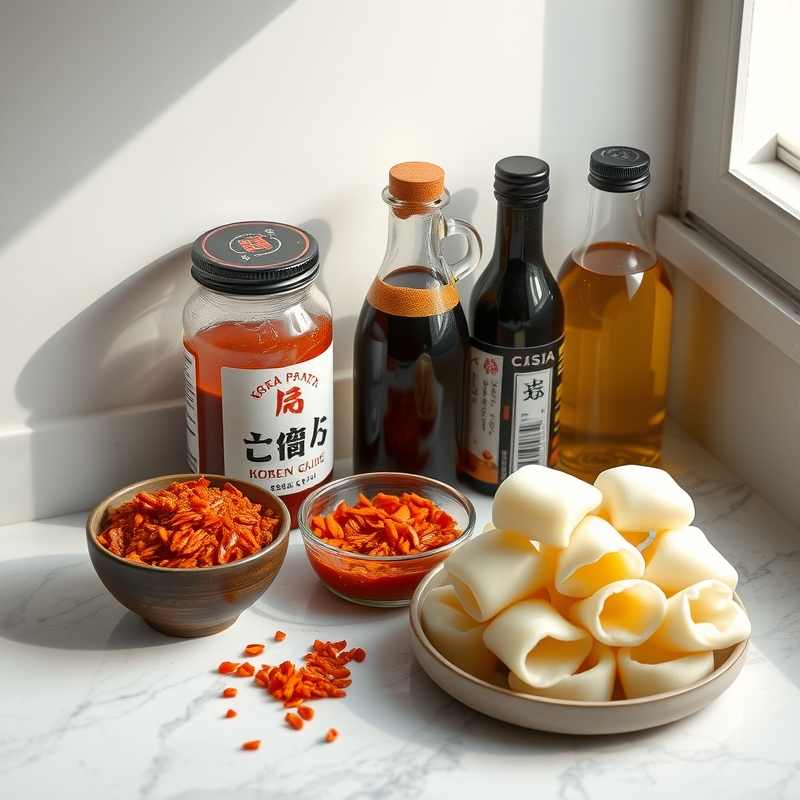
| Sauce base | Store-bought tteokbokki sauce packet | Homemade: gochugaru + gochujang + soy sauce + sugar |
| Broth | Water | Dried anchovy + kelp broth (dashima) |
| Rice cakes | Frozen (thawed in microwave) | Frozen (soaked in warm water 20 min) |
| Extras | None | Fish cakes, boiled eggs, scallions |
| Flavor depth | Sweet and spicy, one-dimensional | Savory-sweet-spicy with umami backbone |
Without the anchovy-kelp broth, tteokbokki tastes like spicy ketchup on rice cakes. That broth takes exactly 10 minutes — you simmer 6–8 dried anchovies (heads and guts removed) with a palm-sized piece of dashima kelp in 3 cups of water. Strain, and you have the foundation that makes every Korean grandmother’s tteokbokki taste like magic.
Korean Corn Dogs: The Coating Makes or Breaks It
Korean corn dogs (called “hotdog” in Korea, which confuses everyone) took over social media for a reason — that shatteringly crispy exterior with stretchy mozzarella inside is unlike anything in Western cooking. Here’s what changes between versions:
| Component | Easy Version | Authentic Version |
|---|---|---|
| Batter | Pancake mix + water | Yeasted flour batter (flour, yeast, sugar, warm water) |
| Coating | Panko breadcrumbs | Cubed bread pieces or rice flour batter with french fry coating |
| Filling | Mozzarella sticks | Mozzarella + half sausage combo |
| Sugar finish | Granulated sugar | Granulated sugar (same!) |
| Crunch level | Good (7/10) | Exceptional (10/10) |
The honest verdict: the easy version using pancake mix and panko is genuinely good. If you’re making Korean corn dogs for the first time, start here. The authentic yeasted batter produces a chewier, more complex coating — but the difference isn’t as dramatic as tteokbokki.
Hotteok: Don’t Even Bother with the Shortcut
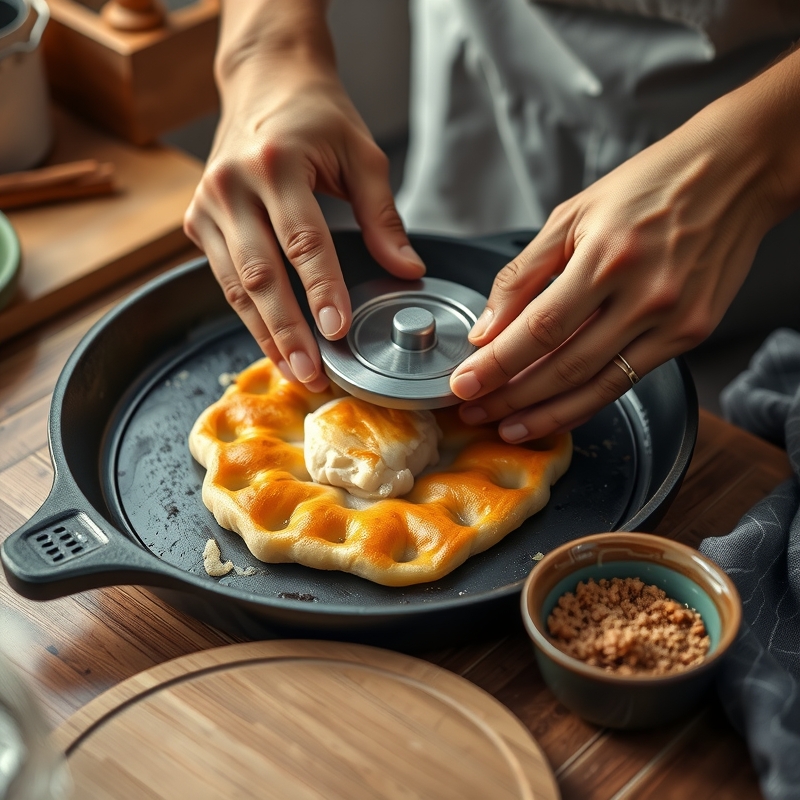
Hotteok is the one Korean street food where the easy version is a waste of your ingredients. The entire point of hotteok is the yeasted dough — slightly chewy, slightly sweet, with that golden-crispy exterior from being pressed flat on a griddle. Using store-bought dough or pancake mix produces something that tastes like a stuffed pancake, not hotteok.
The authentic dough requires a 60-minute rise, which is the real barrier. But here’s the insider move that most recipes miss: make the dough the night before and let it cold-rise in the fridge overnight. In the morning, it’s ready in 10 minutes. Korean street cart vendors prep their dough hours before service for exactly this reason.
The filling is simple regardless of version — brown sugar, cinnamon, and crushed peanuts or walnuts mixed together. Some Seoul carts add sunflower seeds and a tiny pinch of salt to the filling, which creates a salted-caramel effect that’s incredibly addictive.
Cost Compared: Korean Street Food at Home vs Buying in Korea vs Restaurants Abroad
Making Korean street food at home costs roughly one-third of what you’d pay at a Korean restaurant outside Korea — and surprisingly close to actual Seoul street cart prices once you account for ingredient reuse. Most Korean street food ingredients overlap heavily, so buying for one recipe sets you up for several others.
| Dish | Seoul Street Cart Price | Korean Restaurant (US/EU) | Homemade Cost (per serving) |
|---|---|---|---|
| Tteokbokki | Around $3–4 | Around $10–14 | Around $2–3 |
| Korean Corn Dogs | Around $2–3 each | Around $6–8 each | Around $1–2 each |
| Hotteok | Around $1–2 each | Rarely available | Under $1 each |
| Kimbap | Around $2–3 per roll | Around $8–12 per roll | Around $3–4 per roll |
| Dakkochi | Around $2–3 per skewer | Around $5–7 per skewer | Around $1–2 per skewer |
Prices are approximate and vary by location and season.
The real savings come from pantry overlap. Gochugaru (Korean red pepper flakes), gochujang (fermented red pepper paste), soy sauce, sesame oil, and rice cakes — these five ingredients appear in almost every Korean street food recipe. Buy them once, and you’re set for months of cooking.
Where to Buy Korean Ingredients
Your best options, in order of value:
- H Mart or local Korean grocery store — best prices on fresh rice cakes, fish cakes, and produce. Rice cakes from the refrigerated section are significantly better than shelf-stable ones.
- Asian supermarkets (not specifically Korean) — good for basics like gochujang, sesame oil, and rice flour. Prices are typically lower than specialty stores.
- Amazon or online Korean grocery stores — convenient for pantry staples you can’t find locally. Gochujang and gochugaru ship well and last for months refrigerated.
CJ Haechandle Gochujang (Korean Red Pepper Paste)
This is the brand most Korean households actually use — not the fancy “artisanal” versions marketed to foreigners. One tub lasts months and works across tteokbokki, dakkochi glaze, bibimbap, and dozens of other recipes.
(paid link)
Check Availability & Reviews →
Korean Rice Cakes (Tteok) for Tteokbokki
Cylindrical rice cakes are the foundation of tteokbokki, and the texture difference between good and bad rice cakes is enormous. Look for ones that list rice as the only ingredient — they soak up that anchovy-kelp broth beautifully.
(paid link)
See Why Reviewers Love These →
Korean Street Food at Home: Beginner vs Intermediate vs Advanced Recipes
Start with kimbap or dakkochi if you’ve never cooked Korean food — they require zero specialty techniques and use ingredients you can find at any grocery store. The biggest mistake people make is starting with tteokbokki or hotteok, getting mediocre results because they skipped the broth or the dough rise, and assuming Korean cooking is hard. It’s not hard — but sequencing matters.
| Skill Level | Best Dishes to Start With | Key Technique to Learn | Gear Needed |
|---|---|---|---|
| Beginner (first time) | Kimbap, Dakkochi, Tornado Potato | Rolling (kimbap), skewering, spiral cutting | Bamboo rolling mat (kimbap), skewers |
| Intermediate | Tteokbokki, Korean Corn Dogs, Eomuk | Making anchovy broth, deep frying with batter | Deep pot for frying, dried anchovies, dashima |
| Advanced | Hotteok, Bindaetteok (mung bean pancake) | Yeasted dough handling, batter consistency | Flat griddle press (hotteok), food processor |
The Ideal First Korean Street Food Night Menu
If you’re inviting friends over for a Korean street food night — and trust me, this is the kind of dinner party that gets you invited back — here’s the combination that balances effort and impact:
- Authentic tteokbokki (make the broth — it takes 10 minutes and your guests will taste the difference)
- Easy-version kimbap (shortcut version is 90% as good — use store-bought pickled radish and pre-seasoned bulgogi or canned tuna)
- Dakkochi with authentic glaze (the glaze takes 5 extra minutes and makes chicken skewers taste like you ordered them from a Hongdae cart)
Total time: about 60 minutes for all three. Total cost: around $15–20 for 4 people. That’s less than a single Korean restaurant entrée in most Western cities.
Dakkochi Glaze: The 5-Minute Upgrade Everyone Should Know
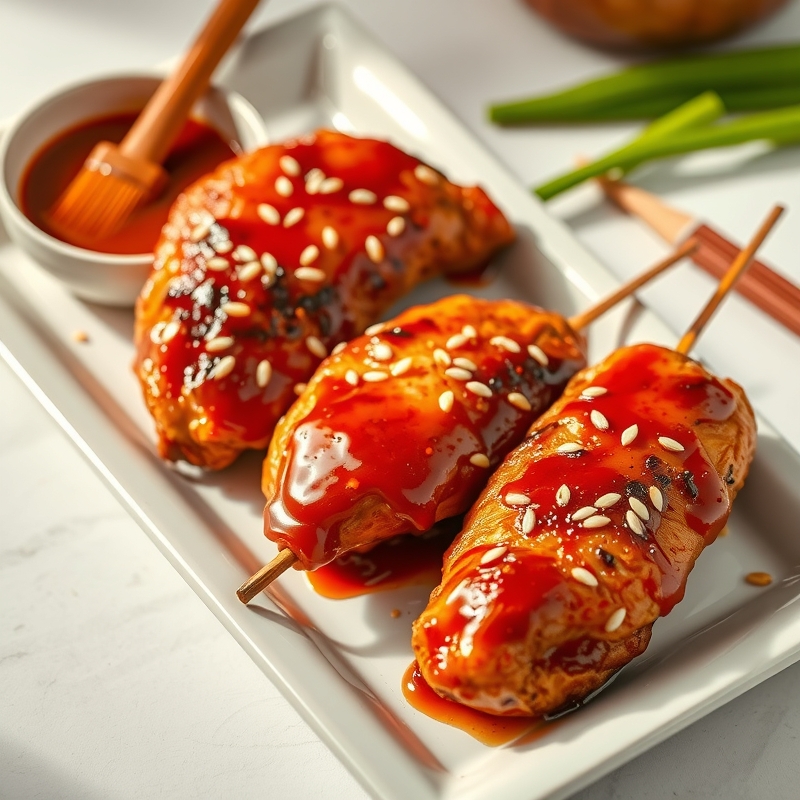
Most English-language recipes tell you to brush chicken skewers with teriyaki sauce. That’s Japanese, not Korean. The real Korean street cart glaze is:
- 2 tablespoons gochujang
- 1 tablespoon soy sauce
- 1 tablespoon honey or corn syrup (Korean carts use corn syrup — it gives a glossier finish)
- 1 teaspoon minced garlic
- 1 teaspoon sesame oil
Mix it all together. Brush it on during the last 2 minutes of grilling or pan-frying. The gochujang caramelizes and creates a sticky, slightly smoky crust that you simply cannot replicate with bottled teriyaki. This is the kind of detail that separates “I made Korean food” from “I made Korean food that actually tastes Korean.”
Korean Gochugaru (Red Pepper Flakes)
This is NOT the same as crushed red pepper from the pizza shop. Korean gochugaru is sun-dried and has a slightly sweet, smoky flavor that’s the backbone of tteokbokki, kimchi, and dozens of other dishes. Once you cook with real gochugaru, regular chili flakes taste flat.
(paid link)
View Current Price →
Frequently Asked Questions
What happens if I use water instead of anchovy broth for tteokbokki?
You’ll get a one-dimensional sweet-spicy sauce without the savory depth that defines authentic tteokbokki. The dried anchovy and kelp broth adds umami — that hard-to-describe savoriness that makes you keep eating even when your mouth is on fire. If you absolutely cannot find dried anchovies, a teaspoon of fish sauce in the water is a passable backup, but the real broth takes only 10 minutes.
Can I make Korean rice cakes from scratch at home?
You can, but it’s genuinely not worth the effort for tteokbokki — even Korean households buy pre-made rice cakes. Making garaetteok (cylinder rice cakes) from scratch requires pounding soaked rice into a smooth dough, which traditionally uses a large stone mortar. Store-bought frozen rice cakes from a Korean grocery store are what Korean families actually use, and they’re inexpensive — typically around $3–5 per bag.
What’s the best oil for deep-frying Korean corn dogs?
Korean street carts use refined vegetable oil or canola oil heated to around 170–180°C (340–360°F). Avoid olive oil or coconut oil — they have strong flavors that interfere with the batter and their lower smoke points make them less suitable for deep frying. The key to a crispy corn dog is oil temperature: too cool and the batter absorbs oil and turns soggy, too hot and the outside burns before the cheese melts inside.
How do I store leftover tteokbokki? The rice cakes get hard.
Rice cakes harden as they cool because the starch retrogrades — this is normal and reversible. Store tteokbokki in an airtight container in the fridge for up to 2–3 days. When reheating, add 2–3 tablespoons of water and reheat on the stovetop over medium-low heat, stirring frequently. The microwave works but tends to make the sauce splatter and the rice cakes heat unevenly. Korean convenience store workers reheat tteokbokki the same way — stovetop with a splash of water.
What if I can’t handle spicy food — can I still make Korean street food?
Absolutely — several popular Korean street foods aren’t spicy at all. Hotteok (sweet filled pancakes), kimbap, Korean corn dogs, eomuk (fish cake skewers in clear broth), and tornado potatoes are all mild. For tteokbokki, you can reduce the gochugaru by half and increase the sugar slightly to make a milder version. Some Seoul tteokbokki shops actually serve “rose tteokbokki” — a cream-based version with significantly less heat that’s become hugely popular in Korea over the past few years.
Key Takeaways
- Tteokbokki and eomuk lose the most flavor from shortcuts — the anchovy-kelp broth takes only 10 minutes but transforms both dishes from flat to deeply savory
- Kimbap and tornado potatoes work perfectly with the easy method — don’t waste time on the authentic version when the shortcut gets you 90% of the flavor
- Five pantry staples unlock nearly every Korean street food recipe: gochugaru, gochujang, soy sauce, sesame oil, and rice cakes — buy them once and cook for months
- Making Korean street food at home costs roughly one-third of Korean restaurant prices outside Korea, and most dishes take under 35 minutes with the authentic method
- Start with kimbap or dakkochi, not tteokbokki — sequencing your first Korean cooking experience matters more than the recipe itself
- Hotteok dough can be cold-risen overnight in the fridge — this Korean street vendor technique turns a 90-minute recipe into a 10-minute morning project
Tonight, try just the dakkochi glaze: mix gochujang, soy sauce, honey, garlic, and sesame oil, brush it on any chicken you’re already making, and see what happens in those last 2 minutes of cooking. That single glaze will change how you think about Korean flavors — and it’ll take you less time than reading this sentence out loud.
This article contains affiliate links. If you purchase through these links, we may earn a small commission at no extra cost to you. We only recommend products we genuinely believe in.
You Might Also Like
- Why Your Anti-Aging Routine Is Wrong (Korean Fix)
- 7 Korean Hair Care Routine Steps for Glass Hair
- Why Your Collagen Supplement Is Not Working (And What Korean Women Do Instead)