A Korean grandmother watches her foreign daughter-in-law stir-fry bulgogi on maximum heat, flipping the meat every few seconds — and quietly turns off the stove. “You’re cooking it like Western steak,” she says. “Korean meat needs to talk to the pan.” That single correction — stop moving the beef — transformed the dish from rubbery strips into caramelized, juicy bites. Most Korean cooking failures come down to 4-5 technique mistakes that Korean home cooks fixed decades ago, and none of them require special talent or expensive equipment.
Signs Your Korean Cooking Techniques Need Fixing
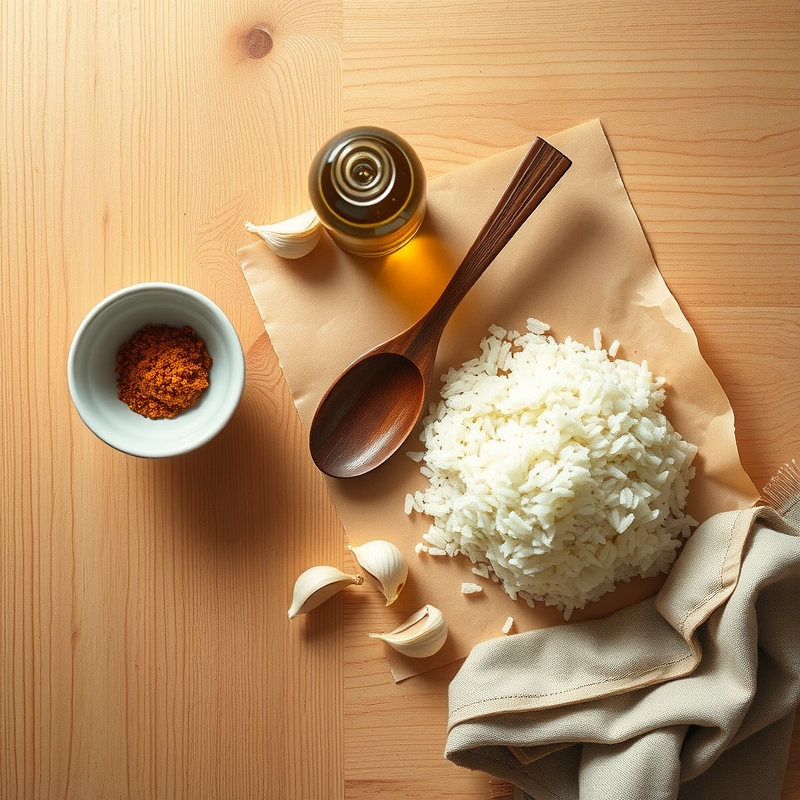
If your Korean dishes taste “close but not quite,” the problem is almost never the recipe — it’s the technique behind it. Recipes travel well across borders. Techniques don’t, because they live in muscle memory, not in ingredient lists.
Here’s a quick self-diagnosis. If three or more of these sound familiar, your technique needs attention:
- Your kimchi jjigae tastes flat even though you followed the recipe exactly
- Your rice comes out either mushy or with a dry, chalky core
- Bulgogi or samgyeopsal releases a pool of grey liquid instead of getting a sear
- Your japchae noodles clump into a sticky mass within minutes
- Stews and soups taste one-dimensional — salty but not deep
- Vegetables in your bibimbap are watery and limp instead of crisp and seasoned
- Your gochugaru-based sauces taste harsh and raw instead of rounded
Every single one of these problems traces back to a technique error, not a missing ingredient. Korean home cooks don’t follow complicated methods — they follow correct ones. The gap between a mediocre Korean dish and an excellent one is usually about 30 seconds of patience or one skipped step you didn’t know mattered.
Korean Cooking Technique Mistakes You’re Probably Making
Korean cooking techniques prioritize building layers of flavor through sequence and timing — not through adding more ingredients. Here’s where most people go wrong, and more importantly, why.
Mistake 1: Skipping the Rice Wash
In most Korean households, rice gets washed a minimum of three times until the water runs mostly clear. This isn’t ritual — it’s functional. Unwashed rice carries surface starch that turns your pot into a gluey mess, and that same excess starch dulls the clean, slightly sweet taste that good Korean rice should have.
The second part most people miss: after washing, Korean cooks let the rice soak for at least 20-30 minutes before cooking. Soaking allows the grains to absorb water evenly, which means they cook through without that frustrating dry center. Skip the soak, and no amount of water adjustment fixes it.
Mistake 2: Crowding the Pan with Meat
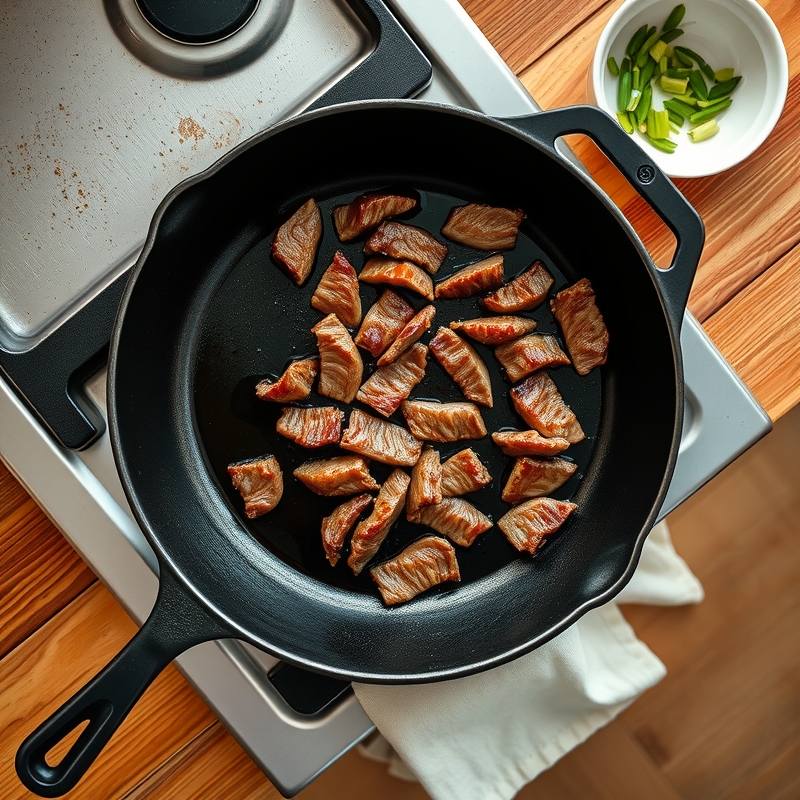
This is the grandmother’s lesson from the opening. When you pile bulgogi or pork belly into a pan, the temperature drops instantly. The meat steams instead of searing. That grey liquid pooling around your beef? That’s moisture being pushed out because the pan is too cool and too crowded.
Korean street vendors and home cooks cook meat in small batches on a screaming-hot surface, giving each piece direct contact with the heat. The result is Maillard browning — that caramelized, slightly sweet crust that makes Korean BBQ addictive. Without it, you’re eating boiled meat with sauce on it.
Mistake 3: Boiling Stews Instead of Simmering
Korean stews like doenjang-jjigae and kimchi jjigae are meant to be simmered, not rolled at a hard boil for 20 minutes. A hard boil breaks down tofu into mush, turns vegetables into paste, and — most critically — evaporates the aromatic compounds in doenjang and gochugaru that give these stews their depth.
Walk into a Korean kitchen during dinner prep and you’ll see the pot barely bubbling. Korean cooks bring the stew to a boil, then immediately reduce to a gentle simmer. The stew goes back to a vigorous boil only for the last 1-2 minutes of cooking, right before serving. That final burst is what gives you the dramatic bubbling stone-pot presentation without overcooking everything inside.
Mistake 4: Adding Garlic Too Early
Most Western cooking starts with sautéing garlic in oil. Korean cooking often adds garlic much later — sometimes in the final minutes. Garlic added at the start of a 30-minute stew loses its pungency and becomes bitter. Garlic stirred in near the end keeps its sharp, aromatic bite that defines dishes like sundubu-jjigae.
The exception: marinades. Bulgogi and galbi marinades use raw minced garlic that sits with the meat for hours. The garlic mellows through enzyme activity, not heat. Different technique, different result. Korean cooking treats garlic as at least three separate ingredients depending on when and how you use it.
Mistake 5: Ignoring the Seasoning-Before-Cooking Rule
In Korean cooking, most vegetables get individually seasoned before they join a dish. Each namul (seasoned vegetable side dish) in bibimbap is blanched or sautéed separately, then dressed with sesame oil, salt, and sometimes garlic. This is the step that feels tedious and gets skipped — and it’s exactly the step that separates restaurant-quality bibimbap from the underwhelming version.
Without pre-seasoning, you end up with plain vegetables sitting in sauce. With pre-seasoning, each bite carries its own complete flavor that harmonizes with everything else in the bowl. Korean cooks call this concept son-mat (손맛) — literally “hand taste” — the cumulative effect of care at every stage.
How to Fix Your Korean Cooking Techniques Today
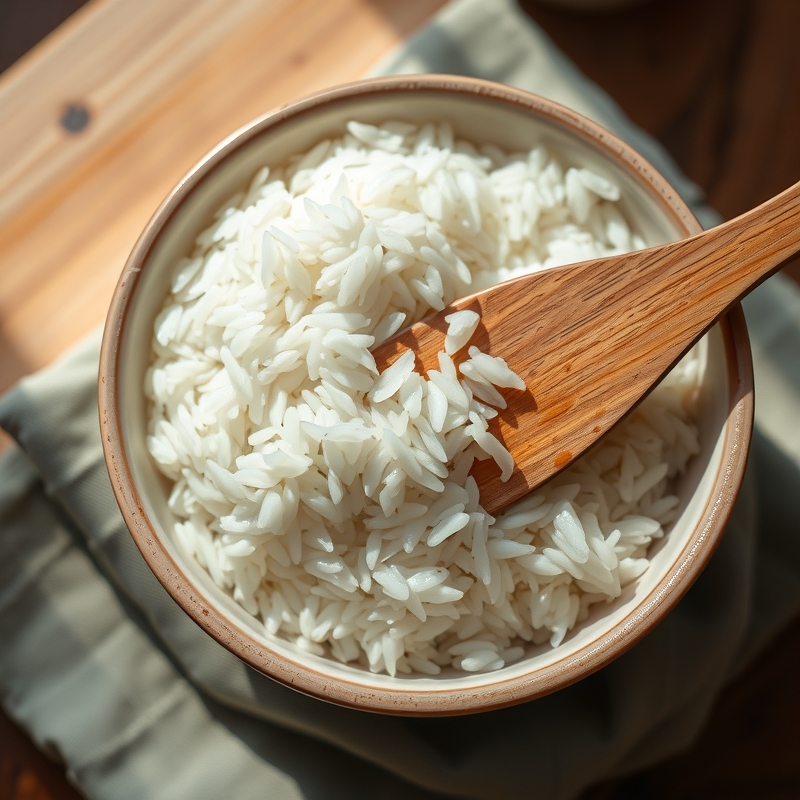
The good news: every fix on this list takes under 60 seconds of extra effort per dish. Korean home cooking isn’t complicated — it’s precise about a few key moments. Here’s your correction protocol.
The Rice Fix
- Place rice in a bowl, fill with cold water, swirl gently with your hand for 10 seconds
- Drain the cloudy water. Repeat 2-3 more times until the water is mostly clear
- Add the cooking water (standard ratio: 1:1 rice to water for short-grain Korean rice)
- Let it soak 20-30 minutes before turning on the heat or pressing start on your rice cooker
- After cooking, let it steam with the lid on for 10 minutes. Then fluff gently with a rice paddle using a folding motion — never stir in circles
The Meat Fix
- Pat meat completely dry with paper towels before it touches the pan
- Heat your pan on high for a full 2 minutes before adding oil
- Cook in batches — no more than a single layer with space between pieces
- Once the meat is down, leave it alone for 60-90 seconds before flipping
- Between batches, wipe the pan if there’s burnt residue, re-oil, and reheat
The Stew Fix
- Sauté your aromatics (onion, dried anchovies, or pork) first to build a flavor base
- Add liquid and bring to a full boil
- Immediately reduce to the lowest simmer your stove allows
- Add delicate ingredients (tofu, zucchini, scallions) in the last 5-7 minutes
- Add minced garlic and a final dash of sesame oil in the last 1-2 minutes
- Crank heat to high for 30 seconds right before serving for the bubbling effect
Korean Cooking Techniques Compared: Quick Reference
This table breaks down the three most common approaches people take with Korean cooking — and why the middle path is what actually works in Korean kitchens.
| Technique | Common Western Approach | Authentic Korean Home Method | Overcomplicating It |
|---|---|---|---|
| Rice preparation | Rinse once, cook immediately | Wash 3x, soak 20-30 min, steam 10 min after cooking | Soak overnight, use special mineral water |
| Meat searing | Pile everything in at once, stir frequently | Small batches, high heat, leave it alone 60-90 seconds | Blowtorch finish, sous vide before searing |
| Stew cooking | Boil on medium-high for 20+ minutes | Brief boil → low simmer → high blast at serving | Pressure cooker for 2 hours, multiple stock reductions |
| Garlic timing | Sauté first in oil | Add in final 1-2 minutes for stews; raw in marinades | Fermented black garlic paste, roasted garlic oil |
| Vegetable prep | Toss everything raw into the dish | Blanch/sauté each vegetable separately, season individually | Sous vide each vegetable to exact temperature |
| Time investment | Around 15 minutes | Around 25-35 minutes | 2+ hours |
| Flavor result | Flat, one-note | Layered, balanced, clean | Good but unnecessary effort |
The Korean home method sits in the sweet spot: instead of a 15-minute shortcut that produces mediocre results or a 2-hour project, an extra 10-15 minutes of correct technique gets you 90% of the way to restaurant quality.
Korean Stone Pot (Dolsot) for Bibimbap & Stews
The reason Korean stews taste different at restaurants isn’t the recipe — it’s the stone pot. A dolsot holds heat so evenly that your jjigae keeps bubbling at the table, and your bibimbap develops that coveted crispy rice crust at the bottom without burning.
(paid link) Check Availability & Reviews →
Korean Gochugaru (Red Pepper Flakes) — CJ or Taekyung Brand
Generic “crushed red pepper” from the spice aisle is a completely different product from Korean gochugaru. Real gochugaru is sun-dried, slightly sweet, and smoky — it’s the single ingredient swap that closes the biggest flavor gap in most people’s Korean cooking.
(paid link) See Why Reviewers Love This →
Frequently Asked Questions
What happens if I don’t wash rice before cooking Korean dishes?
Unwashed rice produces a stickier, starchier, and slightly gummy texture that Korean cooks consider unacceptable for daily meals. The excess surface starch also makes rice clump unevenly and dulls the natural sweetness of short-grain Korean rice. Three washes in cold water takes about 45 seconds and makes a noticeable difference.
Why does my Korean stew taste different from restaurant versions?
Restaurants use stone pots (dolsot) and build a flavor base by sautéing aromatics before adding liquid. Most home cooks skip the sautéing step and dump everything into water at once. Starting with pork belly, onion, or dried anchovies in a hot pot for 2-3 minutes before adding water creates the depth you’re missing. The stone pot then maintains gentle, even heat throughout cooking.
Do I really need to season each bibimbap vegetable separately?
Yes — individual seasoning is the single biggest difference between ordinary and excellent bibimbap. Each vegetable has different salt tolerance and oil absorption. Spinach needs more sesame oil. Bean sprouts need less salt. When you season them together, some ingredients overpower others and none of them taste right. It takes an extra 5-10 minutes but transforms the dish.
Can I use regular red pepper flakes instead of gochugaru?
No — Italian or generic red pepper flakes are a different product entirely. Standard crushed red pepper is made from cayenne-type peppers that are pure heat with little flavor. Korean gochugaru is made from sun-dried peppers that are mildly spicy, slightly sweet, and smoky. Substituting one for the other is like using white vinegar in place of balsamic — technically both are vinegar, but the result is unrecognizable.
What’s the most important Korean cooking technique for a beginner to learn first?
Master rice preparation first. Rice appears at virtually every Korean meal, and improperly cooked rice undermines everything served alongside it. Once your rice is consistently clean-tasting, fluffy, and slightly sticky (not gummy), you have the foundation for every other Korean dish. The technique — wash, soak, cook, steam, fold — takes three meals to get comfortable with.
Key Takeaways
- Korean cooking failures are almost always technique problems, not recipe problems — the same ingredients produce dramatically different results based on timing, heat, and sequence
- Rice must be washed at least 3 times and soaked 20-30 minutes before cooking to achieve the clean, distinct grains Korean meals require
- Meat needs a screaming-hot pan and small batches — crowding the pan drops the temperature and steams the meat instead of searing it
- Korean stews simmer low and slow, with a high-heat blast only at serving — hard boiling destroys aromatics and overcooks delicate ingredients like tofu
- Garlic goes in late for stews (last 1-2 minutes) but early for marinades — Korean cooking treats garlic as multiple ingredients depending on timing
- Every vegetable in bibimbap gets seasoned individually before assembly — this single step is what separates forgettable bibimbap from the kind worth making again
Tonight, pick one dish you’ve been making and apply just one fix from this list. Start with your rice — wash it three times, soak it for 20 minutes, and taste the difference at your next meal.
This article contains affiliate links. If you purchase through these links, we may earn a small commission at no extra cost to you. We only recommend products we genuinely believe in.
You Might Also Like
- Korean Recipes for Beginners: Stir-Fry vs Stew vs Rice Bowl
- Korean Convenience Store Must Buy: 15 Items Locals Grab
- Korean Picnic Food Ideas: Kimbap vs Dosirak Compared