Walk into any Korean convenience store at midnight and you’ll see men — office workers, college students, soldiers on weekend leave — browsing the skincare aisle as casually as they’d pick up a bottle of water. Korean men spend more on skincare per capita than men in any other country, and their routines aren’t some 12-step marathon. Most Korean men follow a focused 7-step routine that takes under 10 minutes — and several of those steps are ones Western men have never even heard of.
Here’s what’s actually different about a Korean skincare routine for men — not the marketing version, but what’s sitting on bathroom shelves across Seoul right now.
Quick-Pick Summary: Korean Men’s Skincare Routine at a Glance
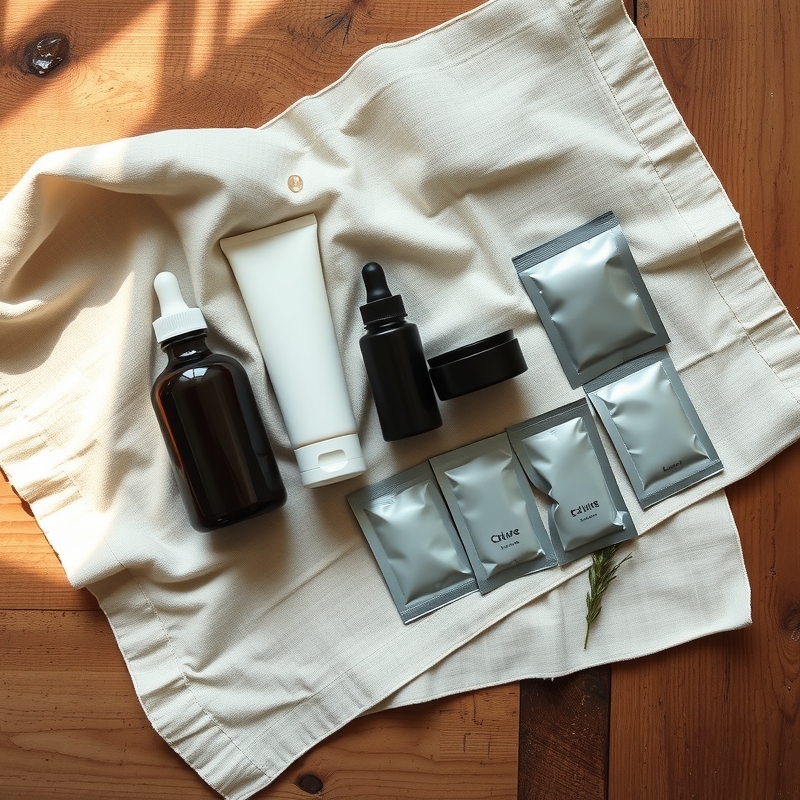
| Step | Product Type | Time | Skip-Worthy? |
|---|---|---|---|
| 1. Oil Cleanser | Cleansing oil or balm | 60 sec | Can skip if no sunscreen worn |
| 2. Foam Cleanser | Low-pH gel or foam | 60 sec | Never skip |
| 3. Toner | Hydrating toner (not astringent) | 15 sec | Never skip |
| 4. Essence | Lightweight hydrating liquid | 15 sec | Optional but popular |
| 5. Serum / Ampoule | Targeted treatment | 15 sec | Optional |
| 6. Moisturizer | Gel-cream (not heavy cream) | 15 sec | Never skip |
| 7. Sunscreen | Lightweight, no white cast | 15 sec | Never skip (AM only) |
1. Double Cleansing — The Korean Skincare Step Most Men Skip (and Shouldn’t)
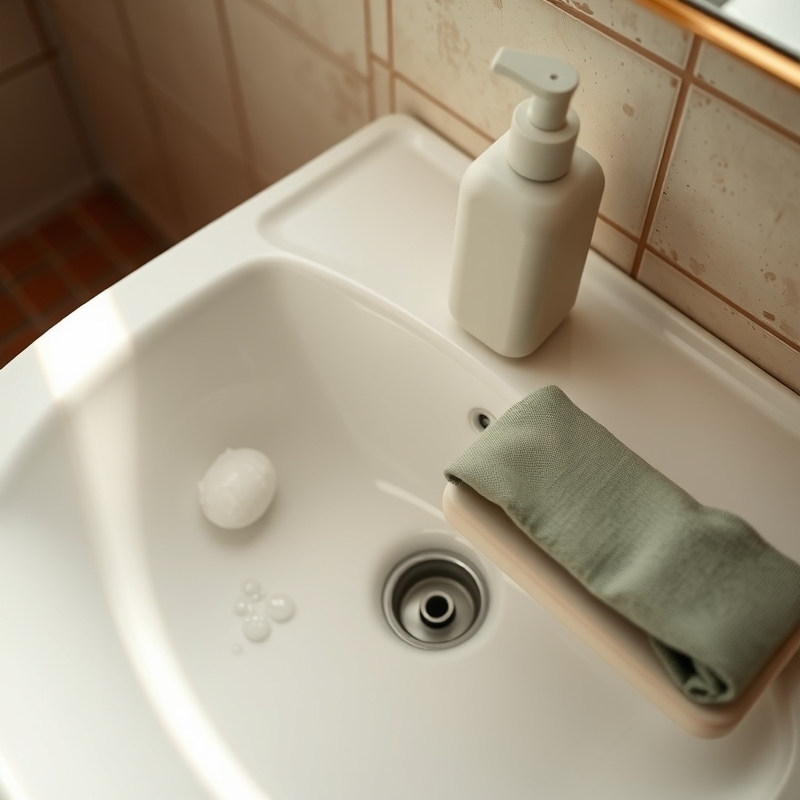
Korean men double cleanse not because they wear makeup, but because sunscreen doesn’t come off with water alone. This is the single biggest gap between Korean and Western men’s routines. In Western grooming culture, “washing your face” means one product, maybe a bar of soap. In Korea, it’s a two-step process — and the reason matters more than the ritual.
The first cleanse uses an oil-based cleanser. Oil dissolves oil, which means it breaks down sunscreen, excess sebum, and the invisible film of pollution that clings to skin throughout the day. The second cleanse uses a low-pH water-based foam or gel to wash away everything the oil loosened.
Why This Matters for Men Specifically
Men’s skin produces roughly more sebum than women’s skin on average, according to dermatological research on sebaceous gland activity. That means more oil sitting on the surface, mixing with sweat, trapping more grime. Without an oil cleanser, you’re essentially trying to clean a greasy pan with just water — it doesn’t work.
- Morning: Water-based cleanser only (or just water — many Korean men skip cleansing entirely in the morning)
- Evening: Oil cleanser first, then foam cleanser
- Total time: About 2 minutes combined
COSRX Low pH Good Morning Gel Cleanser
The second-step cleanser you’ll find in practically every Korean man’s bathroom — gentle enough to use daily without stripping skin, and the low pH means it won’t mess with your moisture barrier the way bar soap does.
(paid link)
See Why Reviewers Love This →
2. Toner — Not What You Think (Korean Men’s Skincare Redefines It)
In the West, “toner” means an astringent that strips oil and stings your face. In Korea, toner means the exact opposite — it’s a thin, watery layer of hydration applied immediately after cleansing. This difference confuses almost every Western man trying a Korean skincare routine for the first time.
Korean toners are called 스킨 (skin) in Korean — literally “skin water.” They’re meant to rebalance your skin’s pH after cleansing and prep it to absorb everything that follows. Think of it like dampening a sponge before trying to soak up liquid. Dry sponge repels; damp sponge absorbs.
How Korean Men Actually Apply It
Forget cotton pads. Most Korean men pour toner directly into their palms and press it into the skin. Some use the “7-skin method” — applying multiple thin layers for deeper hydration on dry winter days — but for daily use, one or two pats is standard.
- Look for: “Hydrating toner” or “skin” — avoid anything labeled “astringent” or “pore-minimizing”
- Key ingredients popular in Korea: Hyaluronic acid, centella asiatica, green tea
- What to avoid: High alcohol content (it defeats the purpose entirely)
3. Essence — The Korean Skincare Step That Doesn’t Exist in Western Routines
Essence is the most uniquely Korean step in any skincare routine, and it’s the one product category that has no Western equivalent. If you ask a Korean man to name the single product he’d keep from his entire routine — after sunscreen — there’s a good chance he’ll say essence.
An essence sits between toner and serum in texture. It’s lighter than a serum but more concentrated than a toner. Its job is deep hydration at the cellular level, and the most iconic version — SK-II Facial Treatment Essence — uses fermented yeast (pitera) that’s been a staple in Korean and Japanese skincare for decades.
Why Korean Men Prioritize Hydration Over “Anti-Aging”
Here’s a cultural insight that changes everything: Korean skincare philosophy treats hydration as the foundation of all skin health, not anti-aging serums or retinol. The logic is simple — dehydrated skin wrinkles faster, produces more oil to compensate, heals slower, and looks dull. Fix hydration first, and many other problems diminish on their own.
This is why Korean men’s routines look “basic” compared to the 15-product Western anti-aging regimens — they’re not ignoring skin concerns, they’re addressing the root cause instead of individual symptoms.
- When to apply: After toner, before serum or moisturizer
- How much: A coin-sized amount patted gently into the skin
- Popular Korean men’s choice: Innisfree Green Tea Seed Essence, Missha First Treatment Essence
4. Serum — Targeted Treatment (Korean Men Keep It Simple)
While Western skincare culture pushes men toward multi-serum routines targeting every concern simultaneously, Korean men typically use just one serum — if any at all. The philosophy here mirrors Korean cooking: use fewer, better ingredients rather than throwing everything in the pot.
The most popular serum category among Korean men right now isn’t anti-aging or brightening — it’s centella asiatica (cica) for calming irritation and reducing redness. This makes sense when you consider that most Korean men are shaving daily. Shaving is essentially light exfoliation, and irritated, razor-bumped skin needs calming, not aggressive treatment.
The “One Concern, One Serum” Rule
Korean dermatologists generally recommend picking your single biggest skin concern and choosing one serum for it:
- Post-shave irritation / redness: Centella (cica) serum
- Oily skin / large pores: Niacinamide serum
- Dull, tired-looking skin: Vitamin C serum (used in the morning)
- Dry patches or flaking: Hyaluronic acid serum
Layering three or four serums sounds thorough but often leads to pilling (products balling up on the skin), breakouts from ingredient conflicts, and a routine so time-consuming you’ll abandon it within a week. Korean men know this.
COSRX Advanced Snail 96 Mucin Power Essence
The product that sounds bizarre until you try it — snail mucin is a hydration powerhouse that Korean men swear by for calming post-shave skin and giving that “glass skin” look without any greasy residue.
(paid link)
Check Availability & Reviews →
5. Moisturizer — Why Korean Men Choose Gel Over Cream
Open any Korean man’s moisturizer and you’ll notice it immediately — it’s not a thick cream. It’s a lightweight gel or gel-cream that absorbs in seconds and leaves zero shine. This isn’t just preference; it’s a practical choice driven by how men’s skin actually works.
Because men’s skin tends to produce more sebum, heavy cream moisturizers often sit on top of the skin rather than absorbing, creating that uncomfortable greasy feeling that makes most Western men abandon moisturizer entirely. Korean brands solved this problem years ago by developing gel-type moisturizers that deliver hydration without the oil slick.
The “Chok-Chok” Standard
The Korean beauty ideal for men isn’t matte and dry — it’s “chok-chok” (촉촉), meaning dewy, bouncy, and well-hydrated. This is a fundamentally different beauty standard from the West, where men’s products aggressively market “matte finish” and “oil control.” Korean skincare says: your skin should look healthy and hydrated, not artificially dried out.
- Texture to look for: Water-gel, gel-cream, or “water bomb” — avoid anything labeled “rich” or “intensive” unless you have genuinely dry skin
- When to apply: As the last step before sunscreen (morning) or the final step (evening)
- Ingredient to notice: Many Korean men’s moisturizers contain birch sap or bamboo water for lightweight hydration
6. Sunscreen — The Non-Negotiable Step Korean Men Never Skip
Ask any Korean dermatologist the single most important skincare step, and the answer is unanimous: sunscreen, every single day, rain or shine, winter or summer. This isn’t a K-beauty trend — it’s treated as basic hygiene in Korea, like brushing your teeth. Skipping sunscreen in Korea is like skipping deodorant in the West — people notice.
But here’s what’s different about Korean sunscreens versus what’s available in most Western drugstores: Korean sunscreens feel like wearing nothing. No white cast, no greasy film, no heavy chemical smell. The texture technology in Korean sunscreens is genuinely years ahead of Western formulas, which is why they’ve become a gateway product for men worldwide getting into K-beauty.
Korean vs. Western Sunscreen: Why It Feels So Different
| Feature | Typical Western Sunscreen | Korean Sunscreen (Mid-Range) | Korean Sunscreen (Premium) |
|---|---|---|---|
| Texture | Thick, lotion-like | Lightweight gel or milk | Weightless, serum-like |
| White Cast | Often noticeable | Minimal to none | Completely invisible |
| Under Makeup/Moisturizer | Can pill or separate | Sits well under products | Works as a primer |
| Reapplication Feel | Heavy, layered buildup | Comfortable reapplication | Feels like first application |
| Price Range | Around $8-15 | Around $10-18 | Around $18-30 |
| SPF/PA Rating | SPF 30-50 | SPF 50+ / PA++++ | SPF 50+ / PA++++ |
The PA++++ rating on Korean sunscreens indicates the highest level of UVA protection — the type of UV that causes aging and penetrates through clouds and windows. Most Western sunscreens don’t even display a PA rating.
Beauty of Joseon Relief Sun Rice + Probiotics SPF50+
The sunscreen that converted thousands of men who “hated sunscreen” — it absorbs like a moisturizer, leaves absolutely no white cast on any skin tone, and doubles as a hydrating layer so you can streamline your morning routine.
(paid link)
Check Availability & Reviews →
7. Sheet Masks — The Weekly Korean Skincare Step Men Won’t Admit They Love
Sheet masks aren’t daily — they’re a weekly intensive treatment, and Korean men use them far more than most will openly discuss. In Korea, you can buy sheet masks at literally any convenience store for around $1-3 each. They’re not a luxury spa item — they’re as casual as grabbing a snack.
The cultural shift here is significant. Korean men have grown up seeing their fathers use sheet masks. It’s normalized in a way that’s still catching up in the West. Military service — mandatory for all Korean men — actually accelerates this. Imagine 20 guys in a barracks, half of them wearing sheet masks before bed. It stops being “weird” pretty quickly.
How Korean Men Actually Use Them
- Frequency: 1-3 times per week, usually in the evening
- Duration: 15-20 minutes (leaving it on longer actually dehydrates skin as the mask dries and pulls moisture back out)
- When: After toner, instead of essence and serum — the mask replaces those steps
- Popular move: Using a sheet mask after a hot shower when pores are open and absorption is highest
The leftover serum in the packet? Korean men pat that onto their neck and hands — nothing wasted.
Frequently Asked Questions
Is a Korean skincare routine for men really different from women’s?
The core steps are identical — the main differences are texture preferences and product formulations. Korean men tend to favor lighter, faster-absorbing textures because men’s skin produces more sebum. The routine itself (cleanse, hydrate, protect) is the same philosophy. Men’s-labeled products in Korea are mostly about fragrance and packaging rather than fundamentally different ingredients.
What happens if I skip toner in a Korean skincare routine?
Without toner, your moisturizer and serum absorb significantly less effectively. Toner balances your skin’s pH after cleansing and creates a hydrated base layer. Skipping it is like trying to water a bone-dry plant — most of the moisture runs off instead of soaking in. It takes 15 seconds and costs pennies per use.
How long before I see results from a Korean skincare routine?
Most men notice improved skin texture and hydration within 2-3 weeks of consistent use. Visible changes in skin clarity and reduced irritation typically appear within 4-6 weeks. Korean skincare is designed for gradual, sustainable improvement — it’s not about overnight transformation but about your skin steadily looking healthier each week.
Can I do a simpler 3-step Korean skincare routine for men?
Yes — cleanser, moisturizer, and sunscreen are the non-negotiable minimum that Korean dermatologists recommend. Start with just these three for 2-3 weeks, then add toner and essence as your skin adjusts. Building the habit with fewer products is far better than buying seven products and quitting after three days.
Why do Korean men care so much about skincare?
In Korean culture, well-maintained skin signals self-discipline, professionalism, and self-respect — similar to how a clean haircut or pressed shirt functions in Western professional culture. It’s not vanity; it’s social currency. Korean men grow up in a culture where caring for your appearance is simply part of being a functioning adult, not a gendered activity.
Key Takeaways
- Korean men’s skincare routines average 7 steps but take under 10 minutes — it’s about efficiency, not complexity
- Hydration is the foundation of Korean skincare philosophy, not anti-aging or acne treatment — fix moisture first, and many other problems diminish
- Essence is the uniquely Korean step with no Western equivalent — a lightweight hydrating liquid that delivers deep moisture without heaviness
- Korean sunscreens are years ahead in texture technology — invisible, lightweight, and comfortable enough that men actually use them daily
- Gel-cream moisturizers, not heavy creams, are what Korean men use because they absorb fast and don’t create oil buildup on naturally oilier skin
- Start with 3 steps (cleanser, moisturizer, sunscreen) and build up — consistency with fewer products beats an ambitious routine you’ll abandon
Tonight, swap one thing: replace your bar soap face wash with a low-pH gel cleanser. Use it for one week — your skin will feel different by day three, and you’ll understand why Korean men never went back.
This article contains affiliate links. If you purchase through these links, we may earn a small commission at no extra cost to you. We only recommend products we genuinely believe in.
You Might Also Like
- Korean Cooking Techniques You’re Getting Wrong
- Korean Recipes for Beginners: Stir-Fry vs Stew vs Rice Bowl
- Korean Convenience Store Must Buy: 15 Items Locals Grab