Korean plant-based cooking includes tofu dishes, vegetable banchan, noodles, porridges, and temple-cuisine methods. The nine recipes below focus on ingredients and techniques that can be prepared without meat, fish, dairy, or eggs. Ingredient labels still need checking because products such as kimchi, stock, sauces, and prepared pastes may contain fish or other animal-derived ingredients.
Quick-Pick Summary: 9 Korean Vegan Recipes at a Glance
| Recipe | Difficulty | Time | Best For |
|---|---|---|---|
| Kongnamul Gukbap (Soybean Sprout Soup) | Easy | 20 min | Weeknight comfort meal |
| Japchae (Glass Noodle Stir-Fry) | Medium | 30 min | Dinner parties, meal prep |
| Kongguksu (Cold Soy Milk Noodles) | Medium | 25 min + soaking | Hot summer days |
| Gamja Jorim (Soy-Braised Potatoes) | Easy | 25 min | Side dish, bento box |
| Tteokbokki (Spicy Rice Cakes) | Easy | 15 min | Snack, quick lunch |
| Hobak Juk (Sweet Pumpkin Porridge) | Easy | 30 min | Breakfast, sick days |
| Dubu Jorim (Spicy Braised Tofu) | Easy | 20 min | Protein-rich side dish |
| Sigeumchi Namul (Sesame Spinach) | Very Easy | 10 min | Everyday banchan |
| Patjuk (Red Bean Porridge) | Medium | 50 min | Winter dessert, special occasions |
1. Kongnamul Gukbap — The Korean Vegan Recipe Every Seoul Worker Eats
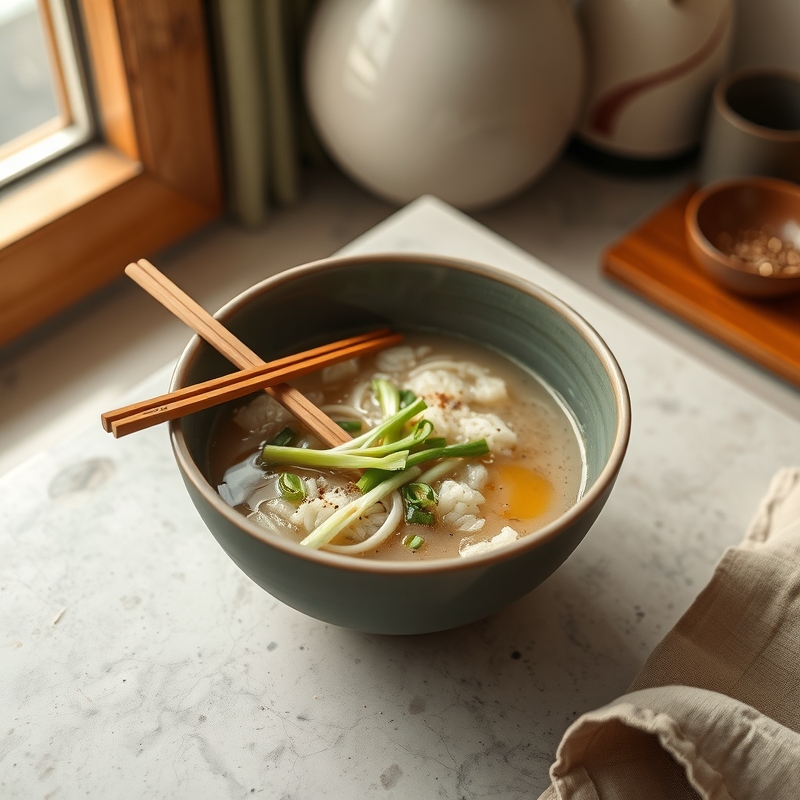
Kongnamul gukbap is the most underestimated soup in Korean cooking — just soybean sprouts, garlic, kelp stock, and rice, yet it’s the go-to hangover cure and weeknight dinner across Korea. Walk into any 24-hour restaurant near a Seoul subway station, and this is what half the tables are eating at midnight.
The trick most recipes miss: you need to keep the lid on for the entire cooking time. Soybean sprouts release a raw, beany smell if you lift the lid during cooking. Korean grandmothers are strict about this rule — lid stays shut for a full 15 minutes.
How to Make It
- Bring 4 cups of kelp (dasima) stock to a boil
- Add 200g soybean sprouts, 3 minced garlic cloves, 1 tablespoon soy sauce, and a pinch of salt
- Cover tightly — do not open the lid — and simmer for 15 minutes
- Ladle over a bowl of cooked rice, finish with sliced scallions and a drizzle of sesame oil
Without the kelp stock, this soup tastes flat and one-dimensional. The kelp provides the glutamate backbone that replaces anchovy stock in the vegan version — and honestly, many Korean home cooks prefer it this way.
2. Japchae — The Korean Vegan Glass Noodle Dish Hiding in Plain Sight
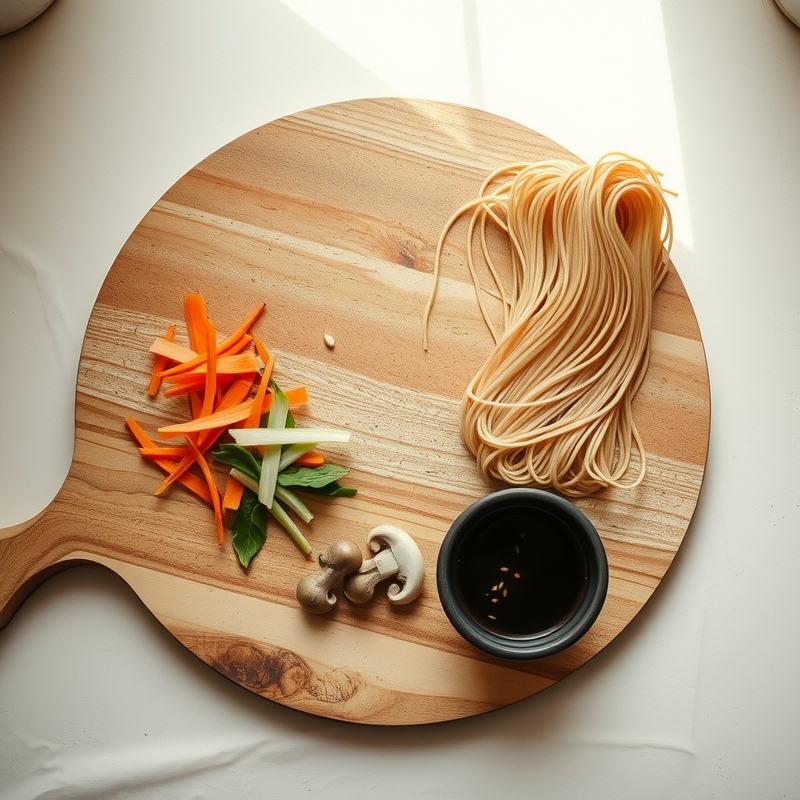
Japchae was originally a royal court dish made entirely with vegetables — beef was added later as meat became more accessible in the 20th century. The version you’ll find at Korean temple stays (templestay) is still 100% plant-based, and most Koreans agree it tastes just as good.
The secret is cooking each vegetable separately before combining. It sounds tedious, but this is why restaurant japchae tastes different from yours. Spinach, carrots, mushrooms, and peppers each get their own quick sauté so nothing is overcooked or undercooked.
Key Ingredients
- Dangmyeon (sweet potato glass noodles) — not rice noodles, not cellophane noodles. This specific noodle has a chewy, bouncy texture that holds sauce differently
- Shiitake mushrooms (dried, then rehydrated — the soaking liquid becomes part of your sauce)
- Sesame oil + soy sauce + a touch of sugar for the glaze
- Spinach, carrots, bell pepper, onion — julienned thin
A common mistake: tossing everything into one pan. Each vegetable releases different amounts of water at different rates. Stir-fry them individually for 1-2 minutes each, then toss everything together with the noodles and sauce at the end.
3. Kongguksu — The Cold Soy Milk Noodle Soup Koreans Wait All Year For
Kongguksu is a seasonal Korean vegan recipe served only in summer — a chilled broth made from freshly ground soybeans poured over wheat noodles. Most Korean restaurants only offer it from June through August. When kongguksu appears on the menu board, Koreans know summer has officially started.
This dish is the opposite of everything Western cooking teaches about soup. It’s cold, unseasoned (you add salt at the table), and the broth is thick like milk. The first spoonful confuses your brain — and then you can’t stop eating.
The Method
- Soak dried soybeans overnight (or at least 8 hours)
- Boil the soaked beans for 15 minutes, then drain
- Blend with cold water until completely smooth — strain if you want a silkier texture
- Chill the soy broth thoroughly (it must be ice-cold)
- Cook wheat noodles (somyeon), rinse under cold water, place in a bowl
- Pour the cold soy broth over the noodles, garnish with cucumber and sesame seeds
The ratio matters: roughly 1 cup of soaked soybeans to 2 cups of water gives you the right creamy thickness. Too watery and you lose the whole point.
4. Gamja Jorim — The Soy-Braised Potato Side Dish in Every Korean Fridge
Gamja jorim is arguably the most-cooked banchan (side dish) in Korean households — small potatoes braised in soy sauce, garlic, and a touch of corn syrup until glossy and slightly sweet. Open any Korean home cook’s fridge on a Sunday evening, and there’s a container of these waiting for the week ahead.
What makes this different from any other braised potato: the sauce reduces until it coats each piece in a sticky, savory-sweet glaze. You’re not making potatoes in sauce — you’re making potatoes that absorbed the sauce.
Quick Recipe
- Cut 3-4 medium potatoes into bite-sized pieces (don’t peel — the skin holds them together)
- Combine 3 tablespoons soy sauce, 1 tablespoon sugar or corn syrup, 1 cup water, 2 minced garlic cloves
- Add potatoes, bring to a boil, then simmer uncovered for 20 minutes
- The liquid should reduce to a thick glaze — toss gently so each piece is coated
- Finish with a sprinkle of sesame seeds
These keep in the fridge for up to five days and actually taste better the next day as the flavors deepen. That’s the whole point of banchan — cook once, eat all week.
5. Tteokbokki — The Korean Vegan Street Food You Already Know
The standard street-vendor tteokbokki sauce is naturally vegan — gochugaru (red pepper flakes), gochujang (red pepper paste), soy sauce, sugar, and water. Most food blogs add anchovy stock or fish cake, but the original street-cart version in many parts of Korea keeps it simple: just rice cakes in spicy sauce.
Here’s what most people outside Korea don’t realize: tteokbokki wasn’t always spicy. The royal court version (gungjung tteokbokki) used soy sauce instead of gochujang. The fiery red version only became popular in the 1950s. Both versions can be completely plant-based.
15-Minute Vegan Tteokbokki
- Soak 300g of rice cakes (tteok) in warm water for 10 minutes if frozen
- In a pan, combine 1.5 cups water, 2 tablespoons gochugaru, 1 tablespoon gochujang, 1 tablespoon soy sauce, 1 tablespoon sugar
- Bring to a boil, add rice cakes, simmer for 8-10 minutes until the sauce thickens and the rice cakes are soft and chewy
- Add sliced scallions in the last minute
Without enough sauce reduction, tteokbokki tastes watery and the rice cakes feel plain. Let it bubble until the sauce clings — that sticky, glossy coating is everything.
6. Hobak Juk — The Sweet Pumpkin Porridge Koreans Eat When Life Gets Hard
Hobak juk is the dish Korean families make after surgery, during illness, or on the coldest winter mornings — a silky-smooth sweet pumpkin porridge thickened with rice flour. It’s one of those foods that functions more like a hug than a meal.
In Korean culture, juk (porridge) is the first food you eat after being sick, the first solid food babies eat, and the comfort food adults crave when they’re exhausted. Hobak juk specifically uses danhobak (kabocha-type squash), which is naturally sweeter and starchier than Western pumpkin varieties.
How to Make It
- Steam or boil 400g of kabocha squash until completely soft (about 15 minutes)
- Blend with 2 cups of water until smooth
- Pour into a pot, add 2 tablespoons of sweet rice flour (chapssalgaru) mixed with a little cold water
- Stir constantly over medium heat until it thickens to porridge consistency
- Season with a pinch of salt and a small spoonful of sugar
- Optional: drop in small rice cake balls (saealsim) for texture
The rice flour is non-negotiable. Without it, you have pumpkin soup. With it, you have juk — thicker, silkier, and more sustaining.
7. Dubu Jorim — The Spicy Braised Tofu That Makes Side Characters the Star
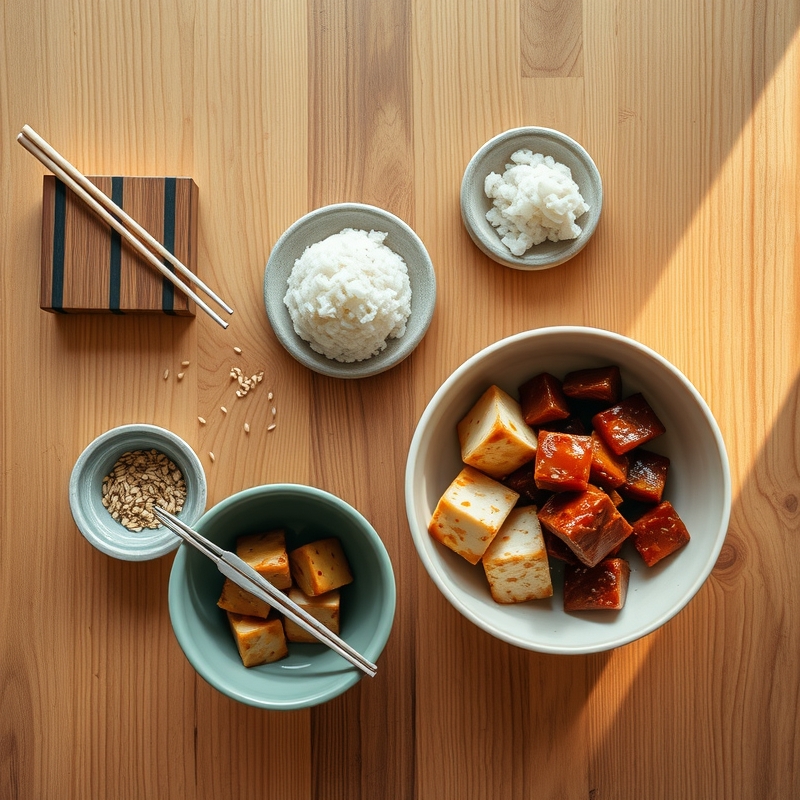
Dubu jorim transforms plain tofu into something addictive — pan-fried slabs braised in a spicy soy-gochugaru sauce until the edges caramelize and the inside stays creamy. In Korean homes, this is never the main event. It sits quietly among five or six other banchan. But it’s the one you keep reaching for.
The difference between forgettable tofu and great dubu jorim is one step: pan-frying first. Most Western tofu recipes skip this. Korean cooks always sear the slices until golden on both sides before adding the sauce. This creates a firm exterior that holds up in the braise and absorbs sauce into every crack.
The Sauce (This Is Everything)
- 2 tablespoons soy sauce, 1 tablespoon gochugaru, 1 teaspoon sesame oil
- 2 minced garlic cloves, 1 sliced scallion, 1 teaspoon sugar
- 3 tablespoons water to loosen the sauce
- Pour over pan-fried tofu, simmer 5 minutes until sauce reduces and clings
Use firm tofu, not silken. Silken tofu falls apart the moment you try to flip it in the pan. Firm tofu gives you that golden crust outside with a soft, custardy center — the contrast is the whole point.
8. Sigeumchi Namul — The 10-Minute Korean Vegan Side Dish You’ll Make Forever
Sigeumchi namul takes exactly three ingredients — spinach, sesame oil, and garlic — and 10 minutes of your time, yet it appears at nearly every Korean meal. This is the banchan that proves Korean cooking isn’t complicated — it’s precise.
The technique that separates good namul from great: squeeze the blanched spinach hard. Korean cooks grab a fistful and wring it like a towel. If any water stays trapped, the sesame oil can’t coat the leaves properly and the dish tastes diluted instead of concentrated.
The Exact Process
- Blanch a full bunch of spinach in boiling water for exactly 30 seconds — not longer
- Immediately transfer to ice water to stop the cooking
- Squeeze out every drop of water (seriously, squeeze harder than you think)
- Cut into 3-inch lengths, then toss with 1 tablespoon sesame oil, 1 minced garlic clove, 1 teaspoon soy sauce, and a pinch of salt
- Finish with a sprinkle of sesame seeds
This keeps in the fridge for three to four days. Make a big batch on Sunday and you have banchan ready for every meal. That’s how Korean home cooks actually operate — not cooking from scratch daily, but rotating prepared side dishes.
9. Patjuk — The Red Bean Porridge With 600 Years of Korean History
Patjuk is a sweet red bean porridge traditionally eaten on the winter solstice (Dongji) — Koreans have served it on this day for over six centuries to ward off bad energy. It’s one of the few Korean dishes where the cultural ritual is inseparable from the recipe itself.
Unlike Japanese red bean desserts, Korean patjuk is less sweet and more porridge-like. It’s thick, warm, and earthy, with small chewy rice cake balls (saealsim) floating inside. The rice balls are made by hand — just sweet rice flour and water, rolled between your palms.
How to Make It
- Boil 1 cup of dried red beans (pat) in plenty of water until completely soft — about 40 minutes
- Blend half the beans with the cooking liquid for a smooth base, keep the other half whole for texture
- Mix sweet rice flour with warm water, roll into small marble-sized balls (saealsim)
- Bring the bean broth to a simmer, add the rice balls, cook until they float (about 3 minutes)
- Season with a pinch of salt and sugar to taste
The common shortcut in Korea: use canned red beans for the smooth base and cook a small batch of whole beans separately. Nobody will judge you — even Korean convenience stores sell instant patjuk during winter.
Korean Vegan Recipes: Method Comparison
| Factor | Traditional Korean Vegan (Temple-Style) | Adapted Korean Vegan (Substitutions) | Western Vegan with Korean Flavors |
|---|---|---|---|
| Stock Base | Kelp + dried shiitake (naturally umami-rich) | Vegetable broth replacing anchovy stock | Store-bought vegetable broth |
| Umami Source | Doenjang, soy sauce, mushrooms, perilla | Same as traditional + nutritional yeast sometimes | Nutritional yeast, liquid aminos, miso |
| Authenticity | Centuries of refined technique from Korean temple cuisine | Close to original, minor swaps | Korean-inspired, not Korean |
| Ingredient Availability | Korean grocery or H Mart needed | Mostly Korean grocery, some substitutes from regular stores | Regular supermarket |
| Flavor Depth | Deep, layered, built over time | Very close to traditional | Simplified, sometimes one-note |
| Learning Curve | Medium — specific techniques matter | Easy — familiar if you cook Korean food | Easy — uses familiar Western methods |
| Budget focus | Whole ingredients and pantry staples | Some Korean specialty ingredients | More packaged substitutes may be needed |
Sempio Korean Soy Sauce for Soup (Guk-Ganjang)
This lighter, saltier soy sauce is what Korean cooks actually use for soups and namul — regular soy sauce darkens the color and changes the flavor profile entirely. One bottle lasts months and transforms every recipe on this list.
(paid link) Check Availability & Reviews →
Korean Sweet Potato Glass Noodles (Dangmyeon)
These chewy, translucent noodles are the foundation of japchae and completely different from any other noodle you’ve used. Once you cook with real dangmyeon, the rice noodle substitutes will never feel right again.
(paid link) See Why Reviewers Love This →
Frequently Asked Questions
Is traditional Korean food naturally vegan?
Many traditional Korean dishes — especially banchan (side dishes) and temple cuisine — are naturally vegan without any modification. Korean Buddhist temple cooking, which dates back over a thousand years, is entirely plant-based and avoids even garlic and onion. However, mainstream Korean cooking frequently uses anchovy stock, fish sauce, and shrimp paste, so you need to check each dish individually.
What changes when regular soy sauce replaces Korean soup soy sauce?
Your dish will taste noticeably saltier and look darker than intended. Korean soup soy sauce (guk-ganjang) is lighter in color and has a more complex, fermented flavor compared to regular soy sauce. For soups and namul, it makes a real difference. If you can’t find it, use about half the amount of regular soy sauce and add a pinch of salt separately.
Can these Korean vegan recipes be made without a Korean grocery store?
You can make about half of these recipes with regular supermarket ingredients, but the other half really do need Korean-specific items. Soy sauce, tofu, spinach, and potatoes are universal. But dangmyeon noodles, gochugaru flakes, tteok rice cakes, and sweet rice flour are hard to substitute accurately. Online retailers and H Mart (if you’re in the US) are your best options.
What’s the biggest mistake people make with Korean vegan cooking?
The most common mistake is skipping the kelp-and-mushroom stock and using plain water instead. Korean cooking — even the vegan kind — depends heavily on umami-rich liquid bases. A 10-minute kelp and dried shiitake stock takes almost no effort but completely changes the flavor depth of soups, stews, and braised dishes.
How do Korean vegans get enough protein?
Korean plant-based eating naturally includes multiple protein sources in a single meal — tofu, soybean sprouts, red beans, and fermented soybean paste (doenjang) are daily staples. A typical Korean vegan meal with kongnamul guk, dubu jorim, and rice easily provides a substantial amount of plant protein without any special planning.
Key Takeaways
- Korean vegan cooking isn’t an adaptation — it’s the original. Temple cuisine has been entirely plant-based for over a thousand years, predating modern veganism by centuries.
- Kelp and dried shiitake stock replaces anchovy stock in every recipe on this list, and many Korean home cooks already prefer it for its cleaner flavor.
- Banchan (side dishes) are the easiest entry point — gamja jorim, sigeumchi namul, and dubu jorim each take under 25 minutes and keep in the fridge for days.
- The “cook each vegetable separately” rule is the single technique that will most improve your Korean cooking, vegan or otherwise.
- Korean soup soy sauce (guk-ganjang) is a different product from regular soy sauce — using the right one noticeably changes the taste of soups and namul dishes.
- Many of these recipes rely on whole ingredients rather than packaged meat substitutes, but ingredient availability varies by location.
Tonight, try the sigeumchi namul. Blanch a bunch of spinach for 30 seconds, squeeze it dry, and toss it with sesame oil and garlic — in 10 minutes, you’ll have a banchan that tastes exactly like the ones served at Korean restaurants, and you’ll start to understand why Korean cooks have never needed to reinvent their food for a plant-based world.