A Korean dermatologist once told a packed lecture hall in Gangnam that the single most common mistake her foreign patients make isn’t choosing the wrong products — it’s applying them in the wrong order at night, which can reduce absorption by up to half. She watched patient after patient layer expensive serums over heavy creams, essentially locking active ingredients out of their own skin. If you’ve been following a Korean skincare night routine and wondering why your skin still looks dull by morning, the problem probably isn’t what you’re using — it’s how and when you’re using it.
Here are 5 fixes that transform a frustrating routine into one that actually delivers results while you sleep.
Signs Your Korean Skincare Night Routine Isn’t Working
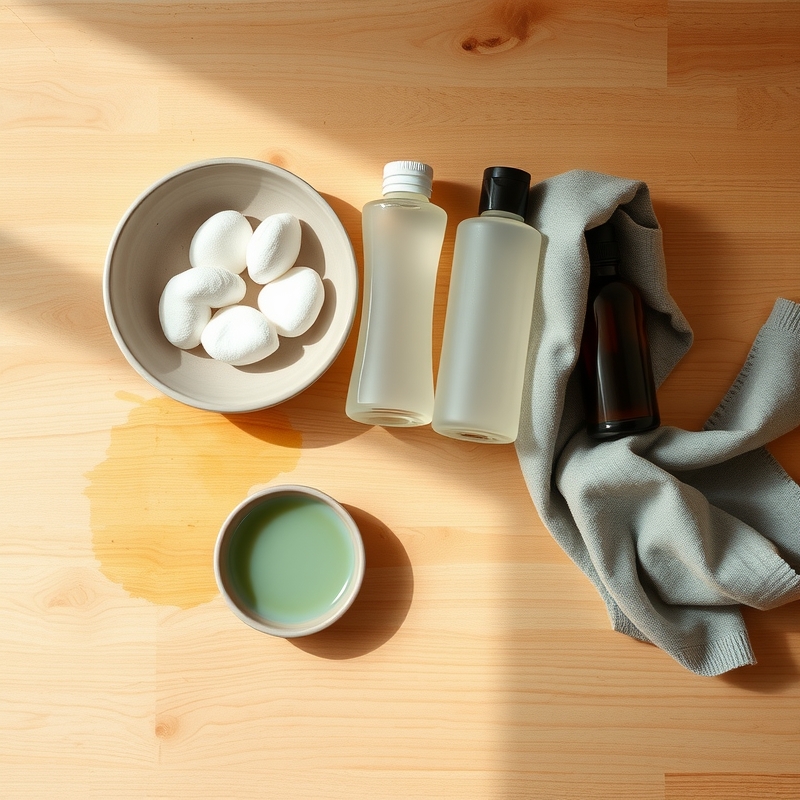
If your skin feels tight, greasy, or looks the same as it did three months ago, your routine is working against you — not for you. Most people assume they need better products. In reality, they need a better process. Before changing a single bottle on your shelf, check for these warning signs.
- You wake up with an oily T-zone but dry, flaky cheeks
- Your pillowcase has visible product transfer every morning
- Serums and essences seem to “sit” on your skin instead of absorbing
- You break out more after starting your routine, not less
- Your skin looks dull and congested despite using brightening products
- Night creams feel sticky hours after application
If you checked even two of those boxes, keep reading. The fixes below are exactly what Korean skincare routines get right — and what most people following them abroad get wrong.
5 Korean Skincare Night Routine Mistakes (and How to Fix Each One)
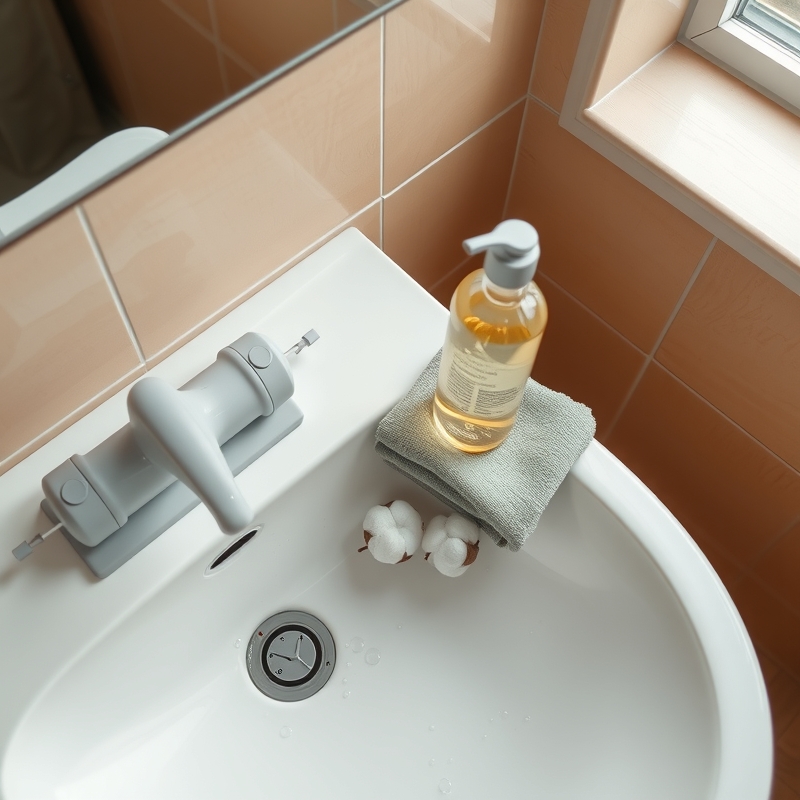
Mistake 1: Skipping Oil Cleanser or Using It Wrong
Double cleansing at night is non-negotiable in Korean skincare — and using only foam cleanser removes surface dirt but leaves behind sunscreen, makeup, and sebum that clog pores overnight. Oil-based cleansers dissolve oil-based impurities because of a basic chemistry principle: like dissolves like. Without this first step, every product you layer afterward sits on a film of oxidized sunscreen and pollution residue.
The fix: Apply oil cleanser to dry skin first (not wet — water creates a barrier between the oil and your skin’s oils). Massage for 60 seconds minimum. Emulsify with a splash of lukewarm water, then rinse. Follow with a gentle water-based cleanser. Your skin should feel clean but never tight or squeaky.
Mistake 2: Applying Products Thick-to-Thin
This is where most routines fall apart. Korean skincare follows a strict thin-to-thick layering rule at night — toner, essence, serum, ampoule, cream — because thinner, water-based products cannot penetrate through heavier, oil-based layers. If you apply your moisturizer before your serum, you’ve essentially built a wall.
Think of it this way: you wouldn’t put a raincoat on and then try to apply sunscreen underneath it. Same logic. Research on transepidermal water loss shows that occlusives (thick creams, sleeping masks) work by trapping moisture underneath — which only helps if the moisture is already there.
The fix: Line up your products from most watery to most creamy. Apply each layer with gentle patting motions, waiting 30-60 seconds between steps for absorption.
Mistake 3: Using Actives Every Single Night
Korean skincare philosophy prioritizes the skin barrier above all else — which means actives like retinol, AHA, and vitamin C are used 2-3 nights per week, not daily. Most Korean women alternate between “active nights” and “recovery nights.” Western skincare culture tends to push daily actives, and the result is often a compromised moisture barrier that leads to redness, sensitivity, and — ironically — more breakouts.
Research published through the National Library of Medicine confirms that skin permeability increases at night, meaning your skin absorbs more of everything after dark — including irritants. Going heavy on actives every night is like running a marathon daily and wondering why your knees hurt.
The fix: Designate 2-3 nights per week for actives (retinol OR AHA — not both the same night). On alternate nights, focus on hydration and barrier repair with ceramide-rich products and sleeping masks.
Mistake 4: Ignoring Wait Times Between Layers
Layering products back-to-back without absorption time causes pilling, reduced efficacy, and that sticky feeling that transfers onto your pillowcase. There’s a reason Korean skincare routines feel meditative — each step has a purpose and a pause.
The fix: Wait 30-60 seconds between hydrating layers (toner, essence, serum). Wait a full 10-15 minutes after applying actives like retinol or AHA before moving to the next step. This isn’t wasted time — your skin’s absorption rate is highest in the first few minutes after cleansing, and spacing layers ensures each one penetrates properly.
Mistake 5: Skipping Sleeping Mask on Recovery Nights
A sleeping mask is the final seal in a Korean night routine — and skipping it means hours of moisture evaporation while you sleep. Most people outside Korea treat sleeping masks as an occasional treat. In Korea, they’re a regular step, especially on recovery nights when the goal is maximum hydration without active irritation.
The fix: On nights when you skip actives, finish your routine with a thin layer of sleeping mask. You don’t need a thick glob — a pea-sized amount pressed gently over your last moisturizing step creates a breathable moisture barrier that works until morning.
Korean Skincare Night Routine: The Correct Order
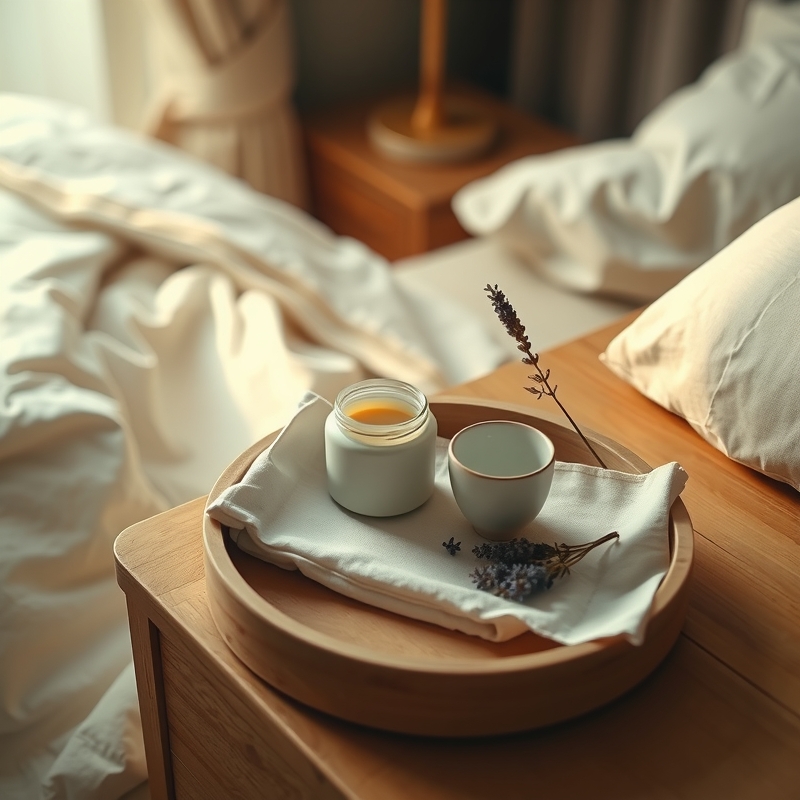
The complete Korean skincare night routine follows 7-9 steps, but not every step is used every night. Here’s the exact framework Korean women follow, adapted for practical use:
- Oil cleanser — dissolve sunscreen, makeup, sebum (every night)
- Water-based cleanser — remove remaining impurities (every night)
- Exfoliant / Active — AHA, BHA, or retinol (2-3 nights per week only)
- Toner — balance pH, prep skin for absorption (every night)
- Essence — lightweight hydration layer (every night)
- Serum / Ampoule — targeted treatment (every night, rotate concerns)
- Eye cream — thinner skin around eyes needs dedicated care (every night)
- Moisturizer — lock in hydration (every night)
- Sleeping mask — final occlusive seal (recovery nights, 3-4 per week)
The key insight most people miss: steps 3 and 9 alternate. On nights you use actives (step 3), you typically skip the sleeping mask (step 9) to avoid trapping irritating ingredients against your skin. On recovery nights, you skip actives and seal everything with a sleeping mask instead.
Active Nights vs. Recovery Nights: What to Use When
Splitting your week between active and recovery nights is the single most overlooked Korean skincare strategy — and it’s the reason Korean routines deliver results without irritation. Here’s what a typical week looks like:
| Feature | Active Night (Mon/Wed/Fri) | Recovery Night (Tue/Thu/Sat/Sun) |
|---|---|---|
| Goal | Treat specific concerns | Repair and deeply hydrate |
| Actives used | Retinol OR AHA/BHA (not both) | None — hydration only |
| Wait time after active | 10-15 minutes before next step | N/A — no waiting needed |
| Final step | Moisturizer only | Sleeping mask over moisturizer |
| Best for skin type | All types (frequency varies) | All types — especially sensitive |
| Typical product count | 6-7 products | 7-8 products |
| Results timeline | Visible in 4-6 weeks | Immediate next-morning glow |
| Cost per night | Around $2-4 per use | Around $1-3 per use |
Notice the recovery column has more steps but costs less — that’s because hydrating products (toners, essences, sleeping masks) are generally more affordable than actives. The middle path of alternating nights gives you the treatment benefits without the barrier damage. It’s the approach Korean dermatologists generally recommend for long-term skin health.
한방 (Hanbang) and the Korean Philosophy Behind Night Skincare
Korean night skincare isn’t just a product routine — it’s rooted in 한방 (hanbang), the centuries-old Korean herbal medicine tradition that treats the body as an interconnected system. Walk into any Korean pharmacy and you’ll find skincare lines built on ingredients like 인삼 (insam, ginseng), 쑥 (ssuk, mugwort), and 녹차 (nokcha, green tea) — not because they’re trendy, but because they’ve been used in Korean medicine for generations.
In Korean households, nighttime skincare is treated almost like a 의식 (uisik, ritual). Grandmothers in Korea didn’t have 12-step routines, but they did have a consistent habit: cleanse thoroughly, apply something nourishing, and let the skin rest. The modern Korean night routine is essentially this grandmother wisdom scaled up with better formulations.
The hanbang approach also explains why Korean night products emphasize restoration over transformation. Instead of aggressive overnight peels, you’ll find fermented rice extracts, centella asiatica, and snail mucin — ingredients that work with your skin’s natural overnight repair cycle rather than forcing chemical change. The American Academy of Dermatology echoes this principle, recommending nighttime routines focused on repair and hydration rather than aggressive treatment.
This is what separates a Korean skincare night routine from simply applying Korean products at night. The philosophy is patience, consistency, and respect for the skin’s own healing process — not a race to see how many actives you can stack before bed.
Recommended Products for Your Korean Skincare Night Routine
Oil Cleanser
Innisfree Green Tea Cleansing Oil — lightweight enough for oily skin, removes waterproof sunscreen in one round, and most Korean beauty stores carry it for under $15
Innisfree Green Tea Cleansing Oil
The first step that makes every other step work — this dissolves a full day of sunscreen and city grime without stripping moisture, so your serums can actually reach your skin.
(paid link) Check Availability & Reviews →
Essence
COSRX Advanced Snail 96 Mucin Power Essence — the single most repurchased essence in Korean beauty communities, and one bottle lasts 3-4 months of nightly use
COSRX Advanced Snail 96 Mucin Power Essence
This is what makes the “next-morning glow” real — a lightweight hydration layer that plumps dehydrated skin overnight without clogging a single pore. The texture feels strange for exactly two seconds, then your skin drinks it.
(paid link) See Why Reviewers Love This →
Sleeping Mask
Laneige Water Sleeping Mask — the recovery-night essential that sealed Korea’s reputation for “glass skin,” around $15-25 depending on size
Laneige Water Sleeping Mask
On recovery nights, this is the final seal that keeps 8 hours of hydration from evaporating into your pillow. You wake up with skin that feels like it drank water all night — because it basically did.
(paid link) View Current Price →
Frequently Asked Questions
What happens if I don’t double cleanse at night?
Skipping oil cleanser at night means sunscreen and sebum residue stay on your skin for 8+ hours, clogging pores and preventing every other product from absorbing. A water-based cleanser alone cannot dissolve oil-based impurities — it’s like trying to wash a greasy pan with just water. Over time, this leads to congestion, dullness, and breakouts that no serum can fix.
How long should a Korean skincare night routine take?
A complete Korean night routine takes about 15-20 minutes, including wait times between layers. Instead of a 45-minute ordeal, you can streamline by prepping products in order on your counter before starting. On recovery nights without actives, you can cut wait times and finish in under 10 minutes.
Can I use retinol and AHA on the same night?
Korean dermatologists generally advise against using retinol and AHA on the same night because both increase skin sensitivity and can compromise the moisture barrier. Alternate them — for example, retinol on Monday and Wednesday, AHA on Friday. This gives your skin 48 hours to recover between actives while still getting the benefits of both.
Do I really need a separate eye cream at night?
The skin around your eyes is significantly thinner than the rest of your face and loses moisture faster overnight. Regular moisturizers can be too heavy for this area, causing milia (tiny white bumps), while skipping it entirely leads to fine lines from dehydration. A lightweight, dedicated eye cream applied with your ring finger (lightest pressure) addresses this specific need.
What if I have oily skin — should I skip moisturizer at night?
Skipping moisturizer with oily skin actually triggers more oil production, because your skin overcompensates for the lost hydration. Choose a gel-type or water-based moisturizer instead of a heavy cream. Korean brands specifically formulate lightweight night moisturizers for oily skin types — look for “gel cream” or “water cream” on the label.
Key Takeaways
- Korean skincare night routines follow a strict thin-to-thick layering order — applying products in the wrong sequence can reduce absorption significantly and waste your investment in good products.
- Alternating between “active nights” and “recovery nights” is the strategy Korean women use to get results from actives without destroying their skin barrier — this is the most overlooked step in K-beauty abroad.
- Double cleansing with oil cleanser first is non-negotiable at night — without it, sunscreen and sebum residue block every product you apply afterward.
- Sleeping masks replace actives on recovery nights, not in addition to them — they seal in hydration without trapping irritants against your skin.
- Wait times between layers matter more than the products themselves — 30-60 seconds between hydrating steps and 10-15 minutes after actives is the difference between absorption and pilling.
- The Korean approach is rooted in 한방 (hanbang) philosophy: restoration over aggression, working with your skin’s natural overnight repair cycle rather than forcing chemical change.
Tonight, try just one change: line up your products from thinnest to thickest, and wait 60 seconds between each layer. Check your pillowcase in the morning — if there’s less product transfer than usual, your skin is finally absorbing what you’re giving it.
This article contains affiliate links. If you purchase through these links, we may earn a small commission at no extra cost to you. We only recommend products we genuinely believe in.
You Might Also Like
- 5 Overlooked Korean Skincare Steps for Combination Skin
- 7 Korean BBQ Recipes Koreans Actually Cook at Home
- 12 Korean Phrases for Travel You’ll Wish You Knew Sooner