Most Korean BBQ recipes online teach you restaurant-style grilling — but Korean families at home cook a completely different lineup. My aunt in Daegu hasn’t ordered bulgogi at a restaurant in years because her pear-and-soy marinade puts every 고깃집 (gogitjip, meat restaurant) to shame. The real Korean BBQ playbook includes 7 go-to recipes that rotate through Korean households weekly, and only two of them even require a marinade. Here are the exact cuts, ratios, and techniques that Koreans actually use at home.
Quick Pick: 7 Korean BBQ Recipes at a Glance
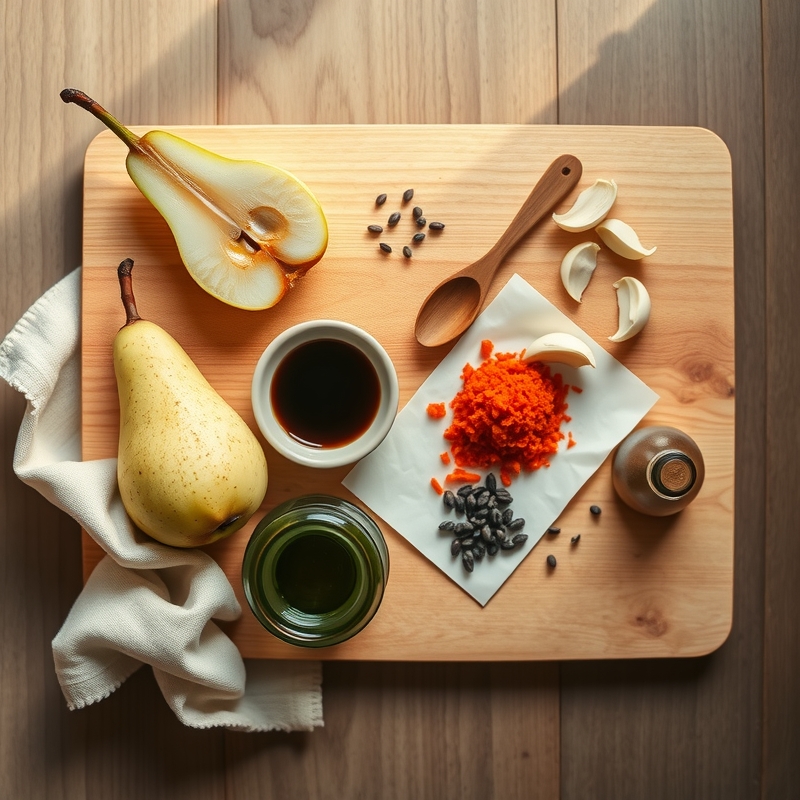
| Recipe | Protein | Prep Time | Marinade Needed? | Difficulty |
|---|---|---|---|---|
| Bulgogi (불고기) | Beef sirloin | 30 min + 2 hr marinate | Yes | Easy |
| LA Galbi (LA갈비) | Beef short ribs | 20 min + 4 hr marinate | Yes | Easy |
| Yangnyeom Dwaeji (양념돼지) | Pork shoulder | 15 min + 1 hr marinate | Yes (spicy) | Easy |
| Samgyeopsal (삼겹살) | Pork belly | 5 min | No | Beginner |
| Dwaeji Galbi (돼지갈비) | Pork ribs | 20 min + 3 hr marinate | Yes | Medium |
| Dak Galbi (닭갈비) | Chicken thigh | 15 min + 30 min marinate | Yes (spicy) | Easy |
| Chadolbaegi (차돌박이) | Beef brisket | 2 min | No | Beginner |
1. Bulgogi (불고기) — The Korean BBQ Recipe Everyone Starts With
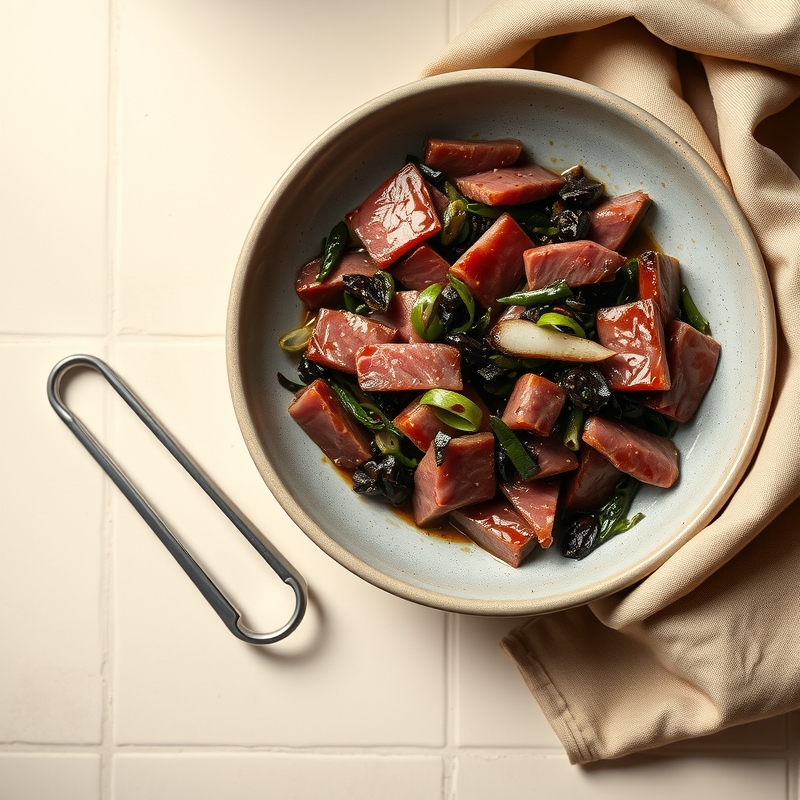
Bulgogi is Korea’s most iconic grilled dish, and the secret ingredient isn’t soy sauce — it’s grated Asian pear. The pear acts as a natural tenderizer, breaking down proteins while adding a subtle sweetness that sugar alone can’t replicate. Without it, your bulgogi will taste flat and chewy — this is the single step most non-Korean recipes skip.
The Real Bulgogi Marinade Ratio
- 450 g thinly sliced beef sirloin or rib eye (ask your butcher for 2 mm thickness)
- 3 tablespoons soy sauce
- 1 tablespoon sesame oil
- 1 tablespoon sugar
- ½ grated Asian pear (about 3 tablespoons of juice and pulp)
- 3 cloves minced garlic
- ½ onion, grated
- 1 tablespoon mirin
- Black pepper to taste
Mix everything and marinate for at least 2 hours, ideally overnight. Korean households grill bulgogi on a dome-shaped pan so the juices run down and caramelize — not on a flat grill where the liquid pools. This is why restaurant bulgogi tastes different from what most people make at home abroad.
If you’re exploring Korean home cooking beyond BBQ, a warming Korean breakfast soup pairs beautifully with leftover bulgogi rice the next morning.
2. LA Galbi (LA갈비) — The Korean BBQ Recipe for Impressing Guests
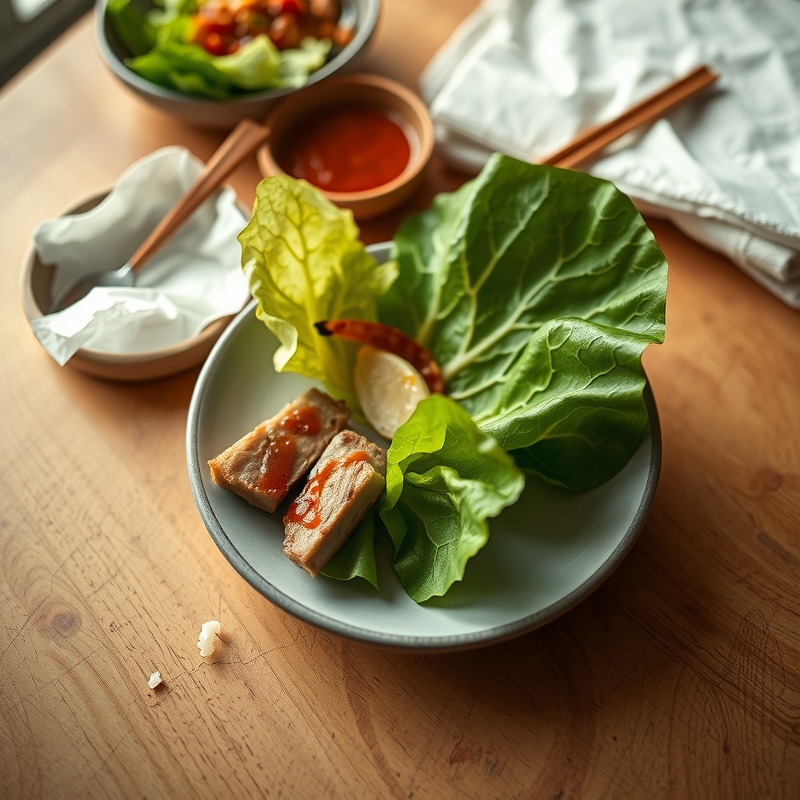
LA Galbi are cross-cut beef short ribs named after Los Angeles, where Korean butchers first popularized the thin lateral cut in the 1960s. The cut exposes more surface area to the marinade, which is why a 4-hour soak transforms these ribs completely. Most food blogs get the soy-to-sugar ratio wrong — too sweet, and it burns; too salty, and it masks the beef.
LA Galbi Marinade
- 1 kg LA-style beef short ribs
- 5 tablespoons soy sauce
- 2 tablespoons brown sugar
- 1 tablespoon honey
- ½ grated Asian pear
- 4 cloves garlic, minced
- 1 tablespoon sesame oil
- 2 tablespoons mirin
Soak the ribs in cold water for 30 minutes first to draw out excess blood — skipping this step gives the meat a metallic aftertaste that no amount of seasoning fixes. Marinate for 4 hours minimum. Grill over high heat for about 3 minutes per side until you see charred edges but the center stays juicy.
3. Yangnyeom Dwaeji Bulgogi (양념 돼지불고기) — Spicy Pork That Outsells Beef in Korea
In Korea, spicy marinated pork outsells beef bulgogi at most casual restaurants because it costs a third of the price and delivers bolder flavor. This is the lunch that office workers in Seoul eat three times a week, served sizzling on a hot plate with rice and 된장찌개 (doenjang-jjigae, soybean paste stew) on the side.
Spicy Pork Marinade
- 500 g pork shoulder or neck, sliced thin
- 3 tablespoons gochujang (Korean red pepper paste)
- 1 tablespoon gochugaru (Korean red pepper flakes)
- 2 tablespoons soy sauce
- 1 tablespoon sugar
- 1 tablespoon minced garlic
- 1 tablespoon sesame oil
- ½ onion, sliced
- 2 green onions, chopped
The trick Korean home cooks use: add a splash of Sprite or Cider (the Korean lemon-lime soda) to the marinade. The carbonation tenderizes the pork while adding a faint sweetness. Marinate for 1 hour, then grill on medium-high. The sugars in gochujang burn quickly, so watch the heat carefully.
4. Samgyeopsal (삼겹살) — No Marinade, No Fuss, All Flavor
Samgyeopsal — thick-cut pork belly grilled plain — is the single most popular Korean BBQ dish, and it requires zero preparation. That’s not a shortcut; it’s the point. Koreans believe the quality of the pork should speak for itself, and the magic happens in how you eat it: wrapped in lettuce with raw garlic, ssamjang (쌈장, a thick dipping paste), and a slice of grilled kimchi.
How to Grill Samgyeopsal Right
- Buy thick-sliced pork belly (around 1 cm thick) — thinner slices dry out
- No seasoning, no oil, no marinade
- Grill on high heat until both sides are golden and crispy (about 4 minutes per side)
- Cut into bite-sized pieces with scissors directly on the grill
- Wrap in lettuce with ssamjang, a raw garlic slice, and a piece of grilled kimchi
The pork belly itself provides all the fat you need — adding oil is a common mistake that makes the meat greasy instead of crispy. According to USDA food composition data, pork belly contains roughly 50% fat by weight, which is why it self-bastes during grilling and develops that signature crunch.
5. Dwaeji Galbi (돼지갈비) — The Backyard Korean BBQ Recipe for Crowds
If LA galbi is the elegant dinner party choice, dwaeji galbi (pork ribs) is the rowdy backyard crowd-pleaser. These sweet-savory pork ribs are what Korean families actually grill during holidays like 추석 (Chuseok, Korean Thanksgiving) when feeding a dozen relatives. Instead of a 45-minute smoking session, these cook in under 10 minutes per side because of the thin cut and sugar-heavy marinade.
Dwaeji Galbi Marinade
- 1 kg pork spare ribs (ask for Korean-style thin cut)
- 4 tablespoons soy sauce
- 2 tablespoons sugar
- 1 tablespoon honey
- 2 tablespoons mirin
- 3 cloves garlic, minced
- 1 tablespoon ginger juice
- 1 tablespoon sesame oil
- Black pepper
Marinate for at least 3 hours. The high sugar content means these ribs caramelize beautifully but burn fast — keep the grill at medium heat, not high. Turn frequently. You want sticky, lacquered edges, not charcoal.
6. Dak Galbi (닭갈비) — The Spicy Korean BBQ Recipe That’s Actually a Stir-Fry
Dak galbi technically isn’t grilled — it’s stir-fried on a large flat pan — but Koreans categorize it as BBQ because it’s cooked at the table. Originating from Chuncheon, a city northeast of Seoul, this dish is what Korean university students eat when they want BBQ flavor on a tight budget. Chicken thighs cost a fraction of beef, and the spicy gochugaru sauce makes them irresistible.
Dak Galbi Sauce and Method
- 500 g boneless chicken thighs, cut into chunks
- 2 tablespoons gochugaru
- 1 tablespoon gochujang
- 2 tablespoons soy sauce
- 1 tablespoon sugar
- 1 tablespoon minced garlic
- ½ cabbage, roughly chopped
- 1 sweet potato, sliced
- Korean rice cakes (떡, tteok) — about 1 cup
Marinate the chicken for 30 minutes. Stir-fry everything together on a large pan over high heat for 12-15 minutes. The hidden power move: once you’ve eaten the chicken, add rice and shredded cheese to the leftover sauce in the pan. This fried rice finale — called 볶음밥 (bokkeumbap) — is what Koreans consider the actual highlight of dak galbi.
7. Chadolbaegi (차돌박이) — The 2-Minute Korean BBQ Recipe
Chadolbaegi is paper-thin sliced beef brisket that cooks in under 30 seconds per side — it’s the fastest Korean BBQ recipe that exists. No marinade, no prep, no marinating time. You grill the translucent slices until they just curl and crisp at the edges, then dip in sesame oil mixed with salt and pepper. That’s it.
This is what Koreans order as their first round at a BBQ restaurant while they wait for galbi to finish marinating. At home, it’s the weeknight option when you have zero energy to prep but still want grilled meat.
How to Serve Chadolbaegi
- Buy pre-sliced beef brisket from a Korean grocery (frozen is fine — it’s sliced frozen anyway)
- Grill on the highest heat possible for 20-30 seconds per side
- Dip in sesame oil + salt + pepper (ratio: 2 tablespoons oil, ½ teaspoon salt, pinch of pepper)
- Wrap in perilla leaves (깻잎, kkaennip) for an herby, slightly minty bite
Without high heat, chadolbaegi steams instead of searing — and steamed brisket tastes like cafeteria meat. Get your pan smoking hot before the first slice hits.
Why Korean BBQ Recipes Taste Different at Home: 고기 문화 (Gogi Munhwa, Meat Culture)
Korean BBQ isn’t just cooking method — it’s 고기 문화 (gogi munhwa), an entire meat culture built around communal eating. In most Korean households, grilling meat is a weekend family event. The kitchen ventilation fan goes on full blast, newspapers cover the table, and everyone has a role: one person grills, one wraps lettuce, one monitors the kimchi on the side of the grill.
This culture shapes the recipes themselves. Korean BBQ cuts are sliced thin not for speed but for 쌈 (ssam) — the lettuce wrap that is the actual unit of eating. Every slice of meat is designed to fit inside one wrap with rice, garlic, and ssamjang. If you’ve been eating Korean BBQ by picking up whole slabs of meat with chopsticks, you’ve been missing the entire point.
Korean households also serve at least 4-5 반찬 (banchan, side dishes) with any BBQ meal: fresh kimchi, pickled radish, seasoned bean sprouts, lettuce, and raw garlic are non-negotiable. The meat is the centerpiece, but the banchan is what makes it a meal. If you’re looking for warming side dishes to round out your spread, easy Korean soup recipes like 된장찌개 are what Korean families serve alongside every BBQ session.
Korean BBQ Recipes Comparison: Which Cut to Cook When
| Situation | Best Cut | Why | Approx. Cost per Serving |
|---|---|---|---|
| Weeknight dinner (no prep time) | Samgyeopsal or Chadolbaegi | Zero marinade needed, cooks in minutes | Around $4-6 |
| Impressing dinner guests | LA Galbi | Dramatic presentation, rich flavor, universally loved | Around $10-15 |
| Feeding a crowd on a budget | Yangnyeom Dwaeji or Dak Galbi | Pork and chicken stretch further, bold sauces compensate | Around $3-5 |
| Classic Korean BBQ experience | Bulgogi + Samgyeopsal combo | This is the standard Korean BBQ pairing at home | Around $6-9 |
| Kids and picky eaters | Dwaeji Galbi | Sweet marinade, no spice, falls off the bone | Around $5-7 |
(Prices vary by location and cut quality. Based on approximate Korean grocery store pricing.)
Essential Gear for Korean BBQ Recipes at Home
Iwatani Portable Gas Stove — the exact tabletop burner Korean families use, compact enough for any kitchen
Iwatani Portable Butane Stove
This is the same portable burner you’ll see on every Korean BBQ table — it heats evenly and lets you grill at the dining table the way Koreans actually do it at home.
(paid link) Check Availability & Reviews →
Korean BBQ Grill Pan (Dome-Shaped) — the curved design drains fat and prevents that soggy, steamed texture
Korean BBQ Grill Pan (Non-Stick, Dome-Shaped)
A flat pan pools liquid and steams your meat. This dome-shaped grill pan channels fat to the edges while giving you the seared, smoky crust that defines Korean BBQ at home.
(paid link) See Why Reviewers Love This →
CJ Haechandle Gochujang — the exact brand most Korean households use, under $10
CJ Haechandle Gochujang (Korean Red Pepper Paste)
Three of the seven recipes above use gochujang. This is the brand sitting in nearly every Korean kitchen — fermented, rich, and the right level of heat without overpowering the meat.
(paid link) Check Availability & Reviews →
Frequently Asked Questions
What happens if I don’t marinate Korean BBQ meat long enough?
Under-marinated meat tastes bland on the surface and won’t caramelize properly. The sugar and soy sauce need time to penetrate the fibers — at minimum 2 hours for bulgogi and 4 hours for galbi. If you’re short on time, slice the meat thinner to increase surface area and marinate for at least 1 hour.
Can I make Korean BBQ recipes without a grill?
Yes — a cast iron skillet on the stovetop works for every recipe on this list. Get the pan smoking hot before adding meat, and cook in small batches so the pan stays hot. Overcrowding the pan drops the temperature and steams the meat instead of searing it. A dome-shaped Korean grill pan is ideal, but not required.
What is the most important Korean BBQ side dish?
Lettuce wraps (쌈, ssam) are non-negotiable — Korean BBQ without ssam is like a burger without a bun. At minimum, serve fresh green leaf lettuce, ssamjang (dipping paste), sliced raw garlic, and kimchi. These four items transform plain grilled meat into a proper Korean BBQ meal.
What cut of meat is best for Korean BBQ beginners?
Start with samgyeopsal (pork belly) because it requires zero marinade and is nearly impossible to overcook. The high fat content keeps it juicy even if you leave it on the grill a bit too long. Once you’re comfortable, move to bulgogi — it’s the most forgiving marinated recipe.
Why does Korean BBQ taste different from American BBQ?
Korean BBQ uses thin cuts, sugar-based marinades, and high direct heat — the opposite of American low-and-slow smoking. Korean grilling is about quick caramelization and wrapping in fresh vegetables, while American BBQ focuses on smoke penetration over hours. According to USDA safe cooking guidelines, both methods are safe when meat reaches proper internal temperatures — 145°F (63°C) for whole cuts of pork and beef.
Key Takeaways
- Grated Asian pear is the secret tenderizer in bulgogi and galbi marinades — sugar alone won’t give you the same texture
- The two easiest Korean BBQ recipes require zero marinade: samgyeopsal (pork belly) and chadolbaegi (beef brisket) cook in under 5 minutes
- Korean BBQ is designed to be eaten as ssam (lettuce wraps) — serving meat without lettuce, garlic, and ssamjang misses half the experience
- Spicy pork bulgogi outsells beef in Korea and costs roughly a third of the price — it’s the best budget Korean BBQ recipe
- A dome-shaped grill pan prevents steaming by channeling fat away from the meat, which is why flat pans produce inferior results
- Dak galbi’s real highlight is the fried rice finale — cook rice in the leftover sauce with cheese for the dish Koreans actually look forward to most
Tonight, pick up a pack of samgyeopsal from your nearest Korean grocery, set out some lettuce and a jar of ssamjang, and grill it plain on the hottest heat you’ve got. No marinade, no recipe — just pork, fire, and a wrap. That’s Korean BBQ at its most honest.
This article contains affiliate links. If you purchase through these links, we may earn a small commission at no extra cost to you. We only recommend products we genuinely believe in.