Quick Answer: Korean women over 40 don’t gradually ease into spring skincare — they make 5 deliberate product swaps the moment indoor heating shuts off, typically in March or early April. Here’s what you need to know:
- Your winter cream is too heavy for spring — it traps sweat and sebum, leading to clogged pores and dullness
- Spring is when sun damage accelerates fastest — UV index climbs weeks before you feel the heat
- Korean women switch cleansers, moisturizers, SPF, exfoliants, and essences in a specific order
- The entire transition takes about one week, not a gradual month-long process
- After 40, the wrong spring switch can trigger sensitivity flares — the order matters more than the products
My mother kept two separate skincare pouches in her bathroom cabinet — one labeled 겨울 (winter), one labeled 봄 (spring). Every March, without fail, she’d quietly swap them out on the same weekend she switched the family’s bedding from flannel to cotton. I thought it was fussy. Then I hit 43, kept using my rich winter cream into April, and woke up with the worst breakout I’d had since my twenties. That’s when I learned: in Korea, seasonal skincare switching isn’t vanity — it’s basic hygiene, like rotating your wardrobe.
If you’re in your 40s and your skin feels simultaneously dry AND congested every spring, your winter routine is likely the problem. Here are the 5 exact steps Korean women use to transition — and why the order matters more after 40.
Before You Start: Why Spring Korean Skincare Transition Matters More After 40
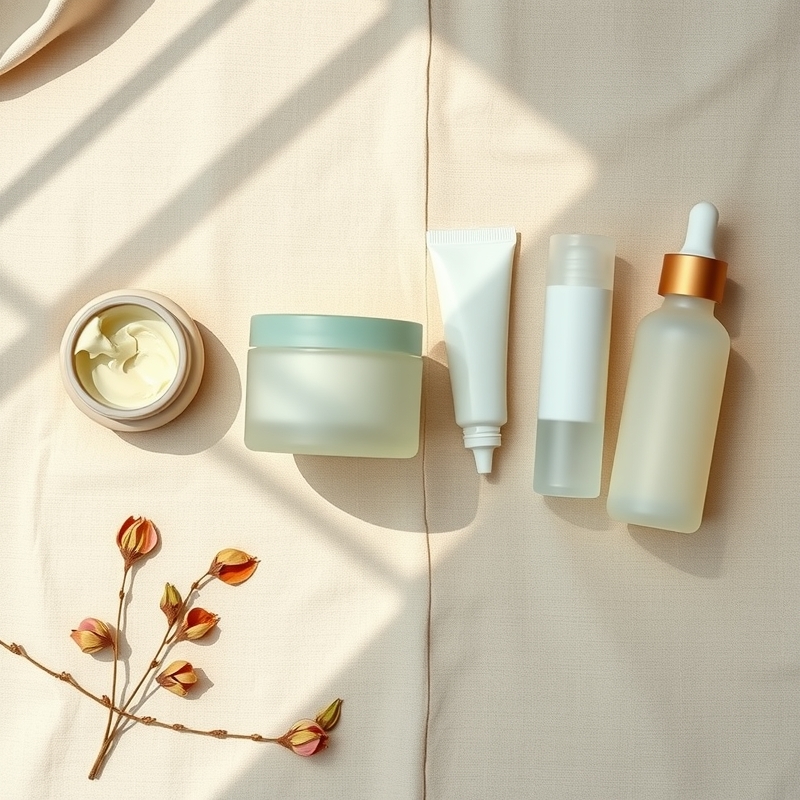
After 40, your skin’s ability to self-regulate between seasons slows measurably. Younger skin adapts to humidity and temperature shifts within days. In your 40s and 50s, that adjustment window stretches to weeks — which is exactly why you get that frustrating “my skin can’t decide what it wants” phase every March and April.
Here’s what’s actually happening. During winter, you’ve been layering rich creams and heavy occlusives to combat dry indoor heat. Your skin’s transepidermal water loss (TEWL) increases in cold, dry environments, so those thick products made sense. But the moment temperatures rise and humidity creeps up, those same products become a trap — sealing in excess sebum, clogging pores that are just starting to open, and creating a breeding ground for the dullness and congestion that makes you look tired.
Korean dermatologists generally recommend completing your spring transition within 5-7 days rather than gradually phasing products over weeks. The logic is counterintuitive but sound: a clean, deliberate switch gives your skin a clear signal to recalibrate, while a slow blend of winter and spring products confuses your barrier function. Think of it like changing your car’s oil — you drain the old before adding the new. You don’t blend them.
What you’ll need for the full transition:
- A lighter gel or water-based cleanser (replacing your cream or oil-based winter cleanser)
- A hydrating essence or toner (replacing heavy serums)
- A gel-cream or emulsion moisturizer (replacing your winter barrier cream)
- A lightweight, high-protection sunscreen (this is non-negotiable)
- A gentle chemical exfoliant — AHA or PHA, not a physical scrub
환절기 (Hwanjeolgi): The Korean Concept of Seasonal Skin Transition
Korean skincare has a word most Western beauty brands don’t even have a concept for: 환절기 (hwanjeolgi), meaning “the turning of the season.” It refers specifically to the 2-3 week transitional period between seasons when weather is unstable — warm afternoons, cold mornings, fluctuating humidity. In Korean households, 한방 (hanbang, traditional Korean herbal medicine) teaches that these transitional weeks are when the body is most vulnerable.
This isn’t poetic metaphor — it’s practical wisdom that Korean mothers pass down the way American mothers pass down cold remedies. During 환절기, Korean women in their 40s and 50s pay extra attention to three things: digestion (lighter soups replace heavy stews), sleep environment (blanket weight changes), and skin barrier. All three are treated as one connected system, not separate concerns.
My aunt in Busan — a working pharmacist, not a beauty influencer — keeps a simple rule she learned from her mother: “When the 무궁화 (mugunghwa, hibiscus) buds appear, your face needs water, not oil.” It sounds quaint until you realize she’s 57, has never had a cosmetic procedure, and gets mistaken for early 40s routinely. Her spring switch takes exactly one weekend.
The 환절기 approach is fundamentally different from Western “spring cleaning” skincare advice, which usually just says “exfoliate more and use lighter products.” Korean seasonal transition is about sequence — which product you swap first determines whether your skin cooperates or rebels. After 40, when your barrier is thinner and more reactive, this sequence becomes critical.
The 5-Step Spring Korean Skincare Routine Switch (In the Right Order)
Step 1: Swap Your Cleanser First (Day 1-2)
The single most impactful spring switch is your cleanser — not your moisturizer. Most Western guides tell you to switch moisturizers first. Korean women start with the cleanser because it determines what stays on your skin for the next 23 hours.
In winter, you likely used a cream or balm cleanser to avoid stripping already-dry skin. In spring, switch to a low-pH gel cleanser (pH 5.0-6.0). The gel texture removes the heavier residue your winter products left behind without over-stripping. After 40, avoid foaming cleansers that leave your face feeling “squeaky clean” — that tight feeling means your already-thinning acid mantle just got damaged.
COSRX Low pH Good Morning Gel Cleanser
This is the cleanser most Korean women in their 40s reach for in spring — a gentle gel at pH 5.0 that clears winter product buildup without triggering the tightness or sensitivity that stronger cleansers cause on mature skin.
(paid link)
Check Availability & Reviews →
Step 2: Lighten Your Moisturizer (Day 2-3)
Without switching your moisturizer by the second day, your freshly cleansed pores will immediately re-clog with heavy winter cream. Replace your thick barrier cream or sleeping pack with a gel-cream or emulsion. In Korean, these lightweight moisturizers are called 수분크림 (subun cream, meaning “moisture cream”) as opposed to 영양크림 (yeongyang cream, meaning “nourishing cream” — your winter one).
The difference matters enormously after 40. Your skin still needs hydration (water) in spring, but it no longer needs the heavy occlusion (oil barrier) that winter demanded. A gel-cream delivers water-based hydration that plumps without suffocating. Look for ingredients like hyaluronic acid, beta-glucan, or centella — all common in Korean spring formulations.
Step 3: Introduce Your Spring Exfoliant (Day 3-4)
This is where most women over 40 make a costly mistake. After a winter of heavy products and slower cell turnover, your skin has a layer of buildup that no cleanser alone removes. You need gentle chemical exfoliation — but if you exfoliate before switching your cleanser and moisturizer, you’re stripping skin that still has no lightweight moisture support. That’s a sensitivity flare waiting to happen.
Korean women in their 40s generally prefer PHA (polyhydroxy acid) over AHA for spring transition because PHAs are larger molecules that exfoliate more slowly and don’t penetrate as aggressively. Use it every other night for the first week, then adjust based on how your skin responds. According to the American Academy of Dermatology, gentle exfoliation supports cell turnover without compromising the skin barrier — but over-exfoliation is one of the most common causes of reactive skin in women over 40.
Step 4: Upgrade Your Sunscreen (Day 4-5)
Spring UV exposure is the most deceptive skin threat for women over 40 — the sun feels mild, but UV index in April can match mid-summer levels. Your winter sunscreen (if you wore one — no judgment, but Korean women would judge) was likely a heavier, more moisturizing formula. Spring demands a lighter texture that sits well under makeup and doesn’t pill over your new gel-cream moisturizer.
Korean sunscreens are genuinely superior for this transition because they’re formulated for layering. Look for “watery” or “essence” type sun protection with SPF 50+ PA++++. The PA++++ rating (a Korean/Japanese system) measures UVA protection — the rays responsible for collagen breakdown and the deeper aging that accelerates after 40.
Beauty of Joseon Relief Sun: Rice + Probiotics SPF 50+
The spring sunscreen that changed my routine after 45 — lightweight enough to layer without that greasy midday look, with rice bran and probiotics that Korean dermatologists recommend for mature skin transitioning between seasons. Around $10-18 depending on size.
(paid link)
See Why Reviewers Love This →
Step 5: Switch Your Essence or Serum (Day 5-7)
Your essence is the last swap, not the first — and this is where the Korean approach diverges most sharply from Western advice. Western spring skincare guides typically say “add a hydrating serum.” Korean women in their 40s say “swap your winter essence for a lighter one.”
In winter, your essence was likely thick — fermented, milky, or oil-based. For spring, switch to a watery essence with hydrating rather than nourishing properties. Snail mucin, which sounds unusual but is a cornerstone of Korean skincare, provides lightweight hydration that helps skin recover from the transition stress of the previous four swaps. It’s the “recovery” step that keeps your newly lightened routine from feeling too thin on mature skin.
COSRX Advanced Snail 96 Mucin Power Essence
This is what Korean women over 40 reach for when their skin feels “confused” between seasons — 96% snail secretion filtrate that delivers deep hydration without the weight, so your newly lightened spring routine doesn’t leave mature skin feeling exposed.
(paid link)
Check Availability & Reviews →
Spring Korean Skincare Routine: Winter vs. Spring Product Comparison
This comparison table shows exactly what to swap, what to keep, and what most women over 40 get wrong by not switching at all.
| Product Step | Winter Version (Keep Until March) | Spring Version (Switch To) | Mistake: Not Switching |
|---|---|---|---|
| Cleanser | Cream or balm cleanser (pH 5.5-6.5) | Low-pH gel cleanser (pH 5.0-5.5) | Winter residue clogs spring pores → breakouts |
| Moisturizer | Rich barrier cream (ceramides, shea) | Gel-cream or emulsion (hyaluronic acid, centella) | Heavy cream traps sebum → dullness and texture |
| Exfoliant | Minimal or none (barrier protection mode) | PHA or low-% AHA, 2-3x per week | Dead cell buildup → products can’t absorb |
| Sunscreen | Moisturizing cream SPF (or none — honestly) | Lightweight essence/watery SPF 50+ PA++++ | Spring UV accelerates collagen loss unnoticed |
| Essence/Serum | Fermented or oil-based nourishing essence | Watery hydrating essence (snail mucin, beta-glucan) | Heavy serum + lighter cream = unbalanced layers |
Frequently Asked Questions
What happens if I don’t switch my skincare routine from winter to spring?
Your skin will likely become congested, dull, and breakout-prone within 2-3 weeks of warmer weather. Winter products are formulated for dry, cold conditions. When humidity rises and temperatures increase, those same products trap excess sebum and sweat against your skin. After 40, this congestion takes longer to clear — what a 25-year-old recovers from in days can linger for weeks on mature skin.
When exactly should I start my spring skincare transition?
Start when your indoor heating shuts off for the season or when daytime temperatures consistently stay above 15°C (59°F). In most of the US, that’s mid-March to early April. Korean women follow the heating schedule rather than the calendar because indoor humidity levels matter more than outdoor temperature for your skin’s behavior.
Can I just use fewer layers of my winter products instead of buying new ones?
Fewer layers of the wrong products still cause problems. A thinner application of heavy barrier cream doesn’t change its occlusive formula — it just gives you less of the wrong thing. That said, you don’t need to buy everything at once. If budget is tight, swap cleanser and sunscreen first (the two highest-impact changes) and replace other products as they run out.
Is the Korean 10-step routine necessary for spring transition after 40?
No — most Korean women in their 40s use 4-5 steps, not 10. The “10-step Korean routine” was a marketing concept that took off globally around 2015. In actual Korean households, especially for working women over 40, the daily routine is cleanser → toner/essence → moisturizer → sunscreen. The spring transition is about swapping the right products within those core steps, not adding more steps.
Should I change my skincare routine again for summer?
Yes, but the spring-to-summer shift is much smaller than winter-to-spring. Once you’ve made the spring switch, summer usually just means using your lightweight products more consistently and possibly adding a mist toner for midday hydration. The winter-to-spring transition is the most dramatic and the most likely to cause skin issues if done incorrectly — which is why Korean women treat it as a deliberate event rather than a gradual drift.
Key Takeaways
- Korean women over 40 make 5 deliberate product swaps in a specific order — cleanser first, essence last — rather than gradually blending winter and spring products
- 환절기 (hwanjeolgi, seasonal transition) is a foundational concept in Korean skincare that most Western brands don’t address, leaving your skin to figure out the change alone
- The entire spring transition takes 5-7 days, not the weeks-long gradual approach most Western guides recommend — a clean switch gives your skin a clear recalibration signal
- Spring UV is the most deceptive aging accelerator after 40 — upgrading to a lightweight SPF 50+ PA++++ sunscreen is the single most anti-aging step in this transition
- You do NOT need 10 steps — Korean women in their 40s and 50s typically use 4-5 core products, and the spring switch is about choosing the right texture and weight, not adding more
- Swap your cleanser and sunscreen first if budget is tight — these two changes deliver roughly 70% of the transition benefit on their own
Tonight, check the expiration date on your sunscreen — if it’s from last summer, it’s lost efficacy. Replace it this week with a lightweight Korean SPF 50+ PA++++ formula, apply it tomorrow morning even if it’s cloudy, and you’ll have completed the single most impactful step in your spring skincare switch.
This article contains affiliate links. If you purchase through these links, we may earn a small commission at no extra cost to you. We only recommend products we genuinely believe in.