Quick Answer: Most women over 40 are double cleansing wrong — using products designed for 25-year-old skin that strip moisture your face can no longer afford to lose. Here’s what you need to know:
- Your skin barrier thins measurably after 40, making harsh second cleansers actively damaging
- The oil cleanser matters more than the water cleanser — most Western advice gets this backwards
- Korean women in their 40s use a gentler, slower version of double cleansing than what TikTok shows
- Switching to the right Korean double cleansing products can reduce morning dryness within 3-5 days
- You only need 2 products and under 4 minutes total
My friend Jiyeon — a high school teacher in Seoul, 47 years old — watched an American skincare video last year and physically winced. “She’s scrubbing like she’s washing dishes,” Jiyeon said, pointing at the woman’s foaming second cleanse. In Korea, women in their 40s treat double cleansing as skin barrier therapy, not a deep scrub — and that single mindset shift is why their skin holds moisture while yours feels tight by 10 a.m.
Why Your Cleansing Routine Stopped Working After 40
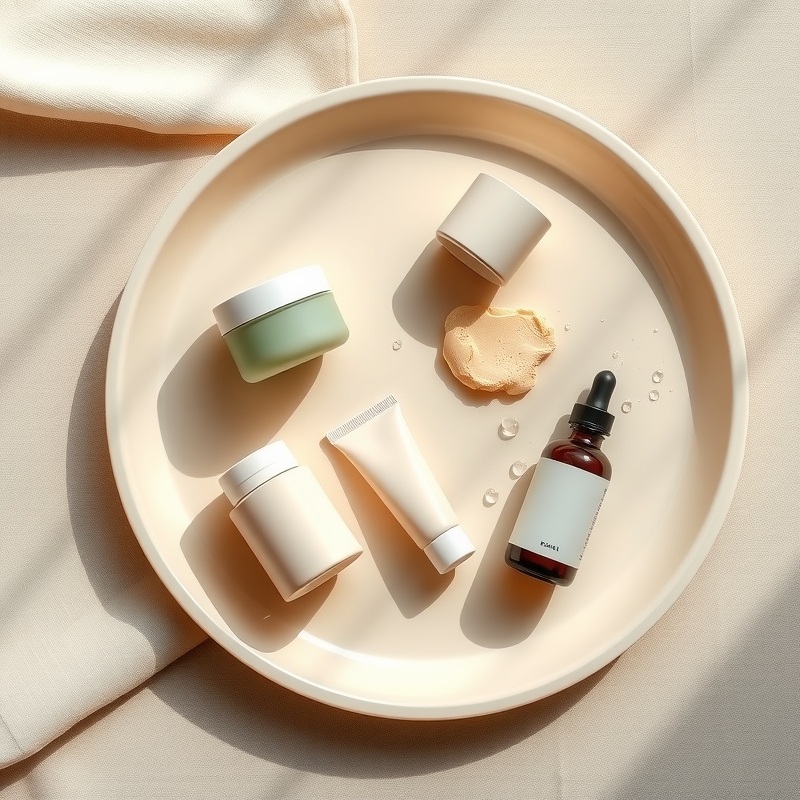
After 40, your skin produces significantly less sebum (natural oil) and your stratum corneum — the outermost barrier layer — becomes thinner and slower to repair itself. This is documented in dermatological research on age-related changes to the skin barrier. What worked at 32 doesn’t just stop being effective — it starts actively working against you.
That tight, “squeaky clean” feeling after washing your face? At 25, your skin bounced back in minutes. At 45, that tightness is your barrier screaming for help. It can take hours to recover — sometimes it never fully does before you strip it again the next morning.
This is the part Western skincare advice chronically ignores. Most “how to double cleanse” guides are written by 28-year-olds with oily skin. They recommend aggressive foaming cleansers as step two, tell you to massage for 60 seconds, and call it a night. For your skin in your 40s, that’s like exfoliating a sunburn.
Signs Your Double Cleansing Is Damaging Your Skin
If you recognize three or more of these, your current cleansing routine is likely compromising your barrier:
- Skin feels tight or “papery” within 15 minutes of washing
- You need moisturizer immediately after cleansing or your face feels uncomfortably dry
- Foundation looks flaky by midday even though you moisturized
- Redness or sensitivity that wasn’t there in your 30s
- Your serums sting slightly when you apply them after cleansing
- You’ve switched moisturizers multiple times thinking the moisturizer is the problem
- Morning skin looks dull despite a full nighttime routine
Here’s what most women miss: if your serums and moisturizers aren’t absorbing well, the problem usually isn’t those products — it’s that your cleanser damaged the barrier they’re trying to repair. You’re spending $60 on serum to fix what a $16 cleanser broke.
3 Korean Double Cleansing Mistakes That Age Skin Faster
Korean dermatologists generally agree that cleansing errors cause more premature aging in women over 40 than skipping sunscreen for a day. That’s not an exaggeration — a compromised barrier lets UV damage penetrate deeper and moisture escape faster. Here are the three mistakes I see Western women make most often.
Mistake #1: Using a Foaming Cleanser With High pH as Step Two
Most Western drugstore cleansers have a pH between 8 and 10. Healthy skin sits around pH 5.5. Every time you use a high-pH cleanser, your barrier needs hours to rebalance. Research on cleanser pH and skin barrier disruption has consistently shown that alkaline cleansers increase transepidermal water loss.
Korean second cleansers — the good ones — are formulated at pH 5.0–6.0 specifically to avoid this. It’s not marketing. It’s chemistry.
Mistake #2: Skipping the Oil Cleanser (or Using Micellar Water Instead)
Micellar water is not an oil cleanser. It’s surfactant-loaded water on a cotton pad, and dragging cotton across thinning 40+ skin causes micro-friction that adds up. Oil dissolves oil — that’s basic chemistry, and it’s why an oil-based first cleanser removes sunscreen and makeup more thoroughly than any water-based product, without mechanical rubbing.
In Korea, the first cleanse (oil) does 80% of the actual cleaning work. The second cleanse (low-pH gel or cream) is just a gentle rinse. Western routines flip this — they rush through oil (or skip it) and scrub hard with foam. After 40, that’s backwards.
Mistake #3: Over-Massaging During the Oil Step
TikTok told you to massage your oil cleanser for 60–90 seconds to “dissolve sebaceous filaments.” For 22-year-old skin with excess oil production, fine. For your skin after 40, extended massage with dissolving agents pulls out lipids your barrier desperately needs. Thirty seconds is enough. Korean women I know in their 40s treat it like rinsing rice — gentle, brief, purposeful.
이중세안 (Ijung-Sean): How Korean Women Over 40 Actually Double Cleanse
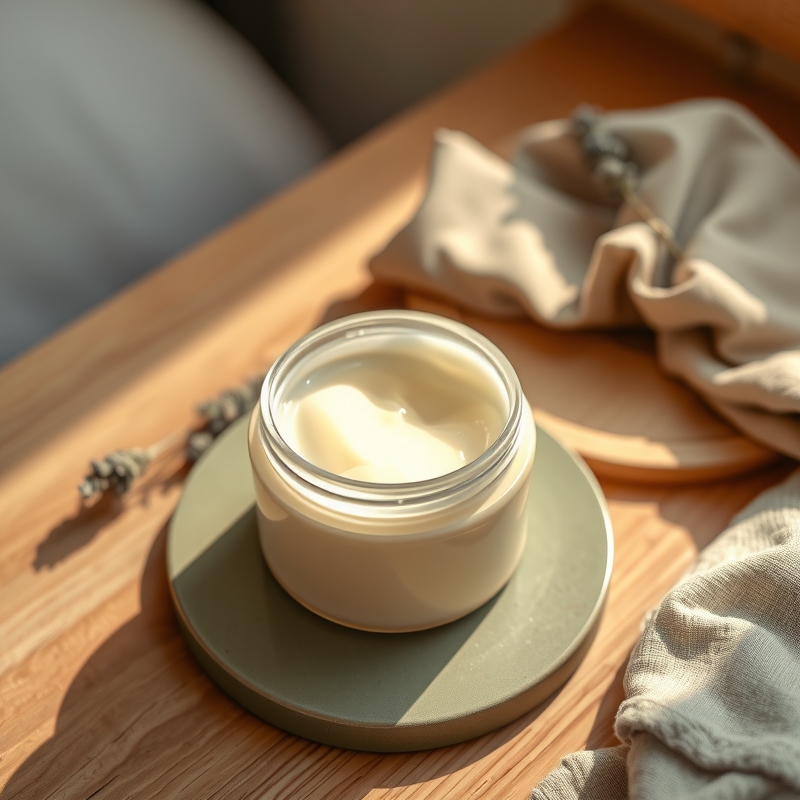
The Korean term for double cleansing is 이중세안 (ijung-sean), and in Korean households, it’s not a trendy skincare hack — it’s been standard hygiene since before K-beauty had an English name. But here’s what Western beauty media never explains: Korean women adapt the technique by decade.
In your 20s, Korean women often use strong oil cleansers and foaming second steps. By their 40s, the routine looks completely different. My aunt in Busan — 52, works full-time at a hospital — uses a balm cleanser (not liquid oil) because it’s gentler on thinning skin, followed by a cream cleanser so mild it barely lathers. “Foam means it’s too harsh,” she told me once, as casually as saying the sky is blue.
This tracks with 한방 (hanbang) philosophy — Korea’s traditional herbal medicine approach to skincare — which has always emphasized preserving what your skin already has rather than stripping and rebuilding. 한방 skincare treats skin as an ecosystem: you protect the existing moisture barrier the way you’d maintain a garden, not pressure-wash a sidewalk.
Walk into any Korean drugstore — Olive Young, Lohbs — and the cleansers marketed to women in their 40s and 50s are cream-textured, fragrance-free, and labeled 저자극 (jeojageuk — low irritation). No “deep pore scrubbing” claims. No “oil-free” bragging. The opposite of what American drugstores push at the same age group.
The Korean Over-40 Double Cleanse Method (Under 4 Minutes)
- Step 1 — Balm or oil cleanser on dry skin (30 seconds): Apply about a cherry-sized amount to dry face. Gently press and glide — no circular scrubbing. The oil bonds to makeup, sunscreen, and pollution. When you see the texture turn milky, it’s working.
- Step 2 — Emulsify with lukewarm water (15 seconds): Wet your hands and lightly pat your face. The oil turns into a milky emulsion that rinses clean. Never use hot water — it strips lipids faster.
- Step 3 — Low-pH gel or cream cleanser (20-30 seconds): A small amount, gently pressed onto damp skin. This isn’t scrubbing — it’s catching whatever trace residue the oil left. Rinse with lukewarm water.
- Step 4 — Pat dry (never rub): Use a clean, soft towel and press gently. Apply your toner within 30 seconds while skin is still slightly damp.
Total time: under 4 minutes. Instead of a 45-minute wind-down routine, this is something you can do between brushing your teeth and checking your phone.
The Right Korean Double Cleansing Products for Skin Over 40
Not all Korean double cleansing products are created equal, and most “best of” lists recommend products formulated for oily, younger skin. Here’s what actually matters when you’re choosing for skin in your 40s and 50s.
What to Look for in an Oil Cleanser (Step 1)
- Balm texture over liquid oil — less dripping, more controlled application, gentler on skin that’s lost elasticity
- Plant-based oils (olive, rice bran, green tea seed) — closer to your skin’s natural lipid profile
- No mineral oil as the first ingredient — it rinses clean but can feel stripping on drier mature skin
- Fragrance-free or naturally scented — sensitized skin after 40 reacts more to synthetic fragrance
What to Look for in a Water Cleanser (Step 2)
- pH between 5.0 and 6.5 — non-negotiable for barrier preservation
- Cream or gel texture, not foam — if it foams like shaving cream, it’s too harsh
- Ceramides, centella, or green tea — ingredients that support barrier repair even while cleansing
- No sulfates (SLS/SLES) — these are the main culprits behind post-wash tightness
Korean Double Cleansing Products Comparison: Over-40 Skin
| Feature | Banila Co Clean It Zero Original | Heimish All Clean Balm | Innisfree Green Tea Cleansing Oil |
|---|---|---|---|
| Type | Sherbet-to-oil balm | Herbal balm (한방-inspired) | Liquid oil |
| Best for after 40 | Normal to combination skin | Dry or sensitive skin (best overall) | Oily or resilient skin |
| Key ingredients | Vitamin C derivatives, acerola | Shea butter, coconut, herb extracts | Green tea seed oil, amino acids |
| Fragrance | Light floral | Herbal, subtle | Light botanical |
| Emulsifies cleanly | Yes — rinses without residue | Yes — leaves slight moisture | Yes — clean rinse |
| Price range | Around $17-23 | Around $13-18 | Around $14-20 |
| Over-40 verdict | Reliable all-rounder | Top pick — gentlest on mature skin | Good if you prefer liquid texture |
| Feature | COSRX Low pH Good Morning Cleanser | Innisfree Green Tea Foam Cleanser | Round Lab Dokdo Cleanser |
|---|---|---|---|
| Type | Low-pH gel | Gentle foam | Low-pH gel |
| Best for after 40 | Combination skin | Normal skin | Dry or dehydrated skin (best overall) |
| pH level | ~5.0 | ~6.0 | ~5.5 |
| Key ingredients | BHA (salicylic acid), tea tree | Green tea, amino acid surfactants | Deep sea water, hyaluronic acid |
| Stripping? | Minimal — slight tingle from BHA | Minimal | None — skin feels hydrated after |
| Price range | Around $10-14 | Around $10-15 | Around $12-16 |
| Over-40 verdict | Good if you still get breakouts | Solid middle option | Top pick for dehydrated mature skin |
Notice the decoy: the liquid oil and the foaming cleanser aren’t bad products, but for skin over 40, the balm (Heimish) and the hydrating low-pH gel (Round Lab Dokdo) are the clear winners. You’ll spend less and your skin will feel it by morning.
Recommended Korean Double Cleansing Products
Heimish All Clean Balm
This is the balm Korean women in their 40s quietly repurchase — the herbal formula melts sunscreen off without that tight, stripped feeling afterward. If your skin has been punishing you since perimenopause, start here.
(paid link)
Check Availability & Reviews →
Round Lab Dokdo Cleanser
The second step that finally stopped the morning dryness cycle. Deep sea minerals hydrate while you cleanse — your skin feels like it just drank water instead of being scrubbed. Korean beauty forums call this the “skin reset” cleanser for women approaching 50.
(paid link)
See Why Reviewers Love This →
Banila Co Clean It Zero Cleansing Balm
The original Korean cleansing balm that started the global double-cleansing wave — and still the one most Korean mothers keep on their bathroom shelf. Reliable, affordable, and it dissolves even waterproof sunscreen in under 30 seconds.
(paid link)
View Current Price →
What TikTok Gets Right (and Wrong) About Korean Double Cleansing
TikTok popularized double cleansing for a new generation — but most viral videos show a version designed for 20-something oily skin, not yours. If you came to double cleansing through a TikTok dermatologist or a “get ready with me” video, here’s what they got right and what they got dangerously wrong for women over 40.
What TikTok got right: Oil cleansing first is non-negotiable. Sunscreen and makeup are oil-soluble, and water-based cleansers alone leave an invisible film. This is basic chemistry and TikTok spread the word effectively.
What TikTok got wrong for your skin: The 60-second massage rule, the “gritting” trend (massaging until you feel sebaceous filaments dislodge), and the high-foam second cleanse. All three are fine for skin that overproduces oil. For skin that’s already losing moisture after 40, these techniques accelerate the problem. Korean skincare professionals treating women in their 40s advise 30 seconds maximum for the oil step and a barely-foaming second cleanser.
The best Korean double cleansing products for your age aren’t the ones going viral — they’re the ones your Korean colleague has been quietly repurchasing for a decade.
Frequently Asked Questions
What happens if I skip the oil cleanser and only use a foam cleanser after 40?
You leave a layer of oxidized sunscreen and makeup residue on your skin every night. Water-based cleansers can’t fully dissolve oil-based products. Over time, this residue clogs pores and accelerates dullness — which is why your skin looks tired even after a “thorough” wash.
Can Korean double cleansing products make sensitive skin worse?
Only if you choose the wrong ones. High-pH foaming cleansers and fragrance-heavy oil cleansers can irritate sensitive skin at any age. The key is choosing a balm-type oil cleanser and a low-pH (5.0–6.0) second cleanser with no SLS/SLES. Most Korean brands formulated for 민감성 피부 (sensitive skin) are gentler than their Western drugstore equivalents.
Do I need to double cleanse in the morning too?
No — and most Korean dermatologists recommend against it after 40. Your skin doesn’t accumulate sunscreen or makeup overnight. A single gentle water cleanser in the morning (or just lukewarm water) is enough. Double cleansing twice daily strips mature skin unnecessarily.
How long before I notice a difference with Korean double cleansing products?
Most women notice reduced morning tightness within 3-5 days. Visible improvements in skin texture and hydration typically become clear within 2-3 weeks as your barrier repairs itself. If your skin has been severely compromised by harsh cleansing, full barrier recovery can take 4-6 weeks.
Is double cleansing worth it if I don’t wear makeup?
Yes — sunscreen alone requires an oil-based first cleanse to fully remove. Even if you skip makeup entirely, mineral and chemical sunscreens leave a film that water-based cleansers can’t dissolve. If you wear sunscreen (and after 40, you should), double cleansing isn’t optional.
Key Takeaways
- Your skin barrier thins after 40, which means the same cleansing routine that worked at 30 is now actively stripping moisture your skin can’t replace fast enough.
- Korean double cleansing for women over 40 prioritizes the oil step — it does 80% of the actual cleaning, while the second step is just a gentle rinse.
- High-pH foaming cleansers are the single biggest mistake Western women over 40 make — switch to a low-pH (5.0–6.0) gel or cream second cleanser.
- Balm cleansers outperform liquid oil cleansers for mature skin — they’re gentler, less stripping, and easier to control.
- The entire routine takes under 4 minutes — 30 seconds of balm, 15 seconds emulsifying, 20 seconds of gentle gel cleanser, pat dry.
- Korean women adapt double cleansing by decade — the TikTok version is designed for 20-somethings, not your skin in your 40s and 50s.
Tonight, try this: take your current second cleanser and check the pH (most brands list it online or you can test with a strip). If it’s above 6.5, that single product swap to a Korean low-pH cleanser like Round Lab Dokdo will change how your face feels by tomorrow morning.
This article contains affiliate links. If you purchase through these links, we may earn a small commission at no extra cost to you. We only recommend products we genuinely believe in.