Quick Answer: The best Korean skincare products to buy in Korea are the ones Korean women in their 40s actually use daily — not the ones TikTok tourists grab first at Olive Young. You’ll save 30–60% buying in Korea versus importing, and you’ll find pharmacy and department store brands that never make it to Western shelves. Here’s what you need to know:
- Sulwhasoo, Aestura, and IOPE are what Korean women over 40 actually repurchase — most aren’t trending on social media
- Korean pharmacies (약국) carry dermatologist-grade products that cost a fraction of Western equivalents
- Olive Young is worth visiting, but skip the influencer displays near the entrance — the real finds are in the back aisles
- Buy sleeping masks and ampoules in Korea — these categories barely exist in Western drugstores
- Prices in Korea run around $8–25 for products that retail for $20–50 abroad (prices vary by store and season)
Quick Pick Summary: 7 Korean Skincare Products to Buy in Korea
| # | Product | Best For | Where to Buy in Korea | Approx. Korea Price |
|---|---|---|---|---|
| 1 | Sulwhasoo First Care Activating Serum | Anti-aging first step | Department stores, Olive Young | Around $45–55 |
| 2 | Aestura Atobarrier 365 Cream | Barrier repair | Korean pharmacies (약국) | Around $12–16 |
| 3 | Missha Time Revolution Night Repair Ampoule | Nighttime renewal | Olive Young, Missha stores | Around $18–24 |
| 4 | Banila Co Clean It Zero | Double cleansing | Olive Young, duty-free | Around $10–14 |
| 5 | Beauty of Joseon Glow Serum | Brightening + niacinamide | Olive Young | Around $8–12 |
| 6 | Round Lab Dokdo Toner | Gentle hydrating toner | Olive Young | Around $9–13 |
| 7 | Laneige Water Sleeping Mask | Overnight hydration | Amore stores, Olive Young | Around $15–20 |
한방 and the Pharmacy Counter: Why Korean Women Over 40 Shop Differently
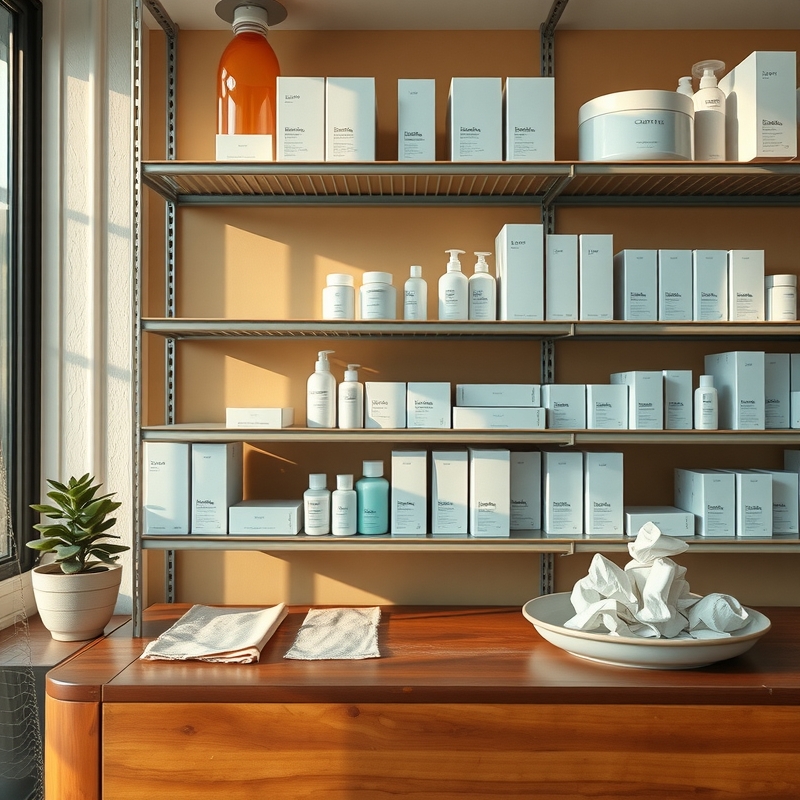
The biggest difference between Korean skincare shopping and Western skincare shopping isn’t the products — it’s where and how Korean women in their 40s actually buy them. Walk into any Korean pharmacy (약국, yagguk) and you’ll see a skincare section that rivals most American beauty stores. These aren’t random drugstore brands. Korean pharmacies carry 한방 (hanbang, Korean traditional medicine)–influenced products tested by dermatologists and sold under pharmacist guidance.
Korean women over 40 rarely buy skincare the way Western beauty culture teaches — browsing Instagram, clicking an influencer link, hoping for the best. Instead, many consult their neighborhood pharmacist or dermatologist first, then buy the recommended product at the pharmacy counter. Brands like Aestura, Dr.G, and CNP started as clinic-only lines before expanding to retail. That pharmacy-first culture means Korean women in their 40s tend to reach for products backed by clinical use, not social media hype.
This is the context most “What to buy in Korea” lists completely miss. The products below aren’t just popular — they’re the ones Korean mothers, working professionals, and women approaching 50 actually keep restocking.
What TikTok Olive Young Hauls Get Wrong After 40
If your Korea shopping list came from a 22-year-old’s Olive Young haul video, you’re likely buying for someone else’s skin. Most viral K-beauty hauls feature products designed for oily, acne-prone, Gen Z skin — snail mucin essences, centella spot patches, and exfoliating toners that can wreck a compromised 40+ skin barrier. The products trending on TikTok solve problems you probably don’t have, while ignoring the ones you do: loss of elasticity, dryness that appeared overnight, hyperpigmentation that deepens every summer.
That doesn’t mean Olive Young isn’t worth your time. It absolutely is — but walk past the influencer displays near the entrance. Head to the 한방 skincare section, the sleeping mask aisle, and the barrier cream shelf. That’s where products for your actual skin live. Korean women your age already know this. Now you do too.
1. Sulwhasoo First Care Activating Serum — The 한방 Anti-Aging Icon
Sulwhasoo’s First Care Activating Serum is the product Korean mothers pass down to their daughters — not the other way around. Built on 한방 (Korean herbal medicine) principles, this serum uses a proprietary blend of Korean medicinal herbs including peony, lotus, and Solomon’s seal root. It’s designed as the very first step after cleansing, meant to prepare your skin to absorb everything that follows.
Why buy it in Korea? In Korean department stores, Sulwhasoo runs around $45–55 for the full size — compared to $70–90 at Western retailers. Korean department store counters also offer generous samples (sometimes 5–7 sachets) if you ask politely. Sulwhasoo is owned by Amorepacific, Korea’s largest beauty conglomerate, so you’ll find it at dedicated Sulwhasoo boutiques, Amore flagship stores, and airport duty-free shops where prices drop further.
For women in their 40s, this serum addresses what Korean skincare calls 기 (gi) — the skin’s fundamental vitality. It’s not about adding more products. It’s about making every product after it work harder.
Sulwhasoo First Care Activating Serum
The same 한방 herbal formula Korean mothers have trusted for decades — designed to boost every step that follows in your routine, not replace them.
(paid link) Check Availability & Reviews →
2. Aestura Atobarrier 365 Cream — The Pharmacy Secret
Aestura Atobarrier 365 Cream is one of the most repurchased products in Korean pharmacies, and most Western shoppers have never heard of it. Developed by Amore Pacific’s dermatological research division, it’s formulated with a ceramide complex called MLE (Multi-Lamellar Emulsion) that mimics the skin’s natural lipid structure. Korean dermatologists routinely recommend it for patients with damaged barriers — which, after 40, describes most of us.
This isn’t a glamorous product. It comes in clinical packaging, has no fragrance, and does one thing exceptionally well: it rebuilds your skin barrier. Research on ceramides and skin barrier repair consistently shows that ceramide-based moisturizers help restore the lipid layers that thin with age. In Korean pharmacies, this cream costs around $12–16. The same technology in Western “barrier repair” creams often runs $40 or more.
Buy it at any Korean pharmacy — look for the light blue box. The pharmacist will know it by name.
3. Missha Time Revolution Night Repair Ampoule — The Affordable Powerhouse
Korean beauty insiders have long called Missha’s Night Repair Ampoule the most cost-effective anti-aging product in Korea — and in your 40s, that matters more than hype. This ampoule contains fermented bifida yeast extract, the same star ingredient found in premium serums costing four to five times as much. It targets fine lines, uneven tone, and loss of firmness overnight.
In Korea, the full-size bottle runs around $18–24 at Olive Young or standalone Missha shops. The formula is lightweight, absorbs fast, and layers well under heavier creams — which matters when your evening routine needs to happen between dinner dishes and bed.
The Korean approach to ampoules is different from Western serums. Ampoules are meant to be concentrated, short-term treatments — think of them as a boost, not a replacement. Korean women in their 40s often rotate ampoules seasonally: fermented formulas like this one in fall and winter, vitamin C–based options in spring and summer.
Missha Time Revolution Night Repair Ampoule
The fermented bifida yeast concentrate that Korean women use as their nightly shortcut to firmer, more even-toned skin — without the luxury price tag.
(paid link) See Why Reviewers Love This →
4. Banila Co Clean It Zero Cleansing Balm — The Double Cleanse Starter
Without a proper first cleanse, every expensive serum you apply afterward is sitting on top of residue — not absorbing into your skin. Banila Co Clean It Zero is the product that introduced most Korean women to oil-based cleansing balms, and it remains the top seller in its category for good reason. The sherbet-textured balm melts into an oil on contact, dissolving sunscreen, makeup, and the day’s pollution without stripping moisture.
This is the product where buying in Korea makes the biggest price difference. At Olive Young, the original pink version costs around $10–14. At Western retailers, the same jar runs $19–24. If you buy the multi-pack or limited edition sets available only in Korean stores, the per-unit cost drops even further.
For women in their 40s, the cleansing balm step isn’t optional — it’s foundational. Oil dissolves oil, which is why water-based cleansers alone can’t fully remove sunscreen. Korean women call this 이중세안 (ijung-sean, double cleansing), and it’s the single habit that makes every other product in your routine work better.
5. Beauty of Joseon Glow Serum — The Niacinamide Brightener
Beauty of Joseon’s Glow Serum contains propolis and niacinamide — two ingredients Korean dermatologists consistently recommend for hyperpigmentation after 40. Niacinamide has strong research support for improving skin tone, reducing the appearance of dark spots, and strengthening the skin barrier — all concerns that intensify in your 40s and 50s. Research on niacinamide shows it can inhibit melanosome transfer, which is the mechanism behind age-related dark spots.
This serum has gained global popularity, but the price difference in Korea is striking — around $8–12 at Olive Young versus $15–20 internationally. The texture is slightly viscous and honey-like, thanks to the propolis, but absorbs cleanly without stickiness.
The brand name references 조선 (Joseon) — Korea’s last dynasty — and the formulations draw from historical Korean beauty recipes. It’s marketing with substance: propolis and rice water were genuinely used in Korean beauty traditions for centuries.
Beauty of Joseon Glow Serum (Propolis + Niacinamide)
The niacinamide-rich serum Korean women use to tackle dark spots and uneven tone — rooted in Joseon-dynasty beauty traditions, backed by modern research.
(paid link) View Current Price →
6. Round Lab Dokdo Toner — The Gentle Hydration Reset
Round Lab’s Dokdo Toner is named after Korea’s volcanic Dokdo Island, and its mineral-rich, low-pH formula is what Korean estheticians recommend when your skin is too reactive for anything else. After 40, skin becomes less tolerant of harsh ingredients — the toner that worked fine at 35 might now cause redness or tightness. Dokdo Toner sidesteps this entirely with a clean, fragrance-free formula designed around deep-sea mineral water.
This is one of those products that barely exists outside Korea but sits in nearly every Korean bathroom. At Olive Young, the large 300ml bottle costs around $9–13. It’s meant to be used generously — Korean women often pat multiple layers into their skin, a technique called 7-스킨법 (seven-skin method), though two to three layers is plenty for most routines.
If your skin has become reactive, dry, or unpredictable since your 40s — and you’re tired of playing ingredient roulette — this toner is the reset button.
7. Laneige Water Sleeping Mask — The Overnight Shortcut
Korean sleeping masks are an entire product category that Western skincare mostly ignores — and after 40, they might be the easiest upgrade to your routine. Laneige’s Water Sleeping Mask is the best-selling sleeping mask in Korea and has been for years. You apply it as the final step before bed, and it creates a breathable moisture barrier that works while you sleep. No extra steps, no extra time.
The concept is purely Korean: 수면팩 (sumyeon-pack, sleeping pack). Instead of adding complexity to your evening routine, you replace your final moisturizer step with this once or twice a week. Korean women in their 40s use sleeping masks specifically for overnight hydration recovery — the kind of deep moisture loss that daily creams can’t fully address.
In Korea, Laneige products are available at Amore Pacific stores, Olive Young, and duty-free shops for around $15–20. The same product retails for $28–34 in the US. If you’re buying in Korea, look for the limited-edition sets that include a lip sleeping mask — another Laneige cult product worth grabbing.
Where to Buy: Korea Shopping Comparison
| Feature | Olive Young (올리브영) | Korean Pharmacy (약국) | Department Store (백화점) |
|---|---|---|---|
| Price Range | Budget to mid-range ($5–30) | Mid-range ($10–25) | Mid to luxury ($25–80+) |
| Brand Selection | Widest variety (200+ brands) | Dermatologist/clinical brands | Premium/luxury brands |
| English Support | Good (tourist areas excellent) | Limited | Good (dedicated counters) |
| Samples | Occasional freebies at checkout | Rarely | Generous if you ask |
| Tax Refund | Yes (over ₩30,000) | Some locations | Yes (over ₩30,000) |
| Best For After 40 | Stocking up on daily basics | Barrier repair, sensitive skin picks | 한방 luxury (Sulwhasoo, The History of Whoo) |
| Tourist Trap Risk | Medium (influencer displays) | Low | Low (but premium prices) |
For the best value and most relevant selection after 40, start at a Korean pharmacy for your clinical essentials, then hit Olive Young for everything else. Save department stores for Sulwhasoo or The History of Whoo if you want the full 한방 luxury experience with samples.
Frequently Asked Questions
What happens if I buy Korean skincare at the airport duty-free instead of in the city?
Duty-free prices are competitive for luxury brands like Sulwhasoo and Laneige — often matching or beating city prices. However, mid-range brands like Beauty of Joseon and Round Lab are usually cheaper at Olive Young. Buy luxury at duty-free, drugstore brands in the city.
Are Korean skincare products safe for sensitive skin after 40?
Most Korean skincare products go through testing regulated by Korea’s Ministry of Food and Drug Safety (MFDS), which has strict ingredient and labeling standards. Products from pharmacies and dermatologist-developed lines (Aestura, Dr.G, CNP) are specifically formulated for reactive and sensitive skin. That said, always patch-test — sensitivity increases with age.
How many Korean skincare products should I actually buy for a routine after 40?
Five to six products is the realistic sweet spot for most women in their 40s: a cleansing balm, a gentle toner, one targeted serum or ampoule, a barrier-supporting moisturizer, sunscreen, and an optional sleeping mask once or twice a week. The 10-step routine was always more marketing than reality — most Korean women your age use fewer products, chosen more carefully.
Can I find these Korean skincare products outside of Seoul?
Yes. Olive Young has over 1,300 locations across South Korea, including Busan, Jeju, Daegu, and most mid-sized cities. Korean pharmacies are everywhere. Department stores with beauty floors exist in every major city. You don’t need to be in Myeongdong or Gangnam to find these products.
What if I can’t travel to Korea — where else can I buy these products?
Amazon, Yesstyle, and Stylevana carry most of these brands internationally, though at higher prices. Buying in Korea saves you 30–60% on most items. If you can’t travel, start with one or two products online to test before committing to a full routine.
Key Takeaways
- Korean pharmacies (약국) carry dermatologist-grade skincare products that rarely make it to Western shelves — Aestura Atobarrier 365 Cream is the standout barrier repair cream for women over 40
- Buying Korean skincare in Korea saves 30–60% compared to international retail prices, especially on mid-range brands at Olive Young
- Skip the TikTok-viral displays at Olive Young’s entrance — the products Korean women in their 40s actually use are in the 한방, sleeping mask, and barrier cream sections
- Sulwhasoo First Care Activating Serum is the 한방 anti-aging product Korean mothers trust — buy it at Korean department stores or duty-free for the best price and generous samples
- A realistic Korean skincare routine after 40 uses five to six products, not ten — cleansing balm, toner, one ampoule, barrier cream, sunscreen, and an occasional sleeping mask
- Niacinamide and ceramides are the two ingredients Korean dermatologists prioritize for aging skin — Beauty of Joseon Glow Serum and Aestura deliver both at pharmacy-level prices
Before your next Korea trip, pick just two products from this list that address your biggest skin concern right now — barrier repair or brightening — and buy them at the first pharmacy or Olive Young you walk into. Your skin will tell you whether to come back for the rest.
This article contains affiliate links. If you purchase through these links, we may earn a small commission at no extra cost to you. We only recommend products we genuinely believe in.