Quick Answer: Korean beauty supplements work differently from Western ones because they prioritize absorption and gut health over megadoses — and after 40, that distinction matters more than ever. Here’s what you need to know:
- Korean women focus on 2-3 targeted supplements, not a shelf full of bottles
- Low-molecular collagen peptides (under 3,000 daltons) absorb significantly better than standard collagen
- Fermented ingredients are central to K-beauty supplements — they increase bioavailability
- Korean red ginseng addresses both skin dullness and the energy crashes that start after 40
- At least 3 popular “beauty supplements” are worth skipping entirely
My friend Minji — a 47-year-old marketing director in Seoul — opened her medicine cabinet for me last spring. I expected the supplement arsenal you’d see in any American wellness influencer’s pantry. Instead: three small boxes, neatly stacked, each one chosen with the precision of someone who stopped wasting money in her late 30s. When I asked why so few, she laughed: “After 40, your body doesn’t need more — it needs the right form.”
That conversation changed how I think about Korean beauty supplements. And if you’re in your 40s or approaching 50, spending $40-60 a month on supplements that aren’t doing what you think — this guide is the conversation I wish someone had with me five years ago.
Before You Start: Why Most Beauty Supplements Fail Women After 40
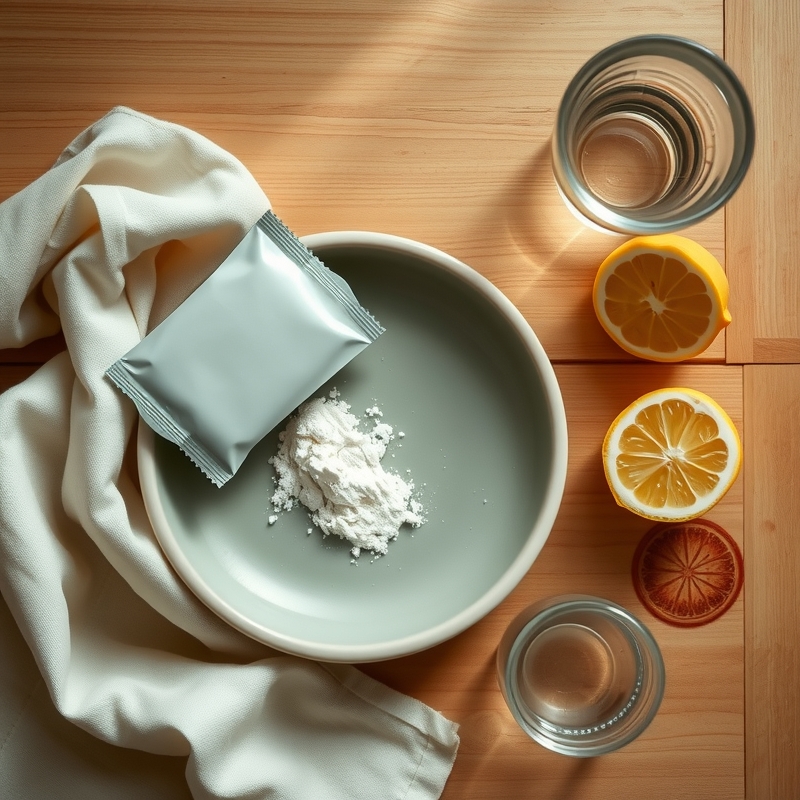
The single biggest reason your current supplements aren’t working is declining absorption — not insufficient dosage. After 40, your digestive system produces less stomach acid and fewer digestive enzymes. That expensive collagen powder? Your body may be absorbing a fraction of what it did at 30.
This is where the Korean approach diverges from Western supplement culture. Western brands tend to compete on milligrams — more collagen, more biotin, more everything. Korean beauty supplements compete on bioavailability: how much of each ingredient your body actually uses.
The difference is not subtle. Standard collagen molecules are often 10,000-30,000 daltons in size. Most Korean beauty collagen is hydrolyzed down to 1,000-3,000 daltons — small enough to absorb through the intestinal wall without heavy digestive breakdown. According to research indexed on PubMed on collagen peptide bioavailability, low-molecular-weight collagen peptides show significantly improved intestinal absorption compared to larger molecules.
Before you buy a single Korean beauty supplement, check what you’re currently taking. If the label doesn’t mention molecular weight, dalton size, or hydrolyzed peptides — you’re likely paying for collagen your body is flushing.
What You’ll Actually Need
- A willingness to stop 2-3 supplements that aren’t absorbing (this saves money immediately)
- A basic understanding of your current digestive health — if you experience bloating or acid reflux, fermented-form supplements will matter even more for you
- Around $30-50/month total (less than most American women spend on supplements that underperform)
한방 (Hanbang): The Korean Philosophy That Changed Beauty Supplements

Korean beauty supplements aren’t a trend — they’re rooted in 한방 (hanbang), a centuries-old Korean herbal medicine tradition that treats skin as a reflection of internal organ health. While Western dermatology has traditionally separated skincare (topical) from nutrition (internal), Korean medicine never made that split.
In a traditional Korean household, skin problems were addressed from the kitchen, not the bathroom. A dull complexion? Your grandmother would make 대추차 (daechucha, jujube tea) for blood circulation. Dry, flaky skin in winter? 미역국 (miyeokguk, seaweed soup) — loaded with natural minerals and iodine — showed up at dinner for a week straight. Breakouts? 율무차 (yulmucha, Job’s tears tea) to reduce inflammation from the inside.
This inside-out philosophy is why Korean beauty supplement brands approach formulation differently. Instead of isolating one active ingredient at a high dose, Korean supplements tend to combine a primary active (like collagen) with complementary ingredients that support absorption. You’ll frequently see vitamin C paired with collagen (because vitamin C is essential for collagen synthesis — confirmed by the NIH Office of Dietary Supplements), or probiotics included in a beauty supplement because gut health directly affects skin.
This isn’t mystical. It’s practical. And after 40 — when absorption declines and your body needs more help converting what you ingest into what your skin can use — this combinational approach starts making measurable sense.
The 3 Korean Beauty Supplements Worth Taking After 40
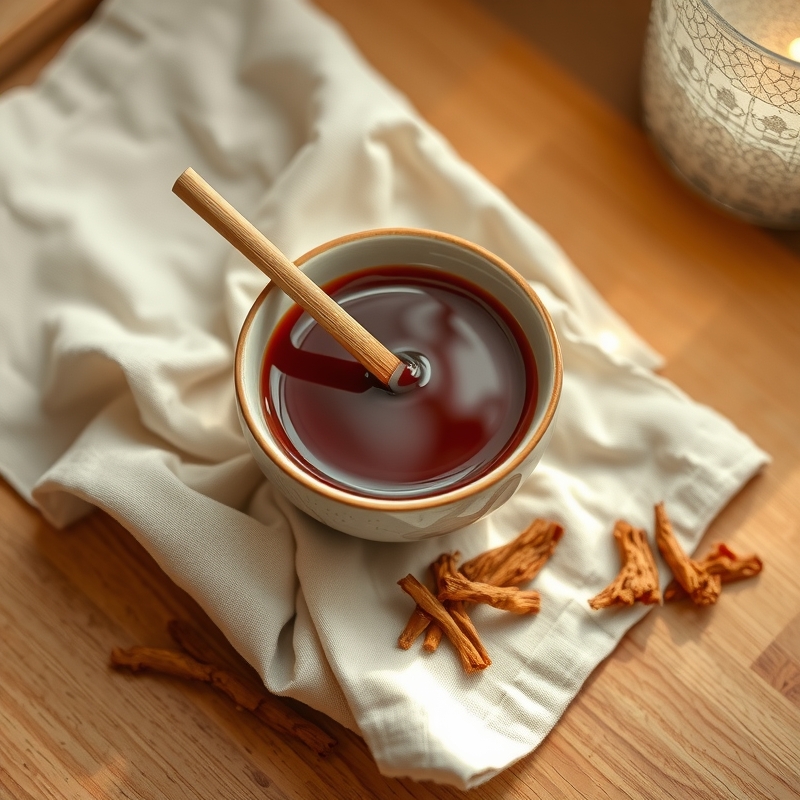
1. Low-Molecular Collagen Peptides (The Foundation)
If you take only one Korean beauty supplement after 40, make it a low-molecular fish collagen — not bovine, not plant-based, and not the generic collagen powder from your grocery store.
Korean collagen supplements overwhelmingly use marine (fish) collagen for a specific reason: fish collagen peptides are naturally smaller and have higher affinity for skin tissue compared to bovine sources. Most Korean brands hydrolyze these further down to 1,000-3,000 daltons. For reference, your intestinal wall absorbs molecules most efficiently under 5,000 daltons.
Walk into any Korean pharmacy — 약국 (yakguk) — and the pharmacist will ask your age before recommending collagen. For women over 40, they consistently recommend stick-type collagen packets (individual daily servings mixed with vitamin C and hyaluronic acid) rather than bulk powder. The reasoning: precise daily dosing prevents the inconsistency that makes most collagen regimens fail.
You’ll typically notice changes in nail strength within 3-4 weeks. Skin texture changes — specifically improved elasticity and hydration — generally take 6-8 weeks of consistent daily use. This isn’t overnight magic. It’s compounding biology.
BB LAB The Collagen Powder S
This is the collagen format most Korean women in their 40s actually use — low-molecular fish collagen in individual daily stick packets with added vitamin C for absorption. The stick format eliminates the guesswork that makes bulk collagen inconsistent.
2. Fermented Probiotics for the Gut-Skin Axis
Korean beauty supplements almost always include a fermented or probiotic component — because in Korean wellness, clear skin starts in the gut, not on the face.
This isn’t folk wisdom anymore. The gut-skin axis — the communication pathway between your intestinal microbiome and your skin — is now one of the most actively researched areas in dermatology. Research indexed on PubMed on the gut-skin axis increasingly supports the connection between gut microbiome diversity and skin inflammation, particularly as we age.
After 40, gut microbiome diversity naturally declines. This can show up as increased skin sensitivity, slower healing from breakouts, and a dull undertone that no serum can fix from the outside. Korean beauty supplement brands address this by either fermenting their active ingredients (which pre-digests them for better absorption) or including targeted probiotic strains.
The Korean approach here is notably different from the Western probiotic market, which tends to focus on digestive comfort. Korean beauty probiotics specifically target strains associated with skin health — typically Lactobacillus and Bifidobacterium species — at lower but more targeted CFU counts.
3. Korean Red Ginseng (The Overlooked Beauty Supplement)
Most Western women think of ginseng as an energy supplement. Korean women in their 40s know it as a beauty supplement that happens to give you energy.
홍삼 (hongsam, Korean red ginseng) is arguably Korea’s most culturally significant health product. It undergoes a specific steaming and drying process that creates unique compounds called ginsenosides — which have antioxidant properties that support both skin cell turnover and circulation. Better circulation means nutrients actually reach your skin cells, and waste products get cleared more efficiently.
For women in their 40s and 50s, Korean red ginseng addresses a specific cluster of concerns that arrive together: skin dullness, afternoon energy crashes, and the general feeling that your body isn’t recovering the way it used to. Korean dermatologists generally recommend it as a foundational supplement rather than a targeted one — it supports the systems that make your other supplements work better.
CheongKwanJang Korean Red Ginseng Extract
CheongKwanJang is the most recognized Korean ginseng brand — government-backed since 1899 and what most Korean households actually stock. The extract sticks are the easiest daily format for busy schedules.
Korean Beauty Supplements to Skip After 40 (Save Your Money)
Not everything marketed as a “Korean beauty supplement” is worth your money — and three categories in particular are more marketing than mechanism.
- High-dose biotin for skin. Biotin deficiency is genuinely rare. Unless a doctor has confirmed you’re deficient, the mega-dose biotin supplements marketed for “skin, hair, and nails” are largely excreted unused. Korean dermatologists generally don’t recommend standalone biotin for skin.
- Generic “beauty multivitamins.” These tend to include small amounts of many ingredients — none at a level that creates real change. Korean supplement philosophy is the opposite: fewer ingredients, better absorbed.
- “Whitening” or “brightening” supplements with glutathione. While glutathione is a legitimate antioxidant, oral glutathione supplements have poor bioavailability. Most of what you swallow gets broken down before reaching your skin. The research on oral glutathione for skin is mixed at best.
The money you save by cutting these three categories — typically $30-50/month — covers the cost of the three supplements that actually work.
What Social Media Gets Wrong About Korean Beauty Supplements
If you discovered Korean beauty supplements through TikTok or Instagram, you’ve likely been shown the most photogenic products, not the most effective ones.
Social media has done something useful: it’s introduced millions of Western women to the concept that beauty can be supported from the inside. But it’s also created a distorted picture. The supplements that trend on social media tend to be the ones with pretty packaging, candy-like gummy formats, and influencer partnerships — not the ones that Korean women in their 40s actually take.
The gummy collagen trend is a perfect example. Gummy supplements require heat processing that can degrade collagen peptides, and they typically contain added sugars. In Korea, serious collagen users take powder sticks or liquid ampoules — formats that preserve the peptide structure. The gummies are marketed primarily to younger consumers and international export markets.
If you’re in your 40s, trust the formats that Korean working women your age actually use — not the ones that photograph well for a 24-year-old’s Instagram story.
Korean vs. Western Beauty Supplements: A Direct Comparison
| Feature | Typical Western Supplement | Korean Beauty Supplement | Why It Matters After 40 |
|---|---|---|---|
| Collagen source | Bovine or mixed, 10,000-30,000 daltons | Marine fish, 1,000-3,000 daltons | Smaller molecules absorb better as digestive efficiency declines |
| Formulation approach | Single high-dose ingredient | Primary active + absorption helpers (vitamin C, probiotics) | Combination formulas compensate for age-related absorption decline |
| Format | Large capsules, bulk powder, gummies | Individual stick packets, liquid ampoules, small tablets | Pre-portioned formats ensure consistent daily dosing |
| Gut health integration | Rarely included | Frequently includes fermented ingredients or probiotics | Gut-skin axis becomes more important as microbiome diversity declines |
| Typical monthly cost | Around $40-80 for multiple bottles | Around $25-50 for 2-3 targeted products | Fewer, better-absorbed products cost less and do more |
| Time to visible results | Often unclear or overpromised | Typically stated as 6-8 weeks for skin texture | Honest timelines prevent giving up too early |
VITALBEAUTIE Super Collagen (by Amorepacific)
Amorepacific — the company behind Sulwhasoo and Laneige — makes this supplement line specifically for women concerned about skin elasticity. It pairs low-molecular collagen with vitamin C and elastin peptides in a daily ampoule format.
Frequently Asked Questions
What happens if I take Korean beauty supplements without fixing my gut health first?
You’ll likely absorb significantly less of what you’re taking. If you experience regular bloating, acid reflux, or digestive discomfort, your gut lining may not be absorbing supplements efficiently. Korean wellness practitioners generally recommend starting with a probiotic or fermented food routine for 2-3 weeks before adding collagen or other beauty supplements.
How long do Korean beauty supplements take to show results on skin?
Most Korean brands state 6-8 weeks for noticeable skin texture changes, with nail strength improving in 3-4 weeks. This timeline assumes daily, consistent use. Skipping days significantly delays results because collagen supplementation works through accumulation, not single doses. After 40, results may take slightly longer as cell turnover slows.
Can I take Korean beauty supplements with my existing Western supplements?
Yes, but you’ll likely want to eliminate overlap rather than stack. If your Korean collagen already contains vitamin C, drop the standalone vitamin C. If it includes probiotics, reassess your separate probiotic. The goal is fewer, better-absorbed supplements — not more bottles. Always consult your doctor if you’re on medication, especially blood thinners (ginseng can interact with these).
Are Korean beauty supplement gummies as effective as powder or liquid forms?
Generally no — powder sticks and liquid ampoules preserve peptide structure better than gummies. Gummy manufacturing requires heat and binding agents that can degrade active ingredients. In Korea, gummy formats are primarily marketed to younger consumers. Women in their 40s and 50s overwhelmingly use stick packets or liquid ampoules for collagen supplementation.
What Korean beauty supplements help with perimenopause skin changes?
Low-molecular collagen, Korean red ginseng, and omega-3s are the three most commonly recommended by Korean wellness practitioners for perimenopause skin. Declining estrogen directly affects collagen production and skin hydration. Korean red ginseng in particular addresses both the skin changes and the energy fluctuations that accompany this transition. However, always discuss supplement changes with your healthcare provider during perimenopause.
Key Takeaways
- Korean beauty supplements prioritize absorption over dosage — after 40, how much your body uses matters more than how much you swallow
- Low-molecular fish collagen (under 3,000 daltons) is the foundation of Korean beauty supplementation, and the molecular size is what separates effective collagen from expensive waste
- The gut-skin axis is central to the Korean approach — if your gut health is compromised, your skin supplements are underperforming regardless of brand
- Korean red ginseng is a beauty supplement that most Western women miscategorize as just an energy booster — it supports circulation and skin cell turnover simultaneously
- Skip high-dose biotin, generic beauty multivitamins, and oral glutathione — the money saved covers the supplements that actually work
- Stick packets and liquid ampoules outperform gummies and bulk powder for women over 40, both in absorption and in dosing consistency
Quick Reference: Your Korean Beauty Supplement Routine After 40
| When | What to Take | Format | Why |
|---|---|---|---|
| Morning, with breakfast | Korean red ginseng | Extract stick or tablet | Circulation + energy for the day ahead |
| Evening, before bed | Low-molecular fish collagen + vitamin C | Powder stick mixed in water | Your body repairs skin overnight — give it the raw material |
| Daily, with any meal | Beauty probiotic (or fermented foods) | Small capsule or 김치 (kimchi) with your meal | Supports the gut-skin axis that makes everything else absorb |
Tonight, do one thing: flip over every supplement bottle in your cabinet and check the collagen molecular weight. If it doesn’t list dalton size or say “low-molecular” or “hydrolyzed peptides” — you’ve found the first bottle to replace.
This article contains affiliate links. If you purchase through these links, we may earn a small commission at no extra cost to you. We only recommend products we genuinely believe in.