My friend Seonhee — a pharmacist in Bundang, just turned 48 — laughed when I told her American women spend $40 a month on probiotics and still feel bloated. “You’re taking dead bacteria in a capsule and wondering why nothing changes,” she said, pouring herself a bowl of 된장찌개 (doenjang-jjigae). She wasn’t being mean. She was being Korean — which means being honest. The reason most probiotics fail women after 40 isn’t the brand or the dose — it’s that Western supplements skip the fermented-food strains Korean women have relied on for centuries, exactly when your shifting hormones need them most.
Why Your Probiotic Stopped Working After 40
After 40, declining estrogen directly reshapes your gut microbiome — and the generic Lactobacillus capsule you’ve been taking since your 30s can’t keep up. This isn’t a marketing claim. The National Center for Complementary and Integrative Health confirms that probiotic effects are strain-specific — meaning not all Lactobacillus strains do the same thing. The one in your drugstore capsule may support general digestion but do nothing for the metabolic slowdown that hits in your 40s.
Here’s what’s actually happening in your body right now. Estrogen helps regulate how your gut bacteria process fat and control inflammation. As estrogen fluctuates in perimenopause, your microbiome diversity drops. Less diversity means more bloating, more stubborn belly fat, and that maddening feeling that your body changed the rules without telling you.
Korean women deal with the same biology. But they have a cultural advantage: a daily diet packed with naturally fermented foods that deliver live, diverse probiotic strains in quantities a single capsule can’t match.
Signs Your Current Probiotic Isn’t Doing Its Job
- Persistent bloating that didn’t exist in your 30s, even after weeks on your current supplement
- Weight that clusters around your midsection regardless of diet changes
- Energy crashes after lunch — your gut isn’t efficiently converting food to fuel
- Sugar cravings that spike in the afternoon (gut bacteria literally drive cravings)
- Digestive irregularity — alternating between constipation and loose stools
- You’ve switched probiotic brands 3+ times with no noticeable difference
If you checked three or more, the problem isn’t discipline. It’s that your probiotic was designed for a younger gut.
3 Korean Probiotic Mistakes Women Over 40 Keep Making
Before you add another supplement to your cabinet, make sure you’re not repeating the mistakes that keep most Western probiotics from working. These aren’t obvious — and most wellness blogs won’t mention them because they contradict the “just take this pill” narrative.
Mistake #1: Choosing CFU Count Over Strain Diversity
That “50 billion CFU!” label is marketing, not science. Research indexed on PubMed consistently shows that strain type matters more than raw count. A probiotic with 5 billion CFU of the right strains — like Lactobacillus plantarum, which is abundant in kimchi — will outperform 50 billion CFU of a generic blend. Korean probiotic formulas tend to emphasize multi-strain diversity over headline CFU numbers.
Mistake #2: Ignoring the Food Matrix
Here’s something Korean grandmothers understood intuitively: probiotics work better when they arrive in food, not in isolation. The fiber, enzymes, and organic acids in fermented foods like kimchi and 된장 (doenjang, fermented soybean paste) act as natural prebiotics — they feed the probiotics on the way down. Taking a capsule on an empty stomach is like planting seeds on concrete.
Mistake #3: Falling for the TikTok “Korean Gut Reset”
Let’s be honest: TikTok didn’t discover Korean probiotics. The viral “Korean gut cleanse” trend — where creators drink 식혜 (sikhye, sweet rice drink) and eat kimchi for a week claiming dramatic weight loss — strips away the context that makes Korean fermentation actually work. Real Korean gut health isn’t a 7-day cleanse. It’s a daily, low-effort habit built over decades. If you saw a viral video promising 10 pounds lost from kimchi alone, that creator was either 24 years old (different metabolism) or exaggerating. What Korean women in their 40s actually do is quieter, more sustainable, and doesn’t make for exciting content — which is exactly why it works.
김치에서 장까지 — What Korean Fermentation Teaches About Gut Health After 40
Korea has the most sophisticated everyday fermentation culture on earth, and it’s not a wellness trend — it’s how Koreans have eaten for over 2,000 years. Understanding this context is what separates a probiotic that works from one that just empties your wallet.
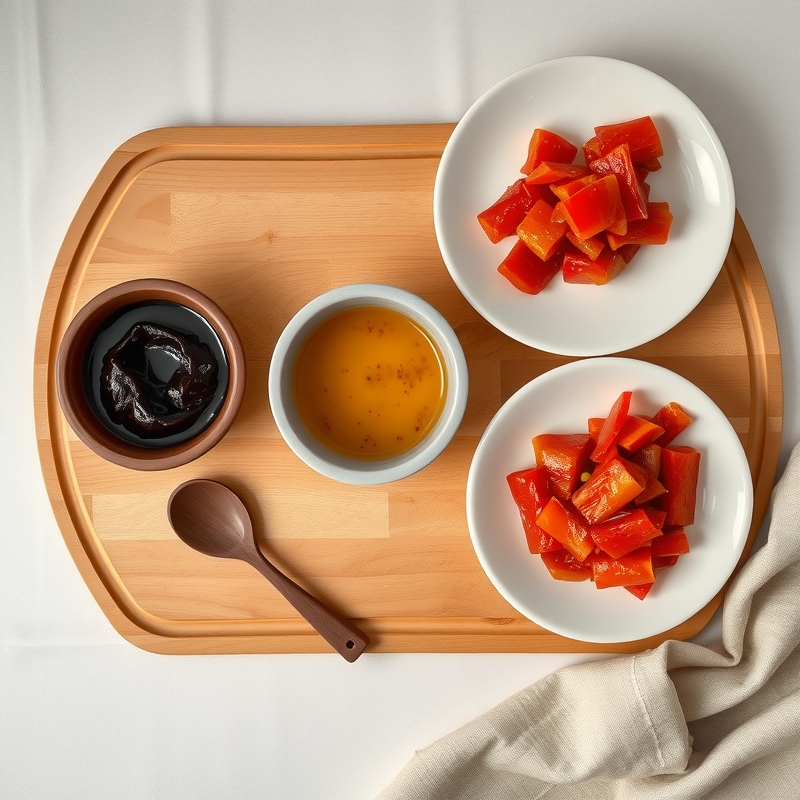
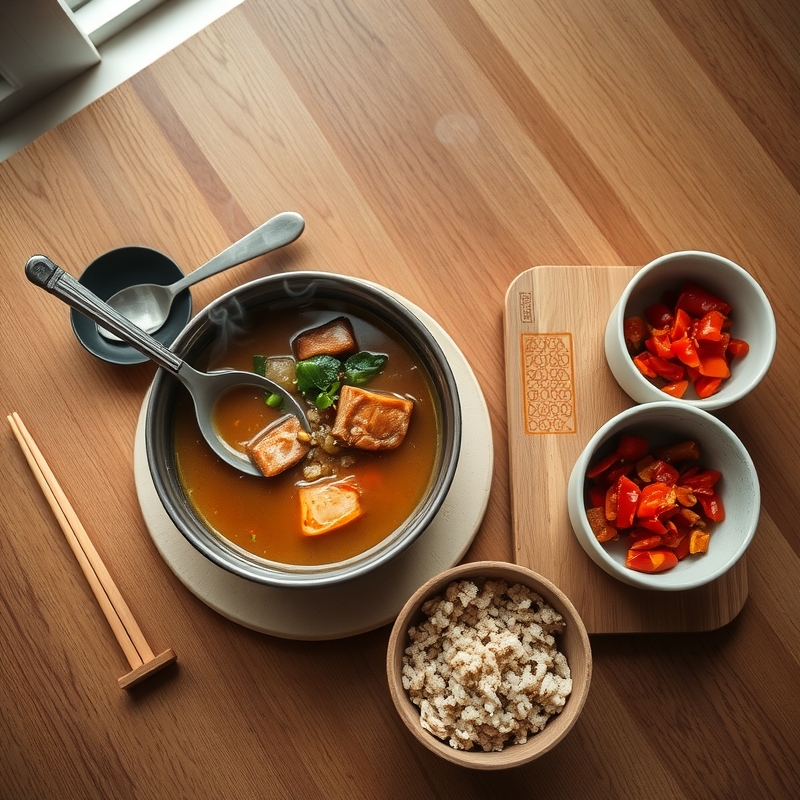
In most Korean households, fermented foods aren’t a side dish — they’re the foundation. A typical Korean meal includes 김치 (kimchi), 된장 (doenjang, fermented soybean paste), 간장 (ganjang, naturally brewed soy sauce), and often 청국장 (cheonggukjang, fast-fermented soybean paste with an intense smell that foreigners politely call “challenging”). Each one delivers different bacterial strains. Together, they create the kind of microbiome diversity that a single-strain capsule cannot replicate.
Here’s the detail most Western wellness content misses: Korean fermentation uses 장 (jang) — a centuries-old system where soybeans are fermented with Bacillus subtilis and other bacterial strains that Western probiotics rarely include. 청국장 in particular contains Bacillus subtilis, which Korean nutritionists widely recommend for its ability to support digestion and reduce visceral fat accumulation. Walk into any Korean supermarket and you’ll find 청국장 powder sold specifically as a daily health supplement, not just a cooking ingredient.
Korean mothers in their 40s and 50s don’t think of this as “taking probiotics.” They think of it as 밥상 (bapsang) — setting the table properly. The probiotic benefit is built into the meal itself. That’s why Korean supplement companies design their products differently: they formulate probiotics to mimic the multi-strain, food-matrix logic of traditional Korean fermentation, not just to hit a high CFU count on a label.
The 3-Layer Korean Gut Approach
- Fermented food base: Kimchi, doenjang, or cheonggukjang with at least one meal daily — this provides live bacteria in their natural food matrix
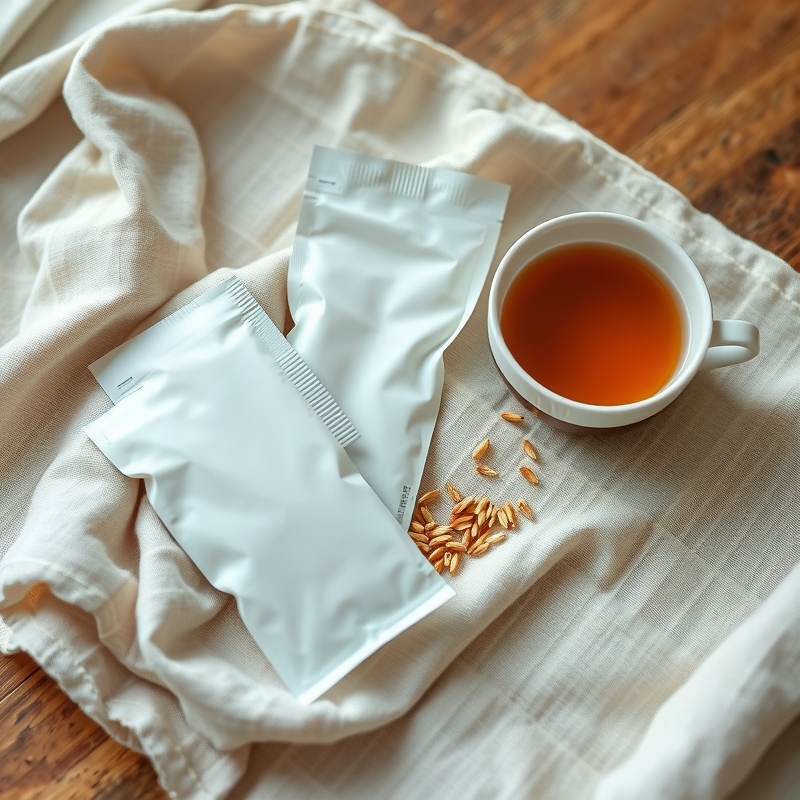
- Prebiotic fiber: Korean meals naturally include 잡곡밥 (japgokbap, multigrain rice) and roasted barley tea (보리차, boricha), which feed gut bacteria throughout the day
- Targeted supplement: A Korean-formulated probiotic with strains like L. plantarum and B. subtilis for the specific support your 40+ gut needs
This layered approach is why Korean women don’t rely on supplements alone — and why copying just one layer (buying a capsule) without the other two often leads to disappointment.
How to Choose the Right Korean Probiotic for Weight Loss After 40
Not all Korean probiotics are created equal — and the ones marketed hardest to international buyers aren’t always the ones Korean women actually take. Here’s what to look for and what to skip.
What to Look For on the Label
- Multi-strain formula with at least 4-5 strains (not just Lactobacillus acidophilus)
- Lactobacillus plantarum — the dominant strain in kimchi fermentation, widely studied for metabolic support
- Prebiotic fiber included (often listed as FOS or galactooligosaccharides) — Korean formulas almost always include this
- Shelf-stable packaging — many Korean probiotics use individual stick packets (스틱, stik) that protect bacteria from moisture
- CFU between 5-20 billion — more than enough with the right strains; above 50 billion is marketing
Korean vs. Western Probiotics: What’s Actually Different
| Feature | Typical Western Probiotic | Korean Probiotic (Recommended) | Premium Korean Clinical Grade |
|---|---|---|---|
| Strain count | 1-3 strains | 5-8 strains including kimchi-derived | 10+ strains, clinically tested combinations |
| Prebiotic included | Rarely | Almost always (FOS or fiber blend) | Yes, plus postbiotics |
| CFU focus | High count (30-100B), fewer strains | Moderate count (5-20B), more diversity | Moderate count, strain-specific dosing |
| Packaging | Bottle with 30-60 capsules | Individual stick packets (moisture-protected) | Individual packets, cold-chain shipped |
| Price range (approx.) | $15-30/month | $18-35/month | $40-60/month |
| Designed for | General digestion | Digestion + metabolic + skin support | Targeted conditions (gut barrier, weight) |
| Best for after 40 | Baseline only | Best balance of value and results | If budget allows and gut issues are severe |
Notice the middle column — that’s the sweet spot. Korean-formulated probiotics at the mid-range price typically offer the strain diversity and prebiotic support that Western brands charge premium prices for. The clinical-grade option exists but isn’t necessary for most women starting out.
Chong Kun Dang Lacto-Fit Probiotics
This is the #1 selling probiotic in South Korea — the one you’ll find in virtually every Korean household medicine cabinet. It uses a multi-strain formula with prebiotics in convenient daily stick packets, designed for the way Korean women actually take probiotics: mixed into water or yogurt with breakfast.
BB LAB Probiotics for Women
If you’ve been dealing with both gut issues and dull skin since your early 40s, this is the Korean approach in action — a probiotic formulated specifically for women, combining gut-supporting strains with the kind of skin-gut axis support that Korean beauty science has focused on for years.
CJ BYO Korean Kimchi Probiotics
Made by CJ — one of Korea’s largest food conglomerates — these capsules contain Lactobacillus plantarum strains derived directly from kimchi fermentation. It’s as close to getting kimchi’s probiotic benefits in supplement form as currently exists, without the sodium or the smell in your office lunch bag.
Frequently Asked Questions
Do Korean probiotics actually help with weight loss after 40?
Korean probiotics support weight management by improving gut microbiome diversity, which influences how your body stores fat and processes food. They are not a magic weight-loss pill — no probiotic is. But when combined with fermented foods and a balanced diet (the way Korean women actually use them), they address the gut-metabolism connection that becomes increasingly important after 40 when hormonal shifts affect digestion.
What happens if I take a probiotic without eating fermented foods?
You’ll get some benefit, but you’re leaving most of the results on the table. Probiotics work best when paired with prebiotic fiber that feeds them. Korean formulas include prebiotics to partially compensate, but adding even a small serving of kimchi, yogurt, or miso to one meal daily significantly improves how well the probiotic colonizes your gut.
How long before I notice a difference with Korean probiotics?
Most women notice reduced bloating within 2-3 weeks, with more significant changes in energy and weight around 6-8 weeks. Korean nutritionists generally recommend committing to at least 12 weeks before evaluating results. If you’re switching from a Western probiotic, you may notice bloating changes faster because you’re introducing strain diversity your gut hasn’t had before.
Can I just eat kimchi instead of taking a Korean probiotic supplement?
Kimchi is excellent, but store-bought kimchi is often pasteurized, which kills the live bacteria. If you eat freshly made or properly refrigerated unpasteurized kimchi daily, you’re getting significant probiotic benefits. But for consistent, measurable strain delivery — especially specific strains studied for metabolic support — a supplement gives you more control. Ideally, do both.
Are Korean probiotics safe to take during perimenopause?
Yes — Korean probiotics are generally safe and may be especially beneficial during perimenopause when gut microbiome diversity naturally decreases. However, if you’re taking hormone therapy or other medications, check with your doctor about timing. Some probiotics are best taken 2 hours apart from certain medications to avoid interference.
Key Takeaways
- Your probiotic likely stopped working after 40 because declining estrogen reshapes your gut microbiome, and generic single-strain supplements can’t address the new complexity your digestive system requires.
- Strain diversity matters more than CFU count — Korean probiotics typically include 5-8 strains (including kimchi-derived L. plantarum) compared to 1-3 in most Western brands.
- Korean women don’t rely on supplements alone — they use a 3-layer approach combining fermented foods (kimchi, doenjang, cheonggukjang), prebiotic fiber (multigrain rice, barley tea), and targeted supplements.
- The TikTok “Korean gut reset” misses the point — real Korean gut health is a quiet daily habit, not a dramatic 7-day cleanse. Consistency over intensity is the Korean approach.
- Pair your probiotic with food, not an empty stomach — the fiber and enzymes in a meal act as a natural prebiotic, dramatically improving bacterial survival and colonization.
- Give it 8-12 weeks before judging results — bloating relief comes in 2-3 weeks, but meaningful metabolic changes take longer, especially when your gut microbiome is rebuilding diversity after 40.
Tonight, try this: take your probiotic with dinner instead of on an empty stomach, and add a small side of kimchi — even two tablespoons. You’re creating the food matrix that Korean women have used for generations to make probiotics actually work. That one change costs nothing and takes 30 seconds.
This article contains affiliate links. If you purchase through these links, we may earn a small commission at no extra cost to you. We only recommend products we genuinely believe in.