Here’s something most people outside Korea don’t realize: the majority of Korean apartments don’t have outdoor grills, backyards, or even balconies big enough to barbecue on — yet Korean families eat homemade BBQ at least two or three times a month. The secret isn’t some fancy gadget. It’s a handful of techniques Korean home cooks have been perfecting in tiny kitchens for decades. Below are 4 methods — no grill, no smoke alarm drama, just real results.
Why Korean Households Skip the Grill Entirely — 고기구이 Culture at Home
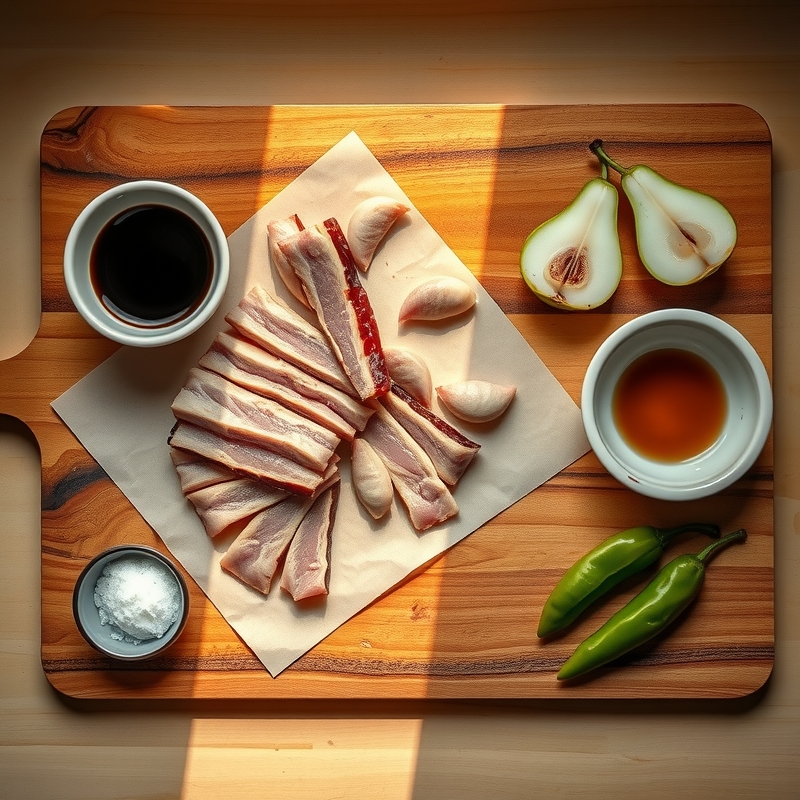
Korean BBQ, or 고기구이 (gogigui, “grilled meat”), was never about the grill — it’s about the cut, the marinade, and the sizzle. Walk into most Korean apartments in Seoul and you won’t find a Weber or a Big Green Egg. You’ll find a battered portable gas burner tucked in the pantry and a blackened griddle plate leaning against the wall.
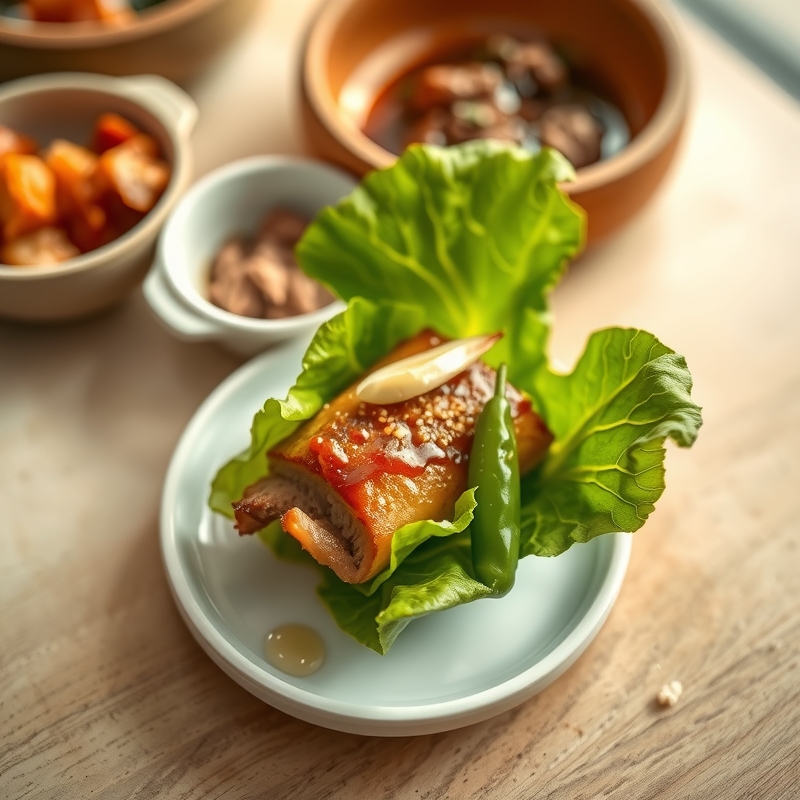
The reason is practical. Korean apartment complexes — called 아파트 (apateu) — often ban open-flame grilling on balconies due to fire codes. So Korean families adapted. They use stovetop griddle plates called 불판 (bulpan) or simply cook 삼겹살 (samgyeopsal, pork belly) on a cast iron skillet while the family gathers around the kitchen counter, wrapping each slice in lettuce with a smear of ssamjang.
This is actually good news for you. It means the most authentic Korean BBQ experience isn’t the charcoal-fired restaurant setup — it’s the cramped, loud, smoky kitchen version where someone keeps yelling to flip the meat. If you have a stove, an oven, or a $25 butane burner, you already have everything you need. And if you’re looking for a full Korean meal beyond BBQ, pairing it with a simple Korean soup like doenjang-jjigae is exactly what most Korean families do.
What You’ll Need for Korean BBQ at Home Without a Grill
Before you cook a single slice of meat, get these five things right — skipping any one will noticeably downgrade your results. The good news: you probably own most of them already.
- Thin-sliced meat — This is non-negotiable. Korean BBQ meat is sliced paper-thin (about 3mm) so it cooks in 60–90 seconds. Ask your butcher to slice it, or freeze the meat for 45 minutes and slice it yourself with a sharp knife. Best cuts: beef brisket (차돌박이, chadolbagi), pork belly (삼겹살), or ribeye for bulgogi.
- A hot, heavy cooking surface — Cast iron skillet, griddle pan, or sheet pan for the oven. Thin pans won’t hold heat and your meat will steam instead of sear.
- Lettuce wraps and banchan — Green leaf lettuce or perilla leaves (깻잎, kkaennip) for wrapping. Without the side dishes and wrapping ritual, it’s just cooked meat, not Korean BBQ.
- Sesame oil and coarse salt — For unseasoned cuts like samgyeopsal, the dipping sauce is everything: sesame oil mixed with salt and black pepper. That’s it. Simple and perfect.
- Ventilation — Open a window, turn on the range hood, or position a box fan near the kitchen. Korean BBQ indoors will produce smoke. Korean households accept this — you should too.
The Marinade That Changes Everything
For marinated BBQ like bulgogi or spicy pork (제육볶음, jeyuk bokkeum), mix these together at least 30 minutes before cooking: 3 tablespoons soy sauce, 1 tablespoon sugar, 1 tablespoon sesame oil, 2 cloves minced garlic, half a grated Asian pear or kiwi (the enzymes tenderize the meat naturally), and black pepper. That grated fruit is the detail most recipes outside Korea skip — and it’s the reason Korean BBQ marinades taste different from teriyaki.
4 Methods for Korean BBQ at Home — No Grill Required
Each method below works for a different kitchen setup and comfort level. The butane burner delivers the closest restaurant experience, but a cast iron skillet you already own will get you 90% of the way there. Without the right method for your setup, you’ll end up with steamed or rubbery meat instead of that caramelized, slightly charred texture that defines great Korean BBQ at home.
Method 1: Cast Iron Skillet (Most Accessible)
This is what most Korean families actually use on weeknights. Heat a cast iron skillet over high heat for a full 3 minutes before adding any meat — patience here is the difference between a sear and a sad steam. Add meat in a single layer with space between each piece. If you crowd the pan, moisture gets trapped and the meat boils.
Cook each side for about 60–90 seconds. You want deep brown edges, not gray. For pork belly, press each slice flat with a spatula to maximize contact with the pan. The USDA recommends cooking pork to an internal temperature of 145°F (63°C) — thin-sliced samgyeopsal reaches this in under 2 minutes per side.
Pro tip: Don’t add oil to the pan for pork belly — the fat renders out naturally. For lean beef like bulgogi, brush the pan lightly with a neutral oil (grape seed or avocado) before cooking.
Method 2: Oven Broiler (Hands-Off, Feeds a Crowd)
This is the method nobody talks about, and it’s surprisingly effective for feeding four or more people. Set your oven broiler to high. Arrange marinated meat on a wire rack set over a sheet pan (the rack lets fat drip down, mimicking a grill). Place it 4–6 inches from the broiler element.
Broil for 3–4 minutes per side. Watch it closely — broilers run hot and thin-sliced meat goes from perfect to charcoal in about 30 seconds. The wire rack setup gives you those char marks that a flat pan can’t replicate. This method works best for marinated cuts like bulgogi or galbi because the sugars in the marinade caramelize beautifully under direct overhead heat.
Method 3: Stovetop Griddle Pan (Best Grill Marks)
A ridged griddle pan gives you the visual grill marks and lets fat drip away from the meat into the channels. Preheat over medium-high for 3 minutes. The ridges need to be screaming hot.
This method shines with unmarinated pork belly and beef brisket slices, where you want rendered fat and crispy edges. Lay slices perpendicular to the ridges for maximum contact. Flip once. Resist the urge to move the meat around — one flip, that’s it.
Method 4: Portable Butane Burner (Closest to the Restaurant)
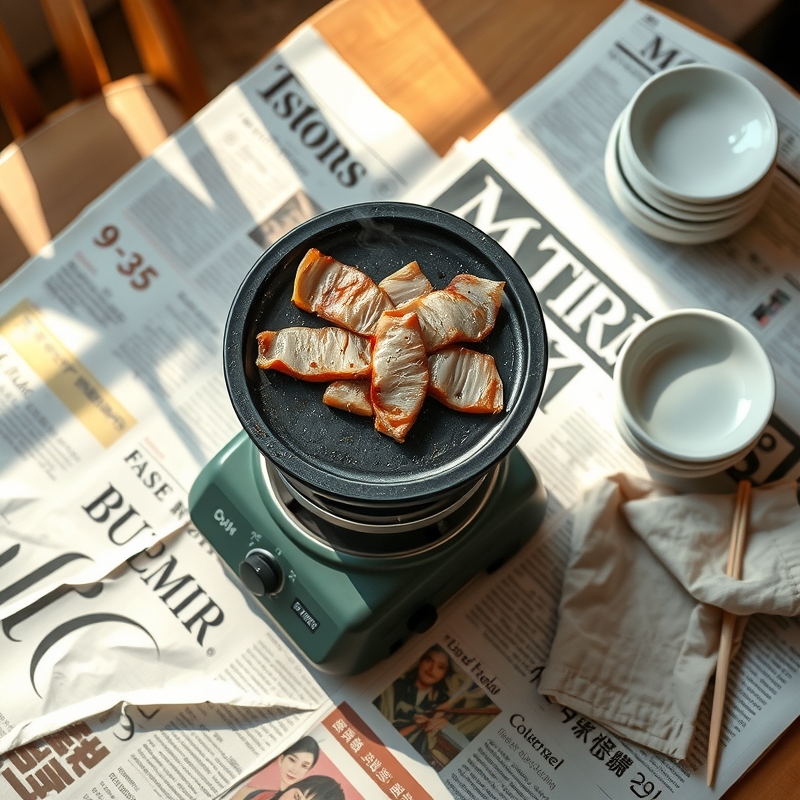
This is the real Korean move. A tabletop butane burner (부탄가스버너, butangaseu beoneo) with a round griddle plate is exactly what Korean BBQ restaurants use. The advantage: you cook at the table, everyone grills their own meat, and you get that communal, interactive experience that makes Korean BBQ special.
Butane canisters cost about $2–3 each and last roughly 90 minutes of cooking. Set it up on a dining table covered with newspaper (Korean households always lay down newspaper first — trust this step). Place the griddle plate on top, get it hot, and start grilling. This is the only method where you’ll genuinely feel like you’re sitting in a Korean BBQ restaurant. Pair it with a Korean-style egg side dish or soup and the whole table becomes a feast.
Korean BBQ Without a Grill — Method Comparison
Here’s how all four methods stack up so you can pick the right one for your kitchen.
| Feature | Cast Iron Skillet | Portable Butane Burner | Oven Broiler | Griddle Pan |
|---|---|---|---|---|
| Setup cost | $0 (most people own one) | Around $25–35 | $0 (built into oven) | Around $15–25 |
| Authenticity (vs. restaurant) | ★★★☆☆ | ★★★★★ | ★★★☆☆ | ★★★★☆ |
| Best for | Weeknight solo/couple | Group dinners, parties | Feeding 4+ people at once | Crispy pork belly, grill marks |
| Smoke level | Moderate | High (use ventilation) | Low–Moderate | Moderate |
| Cook time per batch | 2–3 minutes | 2–3 minutes | 6–8 minutes | 2–3 minutes |
| Char/caramelization | Good | Excellent | Very good (broiler heat) | Good (ridge marks only) |
| Social/communal experience | Low (cook alone, serve) | High (cook at the table) | Low (oven, then serve) | Low (cook alone, serve) |
| Overall recommendation | Great starter method | Best overall experience | Best for large batches | Best for pork belly lovers |
Recommended Products for Korean BBQ at Home
(paid link) Iwatani Portable Butane Stove — the brand Korean BBQ restaurants actually use, compact and windproof, around $25–30
Iwatani Portable Butane Stove
This is the same burner you’ll find stacked in the back of most Korean BBQ joints. It turns any dining table into a grill station — and at this price, it pays for itself after one dinner party compared to eating out.
(paid link) Check Availability & Reviews →
(paid link) Lodge Cast Iron Grill Pan — heavy enough to hold searing heat, gives real grill marks, lasts decades, under $25
Lodge Cast Iron Grill Pan
If you’re not ready for a butane burner, this is the workhorse. The ridges channel fat away from the meat just like a Korean 불판, and cast iron’s heat retention means your meat sears instead of steams.
(paid link) See Why Reviewers Love This →
(paid link) CJ Haechandle Gochujang — the exact brand most Korean households use for ssamjang and spicy pork marinade, under $10
CJ Haechandle Gochujang (Red Pepper Paste)
You’ll need this for spicy pork marinade and for mixing into ssamjang (the dipping sauce). CJ is the brand you’ll find in virtually every Korean kitchen — it’s not the artisanal choice, it’s the default one, and that’s a good thing.
(paid link) View Current Price →
Frequently Asked Questions
What happens if I don’t slice the meat thin enough for Korean BBQ at home?
Thick-cut meat won’t caramelize properly and will release too much moisture, causing it to steam instead of sear. Korean BBQ relies on thin slices (about 3mm) for fast, high-heat cooking. If your meat is thicker than 5mm, you’ll lose that signature crispy-edged, juicy-centered texture. Freeze the meat for 45 minutes to make thin slicing easier.
Can I make Korean BBQ at home without a grill using a nonstick pan?
You can, but the results will be noticeably worse. Nonstick pans can’t handle the extreme high heat needed for a proper sear, and most manufacturers recommend staying below 500°F. Cast iron or stainless steel holds and distributes heat better, giving you the Maillard reaction (browning) that makes Korean BBQ taste right.
How do I reduce smoke when cooking Korean BBQ indoors?
Open windows, run your range hood on high, and avoid cooking with the marinade still dripping wet. Pat marinated meat lightly with a paper towel before it hits the pan — excess liquid creates steam and smoke. Korean families also lay newspaper on the table and accept that the apartment will smell like meat for a day. Some people place a damp towel near the cooking area to absorb airborne grease particles.
What’s the best cut of meat for Korean BBQ without a grill?
Pork belly (삼겹살) is the most forgiving cut for beginners because its high fat content means it’s almost impossible to overcook. For beef, thinly sliced brisket (차돌박이) works beautifully in a cast iron skillet. Ribeye is ideal for bulgogi marinades. Avoid lean cuts like chicken breast — they dry out too fast with high-heat indoor methods.
Do I really need banchan (side dishes) for Korean BBQ at home?
Technically no, but without banchan, you’re eating grilled meat — not Korean BBQ. At minimum, set out lettuce leaves for wrapping, sliced garlic, sliced green chili peppers, and the sesame oil + salt dip. Kimchi is essential. These aren’t optional extras — they’re the structure that makes Korean BBQ a complete meal rather than just protein on a plate.
Key Takeaways
- Most Korean families make BBQ at home without a grill — they use cast iron skillets, portable butane burners, and stovetop griddle pans in small apartment kitchens.
- Thin-sliced meat (about 3mm) is the single most important factor — it determines whether your meat sears or steams, regardless of which cooking method you choose.
- A portable butane burner (around $25–35) delivers the most authentic Korean BBQ restaurant experience at home — cook at the table, everyone grills their own, and the communal energy transforms the meal.
- The oven broiler is the most underrated method for feeding a crowd — a wire rack over a sheet pan mimics grill grates and handles large batches without standing over a stove.
- Grated Asian pear or kiwi in your marinade is the detail most non-Korean recipes miss — the natural enzymes tenderize the meat in ways that extra soy sauce or sugar never will.
- Korean BBQ without the wrapping, banchan, and dipping sauces is just grilled meat — the lettuce, garlic, kimchi, and ssamjang are what make it a complete Korean meal.
Tonight, grab whatever meat you have, slice it as thin as you can, and get your heaviest pan screaming hot. Skip the marinade if you need to — just dip each slice in sesame oil and salt after cooking. That’s a real Korean weeknight dinner, and it takes under 15 minutes.
This article contains affiliate links. If you purchase through these links, we may earn a small commission at no extra cost to you. We only recommend products we genuinely believe in.
You Might Also Like
- Korean Fermented Food for Weight Loss: 4 Mistakes to Fix
- 7 Korean Lunch Box Ideas for Kids That Actually Get Eaten
- 5 Korean Lunch Ideas for Work You’re Getting Wrong