Quick Answer: Your Korean BBQ side dishes taste flat because you’re treating banchan like salad bar fillers instead of the balancing act Korean mothers have perfected over generations. Here’s what you need to know:
- Korean BBQ banchan follow a strict flavor-balance formula — sweet, salty, sour, spicy, and fresh in every spread
- Most home cooks skip the seasoning-rest step that develops real depth
- You need at least 3-5 side dishes to create the right contrast against grilled meat
- The #1 mistake: making everything the same temperature and texture
- Korean mothers prep banchan days ahead — not the morning of the barbecue
Last summer, a friend hosted a Korean BBQ night. She nailed the bulgogi. The grill was perfect. But the side dishes — a sad bowl of plain rice, some store-bought kimchi still cold from the jar, and a cucumber salad drowning in rice vinegar — made the whole table feel like a college dorm experiment. She turned to me and said, “Why does this never taste like the Korean BBQ place?”
I knew exactly why. And if you’ve ever felt that same gap between your home Korean BBQ and what you remember from that restaurant, you’re not imagining things. The meat was never the problem. The side dishes were.
Why Your Korean BBQ Side Dishes Taste Wrong (The Real Problem)
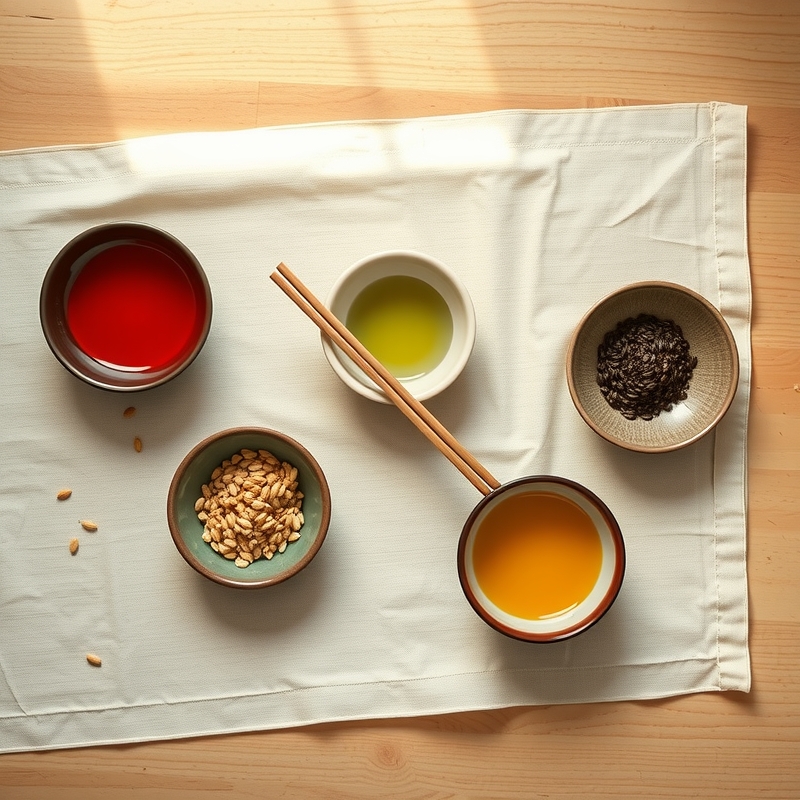
The core issue is that Western cooking treats side dishes as afterthoughts, while Korean cuisine treats 반찬 (banchan, side dishes) as the architectural foundation of the entire meal. When Korean mothers set a table for barbecue, the meat is almost secondary — it’s the banchan spread that determines whether the meal feels complete or hollow.
Think about it this way. At a Korean BBQ restaurant, you get anywhere from 5 to 12 small dishes before the meat even hits the grill. There’s a reason for that. Each one is designed to contrast, complement, and cleanse your palate between bites of rich, smoky, fatty grilled meat. Without that system of contrast, your tongue goes numb by the third piece of bulgogi.
Without proper banchan, you lose the sweet-acid brightness that cuts through beef fat. You lose the crunch that resets your palate. You lose the fermented depth that makes Korean BBQ feel layered instead of one-note. Your grilled meat doesn’t need better marinade — it needs better company on the plate.
And here’s what nobody tells you: most Korean BBQ side dish recipes online are written for speed, not for the flavor-development techniques that Korean home cooks actually use. They skip the resting time, the proper seasoning ratios, and the temperature contrast that makes banchan sing.
Signs Your Korean BBQ Side Dishes Are Missing Something
Before you search for another recipe, diagnose whether your current banchan spread has these common symptoms. Most home cooks don’t realize the problem until they see it named. Check the ones that sound familiar:
- ☐ Your side dishes all taste like variations of soy sauce and sesame oil
- ☐ Everything on the table is the same temperature (all cold or all room-temp)
- ☐ You have fewer than 3 side dishes for your BBQ spread
- ☐ Your kimchi comes straight from the fridge without any adjustment
- ☐ Nothing on the table is genuinely spicy, sour, OR crunchy — just mild and soft
- ☐ Guests eat the meat fast but leave the side dishes mostly untouched
- ☐ You made all your banchan the same day (or worse, the same hour) as the BBQ
- ☐ Your lettuce wraps fall apart or taste like plain salad
If you checked three or more, you don’t have a recipe problem — you have a system problem. And it’s fixable.
5 Korean BBQ Side Dish Mistakes Most Home Cooks Make
Mistake 1: Treating Banchan Like a Recipe Instead of a Flavor Map
Korean mothers don’t pick side dishes randomly — they follow an unspoken formula: something fermented, something fresh, something savory-sweet, something spicy, and something with crunch. When you grab three random recipes from Pinterest, you often end up with three dishes that occupy the same flavor lane.
The fix is thinking in categories, not individual recipes. Before choosing what to make, ask: do I have all five flavor roles covered? If your spread is all savory (japchae, bulgogi sauce, soy-marinated egg), you’re missing the acid and crunch that make Korean BBQ feel balanced.
Mistake 2: Skipping the Seasoning Rest
This is the single biggest difference between restaurant banchan and homemade banchan. Korean side dishes develop their real flavor 2 to 24 hours after seasoning — not the moment you toss them together. When my mother makes 시금치나물 (sigeumchi namul, seasoned spinach), she seasons it and lets it sit in the fridge for at least 4 hours before serving. The sesame oil permeates. The garlic mellows. The salt draws out moisture and concentrates flavor.
Most English-language recipes say “toss and serve.” Korean mothers say “toss and wait.” That patience is worth more than any secret ingredient.
Mistake 3: Serving Store-Bought Kimchi Straight From the Jar
Store-bought kimchi is fine as a starting point — even Korean families buy it when time is short. But serving it ice-cold and uncut from the jar is like serving pasta sauce straight from the can. Cut it into bite-sized pieces, let it come to room temperature for 20 minutes, and drizzle a tiny bit of sesame oil and toasted sesame seeds on top. This 3-minute upgrade makes a dramatic difference.
For Korean BBQ specifically, slightly aged (sour) kimchi pairs better with grilled meat than fresh, mild kimchi. If your jar has been open in the fridge for a week or two, that’s actually ideal.
Mistake 4: Ignoring Temperature Contrast
At a Korean BBQ restaurant, the meat is scorching hot off the grill. The lettuce is cold and crisp. The kimchi is cool. The ssamjang (dipping paste) is room temperature. The steamed egg is warm. That temperature range isn’t accidental — it’s what makes each bite feel different from the last.
At home, most people serve everything at the same temperature because they made it all at once. Plan your banchan so at least one dish is served cold, one at room temperature, and one warm.
Mistake 5: Making Side Dishes the Day Of
Here’s a truth that will change your Korean BBQ nights: Korean mothers prep most banchan 1 to 3 days before the meal, not the morning of. Namul (seasoned vegetables), pickled radish, and marinated bean sprouts all taste better the next day. Kimchi improves over days. Even kongnamul (bean sprouts) gets more flavorful overnight.
The only things that should be fresh the day of are lettuce leaves, sliced raw garlic and peppers, and the grilled meat itself. Everything else benefits from time.
반찬 문화 (Banchan Munhwa): Why Korean Side Dish Culture Exists
In Korean food culture, 반찬 (banchan) isn’t a nice extra — it’s the defining structure of every meal, rooted in the traditional principle of 오방색 (obangsaek), the five-color harmony. This philosophy, tied to Korean medicine and seasonal eating, holds that a balanced meal includes five colors — white, black, green, red, and yellow — each representing different nutritional properties.
Walk into any Korean household at dinnertime, and you’ll see this in action without anyone consciously thinking about it. White rice. Dark green spinach namul. Red kimchi. Yellow pickled radish (단무지, danmuji). Black seasoned seaweed. It looks like art, but it’s actually a nutritional framework that Korean grandmothers have followed for centuries.
For Korean BBQ specifically, the banchan tradition serves a practical purpose that Western barbecue culture never developed. Korean medical tradition has long held that grilled meat generates internal heat, and banchan — especially fermented and raw vegetable dishes — are meant to cool, cleanse, and aid digestion. That’s why you always see cold, crisp, and fermented dishes alongside hot grilled meat. It’s not presentation — it’s a system.
This is also why Korean BBQ lettuce wraps (쌈, ssam) are non-negotiable. The raw lettuce and perilla leaves aren’t garnish. In Korean households, wrapping meat in leaves with a dab of 쌈장 (ssamjang) and a slice of raw garlic is considered the proper way to eat barbecue — it creates balance in every single bite.
Understanding this philosophy transforms how you approach side dishes. You stop thinking “what recipe should I add?” and start thinking “what role is missing from this table?”
Korean BBQ Side Dish Recipes: 5 Fixes That Actually Work
Fix 1: The Flavor Map Spread (Your Baseline 5)
Start with these five roles, and your Korean BBQ will instantly feel more authentic than 90% of home attempts. Each role can be filled by different dishes depending on what’s in your fridge:
- Fermented: Kimchi (napa cabbage or radish) — aged at least a week
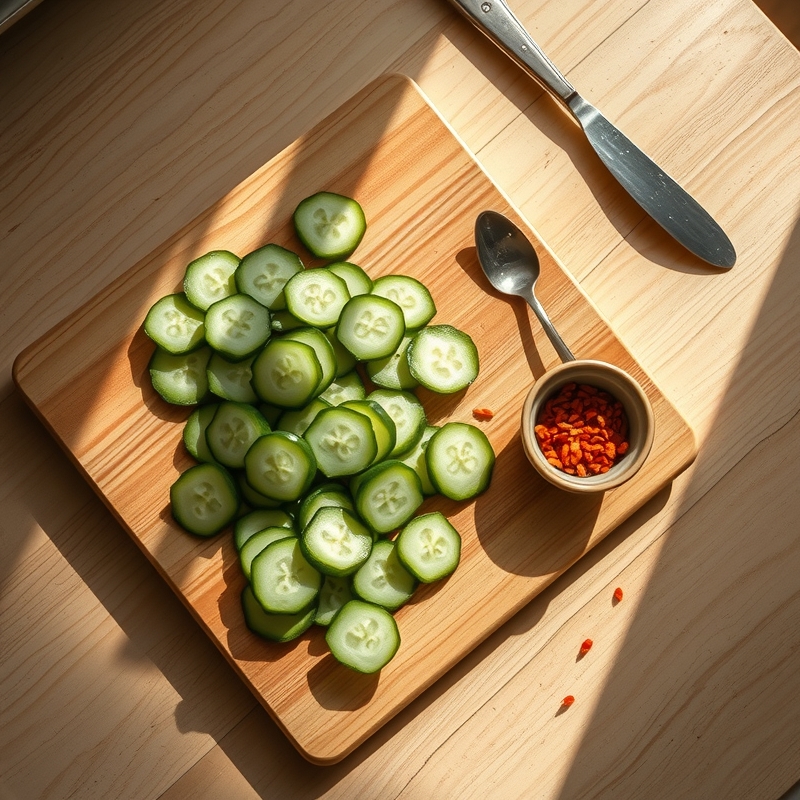
- Fresh and crunchy: 오이무침 (oi-muchim, spicy cucumber salad) — thinly sliced cucumber, gochugaru, rice vinegar, sesame oil, pinch of sugar, rested 30 minutes
- Savory-sweet: 잡채 (japchae, glass noodles with vegetables) — stir-fried sweet potato noodles with soy sauce, sesame oil, and julienned vegetables, served room temperature
- Earthy and nutty: 시금치나물 (sigeumchi namul, sesoned spinach) — blanched spinach, soy sauce, sesame oil, minced garlic, toasted sesame seeds, rested at least 2 hours
- Bright and acidic: 무생채 (musaengchae, spicy radish salad) — julienned Korean radish, gochugaru, rice vinegar, fish sauce, sugar, rested 1 hour
When I pack banchan for outdoor BBQ gatherings, I use stackable stainless steel containers because they keep each dish separate and at the right temperature — the sauces don’t bleed into each other, and everything stays organized for transport.
Stainless Steel Banchan Containers (Set)
The same style Korean households use for storing and serving banchan — keeps side dishes separated, stackable in the fridge, and ready to pull straight to the table. Under $20 for a set.
(paid link)
Check Current Price on Amazon →
Fix 2: The 24-Hour Head Start
Make your namul dishes and pickled vegetables the day before your Korean BBQ. Here’s a realistic timeline that Korean working mothers actually follow:
- 2 days before: Make kimchi adjustments (cut, season with extra sesame oil if needed) and pickled radish (단무지)
- 1 day before: Prepare all namul (spinach, bean sprouts, fernbrake if you have it), japchae, and marinated eggs
- Day of: Wash lettuce and perilla leaves, slice raw garlic and peppers, make ssamjang, and focus entirely on the meat
This isn’t extra work — it’s redistributed work. And the side dishes genuinely taste better for it.
Fix 3: The Cucumber Salad That Changes Everything
If you make only one side dish from scratch, make 오이무침 (oi-muchim). It takes under 10 minutes and provides the cold, spicy, crunchy contrast that grilled meat desperately needs.
- Slice 2 Korean or Persian cucumbers into thin rounds (about 3mm thick)
- Sprinkle with 1 teaspoon salt and let sit for 15 minutes, then squeeze out excess water
- Toss with: 1 tablespoon gochugaru (Korean red pepper flakes), 1 teaspoon rice vinegar, 1 teaspoon sesame oil, ½ teaspoon sugar, ½ teaspoon minced garlic
- Rest in the fridge for at least 30 minutes before serving
The resting step matters — those 30 minutes let the gochugaru hydrate and the flavors meld into something that tastes like it took effort. Serve cold alongside hot-off-the-grill meat and the temperature contrast alone will elevate your entire spread.
Taekyung Korean Gochugaru (Red Pepper Flakes)
This is the backbone of Korean banchan flavor — the sun-dried Korean chili flakes that make cucumber salad, kimchi, and radish salad taste authentic instead of generically spicy. Around $10-15 for a bag that lasts months.
(paid link)
See Why Reviewers Love This →
Fix 4: Upgrade Your Wrap Game
The lettuce wrap (쌈) is where Korean BBQ either comes together or falls flat — and most home cooks use the wrong lettuce. Iceberg is too watery and tears. Romaine is too stiff and flavorless.
Korean BBQ restaurants use green leaf lettuce or red leaf lettuce — soft enough to wrap, sturdy enough to hold. Even better, add 깻잎 (kkaennip, perilla leaves) if you can find them at an Asian grocery store. Perilla has a distinct herbal, slightly minty flavor that Koreans consider essential to the BBQ experience.
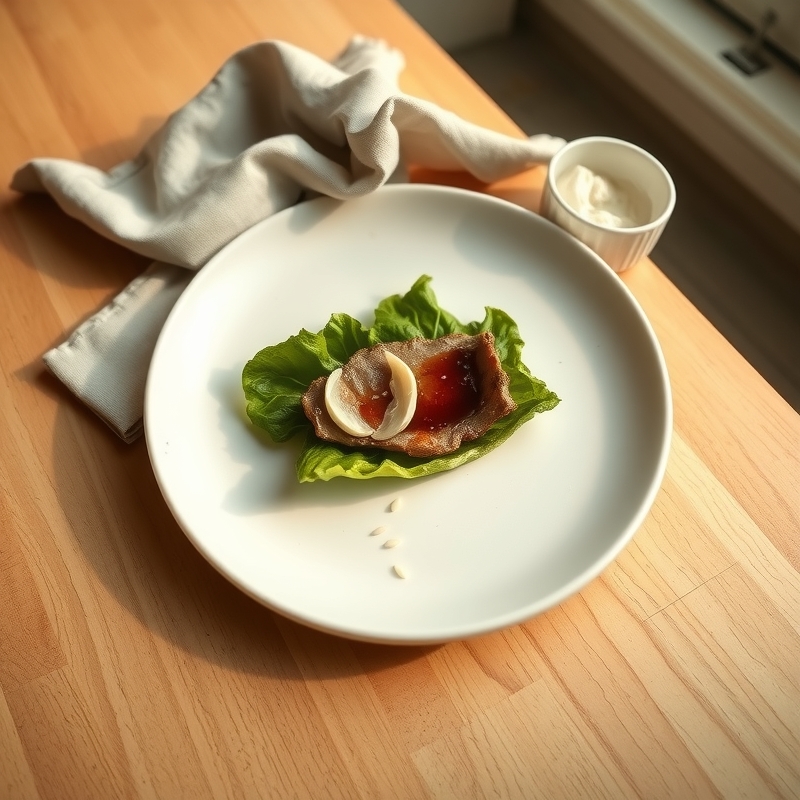
The proper ssam assembly: one lettuce leaf, one piece of grilled meat, a small dab of ssamjang, one thin slice of raw garlic, and optionally a piece of fresh green chili pepper. Fold it into a one-bite package. That’s the canonical Korean BBQ bite — and it’s the reason Korean BBQ feels like a complete experience, not just grilled meat on a plate.
Fix 5: The Two Condiments You’re Probably Missing
쌈장 (ssamjang) and 참기름 소금 (chamgireum sogeum, sesame oil salt dip) are the two Korean BBQ condiments that tie everything together — and most home BBQs skip both.
Ssamjang is a thick, savory-sweet paste made from mixing doenjang (fermented soybean paste) and gochujang (red pepper paste) with sesame oil, minced garlic, and a touch of sugar. You can buy premade ssamjang, but the homemade version takes 2 minutes and tastes noticeably better:
- 2 tablespoons doenjang
- 1 tablespoon gochujang
- 1 teaspoon sesame oil
- 1 teaspoon minced garlic
- 1 teaspoon sugar
- Optional: finely chopped green onion
The sesame oil salt dip is even simpler — just mix good sesame oil with coarse salt and black pepper in a small dish. In Korean BBQ restaurants, you’ll see this for dipping unseasoned grilled meat like 삼겹살 (samgyeopsal, pork belly). It sounds too simple to matter, but that combination of toasted sesame and salt against hot, fatty meat is one of the most satisfying flavors in Korean cooking.
Korean BBQ Side Dishes Comparison: Quick-Reference Table
| Side Dish | Prep Time | Make-Ahead? | Flavor Role | Difficulty |
|---|---|---|---|---|
| 김치 (Kimchi) | 3 min (store-bought upgrade) | Days ahead — improves with age | Fermented, spicy, acidic | Easiest (buy + adjust) |
| 오이무침 (Spicy Cucumber) | 10 min + 30 min rest | 1 day ahead (best same day) | Cold, crunchy, spicy-bright | Easy |
| 시금치나물 (Spinach Namul) | 15 min + 2-4 hr rest | 2-3 days ahead (flavor improves) | Earthy, nutty, savory | Easy |
| 잡채 (Japchae) | 30 min | 1-2 days ahead (serve room temp) | Savory-sweet, chewy | Medium |
| 무생채 (Spicy Radish Salad) | 15 min + 1 hr rest | 2-3 days ahead | Bright, acidic, crunchy | Easy |
| 콩나물무침 (Bean Sprout Salad) | 10 min + overnight rest | 2-3 days ahead (best overnight) | Clean, crisp, mild | Easiest |
| 계란찜 (Steamed Egg) | 15 min | Day of only (doesn’t keep well) | Warm, soft, mild-savory | Medium |
Best strategy for busy weeknights: Make spinach namul, bean sprout salad, and spicy radish on Sunday. Buy kimchi and adjust it. On BBQ night, you only need 10 minutes for cucumber salad and 2 minutes for ssamjang. That’s a 7-dish spread with under 15 minutes of day-of work.
Frequently Asked Questions
What happens if I serve Korean BBQ without side dishes?
You end up with grilled meat fatigue by the fourth bite. Without the acid, crunch, and fermented flavors of banchan, your palate can’t reset between bites. The fat builds up, everything starts tasting the same, and the meal feels heavy rather than satisfying. Korean side dishes aren’t decoration — they’re the reason Korean BBQ works as a complete eating experience.
How many Korean BBQ side dishes do I actually need?
A minimum of 3 to 5 sides for a home Korean BBQ, covering fermented, fresh, and savory-sweet roles. Korean restaurants typically serve 5 to 12, but at home, 5 well-chosen banchan with good variety will feel abundant. The key isn’t quantity — it’s making sure you have flavor contrast and temperature variety across whatever you serve.
Can I make Korean BBQ side dishes ahead of time?
Yes — in fact, most banchan taste better when made 1 to 3 days ahead. Namul (seasoned vegetable dishes), pickled items, and kimchi all improve as the seasonings penetrate. The only dishes that should be made fresh the day of are lettuce leaves, steamed egg (계란찜), and anything with raw cucumber that you want to stay crisp. Korean mothers routinely prep banchan over the weekend for the entire week.
What’s the difference between banchan and regular side dishes?
Banchan are specifically designed as shared, communal dishes meant to balance and complement the main course — not stand alone. Unlike Western side dishes (which are often just smaller portions of main-dish-quality food like mashed potatoes), banchan are intentionally small, intensely flavored, and meant to be eaten in tiny bites between bites of rice or meat. They follow Korean cuisine’s balance principles of contrasting flavors, colors, and textures across the entire table.
What Korean BBQ side dishes are good for beginners?
Start with spicy cucumber salad (오이무침) and seasoned bean sprouts (콩나물무침) — both take under 15 minutes and require no special equipment. Add store-bought kimchi (dressed up with sesame oil and seeds) and homemade ssamjang, and you already have a solid 4-dish spread. From there, spinach namul is the next easiest addition and keeps well in the fridge for days.
Key Takeaways
- Korean BBQ side dishes follow a deliberate flavor map — fermented, fresh, savory-sweet, spicy, and crunchy — not random recipe picks from Pinterest
- The seasoning rest is the single most important step that separates restaurant-quality banchan from homemade attempts — most dishes need 2 to 24 hours for flavors to develop
- Make banchan 1 to 3 days ahead and your BBQ night becomes almost effortless — only lettuce, raw garlic, and meat need to be fresh
- Temperature contrast matters as much as flavor contrast — serve cold, room-temperature, and warm dishes alongside scorching-hot grilled meat
- 5 well-chosen sides beat 10 random ones — cover the five flavor roles and your spread will feel more complete than a buffet of similar-tasting dishes
- 쌈장 (ssamjang) takes 2 minutes to make from scratch and it’s the one condiment that ties the entire Korean BBQ experience together — don’t skip it
Tonight, try this one thing: take whatever kimchi you have in your fridge, cut it into bite-sized pieces, let it sit at room temperature for 20 minutes, and finish it with a drizzle of sesame oil and a sprinkle of toasted sesame seeds. That single upgrade will change how your next Korean BBQ tastes — and it takes less time than preheating your grill.
This article contains affiliate links. If you purchase through these links, we may earn a small commission at no extra cost to you. We only recommend products we genuinely believe in.
You Might Also Like
- Korean Hangover Cure After 50: 5 Remedies Nobody Mentions
- Korean Skincare Steps Day and Night — 5 Hidden Mistakes
- 7 Korean Ramen Recipes at Home That Actually Taste Real