Quick Answer: Korean hangover cures work because they target the actual causes of a hangover — acetaldehyde buildup, dehydration, and inflammation — not just the headache. Here’s what you need to know:
- Korean pear juice (배즙) taken BEFORE drinking can speed up alcohol metabolism
- Bean sprout soup (콩나물국) contains asparagine, which supports your liver’s detox process
- 해장국 (haejangguk), Korea’s iconic hangover soup, rehydrates and replenishes minerals lost overnight
- Honey water and plum extract provide quick fructose to help your body process what’s left
- The Korean approach is a sequence, not a single miracle fix — and it matters more after 50 when your liver slows down
My American friend Diane — 58, retired teacher, wine-with-dinner type — visited me in Seoul last fall. After two glasses of soju at dinner, she woke up feeling like she’d been hit by a truck. I handed her a bowl of kongnamul-guk and a small glass of pear juice. By noon she was walking around Insadong asking me why nobody told her about this twenty years ago. The truth is, Korean hangover remedies aren’t trending secrets — they’re what Korean mothers and grandmothers have quietly done for generations, and they work especially well for women over 50 whose bodies no longer bounce back the way they used to.
Why Korean Hangover Cures Hit Different After 50
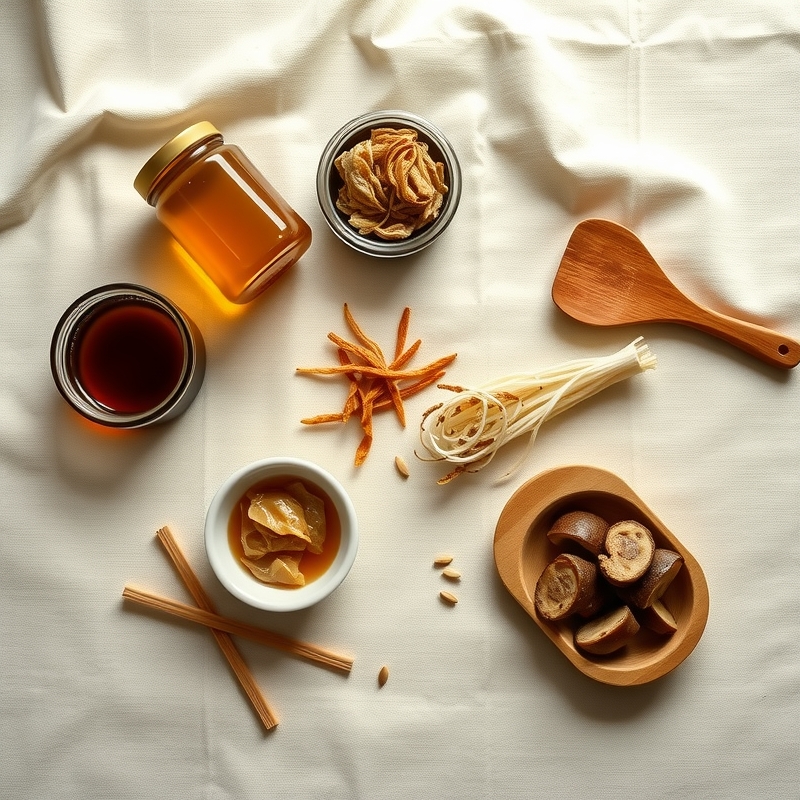
After 50, your liver produces less alcohol dehydrogenase — the enzyme responsible for breaking down alcohol — which means hangovers last longer and feel worse. If you’ve noticed that two glasses of wine now ruins your entire next day when it barely registered at 35, you’re not imagining things. Your body’s alcohol processing has genuinely slowed down.
According to the National Institute on Alcohol Abuse and Alcoholism (NIAAA), age-related changes in body composition — less water, more fat — mean alcohol stays concentrated in your bloodstream longer. Add post-menopausal hormonal shifts, and you’ve got a perfect storm for brutal morning-afters.
Here’s what most Western hangover advice misses: it focuses on masking symptoms. Take ibuprofen. Drink Gatorade. Eat greasy food. Korean remedies work differently because they target the three actual mechanisms behind a hangover:
- Acetaldehyde buildup — the toxic byproduct your liver creates while processing alcohol (this is what causes nausea and headaches)
- Dehydration and mineral loss — alcohol is a diuretic, and after 50, your baseline hydration is already lower
- Gut inflammation — alcohol irritates your stomach lining, and Korean soups are specifically designed to soothe it
The Korean approach isn’t one magic pill. It’s a sequence of remedies timed to how your body actually processes alcohol — before, during, and after. And once you understand the sequence, you’ll wonder why Western culture never figured this out.
해장 (Haejang) Culture: Why Korea Takes Hangovers More Seriously Than Anywhere Else
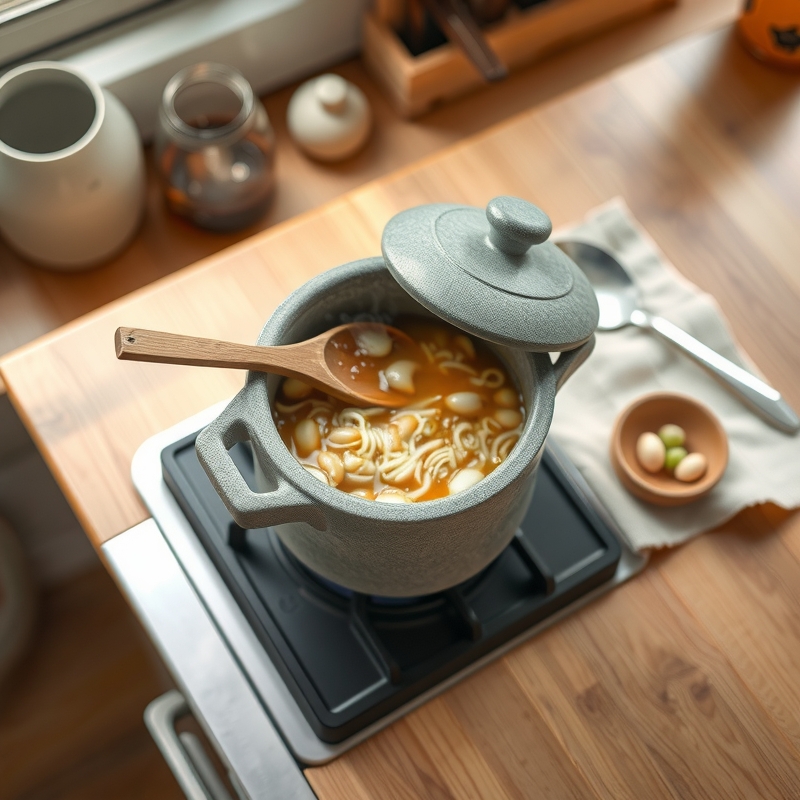
The Korean word for hangover cure is 해장 (haejang), which literally translates to “releasing the organs” — and that one phrase tells you everything about how differently Korea thinks about recovery. It’s not about powering through. It’s about helping your body let go of what’s poisoning it.
Korea has one of the most deeply embedded drinking cultures in the world. 회식 (hoesik) — company dinner gatherings where drinking is practically mandatory — has been a cornerstone of Korean work life for decades. When an entire culture drinks together this regularly, they don’t rely on Advil and hope. They develop systems.
Walk through any Korean city at 5 AM and you’ll find 해장국 (haejangguk) restaurants already packed. Not late-night drunk food — early-morning recovery stations, open specifically for people who need to function by 9 AM. These restaurants have existed for centuries. The Joseon Dynasty (1392-1897) documented hangover soups in royal medical texts.
In most Korean households, hangover care is a form of 정 (jeong) — that untranslatable Korean concept of deep familial affection expressed through action. When my mother makes 콩나물국 for my father after a work dinner, she’s not just cooking soup. She’s saying I noticed, I care, I’ll help you recover. Korean grandmothers keep dried bean sprouts, 매실청 (maesil-cheong, green plum extract), and 배즙 (baejup, Korean pear juice) stocked the way American households keep Tylenol.
This matters for you because it means these remedies have been refined across generations — not invented by a wellness brand last year.
Before You Start: Your Korean Hangover Cure Pantry
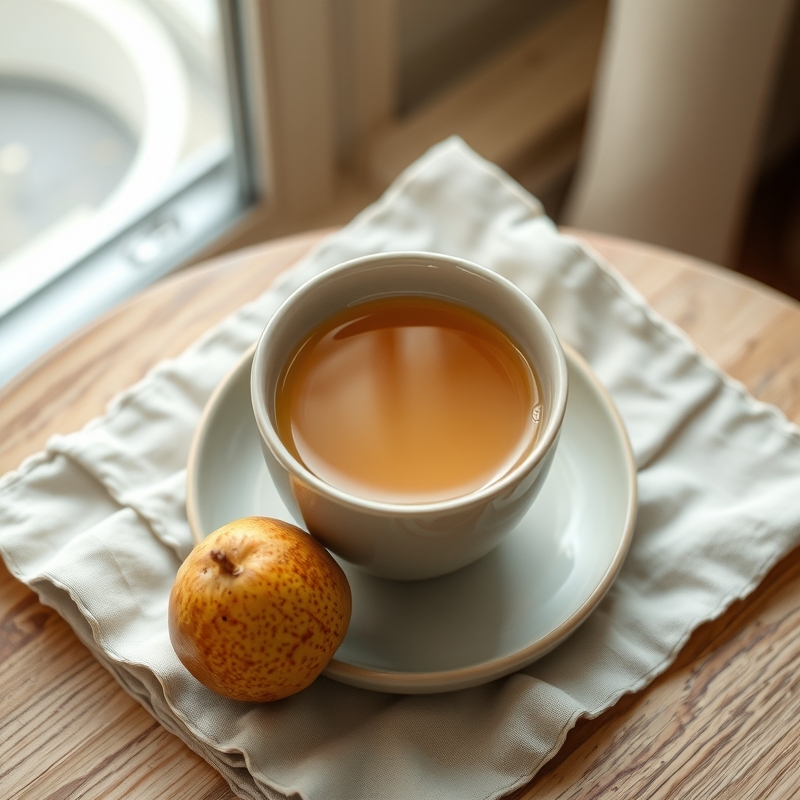
Stock these five items once and you’ll be prepared for any morning-after situation for months. Most are shelf-stable, inexpensive, and available at any Korean grocery store or online.
- Korean pear juice (배즙, baejup) — sold in small foil pouches or bottles. Look for 100% pear juice with no added sugar. Around $8-15 for a box of pouches (prices vary).
- Dried soybean sprouts (콩나물, kongnamul) — fresh is best, but dried works in a pinch. Fresh sprouts keep about a week in the fridge.
- Doenjang (된장, Korean fermented soybean paste) — the backbone of many hangover soups. One tub lasts months refrigerated.
- Green plum extract (매실청, maesil-cheong) — a thick, sweet-tart syrup. One spoonful in warm water settles your stomach almost immediately. Around $10-15 per bottle.
- Korean radish (무, mu) or dried radish — adds the clean, refreshing bite to hangover soups that cuts through nausea.
Optional but helpful: anchovy or kelp stock packets (for quick soup base), tofu, and Korean chili flakes (고추가루) if you like a little heat in your recovery soup.
Step 1 — Korean Pear Juice Before Drinking: The Pre-Game Secret Korean Women Know
Korean pear juice is most effective when consumed BEFORE you drink alcohol, not after — and this is the detail most Western articles about Korean hangover cures get completely wrong.
Research indexed on PubMed for Asian pear and alcohol metabolism suggests that compounds in Asian pears (specifically the Shingo variety — the large, round, crispy Korean pear) may help boost the activity of alcohol dehydrogenase and aldehyde dehydrogenase, the two key enzymes your liver uses to break down alcohol and its toxic byproducts.
The timing matters: drinking pear juice before alcohol gives those enzymes a head start. Think of it as warming up your liver the way you’d stretch before exercise. After 50, when enzyme production has already slowed, this head start is even more valuable.
How to do it: Drink one pouch or about 200ml of Korean pear juice 30-60 minutes before your first glass of wine. That’s it. No complicated routine. Korean women in their 50s and 60s I know treat this the way Americans treat a pre-dinner appetizer — it’s just what you do.
Korean Pear Juice (배즙) Pouches
When I know I’ll have wine at dinner, I drink one of these pouches about 30 minutes before — the concentrated Korean pear supports your liver’s enzyme activity when it matters most. Usually under $15 for a box that lasts weeks.
Step 2 — Bean Sprout Soup (콩나물국): The Morning-After Standard Every Korean Household Knows
If Korean pear juice is the pre-game, 콩나물국 (kongnamul-guk) is the morning-after workhorse — and it takes less than 15 minutes to make. This is the soup Korean mothers make instinctively the morning after any family gathering where alcohol was involved.
Why bean sprouts specifically? They’re rich in asparagine, an amino acid that helps your liver process acetaldehyde — the toxic compound responsible for that pounding headache and queasy stomach. The warm broth rehydrates you. The light, clean flavor doesn’t fight your sensitive stomach the way greasy bacon and eggs would.
Here’s what Diane said after her first bowl: “It feels like someone wrung out a wet towel that was sitting on my brain.” That’s the asparagine working.
Quick kongnamul-guk recipe (15 minutes):
- Boil 4 cups of water with a handful of dried anchovies or a piece of kelp (or use stock)
- Add 2 generous handfuls of washed soybean sprouts
- Add 1 tablespoon of minced garlic and 1 tablespoon of fish sauce (or soup soy sauce)
- Simmer for 10 minutes — do not open the lid while it cooks (Korean grandmothers insist on this — opening the lid lets the raw bean flavor escape, leaving a bitter taste)
- Add sliced green onion, a pinch of salt, and optionally a cracked egg in the last minute
The “don’t lift the lid” rule isn’t superstition. Raw soybean sprouts release a grassy, slightly bitter compound when exposed to air during cooking. Keeping the lid on lets the steam cook the sprouts evenly and produces that clean, sweet broth Korean hangover recovery depends on.
Step 3 — 해장국 (Haejangguk): The Heavy-Duty Korean Hangover Cure for Rough Mornings
When bean sprout soup isn’t enough — when it was more than wine, when the headache goes past your temples, when you genuinely wonder if you’re getting too old for this — 해장국 is the remedy Korean culture built for exactly that level of misery.
해장국 isn’t one recipe. It’s an entire category of rich, deeply savory soups designed to pull you back from the brink. The most common versions:
- 뼈해장국 (ppyeo-haejangguk) — pork spine soup simmered with napa cabbage and potatoes in a deep, beefy broth. The most popular version in Seoul.
- 선지해장국 (seonji-haejangguk) — made with ox blood curd. It sounds intense, but it’s incredibly iron-rich and restorative. Your Korean grandmother’s go-to.
- 북어해장국 (bugeo-haejangguk) — dried pollack soup. Lighter than the others, easier to make at home, and especially gentle on an inflamed stomach. This is the one I recommend starting with.
Easy bugeo-haejangguk at home (20 minutes):
- Tear dried pollack (북어채) into bite-sized pieces and soak briefly in water
- Sauté the pollack pieces in a tablespoon of sesame oil with minced garlic for 2 minutes
- Add 3-4 cups of water, 1 tablespoon of doenjang (된장), and bring to a boil
- Add cubed tofu and a beaten egg, stirring gently
- Simmer for 10 minutes, season with salt, finish with sliced green onion
The combination of protein from the egg and tofu, the probiotic depth from doenjang, and the mineral-rich broth addresses dehydration, nutrient depletion, and gut inflammation simultaneously. It’s not a cure in the way Advil is a painkiller — it’s a restoration in the way a good meal is medicine.
Step 4 — Quick Fixes: Honey Water (꿀물) and Green Plum Extract (매실청)
Not every morning-after calls for soup. Sometimes you need something you can swallow in 30 seconds while your eyes are still half-closed. These two Korean quick fixes work as immediate relief while you decide if the situation calls for a full soup intervention.
꿀물 (Kkulmul) — Honey Water
One tablespoon of Korean honey (or any raw honey) in a mug of warm water. The fructose in honey helps your body metabolize alcohol faster, and the warm water starts rehydration immediately. Korean mothers give this to their adult children the moment they walk through the door after a late night — before bed, not the next morning. Timing matters: honey water works best before you sleep, not after you wake up wrecked.
매실청 (Maesil-cheong) — Green Plum Extract
This is Korea’s all-purpose digestive remedy, and it’s particularly effective for the nausea component of a hangover. One teaspoon of 매실청 in warm water. The citric acid and natural enzymes in fermented plum extract settle your stomach and support digestion when your gut is inflamed from alcohol. Most Korean households keep a jar of this year-round — it’s homemade every June when green plums are in season, and one batch lasts over a year.
Korean Green Plum Extract (매실청)
When my stomach is off after a late dinner with wine, I stir a teaspoon of this into warm water — it settles everything in minutes. The same extract Korean grandmothers make from scratch every summer, now shelf-ready. Usually around $10-15 per jar.
Step 5 — The Full Korean Hangover Cure Sequence (Put It All Together)
The real power of the Korean approach isn’t any single remedy — it’s the sequence, timed to match your body’s alcohol processing stages. Here’s the complete timeline Korean women in their 50s and 60s follow:
- 30-60 minutes before drinking: One pouch of Korean pear juice (배즙)
- During the evening: Alternate alcoholic drinks with water. Eat protein-rich anju (안주, drinking food) — not chips, but tofu, grilled fish, or egg-based dishes
- Before bed: A mug of honey water (꿀물) — one tablespoon of honey in warm water
- Morning after (immediate): A teaspoon of 매실청 in warm water to settle the stomach
- Morning after (within 1 hour): A bowl of 콩나물국 (bean sprout soup) or 해장국 for full recovery
You don’t need to do all five every time. Two glasses of wine at book club? Pear juice before and honey water at bedtime is probably enough. A proper dinner party with cocktails? Run the full sequence. The point is that Korean hangover wisdom gives you a toolkit, not a single blunt instrument — and after 50, precision matters more than force.
Korean Hangover Cure vs. Western Remedies: What Actually Works
| Feature | Western Approach (Advil + Gatorade) | Korean Full Sequence (Recommended) | Convenience Store Hangover Drinks |
|---|---|---|---|
| Targets acetaldehyde? | No — masks pain only | Yes — pear juice + bean sprout asparagine | Partially — some contain DHM extract |
| Rehydration | Electrolyte drinks (often high in sugar) | Mineral-rich broth + water-dense vegetables | Small volume, limited hydration |
| Gut inflammation relief | Ibuprofen can WORSEN stomach lining | Doenjang + warm broth soothes gut lining | No gut benefit |
| Timing | Reactive (after symptoms start) | Preventive + reactive (before, during, after) | Reactive only |
| Cost per hangover | Around $3-5 (pills + sports drink) | Around $2-4 (pantry staples, homemade) | Around $3-8 per bottle |
| Stomach safety after 50 | NSAIDs risky with aging stomach lining | Gentle, food-based, no medication risk | Generally safe, but limited |
| Nourishment | None — empty calories at best | Full meal with protein, minerals, vitamins | None |
Notice the middle column. The Korean sequence costs less, carries no NSAID risk for your stomach lining (which matters increasingly after 50), and addresses the root causes instead of just the headache. The Korean approach treats a hangover as a nutritional deficit, not a pain problem — and that distinction changes everything.
What TikTok Gets Right (and Wrong) About Korean Hangover Cures
If you searched “Korean hangover cure” because you saw a viral video of someone chugging a tiny bottle from a Korean convenience store, let’s talk about what that actually is — and what it isn’t.
Those small bottles — brands like 컨디션 (Condition) and 여명808 (Dawn 808) — are a real part of Korean culture. You’ll find them at every convenience store checkout counter, and plenty of Korean adults drink them before a night out. They typically contain a mix of oriental raisin tree extract (헛개나무, heotnamu), turmeric, and other herbal ingredients.
What TikTok gets right: these drinks do exist, they are widely used in Korea, and the oriental raisin tree extract in them has been part of Korean herbal medicine (한방, hanbang) for centuries.
What TikTok gets wrong: framing them as magic bullets. In Korean culture, these convenience drinks are considered a quick supplement — not a replacement for the real recovery sequence of proper food, hydration, and rest. No Korean grandmother would hand you a tiny bottle and say “you’re cured.” She’d hand you the bottle and then start making soup.
For women over 50, I’d prioritize the food-based approach over the bottled drinks. The soups deliver hydration, protein, minerals, and gut-soothing compounds that a 100ml bottle simply cannot. The bottles are fine as an addition, but they’re the least important part of the Korean hangover cure system.
Frequently Asked Questions
What happens if I skip the Korean pear juice before drinking?
Your hangover will likely be worse, but the morning remedies still help. Korean pear juice is the preventive layer — it gives your liver enzymes a head start on processing alcohol. Without it, you’re relying entirely on the morning-after remedies, which still work but can’t undo the extra acetaldehyde that built up overnight. If you only do one thing on this list, make it the pear juice before drinking.
Can I use regular pear juice instead of Korean pear juice?
Korean pears (Asian pears, 배) and Western pears are different varieties with different compound profiles. The research on alcohol metabolism specifically used Asian pears (Pyrus pyrifolia), which have higher water content and different enzymatic compounds than Bartlett or Bosc pears. For best results, use Korean/Asian pear juice — it’s widely available online and at Korean grocery stores.
Is bean sprout soup safe to eat on an empty, queasy stomach?
Yes — it’s specifically designed for sensitive stomachs, which is why it’s Korea’s go-to morning-after food. Unlike greasy Western hangover foods that can worsen nausea, 콩나물국 is light, broth-based, and gentle on inflamed stomach lining. The warm liquid also helps with rehydration without the sugar load of sports drinks.
How is the Korean hangover cure different for women over 50?
After 50, the Korean sequence matters more because your body’s alcohol processing is slower. Lower enzyme production means acetaldehyde stays in your system longer, and post-menopausal changes in body composition mean alcohol affects you faster. Korean women in their 50s and 60s tend to emphasize the preventive steps (pear juice, eating well while drinking) over relying on morning-after recovery alone.
Do I need to eat Korean food while drinking for these remedies to work?
No, but eating protein-rich foods while drinking does help — Korean or otherwise. In Korean drinking culture, 안주 (anju, drinking food) always accompanies alcohol. The principle is sound regardless of cuisine: protein and fat slow alcohol absorption. If you’re having wine at home, pair it with cheese, nuts, or grilled fish rather than drinking on an empty stomach.
Key Takeaways
- Korean hangover cures work as a timed sequence — pear juice before, honey water at bedtime, soup in the morning — not a single miracle remedy
- After 50, your liver processes alcohol significantly slower, making the preventive steps (pear juice, eating protein while drinking) even more important than morning-after fixes
- 콩나물국 (bean sprout soup) takes 15 minutes and contains asparagine, an amino acid that helps your liver break down the toxic byproducts of alcohol
- Korean pear juice is most effective BEFORE drinking, not after — this is the most commonly misunderstood detail about Korean hangover remedies
- The Korean approach treats hangovers as a nutritional deficit, not a pain problem — which is why food-based remedies work better (and safer) than NSAIDs, especially for aging stomach lining
- 매실청 (green plum extract) in warm water is the fastest single-step fix for morning nausea — most Korean households keep a jar stocked year-round
Quick Reference: Korean Hangover Cure Timeline
| When | What to Do | Why It Works |
|---|---|---|
| 30-60 min before drinking | Drink 200ml Korean pear juice | Boosts alcohol-processing enzymes |
| While drinking | Eat protein-rich anju, alternate with water | Slows alcohol absorption |
| Before bed | 1 tbsp honey in warm water | Fructose aids alcohol metabolism |
| Morning (immediate) | 1 tsp 매실청 in warm water | Settles stomach, reduces nausea |
| Morning (within 1 hour) | Bowl of 콩나물국 or 해장국 | Rehydrates, replenishes minerals, soothes gut |
Tonight, if you have a bottle of wine planned, try just one step: drink a glass of Korean pear juice 30 minutes before you pour. Tomorrow morning, notice the difference — and then decide if the full sequence is worth stocking your pantry for.
This article contains affiliate links. If you purchase through these links, we may earn a small commission at no extra cost to you. We only recommend products we genuinely believe in.