In Korea, the word for probiotics is 유산균 (yusangyun) — and it’s not some niche health-store term. It’s something your coworker mentions at lunch, your mother-in-law texts you about, and convenience stores stock right next to the kimbap. Korean women treat daily probiotics the way most Americans treat a morning multivitamin — it’s just part of the routine, not a trend. Yet most probiotic supplements sold in the West use completely different strains, different dosages, and different delivery methods than what Korean women have relied on for years.
Why Korean Probiotics for Women Are Built Differently
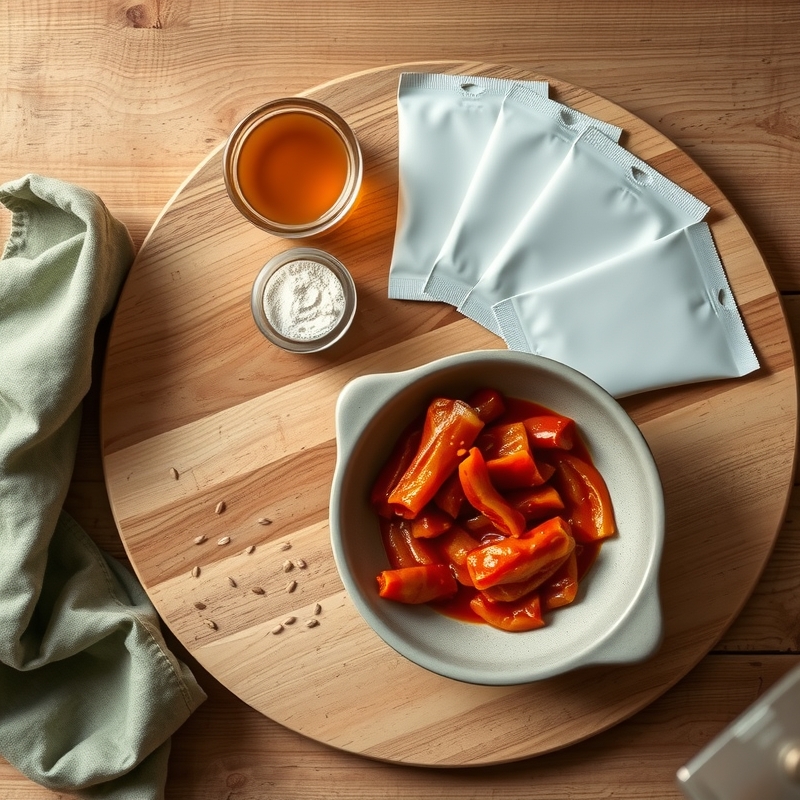
Korean probiotic formulations prioritize strain diversity and survival rate over raw CFU count — which is why a 5-billion CFU Korean supplement can outperform a 50-billion CFU Western one. Walk into any Korean pharmacy (약국, yakguk) and ask the pharmacist about probiotics. They won’t hand you a massive capsule with a single strain. They’ll reach for a slim stick packet containing multiple targeted strains, often with prebiotics already blended in.
Here’s what makes Korean probiotics for women distinct from most options on Western shelves:
- Multi-strain formulas — Korean brands typically combine 4-12 strains rather than relying on one or two. The logic: your gut hosts hundreds of bacterial species, so feeding it a single strain is like watering one plant in a garden.
- Powder stick format — Instead of large capsules, most Korean probiotics come in individual powder sticks (스틱, seutik) you tear open and pour directly on your tongue. This isn’t just convenience — it’s portion control and freshness in every dose.
- Lower but targeted CFU — Rather than chasing headline-grabbing “100 billion CFU!” numbers, Korean formulations focus on strains that actually survive stomach acid. According to the NIH Office of Dietary Supplements, the effectiveness of probiotics depends on the specific strain and its viability — not just the count on the label.
- Women-specific blends — Many Korean brands formulate separately for women, including Lactobacillus strains studied for vaginal and urinary health alongside gut-focused strains.
Without understanding this philosophy, it’s easy to grab the highest-CFU bottle at the store and wonder why nothing changes. The Korean approach isn’t about more bacteria — it’s about the right bacteria, delivered in a form that actually reaches your gut alive.
Before You Start: What to Look for in Korean Probiotics for Women
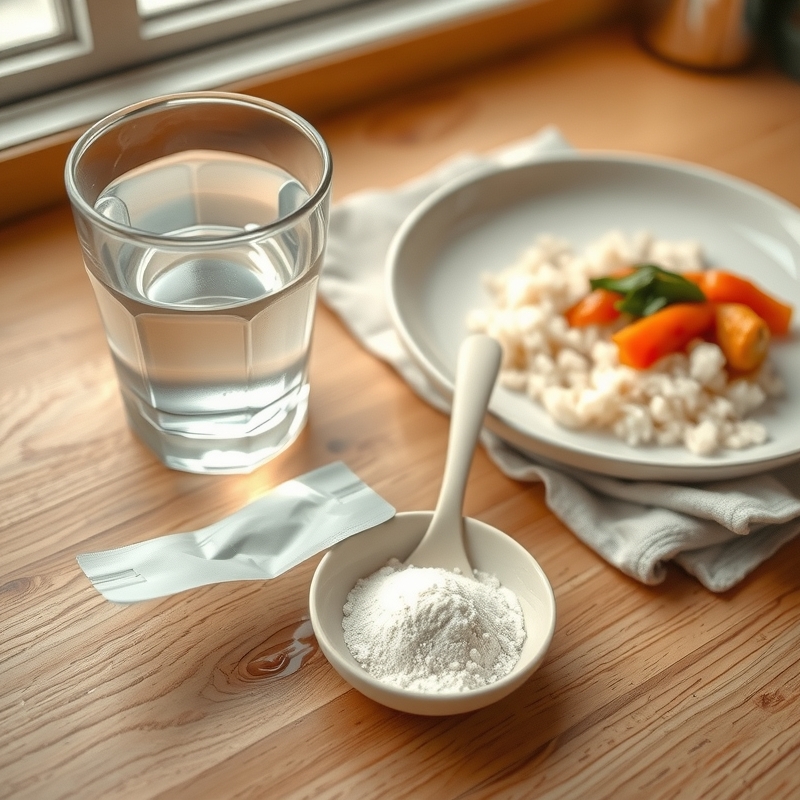
The single most important factor when choosing a Korean probiotic isn’t brand or price — it’s whether the strains are coated or protected to survive your stomach acid. Most bacteria die before they reach your intestines. Korean manufacturers address this with enteric coating technology or acid-resistant capsule design, and it’s worth checking the packaging for terms like “장까지 살아서” (alive to the intestine).
Here’s your checklist before purchasing:
Strain Specificity
Look for the full strain name, not just the species. Lactobacillus rhamnosus GG is a specific, well-researched strain. Just “Lactobacillus” on a label tells you almost nothing. Korean products typically list each strain on the back panel, often in both Korean and Latin nomenclature.
CFU Guarantee at Expiration
Some brands list CFU count “at time of manufacture” — meaning by the time you take it, half the bacteria may already be dead. Reputable Korean brands guarantee the count at the expiration date. This distinction matters more than the number itself.
Prebiotic Inclusion
Prebiotics are the food that keeps probiotics alive in your gut. Many Korean formulas include 프락토올리고당 (fructo-oligosaccharides) or similar prebiotic fibers. Without them, you’re planting seeds in dry soil.
Storage Requirements
Refrigerated probiotics aren’t automatically better. Many Korean brands use shelf-stable technology specifically designed for the stick packet format. What matters is that the product specifies its storage conditions clearly — avoid anything vague.
If you’re also exploring how fermented Korean foods support gut health at mealtimes, check out our guide to what Koreans actually eat for breakfast — fermented sides like kimchi and doenjang-jjigae are part of how Korean women get probiotics from food, not just supplements.
5 Korean Probiotic Strains Women Should Know
These five strains appear repeatedly in Korean women’s probiotic formulas — and each one targets a different aspect of women’s health. This isn’t a ranking. Think of it as a team roster: you want coverage across different positions.
1. Lactobacillus plantarum — The Kimchi Strain
This strain is naturally abundant in fermented kimchi, which is why Korean gut health research has focused heavily on it. L. plantarum is studied for its ability to survive harsh stomach conditions and support the gut lining. It’s the strain that connects Korea’s centuries-old fermentation tradition to modern supplement science.
2. Lactobacillus rhamnosus — The Gut Barrier Specialist
One of the most researched probiotic strains globally, L. rhamnosus appears in nearly every major Korean women’s probiotic. According to research indexed on PubMed, this strain has been widely studied for digestive health and immune function in women.
3. Lactobacillus reuteri — The Vaginal Health Strain
L. reuteri is frequently included in Korean probiotics marketed specifically to women. It’s associated with maintaining healthy vaginal flora and is one of the strains Korean OB-GYNs commonly discuss with patients. Korean pharmacies often stock vaginal-health-specific probiotics (여성 유산균, yeoseong yusangyun) that feature this strain prominently.
4. Bifidobacterium lactis — The Bloating Reducer
If bloating is your primary concern, look for this strain on the label. B. lactis is included in Korean formulas targeting digestive comfort and regularity. Many Korean women specifically ask for “배 안 빵빵한 유산균” — literally, “probiotics that keep your belly from puffing up.”
5. Lactobacillus acidophilus — The Everyday Workhorse
This is the foundational strain in most Korean daily probiotics. It’s not flashy, but it’s present in everything from Korea Yakult’s iconic little bottles to premium supplement lines. Think of it as the rice of probiotics — unglamorous, essential, and in virtually every Korean formula.
How Korean Women Actually Take Probiotics — The 유산균 Daily Habit
In Korean households, 유산균 (probiotics) aren’t stored in a medicine cabinet — they sit on the kitchen counter or dining table, taken right after a meal, every single day. This is the cultural context most Western wellness content misses entirely.
The Korean probiotic habit doesn’t exist in isolation. It’s layered on top of a diet already rich in naturally fermented foods. A typical Korean meal might include doenjang-jjigae (된장찌개), kimchi, and pickled vegetables — all naturally containing beneficial bacteria. The daily supplement is treated as reinforcement, not a replacement.
Here’s what the routine actually looks like for most Korean women:
- Morning or right after dinner — tear open one stick packet
- Pour directly on the tongue — most Korean probiotics taste mildly sweet, almost like a mild yogurt powder
- Follow with a sip of room-temperature water — not hot, not iced. Korean wellness culture emphasizes 미지근한 물 (mijigeunhan mul, lukewarm water) to avoid shocking the gut
- Consistency over dosage — skipping three days then doubling up is worse than taking a lower dose daily
This daily ritual connects to a broader Korean health concept: 꾸준함 (kkujunham), meaning “steady consistency.” Korean skincare runs on the same principle — it’s not about one miracle product, it’s about showing up every day. The same philosophy applies to gut health. Korean dermatologists generally recommend probiotics to patients with recurring skin issues precisely because they understand the gut-skin connection as a long game, not a quick fix.
One detail that surprises most visitors: Korean convenience stores (편의점) stock probiotics right at the checkout counter. GS25, CU, 7-Eleven — all of them. It’s normalized to the same degree as grabbing a pack of gum. That cultural normalization is why Korean women’s compliance rates with daily probiotics tend to be high — it’s not willpower, it’s environment.
Korean Probiotics for Women: Comparison Table
| Feature | Budget Korean Probiotic (약국 pharmacy brand) | Mid-Range Korean Probiotic (LACTO-FIT, BB LAB) | Premium Western Probiotic (Seed, Culturelle) |
|---|---|---|---|
| Typical Price (30-day supply) | Around $8-12 | Around $15-25 | Around $40-60 |
| Number of Strains | 2-4 strains | 5-12 strains | 1-2 strains (higher CFU each) |
| CFU Count | 1-5 billion | 5-10 billion | 20-50 billion |
| Format | Stick packet or small capsule | Stick packet (flavored powder) | Large capsule |
| Prebiotics Included | Sometimes | Yes — most formulas | Varies by brand |
| Women-Specific Strains | Rarely | Yes — L. reuteri, L. rhamnosus common | Select products only |
| Acid-Resistant Coating | Basic | Enteric-coated or dual-layer | Varies — some excellent |
| Best For | Trying Korean probiotics on a budget | Daily women’s gut + vaginal health | Targeting a specific clinical strain |
The mid-range Korean option hits the sweet spot: strain diversity, prebiotic inclusion, women-specific formulation, and acid-resistant delivery — at roughly half the cost of premium Western brands. The budget option works if you’re just starting out, and the premium Western option makes sense if your doctor has recommended a specific clinical strain.
What TikTok Gets Right (and Wrong) About Korean Probiotics
TikTok introduced millions of Western women to Korean probiotics — but the algorithm rewards oversimplification, and some of the most-shared claims need context.
What TikTok gets right: Korean probiotic formulas genuinely do tend to prioritize strain diversity over raw CFU count. The stick packet format is real and widely used in Korea. And yes, Korean women do take probiotics with striking consistency compared to Western supplement habits.
What TikTok gets wrong:
- “Korean probiotics will clear your skin in a week” — Gut-skin connection research exists, but dermatologists generally advise expecting 8-12 weeks minimum before noticing skin changes from any probiotic. One week is not enough time for meaningful gut microbiome shifts.
- “Higher CFU is always a scam” — Not exactly. Lower CFU with targeted strains can be effective, but dismissing all high-CFU products is oversimplified. It depends entirely on the strain and its intended purpose.
- “Just eat kimchi instead” — Kimchi is fantastic for gut health, but the probiotic content varies wildly depending on fermentation stage, temperature, and storage. Supplements provide standardized, consistent dosing that kimchi alone cannot guarantee.
The honest truth: Korean probiotics aren’t magic. They’re well-formulated, reasonably priced, and backed by a culture that takes daily gut health seriously. That’s genuinely valuable — but it’s not the overnight transformation some videos promise.
Recommended Korean Probiotics for Women
LACTO-FIT Probiotics (종근당 락토핏)
If you ask a Korean woman which probiotic she takes, there’s a strong chance she’ll say LACTO-FIT. It’s the default choice in Korean households — the brand your Korean coworker’s mom buys in bulk at Costco Korea. The formula combines multiple Lactobacillus strains with prebiotics in a mildly sweet powder stick you pour straight on your tongue.
LACTO-FIT Probiotics by Chong Kun Dang
LACTO-FIT Chong Kun Dang Probiotics — Korea’s top-selling probiotic brand, the one Korean households actually buy, under $20 for a 60-day supply
The daily gut health habit that millions of Korean women already follow — multi-strain powder sticks with built-in prebiotics, designed for consistency over hype.
LACTO-FIT Chong Kun Dang Probiotics
Check Availability & Reviews →
BB LAB Probiotics for Women
BB LAB specifically formulates for women’s health, including strains like L. reuteri that target vaginal flora alongside digestive strains. The brand is well-known in Korea’s health supplement market and uses the same stick-packet format Korean women prefer for on-the-go dosing.
BB LAB Probiotics for Women
BB LAB Probiotics for Women — women-specific Korean probiotic with vaginal and gut health strains in one daily stick
A formula designed around the strains Korean OB-GYNs commonly discuss — targeted for women who want gut and vaginal flora support in a single daily packet.
VITALBEAUTIE Probiotics (Amorepacific)
VITALBEAUTIE is Amorepacific’s wellness brand — yes, the same company behind Sulwhasoo and Laneige. Their approach to probiotics mirrors their skincare philosophy: layered, multi-functional, and designed for long-term daily use. This is the premium option for women who want a brand with serious R&D backing.
VITALBEAUTIE Probiotics by Amorepacific
VITALBEAUTIE Probiotics by Amorepacific — premium Korean probiotic from the company behind Sulwhasoo, formulated with skincare-level R&D
When Korea’s largest beauty conglomerate applies its research standards to gut health, you get a probiotic that treats your microbiome with the same precision as a 10-step skincare routine.
VITALBEAUTIE Probiotics by Amorepacific
View Current Price →
Frequently Asked Questions
What happens if I take Korean probiotics without food?
Taking probiotics on an empty stomach exposes the bacteria to full-strength stomach acid, which can kill a significant portion before they reach your intestines. Most Korean probiotic brands recommend taking them right after a meal, when stomach acid is partially buffered by food. If you forget during meals, taking them with a glass of lukewarm water is the next best option.
Can Korean probiotics help with vaginal health?
Korean women’s probiotics frequently include Lactobacillus reuteri and Lactobacillus rhamnosus, both of which have been studied for supporting healthy vaginal flora. In Korea, pharmacies stock dedicated 여성 유산균 (women’s probiotics) specifically for this purpose. However, probiotics are supportive care — they’re not a replacement for medical treatment if you’re experiencing an active infection.
How long until I notice results from Korean probiotics?
Most Korean wellness professionals suggest giving probiotics a minimum of 4-8 weeks of consistent daily use before evaluating results. Digestive comfort improvements (less bloating, more regularity) may appear within 2-3 weeks, but skin or immune-related benefits generally take longer. The Korean concept of 꾸준함 (steady consistency) applies here — sporadic use won’t show meaningful results.
Are Korean probiotics safe to take with other supplements?
Korean probiotics are generally considered safe to take alongside most vitamins and supplements. In Korea, it’s common to take 유산균 alongside vitamin C or collagen supplements. However, avoid taking them at the same time as antibiotics — space them at least 2 hours apart. If you’re on prescription medication, consult your doctor first.
Do I still need probiotics if I eat kimchi every day?
Kimchi provides beneficial bacteria, but the probiotic content varies significantly based on fermentation time, storage temperature, and preparation method. Fresh kimchi has fewer probiotics than well-fermented kimchi, and cooking kimchi (as in kimchi-jjigae) kills most live bacteria. Korean women who eat kimchi daily still commonly take probiotic supplements for consistent, standardized dosing.
Key Takeaways
- Korean probiotics for women prioritize strain diversity and survival rate over high CFU counts — a 5-billion CFU Korean formula with targeted strains can be more effective than a 50-billion generic one.
- Look for specific strain names on the label (like L. plantarum, L. rhamnosus, L. reuteri), not just species — the strain determines the benefit.
- The stick-packet powder format used by most Korean brands isn’t just convenient — it ensures freshness and consistent dosing in every individual serving.
- Korean women take probiotics after meals with lukewarm water, never on an empty stomach and never with hot drinks that could kill live bacteria.
- Consistency beats potency — the Korean wellness principle of 꾸준함 (steady daily habit) matters more than finding the “strongest” probiotic on the shelf.
- Supplements complement, not replace, fermented foods — the Korean approach layers daily probiotics on top of a diet already rich in kimchi, doenjang, and other fermented staples.
Tonight, try this: take your probiotic right after dinner with a sip of room-temperature water — not cold, not hot. Do it at the same time tomorrow. By the end of the week, it won’t feel like a supplement routine. It’ll just feel like the end of a meal.
This article contains affiliate links. If you purchase through these links, we may earn a small commission at no extra cost to you. We only recommend products we genuinely believe in.