A pharmacist in Gangnam once told me something that changed how I think about gut health entirely: most people buying probiotics are essentially flushing money down the toilet — because their bacteria are already dead before they swallow the capsule. In Korea, probiotics aren’t a wellness trend — they’re a pharmacy staple that outsells vitamin C. The difference? Korean probiotic formulas, especially those built around lacto strains, are designed to survive your stomach acid, and they’re formulated based on what actually works for the foods most of us eat daily.
Why Your Current Probiotics Aren’t Doing Anything

The most common reason probiotics fail isn’t the strain — it’s that the bacteria never reach your intestines alive. Most Western probiotic supplements focus on packing in the highest CFU (colony-forming unit) count possible, slapping “50 billion CFU!” on the label as if more automatically means better. But quantity means nothing if the organisms can’t survive the journey through your stomach’s hydrochloric acid.
Korean pharmaceutical companies approached this problem differently. Instead of racing to inflate CFU counts, brands like Chong Kun Dang — one of Korea’s oldest pharmaceutical firms, founded in 1941 — invested in delivery technology and strain selection. The result is products engineered around Lactobacillus strains (lacto strains) that are acid-resistant and bile-tolerant by design.
Here’s what most people get wrong:
- Higher CFU doesn’t mean better results. A well-protected 5 billion CFU formula can outperform a poorly delivered 100 billion CFU capsule.
- Refrigerated probiotics aren’t automatically superior. Many Korean formulas use shelf-stable coating technology that protects bacteria at room temperature.
- A single strain can outperform a 15-strain blend when that one strain is matched to your specific issue — Korean formulations tend to be more targeted.
Signs Your Probiotics Aren’t Working
If you’ve been taking probiotics for more than three to four weeks and notice any of the following, your current supplement likely isn’t delivering live bacteria where they need to go:
- No change in bloating or gas patterns
- Your digestion hasn’t shifted at all — not even slightly
- You still feel sluggish after meals heavy in dairy, wheat, or processed foods
- Your skin hasn’t improved (gut-skin connection is real — Korean dermatologists frequently recommend probiotics for acne and dullness)
- You’ve switched brands multiple times with zero difference
If you checked three or more of those, the issue likely isn’t your gut — it’s your probiotic.
What Makes Korean Lacto Probiotics Different

Korean probiotics dominate the domestic market because they’re developed by pharmaceutical companies — not wellness startups — using clinically tested lacto strains. This distinction matters more than most people realize. In Korea, probiotics are regulated as health functional foods by the Ministry of Food and Drug Safety (MFDS), which requires documented evidence of functionality before a product can make health claims.
The most popular probiotic in all of Korea isn’t an Instagram brand — it’s Lacto-Fit by Chong Kun Dang. Walk into any Korean pharmacy, convenience store, or even a grocery store and you’ll find it stacked at the front. It’s been the number-one selling probiotic in Korea for years, and it’s built around carefully selected Lactobacillus strains optimized for Korean dietary patterns — which, thanks to fermented foods like kimchi, doenjang, and cheonggukjang, are already rich in live cultures.
Why Lacto Strains Specifically?
Lactobacillus is the most extensively researched genus of probiotic bacteria, with well-documented benefits for digestive health, immune support, and nutrient absorption. Korean formulas typically feature specific species within this genus:
- Lactobacillus acidophilus — supports lactose digestion and helps maintain the intestinal lining
- Lactobacillus rhamnosus — one of the most studied strains for immune function and diarrhea prevention
- Lactobacillus plantarum — naturally found in kimchi and other Korean fermented vegetables, excellent for reducing bloating
- Lactobacillus casei — supports the growth of other beneficial bacteria, essentially acting as a team player in your gut
Korean nutritionists generally recommend lacto-based probiotics because they complement the fermented foods already common in the Korean diet. Even if you don’t eat Korean food daily, these strains work well with most diets because they’re naturally present in fermented dairy, pickled vegetables, and sourdough — foods that exist across nearly every food culture.
The Postbiotic Advantage
One thing Korean probiotic brands have started incorporating that most Western brands haven’t caught up to: postbiotics. These are the beneficial compounds that probiotics produce after they metabolize food in your gut — short-chain fatty acids, enzymes, and antimicrobial peptides. Some newer Korean formulations include both live probiotics and postbiotic compounds, so you get benefits even if some bacteria don’t survive the journey. Think of it as a backup plan built into the product itself.
Common Mistakes People Make With Korean Lacto Probiotics
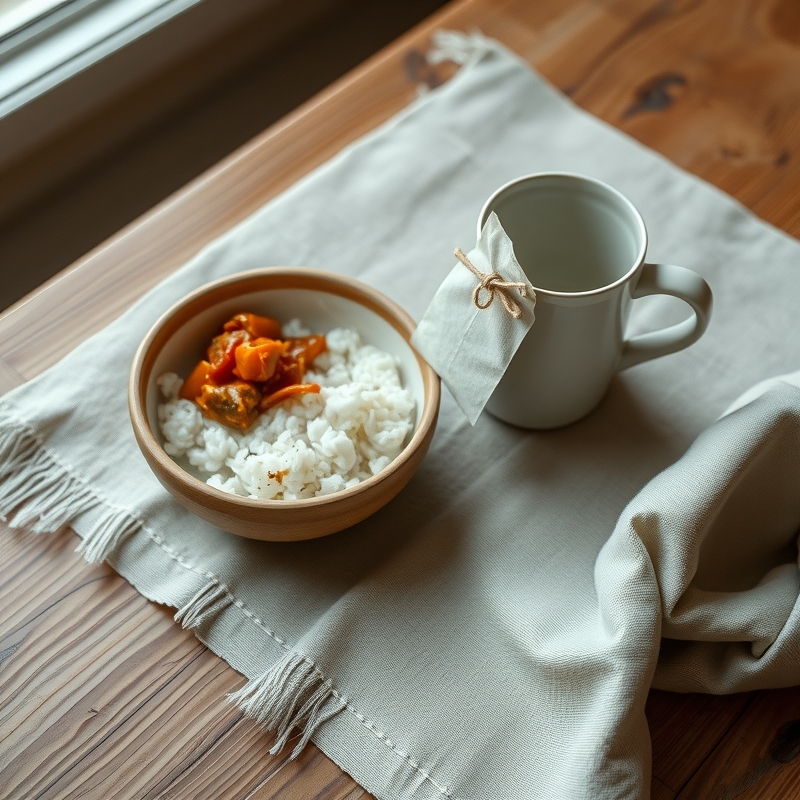
Without proper timing and pairing, even the best Korean probiotic won’t deliver full results. Most food blogs and wellness accounts skip these details, but they make a significant difference in how well your probiotics actually work.
Mistake 1: Taking Them at the Wrong Time
Most Korean probiotics are designed to be taken after a meal — specifically after breakfast. Food in your stomach actually buffers the acid environment, giving the bacteria a better chance of surviving passage to the intestines. Taking probiotics on an empty stomach exposes them to peak acid levels. In Korea, the standard advice from pharmacists is simple: eat first, then take your probiotic within 30 minutes.
Mistake 2: Expecting Overnight Results
Korean health professionals generally advise a minimum of four to eight weeks of consistent daily use before evaluating whether a probiotic is working. Your gut microbiome is an ecosystem — it doesn’t restructure itself in three days. Most people quit after two weeks and conclude the product doesn’t work.
Mistake 3: Ignoring Prebiotics
Probiotics are living organisms. They need food. Prebiotics — the fiber that feeds probiotic bacteria — are just as important as the probiotics themselves. Many Korean formulas include prebiotics like fructooligosaccharides (FOS) or galactooligosaccharides (GOS) directly in the product. If yours doesn’t, adding prebiotic-rich foods to your diet makes a noticeable difference: garlic, onions, bananas, and asparagus are all excellent sources.
Mistake 4: Storing Them Wrong
Korean stick-type probiotics (the single-serving powder sachets) are engineered for room-temperature stability. But if you’ve bought capsule-form probiotics, check the label — some still require refrigeration. In Korean summers, which are brutally humid, pharmacists routinely remind customers to store opened bottles in the fridge. Heat and moisture are the two fastest killers of probiotic viability.
Korean Probiotics Lacto: How to Choose the Right One
Not all Korean lacto probiotics are created equal — the best choice depends on your specific gut health goal. Here’s how the most popular options compare:
| Feature | Budget Pick: Standard Lacto Blend | Best Value: Lacto-Fit Gold | Premium: Dual Synbiotic Formula |
|---|---|---|---|
| Typical CFU Count | 1-5 billion | 5-10 billion | 10-20 billion |
| Number of Strains | 1-3 strains | 4-6 targeted strains | 8-12 strains + postbiotics |
| Prebiotics Included | Rarely | Yes (FOS) | Yes (FOS + GOS) |
| Format | Capsules | Powder sticks | Capsules or powder |
| Price Range | Around $8-15 | Around $15-25 | Around $30-50 |
| Best For | General maintenance | Bloating, digestion, daily wellness | Specific gut issues, skin-gut support |
| Shelf Stability | Varies | Room temperature stable | Usually requires refrigeration |
| Ease of Use | Standard | Excellent — tastes pleasant, no water needed | Standard |
For most people just starting with Korean probiotics, the mid-range synbiotic formula (probiotics + prebiotics combined) offers the best balance of effectiveness and value. The powder stick format popular in Korea is genuinely convenient — you tear open a sachet and pour it directly on your tongue. Most have a mildly sweet, yogurt-like taste that’s surprisingly pleasant.
What to Look for on the Label
- Specific strain names (not just “Lactobacillus blend” — look for full names like L. acidophilus, L. rhamnosus)
- CFU count guaranteed at expiration, not just at manufacture (this is a critical difference)
- Prebiotic inclusion — FOS or GOS listed in the ingredients
- MFDS certification — look for the Korean health functional food certification mark
- Coating or delivery technology — acid-resistant capsules or micro-encapsulation
Chong Kun Dang Lacto-Fit Probiotics
Korea’s best-selling probiotic for a reason — this daily powder stick uses targeted lacto strains with prebiotics, designed for easy absorption and room-temperature storage. The format Koreans actually use every morning.
VITALBEAUTIE Lacto Probiotics by Amorepacific
From the same company behind Sulwhasoo and Laneige — Amorepacific’s wellness line focuses on the gut-skin connection. These lacto probiotics are formulated with the beauty-from-within philosophy that Korean women have followed for decades.
CJ BYO Lacto Probiotics
Made by CJ CheilJedang — the same food science giant behind bibigo dumplings and Hetbahn instant rice. Their probiotic line uses strains isolated from Korean fermented foods, giving you bacteria that evolved alongside the Korean diet.
BB LAB Probiotics by Nutrione
A favorite among younger Koreans for its gut-and-skin dual approach. BB LAB combines lacto strains with additional ingredients targeting skin clarity — the kind of crossover product that’s uniquely Korean in its thinking.
Frequently Asked Questions
What happens if I take Korean lacto probiotics without prebiotics?
The probiotics will still provide some benefit, but their effectiveness is significantly reduced without prebiotic fiber to feed on. Think of it like planting seeds in soil with no nutrients — some will grow, but not as many. If your chosen probiotic doesn’t include prebiotics, eat a banana or a serving of garlic-rich food alongside it.
Can I take Korean probiotics if I already eat kimchi every day?
Yes — kimchi and probiotic supplements work differently and complement each other. Kimchi provides a diverse range of wild-fermented bacteria (especially Lactobacillus plantarum), but the strains and quantities vary with every batch. A probiotic supplement delivers consistent, measured doses of specific strains. Korean nutritionists generally recommend both for optimal gut health.
How long does it take for Korean lacto probiotics to work?
Most people notice initial changes in digestion within two to three weeks, with full benefits appearing around four to eight weeks. The most common early signs are reduced bloating after meals and more regular bowel movements. If you’ve seen zero change after eight consistent weeks, the strain profile may not be right for your specific microbiome — try switching to a different formulation.
Are Korean probiotics safe for people with lactose intolerance?
Yes, and they may actually help. Despite the “lacto” name, Lactobacillus strains don’t contain lactose. In fact, Lactobacillus acidophilus produces lactase — the enzyme that breaks down lactose — which is why Korean health professionals sometimes recommend lacto probiotics specifically for people who struggle with dairy digestion.
What’s the difference between Korean probiotics and Western brands like Culturelle or Align?
The core difference is formulation philosophy, not necessarily quality. Western brands tend to focus on single-strain, high-dose approaches backed by specific clinical trials. Korean brands typically use multi-strain synbiotic formulas (probiotics + prebiotics together) developed by pharmaceutical companies with decades of fermented-food research. Neither approach is inherently better — but if Western brands haven’t worked for you, Korean formulations offer a meaningfully different approach worth trying.
Key Takeaways
- CFU count alone doesn’t determine probiotic effectiveness — strain selection and delivery technology matter far more than the number on the label.
- Korean lacto probiotics are developed by pharmaceutical companies, not wellness startups, and are regulated by Korea’s MFDS for documented health functionality.
- Lacto-Fit by Chong Kun Dang is Korea’s best-selling probiotic, available in nearly every pharmacy and convenience store across the country — it’s what Koreans actually use daily.
- Take probiotics after breakfast, not on an empty stomach — food buffers stomach acid and dramatically improves bacterial survival rates.
- Synbiotic formulas (probiotics + prebiotics) outperform probiotics alone — look for products that include FOS or GOS as prebiotic fiber sources.
- Give any new probiotic at least four to eight weeks before judging whether it works — your gut microbiome doesn’t restructure overnight.
Here’s your one move for tonight: check the label on whatever probiotic you’re currently taking. Look for specific strain names — not just “probiotic blend” — and check whether the CFU count is guaranteed at expiration or only at manufacture. That single detail will tell you more about the product’s quality than any marketing claim on the front of the box.
This article contains affiliate links. If you purchase through these links, we may earn a small commission at no extra cost to you. We only recommend products we genuinely believe in.