My roommate in Seoul spent exactly 4 minutes on her skin every morning — and strangers regularly guessed she was 22 when she was 34. When I asked her secret, she didn’t pull out ten expensive serums. She pointed to her cleanser, one hydrating layer, and sunscreen. That’s it. The real Korean skincare routine for beginners isn’t the intimidating 10-step regimen Western beauty media loves to talk about — it’s a flexible framework of 4-5 essential steps that most Korean women actually use daily. Here’s the routine that real people in Seoul follow, stripped of the marketing noise.
What You Need Before Starting a Korean Skincare Routine
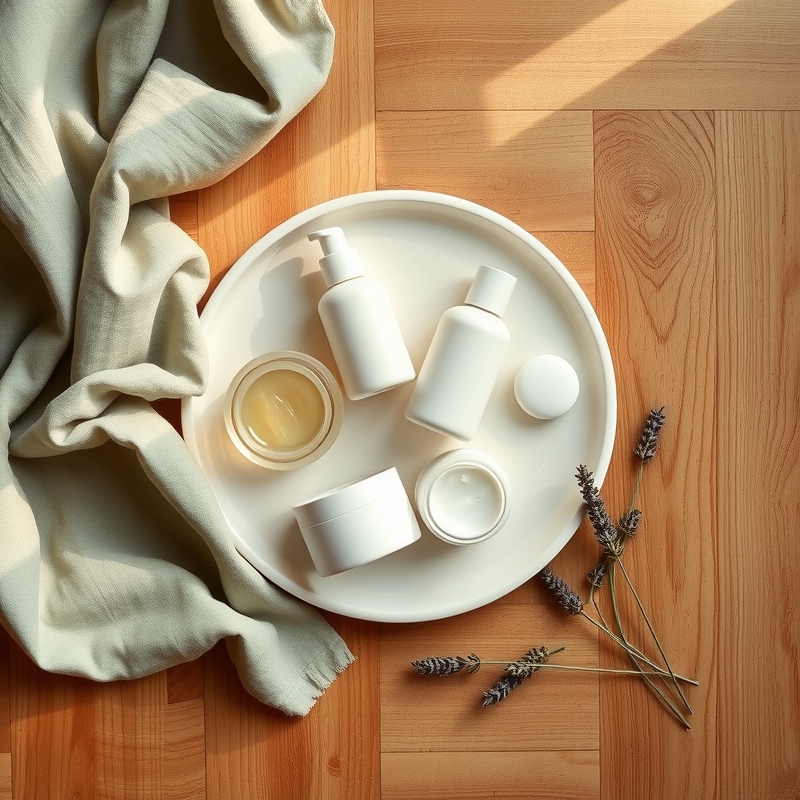
The biggest mistake beginners make isn’t choosing the wrong products — it’s starting too many new products at once. Korean dermatologists generally recommend introducing one product at a time, waiting about two weeks before adding the next. This way, if your skin reacts, you’ll know exactly what caused it.
Before buying anything, figure out your skin type. Here’s a simple test most Korean skincare shops use: wash your face with just water, pat dry, then wait 30 minutes without applying anything.
- Oily skin: Your T-zone (forehead, nose, chin) feels slick within 30 minutes
- Dry skin: Your face feels tight and possibly flaky
- Combination skin: Oily T-zone but dry or normal cheeks — this is the most common type among Korean women
- Sensitive skin: Redness, stinging, or itchiness after basic washing
You don’t need to buy everything at once. Start with three essentials: an oil cleanser, a water-based cleanser, and sunscreen. These three alone will improve your skin more than a drawer full of random serums. Add a moisturizer and one treatment product after you’ve used these consistently for two to three weeks.
One more thing most guides skip: check your water temperature. In Korea, lukewarm water — not hot — is standard for cleansing. Hot water strips your skin’s natural moisture barrier, which is the opposite of what this routine is designed to protect.
The Core Korean Skincare Routine for Beginners: Step by Step
The real daily Korean skincare routine breaks down into a simple principle: cleanse thoroughly, hydrate in layers, and protect from the sun. Everything else is optional. Here’s each step with the exact logic behind it.
Step 1: Oil Cleanser (PM Only)
This is the step that surprises most beginners. Applying oil to your face to clean it sounds counterintuitive, but oil dissolves oil-based impurities like sunscreen, makeup, and excess sebum far more effectively than foam alone. That’s basic chemistry — oil binds to oil. Massage an oil cleanser onto dry skin for about 60 seconds, then rinse with lukewarm water. You’ll feel a difference the first time you try it.
In Korean, this first step of double cleansing is called 1차 클렌징 (first cleansing). Walk into any Olive Young store in Seoul and you’ll see an entire wall dedicated to oil cleansers — that’s how fundamental this step is.
Step 2: Water-Based Cleanser (AM + PM)
After the oil cleanser sweeps away oil-based residue, a gentle water-based cleanser removes what’s left — sweat, dust, and water-soluble dirt. This two-step process is the core of double cleansing, which is arguably the most important concept in the Korean skincare routine for beginners.
In the morning, you can skip the oil cleanser and just use this step. Many Korean women actually use an even gentler approach in the morning — just rinsing with water — especially if they have dry or sensitive skin.
Step 3: Toner
Forget what you know about Western toners. Korean toners aren’t astringent — they’re the first layer of hydration. While American toners were historically designed to strip remaining oil and tighten pores with alcohol, Korean toners (called 스킨 or “skin” in Korea) are watery, hydrating formulas meant to prep your skin to absorb the next steps.
Pat — don’t wipe — the toner onto your face with your palms. Some Korean women apply two or three thin layers of toner for extra hydration, a technique called 7-skin method (칠스킨법), though for beginners, one layer is plenty.
Step 4: Moisturizer
This seals in all that hydration. The Korean approach to moisturizer is straightforward: match the weight to your skin type and the season. Gel-type moisturizers for oily skin and summer, cream-type for dry skin and winter. Most Koreans switch their moisturizer at least twice a year as seasons change — Seoul winters are brutally dry, and summers are humid.
Step 5: Sunscreen (AM Only — Non-Negotiable)
Ask any Korean dermatologist for one skincare rule, and the answer is almost universally the same: wear sunscreen every single day, even indoors, even on cloudy days. UV radiation is the primary external cause of premature skin aging, and up to 80% of UV rays can penetrate clouds, according to the World Health Organization.
Korean sunscreens are famously lightweight — nothing like the thick, white-cast formulas you might dread from Western drugstore brands. Most Korean sunscreens feel like a light moisturizer and sit beautifully under makeup. This is the single biggest reason Korean women actually wear sunscreen daily — it doesn’t feel like a chore.
Morning vs. Evening Korean Skincare Routine Compared
Your morning routine should be lighter and faster than your evening routine — most Korean women spend under 5 minutes on morning skincare. The evening is when your skin repairs itself, so that’s when you layer on treatments. Without separating the two routines, beginners often over-apply products in the morning and under-treat at night.
| Step | Morning Routine (~4 min) | Evening Routine (~7 min) | Beginner Priority |
|---|---|---|---|
| Oil Cleanser | Skip | Yes — 60 sec massage | Essential (PM) |
| Water Cleanser | Gentle wash or water only | Yes — after oil cleanser | Essential |
| Toner | 1 layer, patted on | 1-2 layers | Recommended |
| Serum/Essence | Optional (vitamin C) | Optional (niacinamide, snail mucin) | Add after 2-3 weeks |
| Moisturizer | Lightweight gel or emulsion | Richer cream | Essential |
| Sunscreen (SPF 50+) | Yes — generous application | Skip | Essential (AM) |
| Total Products | 3-4 | 4-5 | Start with 3 |
Notice the evening routine has more steps — this is intentional. Your skin’s cell turnover increases at night, so active ingredients like niacinamide or snail mucin are best applied before bed. But for beginners, the evening priority is simple: cleanse thoroughly and moisturize well. Everything else can wait.
Choosing Products for Your Korean Skincare Routine
Here’s what most K-beauty blogs won’t tell you: Korean women don’t buy skincare based on brand hype — they read ingredient lists obsessively. In Seoul, it’s completely normal to stand in Olive Young for 20 minutes comparing the back labels of three different toners. The product that costs ₩6,000 (around $5) often outperforms the one that costs ₩40,000 (around $30), because the active ingredients are identical.
For beginners, focus on these proven ingredients that appear across countless Korean skincare products:
- Hyaluronic acid — holds moisture in the skin; found in most Korean toners and serums
- Niacinamide — brightens and evens skin tone; a staple ingredient in Korean skincare
- Centella asiatica (cica) — calms irritation and redness; hugely popular in Korea for sensitive skin
- Snail mucin — deeply hydrating and supports skin repair; one of the most iconic K-beauty ingredients
- Rice extract — gentle brightening used in Korean beauty for centuries
Avoid starting with strong actives like retinol, AHA, or BHA. Korean skincare philosophy is about building and maintaining your moisture barrier first, then adding targeted treatments once your skin is healthy and resilient. Most Korean dermatologists will tell you that a damaged moisture barrier is the root cause of acne, sensitivity, and dullness — and aggressive actives on unprepared skin only make it worse.
COSRX Advanced Snail 96 Mucin Power Essence
This is the essence you’ll spot on nearly every Korean bathroom shelf. Lightweight, barely any scent, and it layers like water under moisturizer — your skin feels noticeably plumper by morning.
Banila Co Clean It Zero Cleansing Balm
If the idea of pouring oil on your face feels strange, start here. This sherbet-textured balm melts into an oil on contact, dissolves sunscreen and makeup in one gentle massage, and rinses completely clean — the gateway to double cleansing that converts most skeptics.
Beauty of Joseon Relief Sun: Rice + Probiotics SPF 50+
This is the sunscreen that changed people’s minds about wearing SPF daily. No white cast, no greasy residue, and it doubles as a primer. Once you try a Korean sunscreen that actually feels good, you’ll never skip this step again.
Common Mistakes That Ruin Your Korean Skincare Results
Without avoiding these pitfalls, even the best products won’t deliver results — and most beginners make at least two of them.
- Using products in the wrong order. Korean skincare follows a strict thin-to-thick rule: apply products from the most watery consistency to the thickest. Toner before serum, serum before moisturizer, moisturizer before sunscreen. Reversing this blocks absorption.
- Skipping sunscreen because “I’m indoors.” UVA rays penetrate windows. If you can see daylight from where you’re sitting, your skin is getting UV exposure. Every brightening serum and anti-aging cream you use at night is partially undone the next day without sun protection.
- Over-exfoliating in the first month. Scrubs, peeling gels, and acid toners are tempting, but Korean skincare wisdom prioritizes barrier health first. The common Korean phrase 피부장벽 (skin barrier) comes up constantly in Korean beauty forums for a reason — without it, nothing else works.
- Applying too much product. A pea-sized amount of moisturizer, two to three drops of serum, and a two-finger-length line of sunscreen — that’s all you need per application. More product doesn’t mean more results; it means clogged pores and wasted money.
- Expecting overnight results. Skin cell turnover takes roughly 28 days. Korean women evaluate a new product after a full cycle — about four to six weeks. If you switch products every few days because you don’t see immediate changes, you’ll never know what actually works for your skin.
Frequently Asked Questions
How many steps does a Korean skincare routine actually need?
Most Korean women use 4-5 steps daily, not the 10 steps often shown in Western media. The “10-step routine” is a maximum framework, not a daily requirement. A solid beginner routine needs just a cleanser, toner, moisturizer, and sunscreen — with double cleansing at night.
What happens if I skip double cleansing at night?
Leftover sunscreen and makeup residue sit on your skin overnight, clogging pores and preventing your night products from absorbing. A water-based cleanser alone cannot fully dissolve oil-based products like SPF and foundation. This is why breakouts along the jawline and cheeks are so common among people who only single-cleanse.
Can I use Korean and Western skincare products together?
Yes — your skin doesn’t care about the brand’s country of origin, only the ingredients and formulation. Many Korean women mix products from different countries. The key is following the thin-to-thick application order and not layering conflicting actives, like vitamin C with niacinamide at the same time, regardless of where the products are from.
Is the Korean skincare routine good for acne-prone skin?
The Korean approach is especially effective for acne-prone skin because it focuses on healing the moisture barrier rather than stripping oil. Over-drying acne-prone skin with harsh cleansers actually triggers more oil production. Korean routines use gentle, hydrating layers that calm inflammation. Look for products with centella asiatica, tea tree, and low-concentration BHA once your barrier is healthy.
How much does a basic Korean skincare routine cost?
A complete beginner set of Korean skincare products costs around $30-60 total, not per product. In Korea, effective drugstore-level skincare is affordable — many cult-favorite products retail for around $5-15 each. Higher price rarely means better ingredients in Korean skincare; the market is intensely competitive, which keeps quality high and prices accessible.
Key Takeaways
- The real Korean skincare routine is 4-5 daily steps, not the 10-step marathon — most Korean women prioritize cleansing, hydrating, and sun protection over layering dozens of products.
- Double cleansing is the foundation of Korean skincare — oil cleanser first to dissolve sunscreen and makeup, then a water-based cleanser for everything else.
- Sunscreen is the single most impactful step — Korean dermatologists consistently rank it above any serum, cream, or treatment for preventing aging and hyperpigmentation.
- Introduce one new product every two weeks — this Korean approach lets you identify what works and what irritates your skin, saving money and frustration.
- Korean skincare prioritizes moisture barrier health over aggressive treatments — a healthy barrier means fewer breakouts, less sensitivity, and better absorption of every product you use.
- Effective Korean skincare products cost around $5-15 each — the culture of affordable, ingredient-driven skincare means you don’t need to spend heavily to see results.
Quick Reference: Your First 4 Weeks
- Week 1-2: Oil cleanser (PM) + water-based cleanser (AM & PM) + sunscreen (AM). Just three products. Get comfortable with double cleansing.
- Week 3: Add a hydrating toner after cleansing. Pat it on with your palms, don’t use a cotton pad.
- Week 4: Add a moisturizer — gel for oily skin, cream for dry. Now you have your complete basic routine.
- Week 5+: If your skin feels good, consider adding one treatment product like snail mucin essence or a niacinamide serum.
Tonight, try one thing: wash your face, skip every product, and just notice how your skin feels after 30 minutes. That tells you your skin type — and tomorrow, you can start your routine knowing exactly what your skin actually needs.
This article contains affiliate links. If you purchase through these links, we may earn a small commission at no extra cost to you. We only recommend products we genuinely believe in.