Last weekend in Seoul, a friend from Chicago tried soju for the first time. Three bottles deep, she reached for ibuprofen and a Gatorade the next morning. Her Korean coworker quietly disappeared and came back 20 minutes later with a steaming bowl of bean sprout soup and a small bottle of pear juice. By noon, my friend was walking around Myeongdong like nothing happened. Koreans have been perfecting hangover recovery for centuries — and most of what you’re doing the morning after is making things worse, not better.
Korea takes drinking culture seriously. Work dinners, celebrations, even casual Tuesday nights often involve soju, beer, or both mixed together (that lethal combo called somaek). With that comes a deeply embedded recovery tradition that goes far beyond greasy bacon and black coffee. Here’s exactly how Koreans actually cure hangovers — and why the Western approach falls short.
Why Your Hangover Cure Isn’t Working
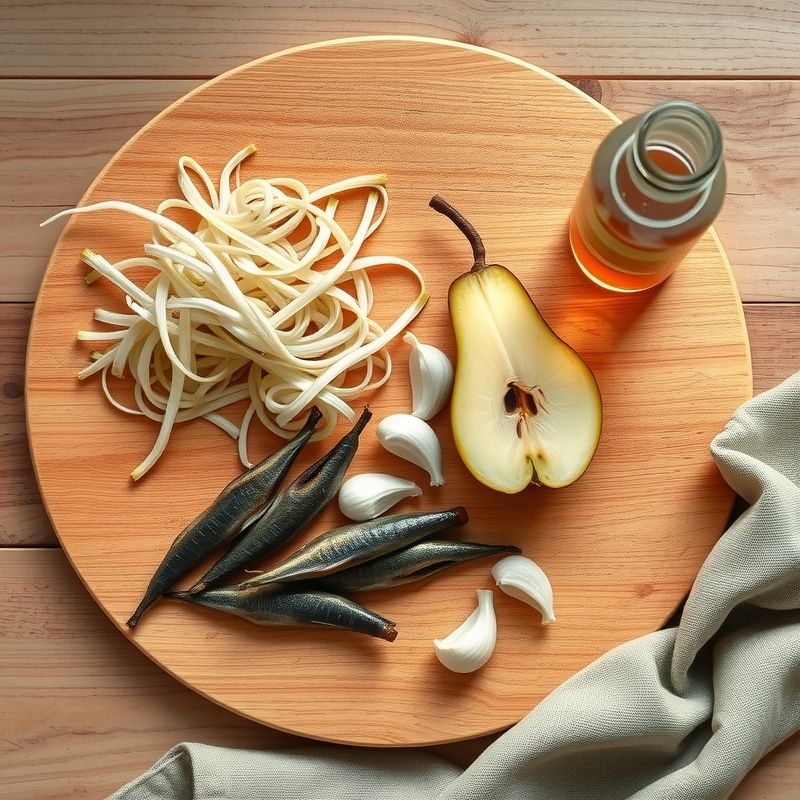
The core problem with most Western hangover remedies is that they treat symptoms while ignoring the actual cause: acetaldehyde buildup. When your body breaks down alcohol, it produces acetaldehyde — a toxic compound that causes nausea, headaches, and that overall feeling of regret. Your liver needs specific support to flush it out efficiently.
Here’s what most people get wrong:
- Painkillers on an empty stomach — ibuprofen and aspirin irritate your already-inflamed stomach lining, and acetaminophen stresses your overworked liver
- Coffee as a first move — caffeine constricts blood vessels (temporary headache relief) but dehydrates you further and increases stomach acid
- Greasy food — fat slows digestion when your body needs fast-absorbing nutrients and hydration
- “Hair of the dog” — more alcohol temporarily numbs symptoms but adds more acetaldehyde to the queue your liver is already struggling to process
Korean hangover science takes a completely different approach. Instead of masking pain, Korean remedies focus on three things: rehydrating with electrolyte-rich broths, supporting liver detoxification, and replenishing nutrients lost during alcohol metabolism. That’s why a bowl of soup at 7 AM sounds bizarre to Westerners but feels like medicine to anyone who’s tried it.
Signs Your Current Recovery Routine Is Failing You
If any of these sound familiar, your method needs an upgrade:
- Your hangover lasts well into the afternoon or even the next day
- You feel nauseous but can’t eat anything substantial
- Water alone doesn’t seem to help — you still feel dried out
- You rely on painkillers every time you drink
- You’ve accepted that “this is just how hangovers are” after age 25
The Real Korean Hangover Cure: What Actually Works
In Korea, hangover recovery is an entire food category called haejangguk (해장국), which literally translates to “soup to chase a hangover”. This isn’t some trendy wellness hack — it’s a culinary tradition that’s been practiced for centuries. Walk into any Korean city at 6 AM on a Saturday, and the haejangguk restaurants are packed. These aren’t health food cafes. They’re no-frills spots with plastic chairs and fluorescent lights, and they are doing the Lord’s work.
Here are the most effective Korean hangover remedies, ranked by how quickly they work:
1. Bean Sprout Soup (콩나물국)
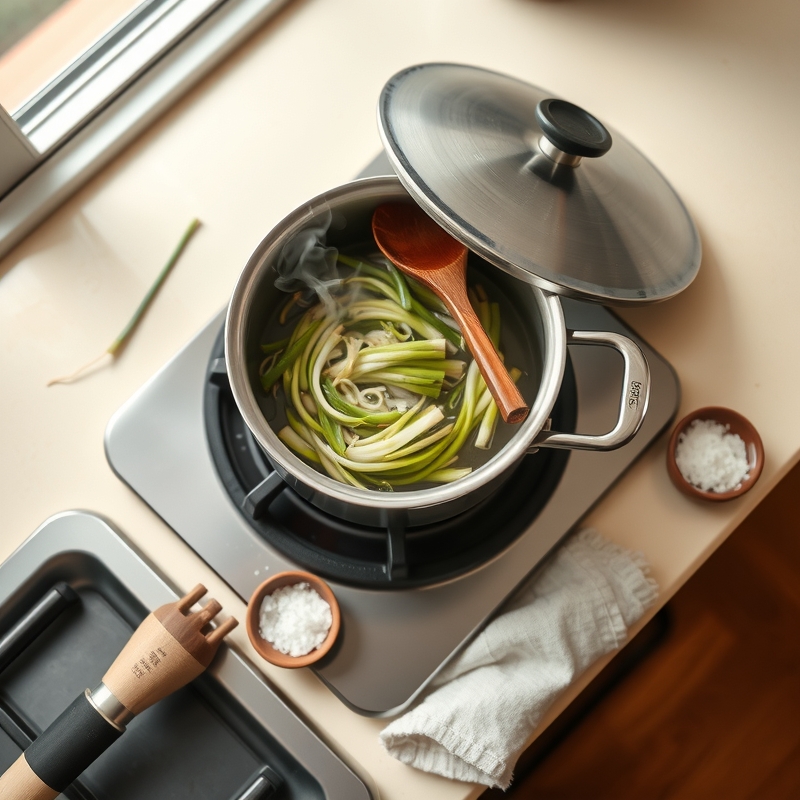
This is the everyday hero. Bean sprouts are rich in asparagine, an amino acid that helps your body break down acetaldehyde faster. The soup is dead simple — soybean sprouts simmered in anchovy broth with garlic, salt, and sometimes a cracked egg. Korean university students practically live on this during exam-and-drinking season.
The hot broth delivers hydration and electrolytes simultaneously, while the sprouts provide the enzymatic support your liver is begging for. You can make it in under 15 minutes, even while hungover.
2. Dried Pollack Soup (북어국)
If bean sprout soup is the everyday cure, dried pollack soup is what Korean mothers make when they mean business. Bugeoguk uses dried pollack fish simmered with egg, tofu, and green onion. The dried fish is high in protein and amino acids like methionine, which supports liver function. Most Korean households keep dried pollack in the pantry specifically for mornings like these.
The flavor is clean and mild — nothing aggressive on a sensitive stomach. It’s the soup Korean grandmothers swear by, and when a Korean grandmother tells you something works, you listen.
3. Korean Pear Juice (배즙)
This one has science behind it. A widely cited study from Australia’s CSIRO found that Asian pear juice consumed before drinking helped reduce hangover severity and supported alcohol metabolism. Korean pears (bae) contain enzymes that may help speed up the breakdown of acetaldehyde.
In Korea, you’ll find pear juice at every convenience store — often in small pouches specifically marketed for pre- and post-drinking. The key is that Korean pears work best when consumed before or during drinking, not just the morning after. Many Koreans drink a pouch of pear juice on the way to dinner, treating it like hangover insurance.
4. Convenience Store Hangover Drinks
Korea’s convenience stores dedicate entire shelf sections to hangover recovery drinks. The two most iconic are Dawn 808 and Condition — small bottled drinks containing Oriental raisin tree extract (hovenia dulcis), which has been used in traditional Korean and Chinese medicine for centuries. Hovenia dulcis has been studied for its potential to support alcohol metabolism and liver protection.
These aren’t energy drinks or gimmicks. They’re a legitimate category in Korea — the hangover recovery drink market is worth hundreds of billions of won annually. Most Korean adults have a preferred brand the way Americans have a preferred coffee order.
Korean Hangover Cure Methods Compared
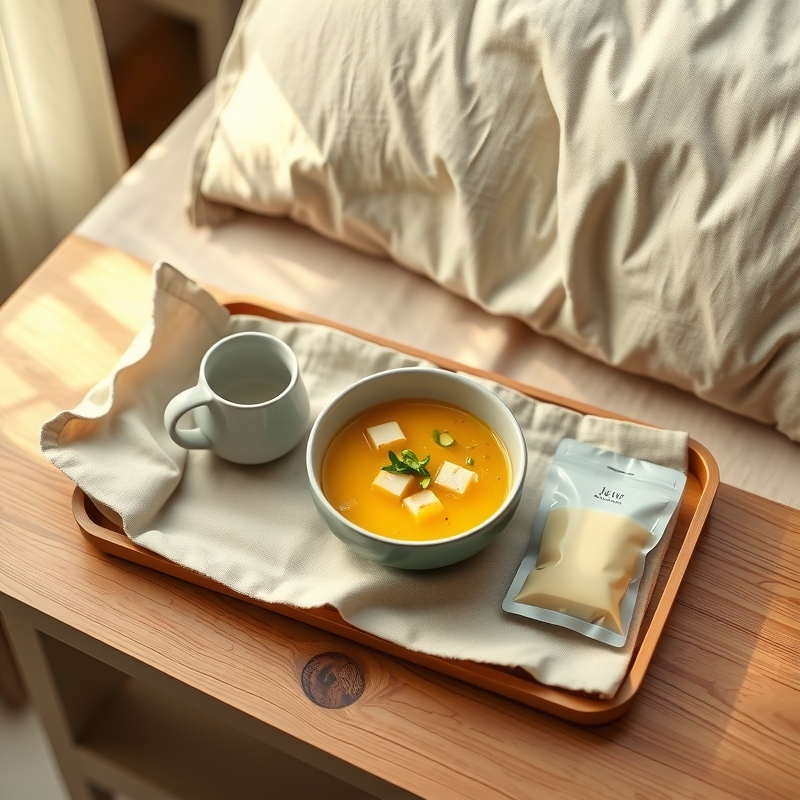
Not all remedies are equal — here’s how the most popular Korean hangover cures stack up against common Western approaches:
| Feature | Western (Painkillers + Coffee) | Korean Hangover Soup (Haejangguk) | Korean Pear Juice + Hangover Drink |
|---|---|---|---|
| How it works | Masks pain signals | Replenishes electrolytes + supports liver detox | Supports acetaldehyde breakdown before/after drinking |
| Speed of relief | 30-60 minutes (temporary) | 30-45 minutes (sustained) | Best used preventively; relief within 20-30 min |
| Stomach impact | Can worsen nausea and irritate lining | Gentle, soothing, easy to digest | Mild and easy on the stomach |
| Hydration | Coffee dehydrates further | Broth delivers water + sodium + potassium | Moderate hydration from juice |
| Nutrition | Zero nutritional value | Protein, amino acids, vitamins from vegetables | Fruit enzymes + herbal extracts |
| Estimated cost | Around $1-3 for OTC pills | Around $6-9 at a restaurant (prices vary) | Around $2-4 per bottle/pouch (prices vary) |
| Liver support | Acetaminophen adds liver stress | Asparagine and methionine assist liver | Hovenia dulcis and pear enzymes support processing |
| Cultural integration | Solitary, reactive | Communal, ritualistic, deeply embedded in Korean life | Convenient, preventive, grab-and-go culture |
The Western approach treats symptoms. The Korean approach treats the cause. One hides the damage; the other helps your body actually recover. Korean hangover soup hits hydration, nutrition, and liver support simultaneously — which is why it consistently outperforms the pill-and-coffee routine.
How to Make a Korean Hangover Cure at Home
You don’t need to live in Seoul to use these methods — most ingredients are available at any Asian grocery store, and the recipes are surprisingly forgiving. Even in your most compromised state, you can pull these off.
Quick Bean Sprout Soup (15 Minutes)
- Bring 4 cups of water to a boil with 2-3 dried anchovies (or a teaspoon of dashida stock powder)
- Add 200g of soybean sprouts (about two big handfuls), rinsed
- Simmer for 10 minutes — don’t lift the lid (lifting releases the asparagine with the steam)
- Add 1 tablespoon of minced garlic, 1 teaspoon of salt, and a splash of fish sauce
- Crack an egg directly into the simmering soup, stir gently
- Serve immediately with rice if you can manage it, or just drink the broth
The single most important rule Korean cooks will tell you: do not open the lid while the sprouts are cooking. This keeps the beneficial compounds in the broth instead of escaping as steam. Every Korean home cook knows this rule. Now you do too.
The Korean Pre-Drinking Ritual
Prevention beats cure every time. Here’s what many Koreans actually do before a night out:
- Drink a pouch of Korean pear juice 30 minutes before the first drink
- Eat a proper meal first — never drink on an empty stomach (Korean drinking culture always starts with food, never just drinks)
- Keep a hangover drink in your bag — take it before bed or first thing in the morning
- Alternate water between rounds — this is less common in Korean drinking culture honestly, but it works
Notice something? Korean drinking culture builds the cure into the experience itself. Drinking always happens with food. Recovery drinks are grabbed before the night starts. The soup restaurant is already planned for the morning. Without this built-in system, you’re fighting biology with willpower — and biology always wins.
Korean Pear Juice (Bae Juice) Pouches
The same pear juice pouches Koreans grab at convenience stores before a night out. Made from Korean pears (bae), which contain natural enzymes that support your body’s alcohol metabolism. Keep a few in the fridge for your next dinner party.
CJ Condition Hangover Recovery Drink
Korea’s best-known hangover recovery drink, made with Oriental raisin tree extract (hovenia dulcis). This is the one you’ll see in virtually every Korean convenience store — the go-to pre-drink ritual for millions of Korean adults.
Dried Pollack (Bugeo) for Hangover Soup
The foundation of Korea’s most trusted hangover soup. Dried pollack is packed with protein and amino acids that support liver recovery. One package makes multiple batches — keep it in your pantry the way Korean households do.
Frequently Asked Questions
What is the most popular Korean hangover cure?
Haejangguk (해장국), or hangover soup, is the most widely used Korean hangover cure. Bean sprout soup and dried pollack soup are the two most common varieties. Most Korean cities have dedicated haejangguk restaurants that open early in the morning specifically to serve people recovering from a night of drinking.
Does Korean pear juice actually help with hangovers?
Korean pear juice has shown promising results in research on alcohol metabolism. A study from Australia’s CSIRO found that Asian pear juice helped reduce hangover severity when consumed before drinking. The key is timing — it works best as a preventive measure taken before or during drinking, not solely as a morning-after remedy.
What happens if I just take painkillers instead of trying Korean remedies?
Painkillers mask hangover symptoms without addressing the underlying cause — acetaldehyde buildup. Worse, acetaminophen (Tylenol) puts additional strain on your liver while it’s already working overtime to process alcohol. Ibuprofen and aspirin can irritate your stomach lining, which is already inflamed from alcohol. Korean remedies focus on helping your body process toxins faster rather than hiding the pain.
Can I make Korean hangover soup the night before and reheat it?
Yes — bean sprout soup and dried pollack soup both reheat well and can be made ahead of time. Many Korean households prepare a pot of kongnamul-guk (bean sprout soup) before a planned night of drinking. Simply refrigerate it and reheat on the stove the next morning. The flavor actually deepens overnight. Just add a fresh egg when reheating for extra protein.
What do Koreans eat with hangover soup?
Rice is the standard companion to any Korean hangover soup. Many people add the rice directly into the soup, creating a porridge-like consistency that’s easier to eat on a queasy stomach. Side dishes are usually kept minimal — some kimchi and maybe a few cubes of tofu. The focus is on the soup itself, not a full spread.
Key Takeaways
- Korean hangover cures target the root cause — acetaldehyde buildup — rather than masking symptoms with painkillers that can actually stress your liver further
- Haejangguk (hangover soup) is a centuries-old Korean tradition, not a wellness trend — bean sprout soup and dried pollack soup are the two most trusted varieties
- Korean pear juice works best as prevention — drink it before your first glass, not just the morning after
- Never open the lid while cooking bean sprout soup — this kitchen rule preserves the asparagine that helps your liver break down alcohol byproducts
- Korean drinking culture builds recovery into the ritual itself — food always accompanies alcohol, hangover drinks are taken preemptively, and morning soup spots are part of the plan
- A 15-minute pot of bean sprout soup will outperform a $30 “detox” smoothie — the ingredients cost almost nothing and the method has been tested across generations
Tonight, grab a bag of soybean sprouts and a few dried anchovies from your nearest Asian grocery store. Next time you pour that second glass of wine, you’ll have a real Korean hangover cure waiting for you in the fridge — not a bottle of ibuprofen and a prayer.
This article contains affiliate links. If you purchase through these links, we may earn a small commission at no extra cost to you. We only recommend products we genuinely believe in.