Quick Answer: The best Korean BBQ chicken recipes aren’t the complex restaurant versions — they’re the 5 simple home-kitchen marinades Korean mothers have used for decades, most requiring under 15 minutes of prep. Here’s what you need to know:
- Dak-galbi (spicy stir-fried) — the weeknight staple in most Korean households
- Ganjang (soy garlic) — mild, rich, and the one Korean kids grow up eating
- Gochujang-glazed — sweet-spicy with only 4 core ingredients
- Buldak (fire chicken) — the bold, cheesy version that swept Korean late-night culture
- Oven yangnyeom — crispy-coated chicken without deep-frying
My mother never measured a single ingredient when she made her Tuesday night dak-galbi. She’d eyeball the gochujang, tear the cabbage by hand, and have the whole thing sizzling in a cast-iron pan in the time it took me to set the table. The real secret behind Korean BBQ chicken recipes isn’t a special grill or exotic technique — it’s the 양념 (yangnyeom, seasoning paste) that Korean home cooks have perfected through repetition, not recipe books.
If you’ve only tried Korean BBQ chicken at restaurants, you’ve been eating the dressed-up version. What Korean mothers make on a Wednesday evening is faster, simpler, and — I’ll say it — usually better. These five recipes are the ones actually scribbled on sticky notes inside Korean kitchen cabinets, not the ones styled for food blogs.
Why Korean BBQ Chicken Recipes Taste Different From What You’ve Tried
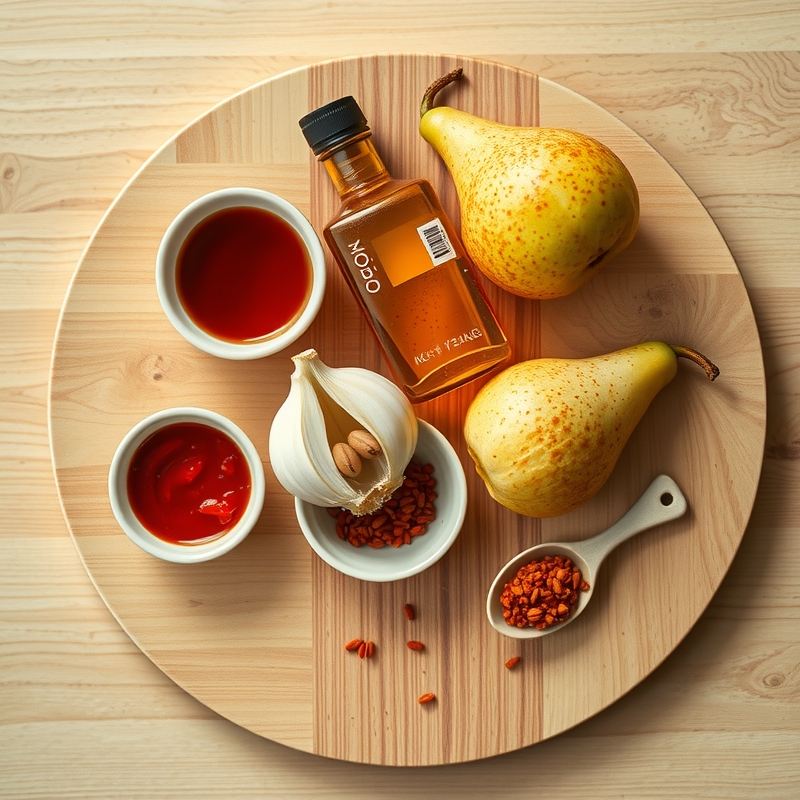
Korean BBQ chicken gets its depth from fermented pastes, not from the grill itself. While Western BBQ relies on smoke and slow cooking, Korean 양념 (yangnyeom) does the heavy lifting before the chicken even touches heat. The combination of gochujang (fermented red pepper paste), doenjang (fermented soybean paste), and ganjang (soy sauce) creates layers of umami that no amount of grill time can replicate.
This is why Korean home cooks don’t stress about having a fancy outdoor grill. A regular skillet or sheet pan works perfectly — because the flavor is already built into the marinade. In most Korean households, 양념장 (yangnyeomjang, seasoning sauce) is mixed in bulk and kept in the fridge. My aunt in Daegu keeps a container of her base sauce ready at all times. Tuesday chicken, Thursday pork, Saturday tofu — same base, different proteins.
There’s a reason this approach works so well for busy weeknights in your 40s and 50s, when the last thing you want is a complicated multi-step dinner. Korean home-style BBQ chicken typically takes 10-15 minutes of active prep and 20-25 minutes of cooking — start to table in under 40 minutes.
The other difference you’ll notice immediately: Korean BBQ chicken recipes use fruit. Not as a garnish — as a tenderizer and sweetener. Grated Asian pear, apple, or even kiwi goes directly into the marinade. The natural enzymes in fresh fruit break down proteins more gently than acidic marinades, which is why Korean-marinated chicken stays juicy instead of turning chalky. This is basic food science — fruit proteases like actinidin and bromelain have been studied extensively for their tenderizing effects on poultry.
What You’ll Need Before You Start
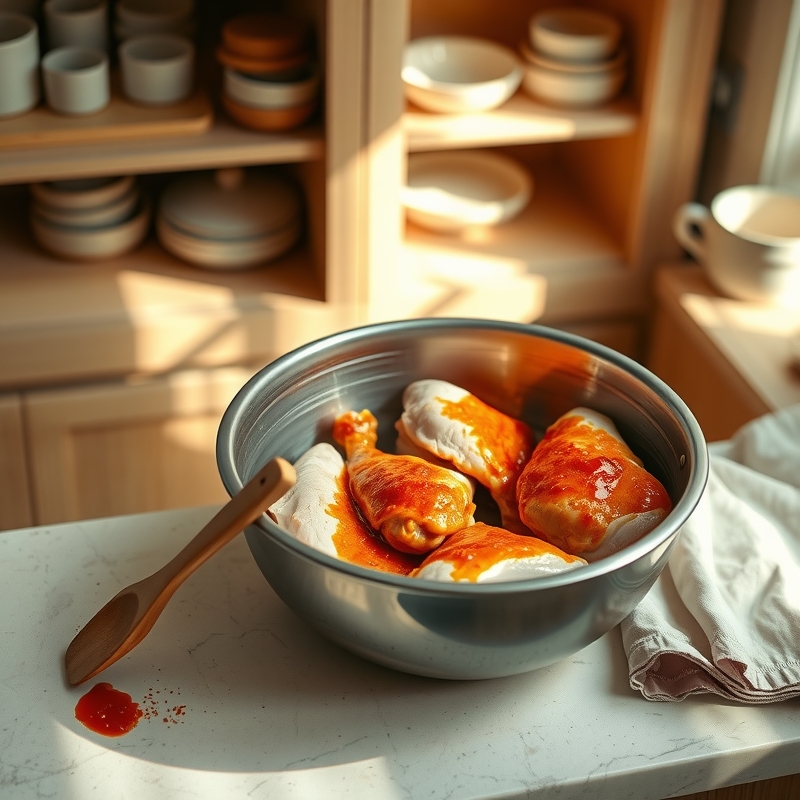
You don’t need a Korean grocery store trip for most of these recipes — just five pantry staples cover all five dishes. If you’ve ever bought gochujang for another recipe and it’s been sitting in your fridge, tonight is the night it earns its shelf space.
The 5 Core Korean Pantry Items
- 고추장 (gochujang) — fermented red pepper paste. The backbone of 3 out of 5 recipes below. One tub lasts months in the fridge.
- 간장 (ganjang) — Korean soy sauce. Regular soy sauce works, but Korean soy sauce is slightly thinner and less salty, which matters for marinades.
- 참기름 (chamgireum) — toasted sesame oil. A finishing drizzle transforms everything. A little goes far.
- 고춧가루 (gochugaru) — Korean red pepper flakes. Smoky, slightly sweet, and nothing like crushed red pepper from a pizza shop. Gochugaru is sun-dried, which gives it that distinct mellow heat.
- 마늘 (maneul) — garlic. Korean cooking uses roughly 3-4 times more garlic per dish than most Western recipes. Don’t be shy.
Chicken Cuts That Work Best
Boneless, skinless chicken thighs are the default in Korean home kitchens for BBQ chicken. They’re fattier than breast, which means they absorb marinade better and don’t dry out during high-heat cooking. If you only have chicken breast, slice it thinner (about 1cm) and reduce cooking time by a few minutes.
When I pack leftover dak-galbi for lunch the next day, I use a stainless steel bento container because the gochujang stains plastic permanently — a lesson I learned exactly once. (paid link) Stainless steel Korean lunch boxes (around $15-20) keep saucy dishes separated and don’t absorb odors — (paid link) check current price on Amazon.
One more essential: a meat thermometer. The USDA recommends cooking all poultry to an internal temperature of 165°F (74°C). Korean home cooks often cut chicken into smaller pieces, which helps it cook faster and more evenly — another practical shortcut, not just tradition.
5 Korean BBQ Chicken Recipes From Real Korean Home Kitchens
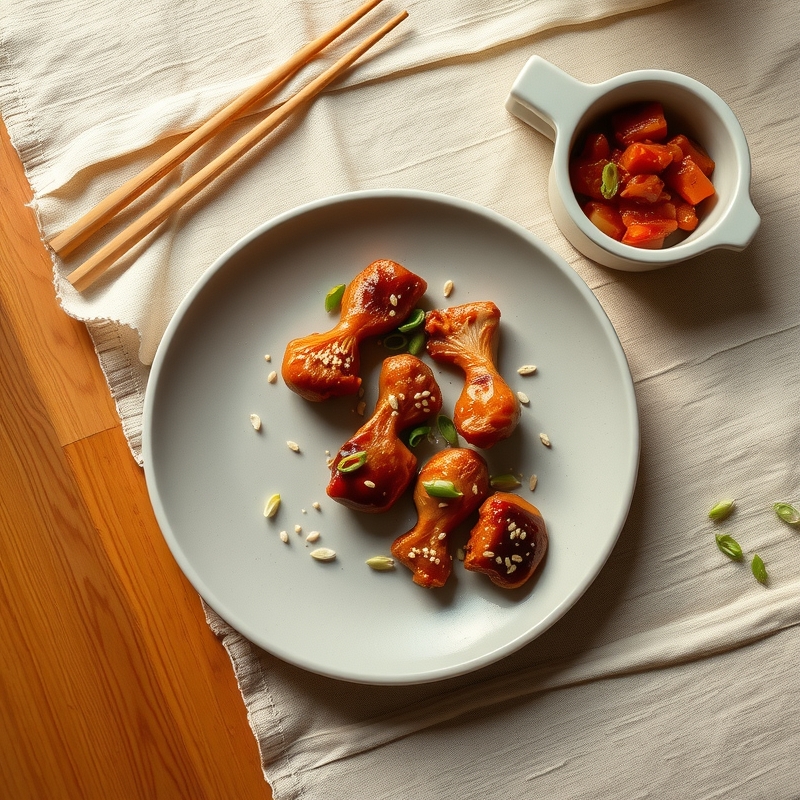
1. 닭갈비 (Dak-Galbi) — The Weeknight Workhorse
Dak-galbi is the single most-cooked Korean BBQ chicken dish in Korean households — and the one least represented on English-language food blogs. It’s not the pretty grilled version you see in Korean BBQ restaurants. It’s a messy, one-pan stir-fry that feeds a family of four from a single skillet.
Marinade:
- 3 tablespoons gochujang
- 1 tablespoon gochugaru
- 2 tablespoons soy sauce
- 1 tablespoon sugar (or rice syrup)
- 1 tablespoon minced garlic
- 1 tablespoon sesame oil
- 2 tablespoons grated Asian pear or apple
Method: Cut 500g chicken thighs into bite-sized pieces. Toss with marinade and let sit 20 minutes (or overnight in the fridge if you’re meal-prepping). Stir-fry in a hot skillet with sliced cabbage, sweet potato, and rice cakes (떡, tteok) for 12-15 minutes. The cabbage releases water, the sauce caramelizes, and you have dinner.
My mother’s secret addition: a tablespoon of curry powder. It sounds wrong. It’s not. Many Korean home cooks add curry powder to dak-galbi for a warmth that rounds out the gochujang heat. Try it once.
2. 간장양념 (Ganjang Yangnyeom) — Soy Garlic Glaze
If you’re new to Korean flavors or cooking for someone who doesn’t love spice, this is where you start. Soy garlic chicken is what Korean children eat before they graduate to spicy food. It’s sweet, savory, and deeply comforting.
Marinade:
- 4 tablespoons soy sauce
- 2 tablespoons brown sugar or honey
- 1 tablespoon minced garlic
- 1 tablespoon sesame oil
- 1 tablespoon rice wine (미림, mirim)
- Black pepper to taste
Method: Marinate chicken thighs for at least 30 minutes. Pan-sear skin-side down in a hot skillet for 5-6 minutes, flip, then pour remaining marinade over and cook 8-10 minutes more, basting as the sauce reduces into a glossy glaze. Finish with sesame seeds and sliced scallions.
3. 고추장구이 (Gochujang Gui) — The 4-Ingredient Miracle
This is the recipe Korean mothers make when there’s genuinely nothing else in the fridge. Four ingredients. No shopping trip. Done in 25 minutes.
Marinade:
- 2 tablespoons gochujang
- 1 tablespoon honey or sugar
- 1 tablespoon sesame oil
- 1 tablespoon minced garlic
Method: Mix, coat chicken thighs, let sit 15 minutes. Cook in a skillet over medium-high heat, 6-7 minutes per side. The gochujang caramelizes into a sticky, slightly charred crust that looks like you spent an hour. You didn’t.
This is the recipe I make most often in my own kitchen. It’s forgiving, fast, and the leftovers taste even better cold the next day — the glaze sets into a candy-like coating that makes it perfect for lunch boxes.
4. 불닭 (Buldak) — Korean Fire Chicken
Buldak means “fire chicken,” and it earned that name honestly. This is the dish Korean college students and late-night workers eat when they want something aggressively satisfying. The modern version adds melted mozzarella on top — and it works unreasonably well.
Marinade:
- 3 tablespoons gochujang
- 2 tablespoons gochugaru
- 2 tablespoons soy sauce
- 1 tablespoon sugar
- 1 tablespoon minced garlic
- 1 tablespoon rice syrup (for extra stickiness)
- Optional: 1 teaspoon hot pepper paste for extra heat
Method: Marinate chicken 30 minutes. Cook in a deep skillet over high heat for 10-12 minutes, stirring. Transfer to an oven-safe dish, top with shredded mozzarella, and broil 3-4 minutes until bubbly. Serve with rice to cut the heat.
A word of honest caution: buldak is genuinely spicy. If your spice tolerance is moderate, cut the gochugaru in half the first time. You can always add heat. You can’t take it back.
5. 오븐양념치킨 (Oven Yangnyeom) — Crispy Without Deep-Frying
Korean fried chicken (치맥, chimaek — chicken and beer) is legendary, but deep-frying at home is messy and time-consuming. This oven version gives you 80% of the crunch with none of the oil splatter. Korean home cooks have been doing this for years — it’s the version that doesn’t make it to Instagram because it’s not photogenic enough for restaurants.
Coating + Sauce:
- 500g chicken pieces (wings, drumsticks, or thighs)
- 3 tablespoons cornstarch
- 1 tablespoon oil
- Salt and pepper
Yangnyeom sauce:
- 3 tablespoons gochujang
- 2 tablespoons ketchup (yes — this is how Korean home cooks actually make it)
- 2 tablespoons honey or rice syrup
- 1 tablespoon soy sauce
- 1 tablespoon minced garlic
- 1 tablespoon rice vinegar
Method: Toss chicken in cornstarch, oil, salt, and pepper. Bake at 220°C (425°F) on a wire rack for 35-40 minutes, flipping halfway. While baking, simmer the sauce ingredients in a small pan for 5 minutes. Toss baked chicken in sauce. Garnish with sesame seeds.
The ketchup might surprise you. Korean yangnyeom sauce in restaurants uses a similar sweet-tangy base — ketchup is the home shortcut that Korean mothers have used since the 1990s. It works.
Korean BBQ Chicken Recipes Compared: Which One Is Right for Tonight?
| Feature | Dak-Galbi (Stir-Fry) | Gochujang Gui (Pan-Seared) | Oven Yangnyeom (Baked) |
|---|---|---|---|
| Total time | 35-40 min | 25 min | 50 min |
| Active prep | 15 min | 5 min | 10 min |
| Spice level | Medium-high | Medium | Adjustable |
| Core ingredients | 7 | 4 | 10 |
| Kid-friendly? | If you reduce gochugaru | Yes (mild option) | Yes (crowd favorite) |
| Meal prep friendly | Good (2-3 days) | Excellent (glaze sets nicely) | Good (reheat in oven) |
| Best for | One-pan family dinner | Fastest weeknight option | Weekend cooking, guests |
| Equipment needed | Large skillet | Any skillet | Sheet pan + wire rack |
The gochujang gui (middle column) is the best starting point for most home cooks — fewest ingredients, fastest prep, and the most forgiving if you’re still getting comfortable with Korean flavors. It’s also the one my mother would make if you asked her, “What should I cook tonight?”
CJ Haechandle Gochujang (Korean Red Pepper Paste)
This is the brand you’ll find in most Korean households — the same square red tub my mother has kept stocked since I was a child. One container covers all five recipes above and lasts months in the fridge.
(paid link) Check Availability & Reviews →
한식 양념의 힘: The Power of Korean Seasoning at Home
In Korean food culture, the marinade is never an afterthought — it’s the entire point. The word 양념 (yangnyeom) literally combines 양 (yang, medicine/nourishment) and 념 (nyeom, mindfulness). Seasoning in Korean tradition isn’t just flavor — it’s care made tangible.
This is why Korean mothers don’t follow recipes precisely. They taste, adjust, and taste again. The yangnyeom is a living thing that responds to the freshness of the gochujang, the sweetness of this season’s garlic, the mood of the family that night. When my aunt says “a spoonful,” she means her spoon, her hand, her judgment built over thirty years of feeding her family.
In Korean households, 장 (jang) — the family of fermented pastes including gochujang, doenjang, and ganjang — are considered the foundation of the kitchen. Historically, a family’s 장독대 (jangdokdae, the collection of earthenware jars for fermenting pastes) was a point of pride. The quality of a household’s jang reflected the skill of its matriarch. Today most Korean families buy commercial gochujang, but the principle remains: the paste carries the flavor, not the cooking technique.
This is freeing if you’re in your 40s and barely have time to cook, let alone master a new cuisine. You don’t need to learn complicated Korean cooking methods. You need a good tub of gochujang and 10 minutes. The yangnyeom does the rest.
Frequently Asked Questions
What happens if I don’t marinate the chicken long enough?
You’ll still get flavor on the surface, but the chicken won’t be as tender or deeply seasoned. For gochujang-based marinades, 20 minutes is the minimum for flavor penetration. Overnight marination (up to 12 hours) makes a noticeable difference in tenderness, thanks to the fruit enzymes and salt breaking down muscle fibers. If you’re short on time, cut the chicken into smaller pieces — more surface area means faster absorption.
Can I use chicken breast instead of thighs for Korean BBQ chicken recipes?
Yes, but slice it thin (about 1cm) and reduce cooking time by 3-4 minutes. Chicken breast dries out faster because it has less intramuscular fat. Korean home cooks overwhelmingly prefer thighs for BBQ preparations because the higher fat content keeps the meat juicy even when cooked at high heat. If breast is all you have, the ganjang (soy garlic) recipe is the most forgiving with leaner cuts.
How long does leftover Korean BBQ chicken last in the fridge?
Properly stored in an airtight container, Korean BBQ chicken keeps well for 3-4 days in the refrigerator. The fermented paste in the marinade actually has mild preservative properties — salt content and low pH slow bacterial growth. Gochujang-glazed chicken often tastes better on day two as the flavors meld. Reheat in a skillet rather than the microwave to restore any caramelized crust.
Is Korean BBQ chicken spicy?
It depends entirely on which recipe you choose. The ganjang (soy garlic) version has zero heat. Gochujang gui is moderately spicy — comparable to a medium salsa. Buldak, on the other end, is genuinely hot. The beauty of cooking Korean BBQ chicken at home is that you control the gochugaru and gochujang amounts. Start with half the listed quantity of gochugaru and adjust upward to your comfort level.
What do Koreans serve with BBQ chicken?
Always rice, always kimchi, and usually 2-3 small side dishes (반찬, banchan). A simple weeknight pairing is steamed white rice, kimchi, and a quick cucumber salad (오이무침, oi-muchim — sliced cucumber with sesame oil, vinegar, and gochugaru). The rice absorbs the sauce. The kimchi cuts the richness. Together they make the chicken feel like a complete meal rather than a standalone protein.
Key Takeaways
- Korean BBQ chicken gets its flavor from fermented paste marinades (양념), not from the grill — a regular skillet works perfectly for all five recipes.
- Gochujang gui requires only 4 ingredients and 25 minutes total, making it the fastest entry point for weeknight Korean cooking.
- Korean mothers use grated fruit (Asian pear or apple) as a natural meat tenderizer — the enzymes keep chicken juicy without acidic marinades that toughen protein.
- Boneless, skinless chicken thighs are the preferred cut in Korean home kitchens because higher fat content prevents drying out during high-heat cooking.
- One tub of gochujang covers all five recipes and lasts months in the fridge — it’s the single most versatile investment for Korean home cooking.
- Leftover Korean BBQ chicken keeps 3-4 days and often tastes better on day two as the fermented marinade continues to develop flavor.
Tonight, try the gochujang gui — four ingredients, one skillet, 25 minutes. Mix 2 tablespoons gochujang with honey, sesame oil, and garlic, coat your chicken thighs, and pan-sear until the edges caramelize. That’s it. That’s the whole recipe Korean mothers have been making on tired weeknights for decades — and now it’s yours too.
This article contains affiliate links. If you purchase through these links, we may earn a small commission at no extra cost to you. We only recommend products we genuinely believe in.
You Might Also Like
- 7 Korean Natural Makeup Steps Women After 40 Always Skip
- Korean BBQ Side Dishes: Why Yours Fail (5 Real Fixes)
- Korean Hangover Cure After 50: 5 Remedies Nobody Mentions