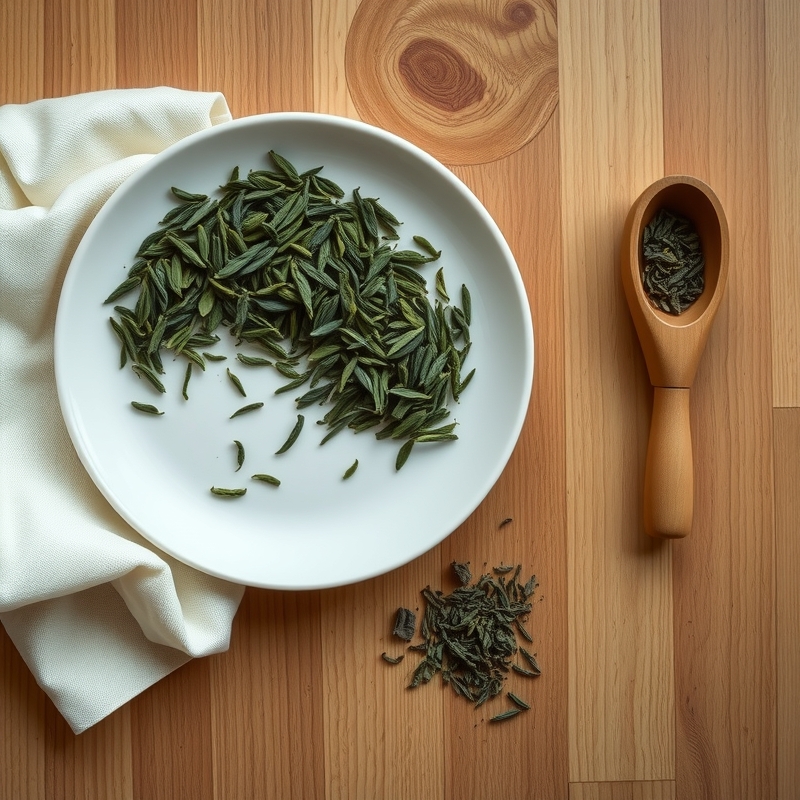
In the rolling hills of Boseong — where over 40% of South Korea’s green tea is grown — farmers still hand-pick leaves in early spring the same way they have for generations. The result is a green tea that tastes nothing like the dusty teabag version most Westerners know. Korean green tea, called nokcha (녹차), is roasted in iron pots rather than steamed, giving it a toasty, almost nutty depth that changes how you think about tea entirely. Here are 7 Korean green tea benefits that explain why it’s a daily staple in Korean households — and why it deserves a spot in yours.
Quick Overview: 7 Korean Green Tea Benefits at a Glance
| # | Benefit | Why It Matters | How Koreans Use It |
|---|---|---|---|
| 1 | Loaded with catechins | Powerful antioxidant protection | Daily after-meal tea |
| 2 | Calm, focused energy | L-theanine balances caffeine | Morning or afternoon tea |
| 3 | Skin health support | Antioxidants fight oxidative stress | Drinking + topical skincare |
| 4 | Digestive comfort | Supports gut after heavy meals | Served after every Korean BBQ |
| 5 | Heart health | May help manage cholesterol | Part of daily tea ritual |
| 6 | Natural stress relief | L-theanine promotes alpha brain waves | Tea ceremonies (darye) |
| 7 | Metabolism support | Catechins support fat oxidation | Paired with balanced Korean meals |
1. Korean Green Tea Benefits Start with Catechins — and Korea Grows Them Differently
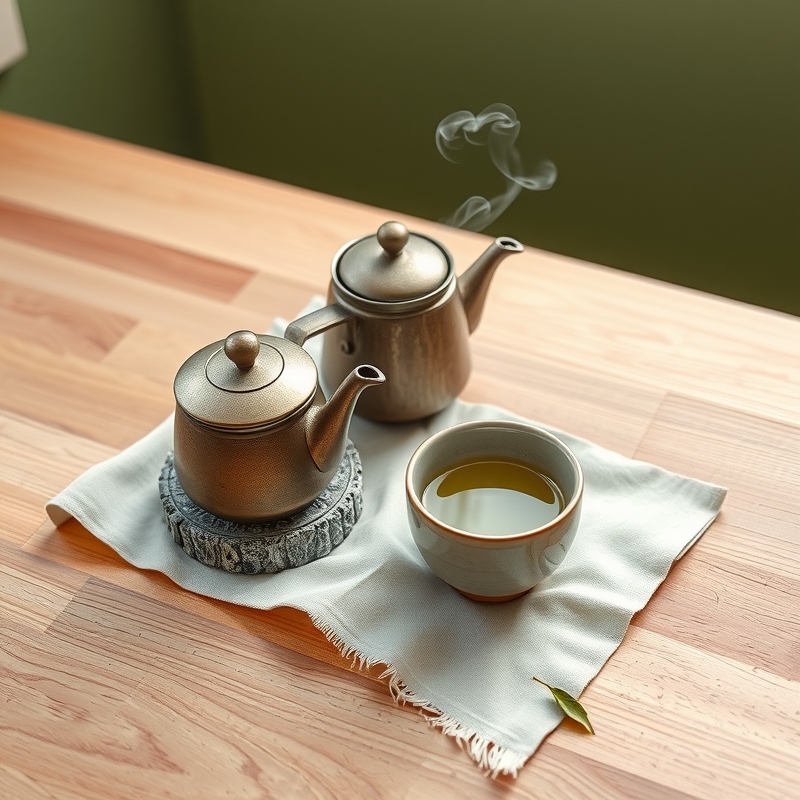
Korean green tea contains high levels of catechins — a group of natural antioxidants that help protect cells from oxidative damage. What most people don’t realize is that how and where tea is grown dramatically affects its catechin content.
Korea’s primary tea-growing regions — Boseong in South Jeolla Province and parts of Jeju Island — sit at the northern edge of where tea can grow. The colder winters and distinct seasons force the tea plants into a longer dormancy period. When spring arrives, those first flush leaves are especially concentrated with nutrients because the plant has been storing energy for months.
Unlike Japanese green tea, which is typically steamed, Korean nokcha is traditionally roasted in iron pots (deokeum), a method that preserves catechins while adding a characteristic toasty flavor. This roasting process is one reason Korean green tea tastes warmer and less grassy than its Japanese counterpart.
- EGCG (epigallocatechin gallate) is the most studied catechin in green tea, widely recognized by researchers for its antioxidant properties
- First-harvest spring teas (ujeon and sejak) are considered the most nutrient-dense grades
- Korean tea masters grade their tea by harvest date — the earlier the pick, the higher the quality
2. Calm, Focused Energy — Korean Green Tea Benefits Your Brain Without the Jitters
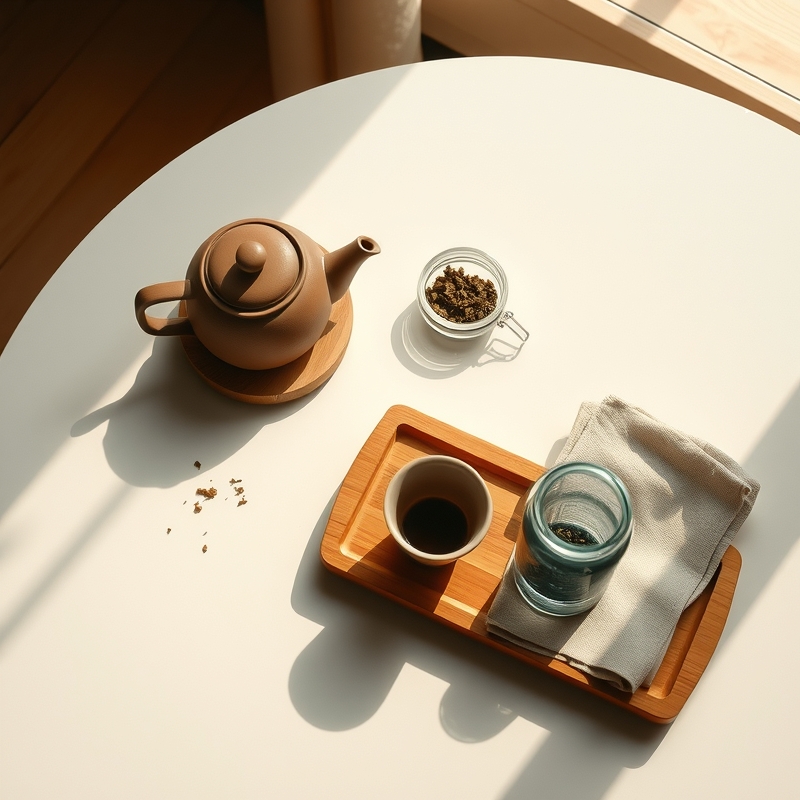
Korean green tea delivers roughly 25-50 mg of caffeine per cup — about half of what’s in coffee — but the energy feels completely different because of a compound called L-theanine. This amino acid is naturally present in tea leaves and is widely studied for its role in promoting relaxation without drowsiness.
Here’s what most green tea articles won’t tell you: shade-grown Korean teas tend to be higher in L-theanine because reducing sunlight before harvest causes the plant to produce more of this amino acid. Some premium Korean teas from Jeju are partially shade-grown, similar to the Japanese gyokuro method but with Korea’s signature roasting finish.
Neuroscience research generally supports that L-theanine promotes alpha brain wave activity — the same type of brain waves associated with calm alertness and focused creativity. This is why Korean tea culture emphasizes darye (다례), the traditional tea ceremony, as a form of meditation and mental clarity.
- L-theanine + caffeine together may improve attention and focus more effectively than either compound alone, according to nutritional research
- The energy from green tea typically lasts 3-4 hours with a gentle decline — no crash
- Many Korean office workers keep loose-leaf nokcha at their desks for sustained afternoon focus
3. Korean Green Tea Benefits for Skin — the “Beauty From Within” Approach
In Korea, great skin doesn’t start with a 10-step routine — it starts with what you put inside your body. This concept, called inner beauty (이너뷰티) in Korean wellness culture, is why green tea is considered as much a skincare ingredient as it is a beverage.
Green tea’s antioxidants help neutralize free radicals — unstable molecules that contribute to premature aging and skin damage from UV exposure and pollution. Korean dermatologists generally recommend antioxidant-rich foods and beverages as a foundation before layering on topical products.
Walk into any Korean beauty store and you’ll find green tea in everything: cleansers, toners, serums, sheet masks, even sleeping packs. The brand Innisfree built its entire identity around Jeju green tea. But the real K-beauty secret is that Koreans approach green tea from both directions — drinking it daily while also applying it topically.
The Korean Double Approach to Green Tea Skincare
- Internal: 2-3 cups of nokcha daily provides a steady supply of antioxidants through the bloodstream
- External: Green tea extract in serums and moisturizers delivers catechins directly to skin cells
- DIY Korean method: Some Korean households use cooled brewed green tea as a simple face rinse — a zero-cost toner alternative
Without this internal-external combination, you’re only getting half the benefit — and most Western skincare routines skip the internal half entirely.
Innisfree Green Tea Seed Serum
This is the serum that put Jeju green tea on the global skincare map. It delivers green tea antioxidants as a lightweight hydration layer — the same approach used in Korean beauty clinics for years before it went mainstream.
4. Digestive Comfort — Why Koreans Always Drink Tea After Meals
In Korea, finishing a meal without tea is like finishing a sentence without a period — it just feels incomplete. At nearly every Korean restaurant, from upscale Seoul bistros to small-town gukbap joints, you’ll find roasted barley tea or green tea served automatically after the meal. This isn’t just tradition — there’s a practical reason behind it.
Green tea contains tannins and catechins that are widely recognized for supporting digestive comfort. After a heavy Korean meal — think samgyeopsal with all the banchan — warm green tea helps settle the stomach and ease that overly-full feeling.
Korean grandmothers have a saying: “Bap meokgo cha mashyeoya hae” (밥 먹고 차 마셔야 해) — you must drink tea after eating rice. This cultural habit, passed down through generations, turns out to align well with what modern nutritionists recommend about warm beverages and digestion.
- Warm liquid after eating helps the digestive process move along more comfortably than cold drinks
- Mild tannins in green tea can help reduce bloating after rich, fatty meals
- Most Korean restaurants serve tea at no charge — it’s simply part of the meal experience
- The Korean habit is to sip slowly over 10-15 minutes, not gulp it down
5. Heart Health — The Korean Green Tea Benefit With the Longest Track Record
Korea’s tea-drinking tradition stretches back over a thousand years to the Goryeo Dynasty, and modern research is beginning to explain why tea-drinking populations tend to have favorable cardiovascular profiles. Green tea consumption is widely studied for its association with heart health markers, including cholesterol levels and blood pressure.
Nutritional researchers generally agree that the catechins in green tea — particularly EGCG — may support healthy cholesterol levels by influencing how the body absorbs and processes dietary fats. Korean public health guidelines include regular tea consumption as part of their recommended dietary patterns.
What makes this particularly relevant for Korean green tea is the cultural context: Koreans don’t drink green tea as an isolated health hack. It’s woven into a broader dietary pattern that includes fermented vegetables, lean proteins, and minimal processed food. The tea works within a system, not as a standalone supplement.
- Consistency matters more than quantity — Korean tea culture emphasizes daily habit over occasional large doses
- 2-3 cups per day is the most commonly cited range in nutritional research for cardiovascular benefits
- Green tea pairs especially well with the Korean diet because it complements the high-vegetable, fermented-food pattern
6. Natural Stress Relief — The Korean Green Tea Benefit Hidden in Tea Ceremonies
The Korean tea ceremony, darye (다례), isn’t about the tea — it’s about the 20 minutes of enforced stillness in a culture that otherwise moves at breakneck speed. Seoul is one of the most fast-paced cities on earth. Yet step into a traditional chatjip (tea house) in Insadong or Bukchon, and time genuinely slows down.
L-theanine in green tea promotes alpha brain wave production, which is associated with a state of wakeful relaxation — the same brain state achieved during meditation. Korean tea masters have understood this intuitively for centuries, long before neuroscience could measure it.
The ritual itself amplifies the effect. Warming the cup, watching the leaves unfurl, breathing in the steam — these sensory details engage the mind fully in the present moment. Korean therapists increasingly recommend tea practice as a form of mindfulness, especially for high-stress professionals in Seoul’s corporate world.
How to Create a Simple Korean Tea Moment at Home
- Heat water to around 70-80°C (158-176°F) — not boiling, which makes green tea bitter
- Place 2-3g of loose-leaf Korean nokcha in a small teapot or cup
- Pour water and steep for exactly 1-2 minutes (shorter than most people expect)
- Sit without your phone for those 2 minutes — this is the actual practice
- Sip slowly and re-steep the same leaves 2-3 times — each infusion tastes different
Osulloc Jeju Green Tea (Sejak Grade)
From Amorepacific’s tea estate on Jeju Island, this is the same green tea served in high-end Korean tea houses. The sejak grade means second-harvest spring leaves — the sweet spot between premium quality and everyday drinkability.
7. Metabolism Support — The Korean Green Tea Benefit That Works Best as a Daily Habit
Korean green tea isn’t a weight loss miracle — and anyone claiming it is should be treated with skepticism. What catechins in green tea actually do, according to nutritional research, is support the body’s natural fat oxidation processes. The difference is subtle but real over time, especially when combined with an active lifestyle and balanced diet.
This is where Korean food culture has a built-in advantage. The traditional Korean diet — rice, vegetables, fermented sides, lean protein, and tea — is already one of the most naturally balanced dietary patterns in the world. Green tea isn’t carrying the metabolic load alone; it’s one piece of a much larger system.
Most food blogs get this wrong: they treat green tea as a standalone metabolism booster. In reality, its benefits compound within the Korean dietary context. Drinking nokcha after a meal rich in kimchi, vegetables, and fish creates a different metabolic environment than drinking green tea after a burger and fries.
- Catechins support thermogenesis — the body’s process of generating heat and burning calories — in a modest but measurable way
- Korean wellness culture focuses on consistent daily habits, not dramatic short-term interventions
- Cold-brewed Korean green tea (naengcha) is popular in summer and retains catechin content while being refreshing
Boseong Green Tea Loose Leaf (First Flush)
Boseong produces more green tea than any other region in Korea. This first-flush harvest captures the concentrated nutrients from months of winter dormancy — it’s what Korean tea drinkers consider the good stuff.
Korean Green Tea vs. Japanese vs. Chinese: What’s Actually Different?
| Feature | Korean Nokcha | Japanese Sencha | Chinese Longjing |
|---|---|---|---|
| Processing method | Pan-roasted in iron pots | Steamed | Pan-fired in woks |
| Flavor profile | Toasty, nutty, smooth | Grassy, vegetal, umami | Chestnut-like, mellow |
| Caffeine level | Moderate (25-50 mg/cup) | Moderate-high (30-50 mg/cup) | Moderate (25-40 mg/cup) |
| Ideal water temp | 70-80°C (158-176°F) | 70-80°C (158-176°F) | 80-85°C (176-185°F) |
| Steep time | 1-2 minutes | 1 minute | 2-3 minutes |
| Best for beginners? | Yes — mild, approachable | Can taste bitter if over-steeped | Mild but harder to source |
| Re-steeping | 2-3 infusions | 2-3 infusions | 3-4 infusions |
| Price range | Around $10-25 per 50g | Around $8-20 per 50g | Around $10-40 per 50g |
| Cultural context | Daily habit + tea ceremony | Formal tea ceremony (chado) | Gongfu-style casual brewing |
Korean nokcha sits in the sweet spot: more approachable than Japanese sencha, easier to source globally than premium Chinese teas, and roasted in a way that’s forgiving for beginners who over-steep. If you’ve tried green tea before and found it too grassy or bitter, Korean green tea might genuinely change your mind.
Frequently Asked Questions
How many cups of Korean green tea should I drink per day?
2-3 cups per day is the range most commonly cited by nutritionists and aligns with traditional Korean tea-drinking habits. Drinking more isn’t necessarily better — green tea contains caffeine, so those sensitive to it should start with one cup in the morning and adjust from there. Pregnant or nursing women should consult their doctor about caffeine intake.
What happens if I brew Korean green tea with boiling water?
Boiling water (100°C) will scorch the delicate tea leaves, producing a harsh, bitter taste and destroying some of the beneficial catechins. This is the single most common mistake people make with green tea. Let your water cool for about 3-5 minutes after boiling, or aim for 70-80°C. The difference in flavor is dramatic — properly brewed nokcha tastes smooth and slightly sweet.
Is Korean green tea better than matcha for antioxidants?
Matcha technically delivers more antioxidants per serving because you’re consuming the entire ground leaf, not just the infusion. However, matcha is also significantly more expensive (around $25-40 per 30g vs. around $10-25 per 50g for quality Korean nokcha) and contains more caffeine. Korean green tea offers a gentler, more sustainable daily option that still provides substantial antioxidant benefits at a lower price point.
Can I drink Korean green tea on an empty stomach?
Drinking green tea on an empty stomach can cause nausea or stomach discomfort in some people because of its tannin content. The Korean tradition of drinking tea after meals — not before — exists for exactly this reason. If you want morning tea, have a small snack first or opt for a lighter brew by using fewer leaves and a shorter steep time.
Where can I buy authentic Korean green tea outside of Korea?
Osulloc (owned by Amorepacific) and Boseong-region teas are the most widely available authentic Korean green teas internationally. You can find them on Amazon, at Korean grocery stores like H Mart, or through specialty tea retailers. Avoid generic “Korean green tea” labels that don’t specify the growing region — Boseong and Jeju are the two regions to look for.
Key Takeaways
- Korean green tea (nokcha) is pan-roasted, not steamed, giving it a toasty, approachable flavor that’s more forgiving for beginners than Japanese green tea
- The L-theanine and caffeine combination in Korean green tea provides calm, focused energy without the jitters or crash of coffee
- Korean beauty culture uses green tea from both directions — drinking it daily for antioxidants while applying it topically in skincare — a dual approach most Western routines miss entirely
- Brewing temperature is everything: 70-80°C water makes smooth, sweet tea; boiling water makes bitter, undrinkable tea. This one detail changes the entire experience
- Consistency beats intensity — the Korean approach is 2-3 modest cups daily as part of a balanced diet, not megadosing green tea extract as a shortcut
- Boseong and Jeju are the two regions to look for on the label when buying authentic Korean green tea outside of Korea
Tonight, try this: brew a single cup of Korean green tea at 75°C, steep it for just 90 seconds, and drink it slowly after dinner without looking at your phone. That one quiet cup is exactly how most Koreans have been ending their day for generations.
This article contains affiliate links. If you purchase through these links, we may earn a small commission at no extra cost to you. We only recommend products we genuinely believe in.